
Leather sold by the yard comes in several distinct types, ranging from genuine animal hides processed into continuous rolls to synthetic alternatives like polyurethane (PU), polyvinyl chloride (PVC or vinyl), and bonded leather. Genuine leather sits at the premium end of the pricing spectrum due to its durability and complex manufacturing, while synthetic and bonded options offer highly accessible, budget-friendly alternatives. Choosing the right material requires balancing your project’s structural needs, sewing machine capabilities, and budget, while carefully verifying the material’s composition and physical properties before purchasing.
Understanding the Main Types of Leather Sold by the Yard
When shopping for leather by the yard, understanding the material composition is essential for selecting a fabric that matches your project’s functional demands. Genuine leather, synthetic alternatives, and bonded options differ significantly in their construction, durability, and physical characteristics.
Genuine leather is made from animal hides that undergo a tanning process to preserve and soften the material. While traditional hides are irregularly shaped and typically sold by the square foot, some specialty suppliers offer genuine leather cut into continuous strips or reconstituted rolls sold by the yard. Full-grain leather retains the outermost layer of the hide, showcasing natural variations, scars, and grain patterns that develop a unique patina over time. Top-grain leather has this outer layer lightly sanded to remove surface imperfections, resulting in a more uniform texture and increased pliability, making it easier to handle for high-end crafts.
Products mentioned in this guide
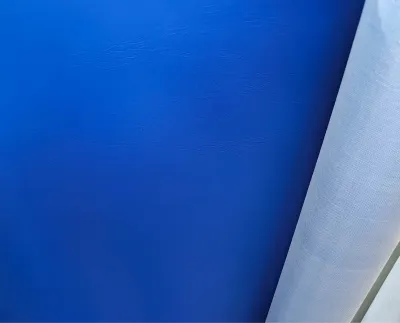
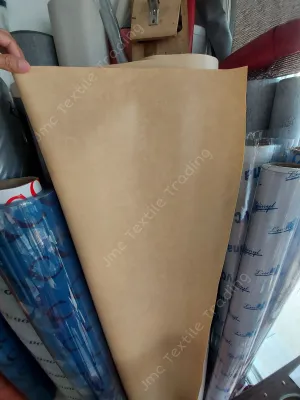
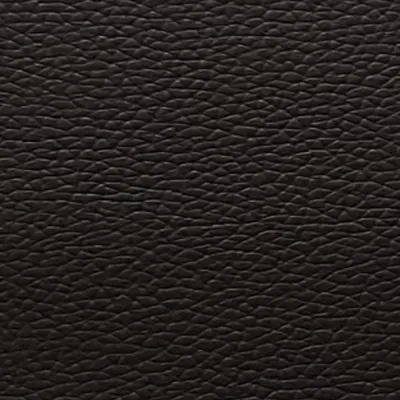
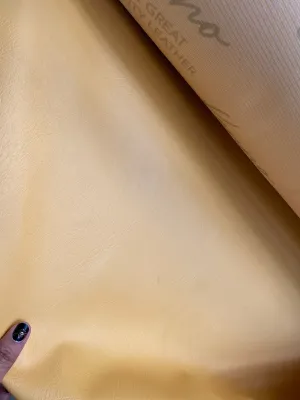
Prices are valid at publication and may change. Please refer to the product page for the latest price.
Synthetic options, commonly referred to as faux leather, are manufactured fabrics designed to mimic the appearance of genuine hide. Polyurethane (PU) leather consists of a flexible polymer layer applied to a fabric backing, such as cotton, polyester, or rayon. It is soft, relatively breathable, and mimics the drape of natural leather, making it a popular choice for apparel and lightweight accessories. Polyvinyl chloride (PVC) leather, or vinyl, features a tougher plasticizer layer over a heavy backing. PVC is highly water-resistant, stiff, and exceptionally durable, though it lacks the breathability and soft hand-feel of PU.
Bonded leather represents a hybrid category made from shredded leather scraps and fibers mixed with polyurethane or latex binders. This mixture is extruded onto a fiber backing and embossed with a leather-like grain. While it contains actual leather fibers, bonded leather lacks the structural integrity of genuine hide. Over time and under repeated flexing, the bonded layers tend to delaminate, crack, and peel, limiting its lifespan in high-stress applications.
To verify material claims when shopping, perform simple observable checks on the fabric. Inspect the cut edges of the material; genuine leather displays a solid, fibrous structure, whereas synthetic options reveal distinct layers of plastic coating and woven or knit fabric backing. Touch the surface to assess its temperature and texture, as genuine leather quickly warms to body heat and feels slightly irregular, while synthetic alternatives tend to feel cool, smooth, and highly uniform. Additionally, genuine leather carries a distinct, earthy scent, whereas synthetic and bonded materials often emit a faint chemical or plastic odor.
Comparing Relative Prices and Cost Factors
The cost of leather per yard is influenced by the raw materials used, the complexity of the manufacturing process, and the physical specifications of the fabric. Understanding these price tiers and cost drivers helps you budget effectively for your sewing and crafting projects.

Genuine leather occupies the premium price tier. Because processing animal hides requires significant labor, tanning agents, and quality control to manage natural defects, the equivalent cost per yard is substantially higher than synthetic alternatives. For projects requiring the longevity and prestige of real hide, this higher initial investment is offset by the material’s ability to withstand decades of wear.
Synthetic and bonded leathers populate the mid-range and budget-friendly tiers. PU leather is generally priced slightly higher than basic PVC vinyl due to its softer texture and more complex polymer formulation. Bonded leather is positioned as an economical alternative that provides the look of genuine leather at a fraction of the cost, though its lower durability means it may require replacement sooner. Basic utility vinyls and lightweight faux leathers represent the most budget-friendly options available on the market.
Several physical factors influence the baseline cost of synthetic leather per yard. Thickness and weight, often measured in ounces or millimeters, directly affect the price; thicker materials require more raw polymer and heavier backing fabrics, increasing production costs. The type of backing material also plays a role, with heavy brushed cotton or reinforced woven backings commanding a premium over thin, stretchy polyester knits. Furthermore, specialized surface treatments—such as embossed crocodile patterns, metallic foils, UV-resistant coatings, and custom dyes—add manufacturing steps that raise the final retail price.
When purchasing leather per yard in local fabric stores in the Philippines, prices are typically marked per linear yard (36 inches) along a standard roll width, which usually ranges from 54 to 60 inches. Always clarify with the retailer whether the quoted price in ₱ refers to the full width of the roll or a narrower cut. Before having the fabric cut, inspect the roll for any visible defects, creases from improper storage, or color fading caused by exposure to sunlight in open-air market stalls.
Matching Leather Types to Your Sewing and Crafting Needs
Selecting the right leather type involves matching the material’s physical properties to the specific demands of your project and the environment in which it will be used.
Durability and wear resistance are primary considerations for heavy-duty projects. For upholstery, automotive seating, or heavy-use bags, thick PVC vinyl or genuine leather offers the necessary resistance to abrasion, puncture, and tearing. Bonded leather should be avoided for items subjected to constant flexing or weight, as the bonded fibers will quickly degrade and peel. For light crafting, decorative accents, or soft pouches, lightweight PU leather provides sufficient durability without the bulk of heavier materials.
The drape, flexibility, and ease of sewing vary significantly across different leather structures. Lightweight PU leather offers excellent drape, allowing it to gather, pleat, and conform to curved shapes easily on a standard domestic sewing machine. Thick genuine leather and heavy-duty upholstery vinyl are much stiffer, requiring specialized industrial sewing machines or heavy-duty walking feet to feed the material smoothly without stalling or skipping stitches. Always test a small scrap of your chosen material on your machine to ensure your equipment can handle the thickness and density.
Environmental factors, particularly the warm and humid climate of the Philippines, play a critical role in material longevity. High humidity can accelerate the degradation of low-quality PU leathers through a process called hydrolysis, causing the surface to become sticky and eventually flake off. PVC vinyl is highly resistant to moisture and humidity, making it an excellent choice for local outdoor furniture, marine applications, and vehicle interiors. Genuine leather is highly durable but requires regular maintenance; without proper ventilation and occasional treatment with leather conditioners, it can easily develop mold or mildew in humid environments.
Before making a purchase, always verify the manufacturer’s specifications, care labels, and material tags. Check the backing fabric to ensure it is compatible with any adhesives or stabilizers you plan to use. If you are purchasing synthetic leather for outdoor or automotive use, look for tags indicating UV resistance and water repellency to ensure the material will withstand sun exposure and rain without premature fading or cracking.
Frequently Asked Questions (FAQ)
How do I calculate the exact yardage needed for my project?
To calculate the exact yardage required, lay out your pattern pieces on a flat surface or digital grid configured to the standard width of the leather roll, which is typically 54 or 60 inches. Measure the total linear length needed to accommodate all pieces, and add a margin of 10% to 15% to account for seam allowances, directional grain patterns, and minor cutting errors. If you are working with genuine leather hides sold by the equivalent yard, increase this margin to 20% or more to navigate around natural irregularities, brand marks, and uneven edges. Always check the store’s policy on minimum cut lengths, as many local retailers only sell fabric in full-yard or half-yard increments.
What needle and thread should I use for different leather types?
Sewing leather successfully requires matching your needle and thread to the density and thickness of the material to prevent structural damage. For genuine leather and thick bonded leather, use a specialized leather needle (triangular point) that cuts a clean hole through the fibers rather than piercing them, which prevents thread shredding. For synthetic PU and PVC leathers, a heavy-duty universal or microtex needle (size 90/14 to 100/16) is recommended to avoid tearing the woven or knit fabric backing. Pair these needles with strong, bonded nylon or polyester thread, and consult your sewing machine manual to adjust the tension and presser foot pressure to ensure smooth feeding without marking the delicate surface of the leather.

Community discussion
Share your experience or ask a question. Comments are reviewed before publication.