
Finding the right long-size document organizer in the Philippines requires matching your specific paper dimensions—particularly the local “long bond” standard—with durable, humidity-resistant materials. The ideal storage solution depends on whether you need active desk access, portable multi-pocket files, or heavy-duty archival binders.
Understanding Long-Size Filing Needs
Selecting the correct organizer begins with understanding the unique paper sizing used in local offices. In the Philippines, “long bond paper” typically measures 8.5 by 13 inches (215.9 by 330.2 mm). This is distinct from the standard US Legal size, which measures 8.5 by 14 inches (215.9 by 355.6 mm). Purchasing an organizer designed strictly for US Legal might leave excess empty space, while choosing one designed for standard Letter or A4 will cause your long bond paper to stick out and get damaged.
Next, assess your document volume and weight to determine the structural support you need. A few loose sheets can easily fit into a flexible plastic envelope or a slim expanding folder. However, high-volume filing—such as years of tax records, legal briefs, or construction blueprints—requires rigid storage boxes or heavy-duty binders that can support significant weight without buckling or warping over time.
Products mentioned in this guide
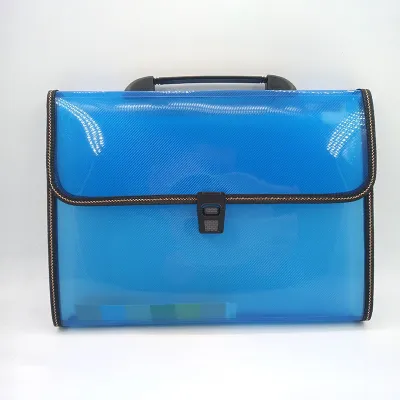
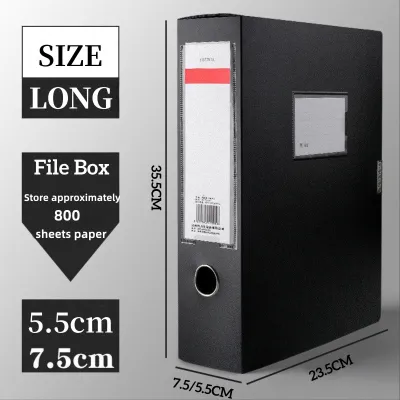
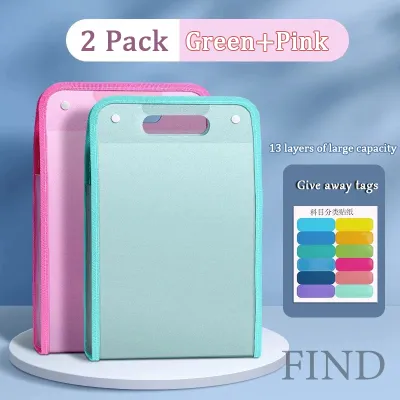
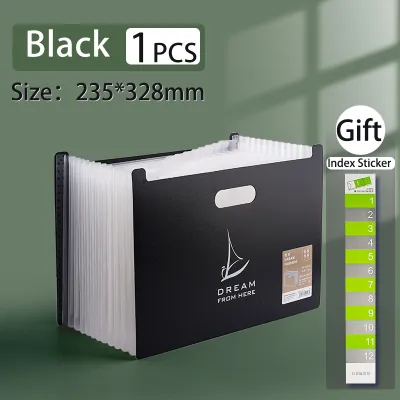
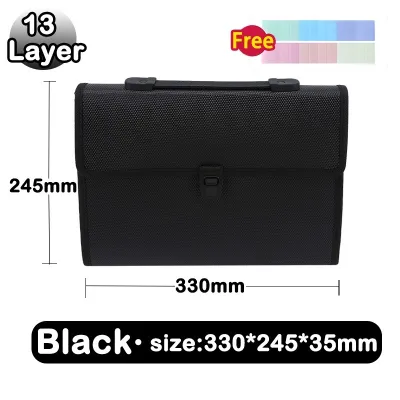
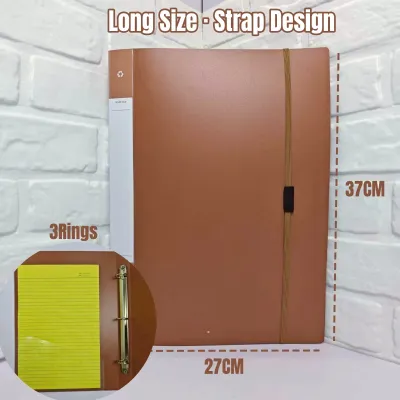

Prices are valid at publication and may change. Please refer to the product page for the latest price.
Finally, evaluate your retrieval frequency to decide between open and closed storage. Daily-use documents, like active invoices or pending delivery receipts, benefit from open-access desk sorters or vertical magazine files that allow for quick grabbing. Conversely, historical records, closed contracts, and audited financial statements are better suited for closed, dust-proof archival boxes stored on high shelves.
Key Features to Evaluate in Document Organizers
Material durability is a primary concern, especially in tropical climates. The high humidity levels in the Philippines can severely affect paper-based storage. Raw, uncoated cardboard and cheap kraft paper tend to absorb moisture from the air, softening over time and potentially transferring dampness to your documents. For non-air-conditioned offices, heavy-duty molded plastic, polypropylene, or vinyl-coated boards offer effective moisture resistance and a longer lifespan.

Weight-bearing capacity is equally important when dealing with large volumes of paper. When filled to capacity, long-size documents exert substantial downward and outward pressure. Look for organizers with reinforced bases, double-walled construction, or welded seams. If you choose plastic folders, check the thickness to ensure the material will not crack or split under the weight of several hundred sheets of long bond paper.
Closure and security mechanisms prevent documents from slipping out during transport. If you frequently carry files between the office, home, or client meetings, secure closures are essential. Elastic band closures are quick and flexible but can lose their elasticity over time in warm climates. Snap buttons provide a positive lock, while full-zippered closures offer a high level of protection against dust, light rain, and accidental drops.
Labeling and indexing options are crucial for maintaining an efficient filing system. Efficient retrieval relies on clear organization. Look for organizers that feature built-in index tabs, clear plastic label pockets on the spine, or color-coded dividers. This allows you to categorize documents by project, client, or date, reducing the time spent searching through thick stacks of paper.
Types of Long-Size Organizers for Office Use
Selecting the right physical format is crucial for streamlining your office workflow. Different organizer types serve distinct purposes, ranging from active, on-the-go document management to secure, long-term archival storage. Understanding these categories helps you build a cohesive filing system that minimizes clutter and protects your valuable records.
Expandable Files and Accordions
Multi-pocket expandable files, often called accordion folders, are excellent for categorizing diverse documents within a single, portable unit. They are highly suitable for managing active project files, monthly utility bills, or client portfolios where documents must remain separated but kept together. The built-in dividers allow you to create a structured filing system that moves with you.
When selecting an expandable file, pay close attention to the gusset expansion width. The gusset is the flexible side panel that stretches as you add more paper. Ensure the gusset is reinforced with fabric or heavy-duty plastic tape along the edges, as these seams bear the most stress and are prone to tearing when the file is fully loaded.
Additionally, verify the depth of the closure flap. A flap that is too short may not cover the top of the folder once it is fully expanded, leaving the edges of your long bond paper exposed to dust or causing the closure mechanism to fail. Look for adjustable elastic cords or deep flaps that accommodate maximum expansion.
Lever Arch Files and Ring Binders
For thick, punched long-size documents that require frequent page turning and referencing, heavy-duty lever arch files and ring binders are the standard choice. They are ideal for housing thick manuals, standard operating procedures, or multi-page contracts that need to lie flat when opened. The lever mechanism allows you to open and close the rings easily, even when holding hundreds of sheets.
It is vital to confirm that the binder spine and internal covers are wide enough to fully enclose long-size paper. Standard binders designed for A4 or Letter size will allow the bottom edge of long bond paper to protrude, leading to bent corners and potential damage. Look for binders specifically labeled for legal or long-size paper, ensuring the covers extend past the 13-inch length of the sheets.
Keep in mind that using ring binders requires your documents to be hole-punched. This makes them unsuitable for original certificates, delicate historical records, or pre-printed forms with narrow margins where punching might destroy important text. For these sensitive items, consider using clear sheet protectors designed for long-size paper before placing them in the binder.
Magazine Files and Desk Sorters
Open-front vertical sorters and magazine files are perfect for managing active, everyday documents directly on your desk or office shelves. They provide instant, barrier-free access to current invoices, pending approvals, or daily reports that do not require secure sealing. By keeping papers upright, they prevent messy stacks from accumulating on your workspace.
When choosing vertical sorters, ensure the internal depth and height are explicitly compatible with long-size paper. Standard magazine holders are often designed for A4 magazines; placing 13-inch long bond paper in them can cause the paper to flop forward, bend, or overhang excessively, which ruins the professional look of your office and damages the sheets.
If desk space is limited, look for interlocking or stackable designs. Some plastic desk sorters can be connected horizontally or stacked vertically, allowing you to expand your storage capacity upward without taking up additional desk real estate. Weighted bases are also beneficial to prevent the sorter from tipping over when loaded with heavy, long-size documents.
Building Your Shortlist: What to Check Before Buying
Before finalizing your purchase, always verify the internal dimensions of the organizer rather than relying solely on generic labels like “long size” or “legal size.” Material thickness, internal seams, and binding mechanisms can reduce the actual usable space inside the folder. Measure your physical documents and compare them against the manufacturer’s detailed internal specifications to ensure a perfect fit.
If you are purchasing organizers in bulk for an entire office from online marketplaces or e-commerce platforms, check the seller’s return and exchange policies. Sizing discrepancies are common, and having a flexible return policy protects your investment if the delivered items do not accommodate your specific long bond paper. It is often wise to order a single sample unit to test the fit and material quality before committing to a large order.
Take the time to read user reviews, focusing specifically on feedback from buyers in the Philippines who mention “long bond paper” or “legal size.” These reviews often provide honest insights into the real-world durability of the plastic, the strength of the snaps or zippers, and whether the folder can handle the local humidity without warping. Pay attention to any mentions of chemical smells or flimsy construction that might affect long-term office use.
Frequently Asked Questions (FAQ)
Can I use A4 or Letter-size organizers for long bond paper?
It is highly discouraged to use A4 or Letter-size organizers for long bond paper. Because long bond paper (13 inches) is significantly longer than A4 (11.7 inches) and Letter (11 inches), the top edges of your documents will protrude from the folder. This leaves them completely exposed to dust, accidental spills, tearing, and folding during handling or transport.
Folding the excess length of your long bond paper to make it fit into smaller organizers is also a poor solution. Folding compromises the professional presentation of business documents, makes them difficult to scan or photocopy later, and can cause the paper fibers to break down over time, risking the archival integrity of important contracts or financial records.
How do I prevent long-size documents from getting damaged in humid environments?
To protect your long-size documents from the high humidity common in tropical climates, store your organizers away from direct sunlight and exterior walls. Exterior walls are prone to temperature fluctuations and condensation, which can create a damp microclimate inside your filing cabinets or shelves, leading to mold growth and paper degradation.
In offices without continuous air conditioning, opt for plastic, polypropylene, or vinyl-coated organizers instead of raw, uncoated cardboard. These materials act as a barrier against ambient moisture. Additionally, conduct periodic checks of your archives, and consider placing silica gel packets inside closed storage boxes to help absorb any trapped moisture.

Community discussion
Share your experience or ask a question. Comments are reviewed before publication.