
Magic waterbooks offer a clean, mess-free introduction to painting, making them a popular choice for early childhood art classes. Generally, these books are appropriate for children starting from the toddler stage at around 1.5 to 2 years old up to early elementary schoolers around 7 to 8 years old. The ideal age depends heavily on fine motor skill development, as the physical act of holding a water pen and coloring within lines evolves significantly during these formative years. To choose the right design complexity for a school art class, you must align the page layout, line thickness, and thematic details with your child’s current grip control and the specific learning objectives set by their teacher.
Selecting the perfect waterbook involves balancing developmental readiness with classroom practicality. In a school setting, where activities are timed and desks are shared, the book must dry quickly and withstand repeated use. By understanding how children of different ages interact with these reusable pages, you can select a tool that encourages artistic confidence without causing frustration.
Matching Age to Motor Skill Development
At the toddler stage, which spans approximately 1.5 to 3 years of age, children primarily interact with their environment through large, sweeping muscle movements. Their grip on a writing utensil is typically a palmar grasp, where they clutch the pen with their entire fist. For these young learners, a magic waterbook serves as an exciting lesson in cause-and-effect rather than a structured coloring exercise. They delight in seeing vibrant colors appear with a simple swipe of a wet brush or thick pen. When choosing a book for this age group, look for chunky, easy-to-grip water pens that accommodate a full-fist hold and pages that reveal large, solid blocks of color with minimal precision required.
Products mentioned in this guide
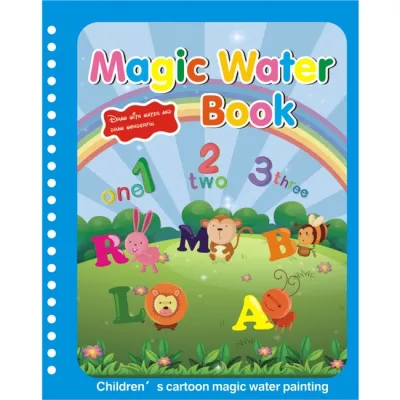
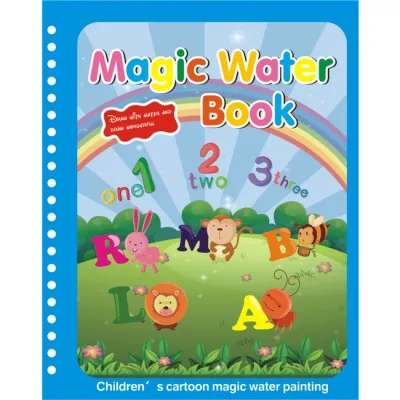
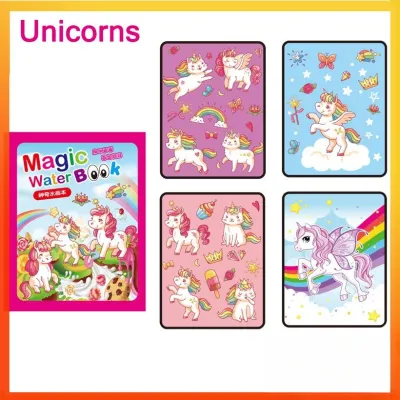
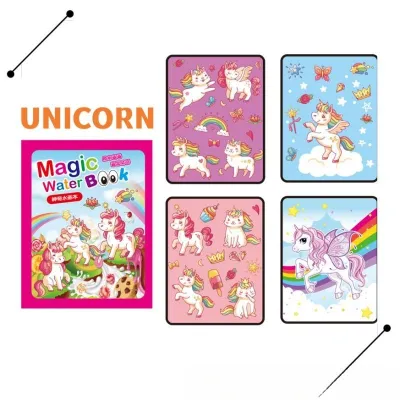
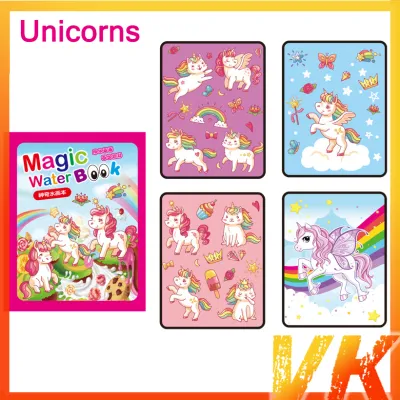
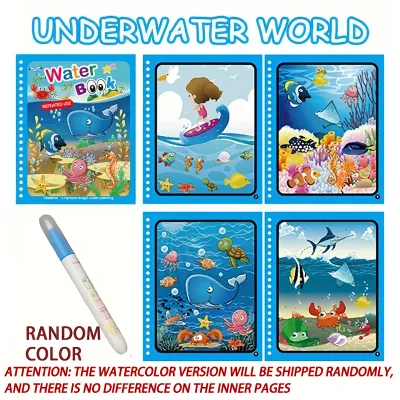
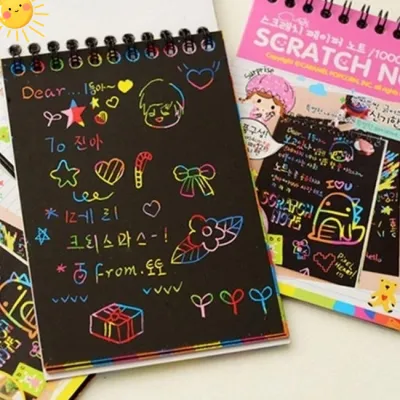
Prices are valid at publication and may change. Please refer to the product page for the latest price.
As children transition into the preschool stage, roughly between 3 and 5 years old, their fine motor skills undergo a significant shift. They begin to move away from the palmar grasp and start practicing the tripod grasp, using their thumb, index, and middle fingers to guide the pen. Hand-eye coordination improves, allowing them to follow simple visual boundaries and attempt to color within specific shapes. Preschoolers enjoy recognizing familiar objects, animals, or letters on the page. For this stage, select waterbooks that feature clear, distinct outlines of individual characters or objects, helping them practice spatial awareness and control over their hand movements.
By the time children reach the early elementary stage, around 5 to 8 years old, they have developed refined fine motor control. They can execute precise coloring strokes, manage smaller details, and express more complex artistic ideas. At this level, simple color-reveal pages might lose their novelty quickly unless they offer a higher level of challenge. Elementary students benefit from intricate patterns, hidden-picture puzzles, or storytelling layouts that require focused attention and deliberate pen strokes. They can also handle thinner, brush-like pen tips that mimic real paintbrushes, preparing them for traditional art mediums.
Safety remains a paramount consideration when selecting any art supply for classroom use, regardless of the child’s age. Always verify that the product packaging carries clear non-toxic material labels, ensuring that the inks and plastics used are safe for prolonged skin contact. For younger children, carefully inspect the water pen for detachable parts, such as small caps or removable tips, which can pose a choking hazard. The pen construction should be sturdy enough to withstand heavy downward pressure, as enthusiastic young artists often press down hard on the page, which can damage fragile tips or cause water to spill.
Choosing the Right Design Complexity for Art Class
The visual layout of a magic waterbook directly influences how a child engages with their art lesson. For beginners who are still developing basic grip and stroke control, pages with simple, bold outlines and large fill areas are ideal. These designs allow children to experience immediate success, as even broad, imprecise strokes will reveal a beautifully colored image. Large fill areas prevent the frustration of trying to color tiny details before their hand muscles are fully developed. This success builds confidence, encouraging them to continue practicing their grip and hand movements in a positive, low-stress environment.

For older children who are ready to practice precision and water-volume control, look for books featuring intricate patterns, scene-based designs, or hidden-object layouts. These complex illustrations require the child to slow down and apply water carefully to specific sections of the page. Managing the amount of water on the pen tip becomes a key part of the activity; too much water can oversaturate the page and cause the colors to bleed together prematurely, while too little water will not fully reveal the hidden design. This level of complexity teaches patience, focus, and delicate hand control, which are essential skills for advanced art projects.
When evaluating different waterbooks, consider the balance between guided and freeform spaces on the pages. Guided spaces, such as pre-drawn coloring pages with defined boundaries, are excellent for teaching structure, shape recognition, and boundary control. On the other hand, freeform spaces or open canvas areas allow children to use the water pen to draw their own original creations. Some advanced waterbooks offer a combination of both, featuring a guided coloring scene on one side and a blank, water-receptive drawing board on the other. This dual-format design supports both structured skill practice and spontaneous creative expression.
It is also highly beneficial to align the waterbook’s theme and activities with the school’s art curriculum. If the class is focusing on nature, look for books that feature forest animals, marine life, or botanical scenes. If the curriculum emphasizes geometric shapes or basic writing preparation, choose a book that incorporates line tracing, pattern matching, or alphabet reveals. Coordinating the book’s content with classroom lessons reinforces what the teacher is presenting, making the waterbook a highly effective educational tool rather than just a quiet-time activity.
Key Features to Check for Classroom Durability
A classroom environment places unique demands on art supplies, making durability a top priority for parents. Start by examining the pen mechanism and seal to ensure it can withstand daily school use. The water reservoir should screw together securely, preferably with a reverse-thread design that prevents children from accidentally opening the pen and spilling water on their desks. The tip of the pen should be firm enough to resist fraying or flattening under pressure, yet soft enough to glide smoothly across the page without scratching the delicate water-reveal coating. A leak-proof valve or seal is essential to prevent water from slowly seeping out when the pen is stored in a pencil case or school bag.
The page material and drying speed are critical factors, especially in tropical climates where high ambient humidity can significantly affect how quickly water evaporates. Look for books with thick, heavy-duty cardboard pages that resist warping when wet. Thin pages can easily bend, tear, or become soggy, which permanently damages the water-reveal layer. The drying speed determines how quickly a page can be reused; in a typical classroom setting, a page that dries within five to ten minutes is ideal, as it allows the child to color the same page multiple times during a single art period or prepare the book for storage before the school bell rings.
The binding and format of the waterbook play a major role in how easily a child can use it on a standard school desk. Spiral-bound books are highly recommended for classroom use because they can fold completely flat, allowing the child to focus on one page at a time without the book constantly trying to pop closed. Glued or pad-style bindings can sometimes be difficult for young hands to keep open, leading to frustration if the pages curl upward while they are trying to color. A flat-laying book also ensures that water does not pool in the central crease, which can cause the binding adhesive to degrade over time.
Finally, consider the overall size and portability of the waterbook. It should be compact enough to fit easily into a standard school backpack alongside notebooks and lunchboxes, without bending or getting crushed. At the same time, the drawing surface must be large enough to accommodate the child’s natural arm movements. A standard medium format, roughly the size of a small tablet or notebook, strikes the perfect balance, providing ample space for artistic expression while remaining highly portable and easy to manage on a crowded classroom desk.
How to Evaluate and Shortlist Options
When shopping for a magic waterbook, whether on shelves or an online marketplace, start by carefully reading the manufacturer labels. Look for official age grading recommendations, which provide a helpful baseline for safety and complexity. Check for recognized safety certifications that indicate the materials have been tested for harmful chemicals and heavy metals. Understanding the material composition is also helpful; books made with sturdy, thick cardboard are often more resilient and environmentally friendly, aligning well with modern school values.
Next, assess the overall value of the included accessories to determine if they justify the purchase price. Some waterbooks come as a complete set, including extra water pens, protective storage pouches, or reusable stencils. An extra pen is incredibly valuable for school use, as it provides an immediate backup if the original pen is misplaced or damaged during class. A dedicated storage pouch helps keep the book and pen together in a backpack, preventing the damp pen from coming into contact with other school papers. Stencils add an extra layer of creative play, allowing older children to practice tracing shapes and creating their own custom scenes.
Before making a final decision, check user feedback and reviews specifically focusing on long-term durability. Look for consistent reports regarding page peeling, pen leakage, or a fading reveal layer. A high-quality waterbook should endure dozens of wet-and-dry cycles without the white reveal coating flaking off or bubbling. If multiple reviews mention that the pages warp easily or that the colors stop appearing after only a few uses, it is best to look for a more robust option.
Setting a clear budget framework helps narrow down your choices while ensuring you get a reliable product. In the local market, prices for magic waterbooks can range from budget-friendly options around ₱150 to premium, feature-rich sets priced up to ₱500 or more. While a lower-priced book might be tempting for a one-time activity, investing a bit more in a mid-range or premium book often yields better paper quality, more durable pens, and a longer overall lifespan. Consider how often your child will use the book in their art class to determine the best balance between cost and durability.
Frequently Asked Questions (FAQ)
Can Regular Paint or Markers Be Used on Magic Waterbook Pages?
No, regular paint, markers, crayons, or colored pencils should never be used on magic waterbook pages. These books rely on a specialized, water-sensitive coating that temporarily becomes transparent when wet to reveal the printed colors underneath. Introducing pigments, dyes, or wax from traditional art mediums will permanently stain or clog this delicate surface, preventing water from penetrating the layer in the future. To preserve the reusable nature of the book, ensure your child only uses clean water with the provided pen or a clean paintbrush.
How to Safely Speed Up the Drying Process Between Classes
To safely dry a magic waterbook for its next use, stand the book upright with its pages fanned out in a well-ventilated area with good air circulation. In humid tropical environments, placing the open book near a gentle fan can help speed up evaporation. Avoid using direct heat sources, such as hairdryers, heaters, or leaving the book in direct, intense sunlight, as extreme heat can warp the cardboard pages, melt the binding glue, or cause the water-reveal coating to crack and peel.
What to Do If the Water Pen Leaks or Stops Flowing
If the water pen stops flowing, first check if the tip is dry or clogged; soaking the tip in clean water for a few minutes can help soften the fibers and restore flow. Ensure the internal reservoir is filled correctly and that the pen is screwed together tightly to maintain proper pressure. If the pen is leaking, check the threads for any debris or damage, and make sure the internal seal is properly seated. If the tip has become permanently frayed or the plastic casing is cracked, it is safest to replace the pen with a compatible spare rather than attempting to tape or glue it.

Community discussion
Share your experience or ask a question. Comments are reviewed before publication.