
Elevating a simple paper bag into a memorable gift presentation relies on balancing the visual weight, texture, and color of the ribbon with the bag’s surface finish. By pairing contrasting or complementary elements—such as matching a rustic matte bag with a textured cotton ribbon, or a high-gloss bag with a sleek satin ribbon—you create a cohesive, intentional design. The key is to ensure the physical weight of the ribbon matches the structural strength of the bag’s handles and paper weight, especially in warm, humid climates where paper stiffness and adhesives can behave differently.
Understanding Paper Bag Finishes and Ribbon Textures
Before selecting a ribbon, observe the surface properties of your paper bag. Matte and uncoated bags have a flat, non-reflective surface that absorbs light, while glossy and coated bags feature a polished, reflective sheen. Textured or embossed bags offer a tactile dimension, featuring raised patterns or ribbed lines that influence how light and shadow interact with the packaging.
Ribbon materials bring their own distinct tactile and visual qualities to the presentation. Satin ribbons are smooth and highly reflective, whereas grosgrain ribbons feature a ribbed, matte texture that offers excellent grip. Burlap and cotton ribbons provide a rustic, organic feel, while sheer organza ribbons add a lightweight, translucent layer of elegance.
Products mentioned in this guide
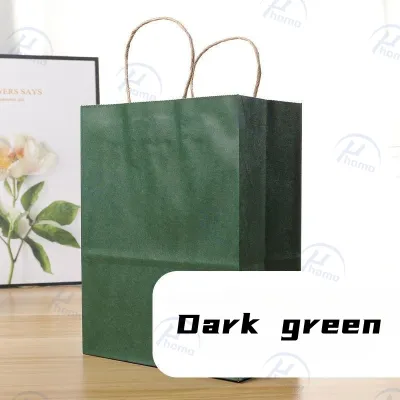
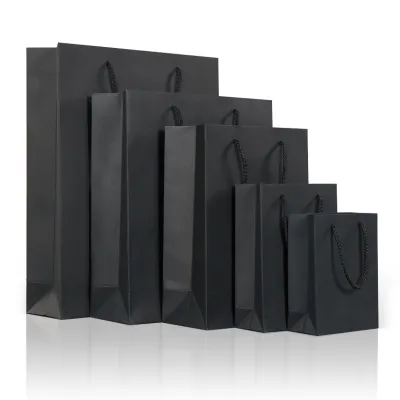
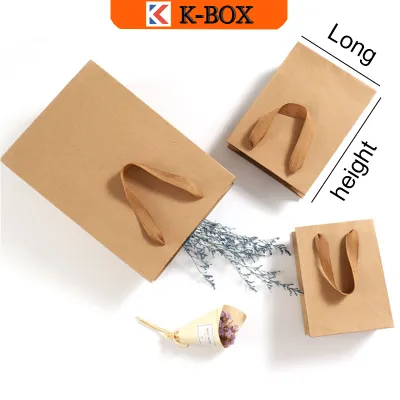
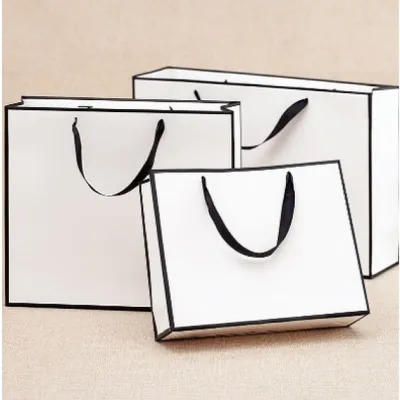
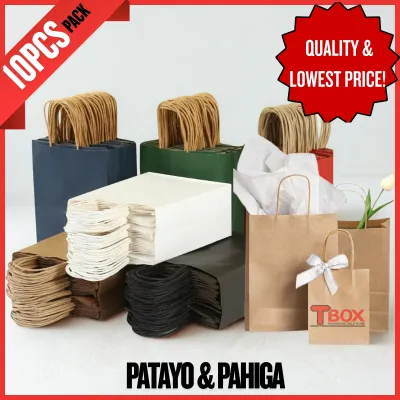
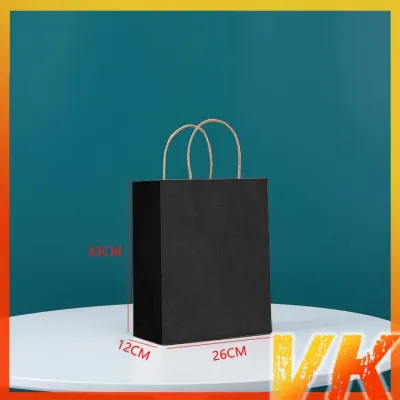
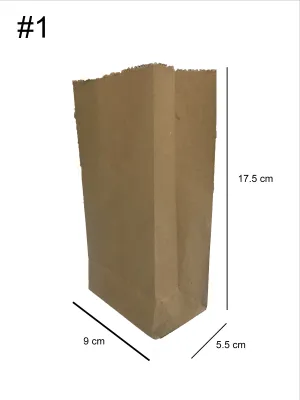
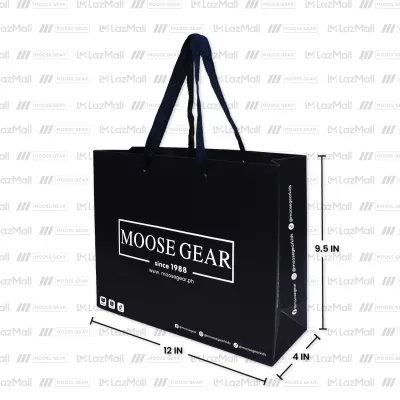
Prices are valid at publication and may change. Please refer to the product page for the latest price.
Beyond aesthetics, you must check the physical compatibility between the ribbon’s thickness and the bag’s handle reinforcement. Heavy, stiff ribbons require robust, reinforced eyelets or thick paper handles to prevent tearing. If the bag features delicate pre-punched holes, a thick or rigid ribbon may distort the paper, making a softer, more pliable ribbon a safer choice.
Pairing Ribbons with Kraft and Matte Paper Bags
Uncoated kraft and matte paper bags offer a natural, understated canvas that benefits from deliberate textural contrast. Pairing a smooth, high-shine satin ribbon against a rough, earthy kraft surface creates an appealing visual and tactile juxtaposition. This contrast elevates the simple, rustic nature of the paper, making it feel intentionally styled rather than basic.

Alternatively, you can complement the organic aesthetic of kraft paper by choosing textured ribbons like cotton, linen, or burlap. This approach reinforces a cohesive, eco-friendly theme, which is highly popular for local artisanal gifts and outdoor celebrations. The key is to match the weight of the ribbon to the thickness of the paper so the package remains structurally balanced.
When coordinating colors, use the bag’s natural brown or white base as your visual anchor. For classic brown kraft, warm earthy tones like forest green, terracotta, or deep navy create a sophisticated, grounded palette. White matte bags offer more flexibility, allowing vibrant pastel or jewel-toned ribbons to stand out sharply without clashing against the background.
Pairing Ribbons with Glossy and Coated Paper Bags
Glossy and coated paper bags demand a careful balance to ensure the final presentation looks polished rather than overwhelming. To achieve a seamless, premium aesthetic suitable for formal corporate events or milestone celebrations, match the bag’s sheen with a sleek, high-quality satin ribbon. This uniform reflection creates a clean, high-end appearance that feels cohesive and carefully curated.
If you prefer to break up the reflective surface, introducing a matte or velvet ribbon provides a striking, deliberate contrast. The light-absorbing quality of velvet or grosgrain softens the intense glare of a glossy bag, adding depth and sophistication to the overall package. This combination works exceptionally well for luxury retail packaging and festive holiday gifts.
Always evaluate the durability of the bag’s handles when working with heavier or stiffer ribbons. Glossy bags often feature die-cut handles or smooth, synthetic cords that can slip or tear under tension. If you are tying a large, structured bow, ensure the bag’s handle area is reinforced with an inner cardboard patch to distribute the weight and prevent the glossy coating from creasing or tearing.
Pairing Ribbons with Patterned and Textured Paper Bags
Patterned and embossed paper bags carry significant visual weight, requiring a restrained approach to ribbon selection to avoid a cluttered look. To create a harmonious design, identify a secondary or minor accent color within the bag’s pattern and match your ribbon to that specific hue. This pulls the design together visually without competing with the dominant background color.
When dealing with busy prints or heavily textured paper, opt for smooth, understated ribbons like classic grosgrain or a simple matte cotton. The clean lines of a solid, texture-neutral ribbon provide a visual resting point, allowing the intricate details of the bag’s pattern to shine. This balance ensures the packaging looks professional and thoughtfully composed.
As a general rule, avoid pairing highly patterned or printed ribbons with complex bag designs unless you are intentionally aiming for a bold, maximalist theme. If you do combine patterns, ensure they differ significantly in scale—such as pairing a wide, simple stripe with a small, dense floral print—to prevent the patterns from visually clashing and straining the viewer’s eyes.
Color Coordination and Attachment Methods
Applying basic color theory helps tailor your gift presentation to specific occasions and emotional tones. A monochromatic color scheme, which pairs different shades of the same color family, offers a modern, sophisticated look ideal for corporate gifting or minimalist aesthetics. For a more vibrant and celebratory feel, complementary color schemes—pairing opposites on the color wheel, such as deep blue with warm copper—create an eye-catching contrast.
The physical method you use to secure the ribbon depends heavily on the bag’s construction. For paper bags with pre-punched holes, a classic double-loop bow or a clean, flat knot works best. Ensure the ribbon is threaded smoothly through the holes without twisting, which can distort the paper and cause uneven tension on the handles.
For bags without handles, or when creating a flat decorative wrap around the body of the bag, adhesives offer a clean, seamless finish. Double-sided tape or adhesive glue dots are excellent choices for securing ribbon ends discreetly. In warm, humid tropical climates, test a small piece of adhesive on a scrap material first, as high humidity can sometimes weaken certain light-duty adhesives over time.
Common Pairing Mistakes to Avoid
One of the most common mistakes in gift presentation is pairing clashing textures that distract from the overall design. For example, combining a highly rustic, coarse burlap ribbon with a delicate, ultra-glossy metallic bag often looks mismatched rather than intentionally contrasted. Ensure your material choices share a common design language or offer a clear, pleasing contrast.
Another critical error is ignoring the structural limits of the paper bag, which can lead to sagging or torn handles. Forcing a thick, stiff wire-edged ribbon through delicate, unreinforced paper holes can easily rip the bag during transport. Always match the weight and stiffness of your ribbon to the structural integrity and paper weight of the bag.
Finally, recognize when a paper bag’s design is already doing the heavy lifting. If a bag features vibrant multi-colored prints, metallic foil accents, and a textured finish, adding a large, elaborate ribbon can overwhelm the presentation. In these cases, a simple, narrow, neutral-toned ribbon tied in a neat, minimalist knot is far more effective than a massive, complex bow.
Frequently Asked Questions (FAQ)
How to Secure Ribbons to Paper Bags Without Handles?
To secure ribbons to a flat-top or handle-less paper bag, you can use double-sided tape or adhesive glue dots to create a clean, flat wrap around the center of the bag. Alternatively, fold the top edge of the bag down and use a standard hole punch to create two clean holes through the folded layers. Thread your ribbon through these custom holes and tie a traditional bow, which simultaneously seals the bag and adds a decorative element.
Can You Wash and Reuse Fabric Ribbons from Gift Bags?
Yes, many high-quality fabric ribbons can be washed and reused, but you must check the material type first. Synthetic ribbons like polyester satin and grosgrain can be gently hand-washed in cool water with a mild detergent, then laid flat to air dry. Delicate materials like organza, silk, or velvet require extra care; avoid wringing or twisting them, and gently press them between dry towels to remove excess moisture before air drying to preserve their texture.

Community discussion
Share your experience or ask a question. Comments are reviewed before publication.