
Purple is a color of depth, creativity, and calm, making it a highly sought-after shade for journal enthusiasts. Whether you are building a dreamy lavender spread, a moody plum layout, or a vibrant violet weekly planner, the right purple stickers can transform a blank page into a personal sanctuary. However, choosing the right sticker involves more than just picking a pleasing shade. The finish of the sticker—whether matte, holographic, or glossy—fundamentally alters how the color interacts with light, how the sticker feels to the touch, and how well it integrates with your journal’s paper.
In tropical climates like the Philippines, where high humidity can affect paper fibers and adhesive strength, selecting the right sticker finish requires a bit of practical strategy. A sticker that looks beautiful in a dry environment might curl at the edges or cause thin journal pages to warp when exposed to moisture in the air. Understanding the physical properties of each finish ensures your creative layouts remain intact and vibrant for years to come. By evaluating how these finishes behave under different conditions, you can make informed decisions that elevate your journaling experience.
Understanding Sticker Finishes for Journaling
Matte stickers offer a soft, non-reflective surface that blends almost seamlessly into paper. Because they lack a shiny coating, they absorb light rather than reflecting it, which gives purple hues a muted, organic, and sophisticated appearance. This finish is highly tactile, often feeling like high-quality drawing paper or smooth washi tape. For journalers who prefer a subtle aesthetic where the sticker looks like it was printed directly onto the page, matte is the traditional choice. It is also the most forgiving finish when it comes to writing, as the porous surface accepts most pen inks without smudging.
Products mentioned in this guide
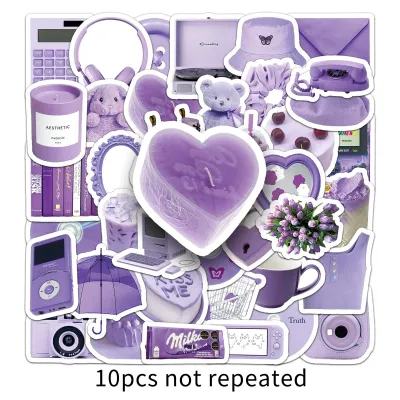
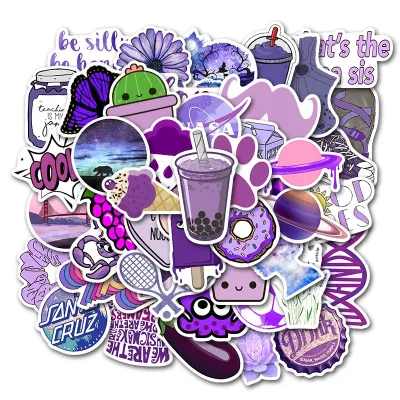
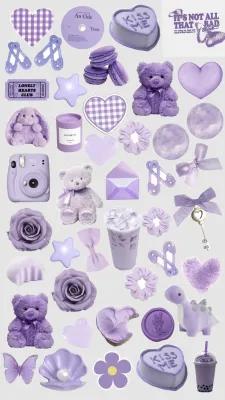
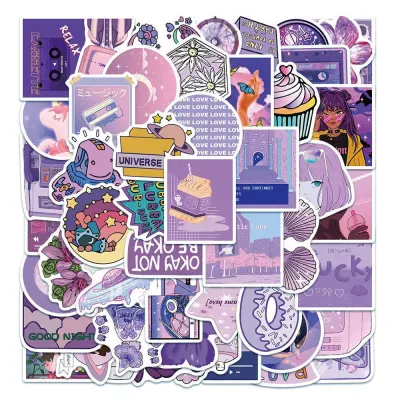
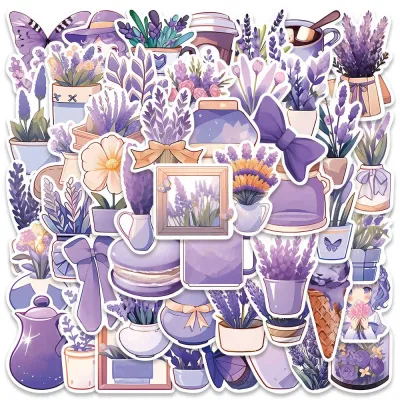
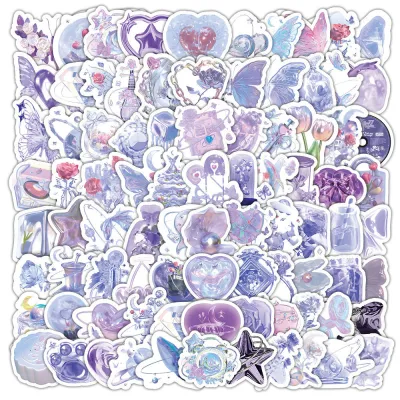
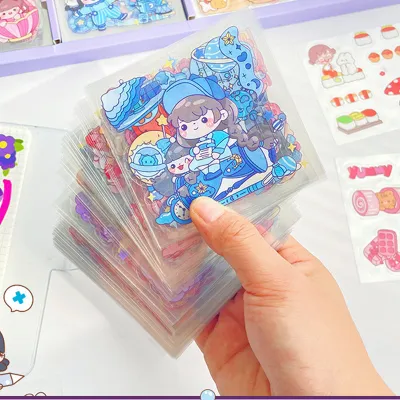
Prices are valid at publication and may change. Please refer to the product page for the latest price.
Holographic stickers, by contrast, are designed to capture attention by shifting colors when they catch the light. These stickers feature a specialized metallic layer that splits light into a rainbow spectrum, overlaying your chosen purple designs with shimmering shifts of pink, blue, and silver. Tactilely, holographic stickers are thicker and stiffer than matte options due to the multi-layered film required to create the holographic effect. While they add an undeniable sense of magic and modern flair to a layout, their reflective nature means they will dominate any page they are placed on, making them excellent focal points but challenging background elements.
Glossy stickers provide a high-shine, polished finish that makes purple pigments appear exceptionally vibrant and saturated. The smooth, reflective coating acts like a protective barrier, giving the sticker a photo-like quality that pops off the page. When you run your fingers over a glossy sticker, you will feel a slick, plastic-like surface that is highly resistant to minor splashes of water. However, this slickness comes with a trade-off: glossy surfaces are notorious for repelling water-based inks, meaning standard gel pens and fountain pens will smudge easily if used directly on or near the sticker’s edge.
The durability and physical behavior of these finishes also vary based on their material thickness. Matte stickers, especially those made from paper or thin washi material, are lightweight and flexible, allowing them to conform easily to the texture of your journal pages without lifting. Glossy and holographic stickers are typically made from vinyl or polyester films, which are inherently thicker and more rigid. In humid conditions, these thicker materials can sometimes resist bending, putting extra strain on the adhesive and causing the edges to lift if the journal is closed tightly or if the paper underneath flexes due to moisture absorption.
Matching the Finish to Your Journaling Style
For minimalist and text-heavy layouts, matte purple stickers are almost always the preferred choice. When your journal pages are filled with daily reflections, bulleted lists, and neat handwriting, you want decorative elements that complement your words rather than distracting from them. Matte stickers, particularly in soft lavender or dusty lilac shades, can be written over with fine-liner pens, allowing you to layer text directly on top of the designs. This creates a cohesive, integrated look where the stickers serve as gentle background accents or functional headers that do not compete with your handwriting for visual dominance.

If your journaling style leans toward scrapbooking, collage, or highly decorative spreads, holographic purple stickers offer an excellent way to add dimension. These stickers work beautifully as focal points in celestial, fantasy, or retro-themed layouts, where the shifting colors mimic the night sky or futuristic neon lights. Because holographic stickers are visually active, you can use them sparingly to draw the eye to specific areas of your page, such as a weekly goal or a special memory. Pairing a single holographic purple butterfly or star sticker with more subdued matte elements creates a balanced contrast that keeps your layout dynamic.
Vintage, retro, and mixed-media journals benefit greatly from the distinct contrast that glossy purple stickers provide. In a spread filled with textured kraft paper, torn book pages, and matte ephemera, a glossy sticker acts as a deliberate, polished highlight. It mimics the look of old-fashioned glossy photographs or varnished seals, adding a tactile layer of interest to the collage. The high color saturation of glossy finishes ensures that deep plum, eggplant, and violet tones remain rich and striking, preventing them from looking washed out when layered over darker, textured backgrounds.
Your choice of finish also dictates how you interact with your journal on a daily basis. If you enjoy the tactile sensation of turning soft, paper-like pages, a journal filled entirely with thick, glossy, or holographic vinyl stickers might feel overly bulky and stiff. Conversely, if you use your journal as a creative sketchbook where you experiment with watercolor washes or heavy ink layers, the water-resistant properties of glossy and holographic stickers can be used strategically to mask off areas of the page or protect specific designs from accidental spills.
Key Factors to Check Before Buying Purple Stickers
Before purchasing a new pack of purple stickers, it is essential to evaluate how their physical properties align with your journal’s paper weight. Standard journal pages, particularly those ranging from 80 gsm to 100 gsm, are relatively thin and susceptible to warping when heavy or rigid stickers are applied. If you plan to use thick glossy or holographic vinyl stickers, ensure your journal features heavier paper, such as 120 gsm or 160 gsm, which can support the weight and stiffness of these materials without buckling. For thinner paper, lightweight matte paper stickers or washi-style stickers are much safer options.
The type of adhesive used on the stickers is another critical factor that influences your journaling experience. Permanent adhesives create a strong, lasting bond with the paper fibers, which is excellent for ensuring your layouts remain intact over time, but leaves no room for error during placement. If you like to experiment with layouts before committing, look for stickers labeled as repositionable or removable. These allow you to gently peel and adjust the sticker without tearing the delicate surface of your journal pages, though you should verify their hold on textured or highly absorbent papers.
Understanding the difference between cutting styles can also save you time and frustration during your journaling sessions. Die-cut stickers are cut individually through both the sticker material and the backing paper, resulting in single, loose stickers that are highly portable but can sometimes be tricky to peel. Kiss-cut stickers are cut only through the top sticker layer, leaving the backing sheet intact. This style is common for sticker sheets, making it incredibly easy to peel multiple designs in quick succession, which is ideal for rapid weekly planning or setting up complex layouts.
Finally, always check the manufacturer’s specifications regarding color accuracy and material safety. Purple is a notoriously difficult color to print consistently, as subtle shifts in ink balance can turn a warm plum into a cold blue-grey. Reading product descriptions carefully and checking user-submitted photos can help you verify if the actual sticker matches the shade of purple you need for your theme. Additionally, look for acid-free and lignin-free specifications, especially if you want to preserve your journal for decades, as acidic adhesives can yellow your paper and fade the sticker pigments over time.
Building a Versatile Purple Sticker Shortlist
To build a versatile collection of purple stickers that serves all your journaling needs, aim for a balanced ratio of base stickers and accent stickers. Matte stickers should form the foundation of your collection, as their writeability and subtle appearance make them incredibly versatile for daily use. You can use matte purple functional shapes, such as grid squares, habit trackers, and floral borders, to structure your pages. Once your base layout is established, you can introduce holographic or glossy stickers as high-impact accents to highlight key dates, titles, or decorative focal points.
When browsing online craft stores or local stationery shops, pay close attention to how listings describe their materials. Look for terms like “matte paper” or “washi paper” for your base stickers, and “PET plastic,” “vinyl,” or “holographic laminate” for your accent stickers. Be cautious of listings that use vague terms like “shiny paper,” as this can indicate low-quality coatings that may crack or peel over time. Checking customer reviews for mentions of adhesive strength and color vibrancy under different lighting conditions will help you avoid disappointing purchases.
Budget is another practical consideration when curating your sticker shortlist. In the local market, sticker prices can range from budget-friendly sheets costing around ₱30 to premium, artist-designed die-cut packs that can go up to ₱150 or more. To get the most value for your money, consider purchasing larger sticker sheets for your everyday matte functional elements, and investing in smaller, high-quality individual die-cut holographic or glossy stickers for special decorative touches. This approach allows you to maintain a beautiful, diverse collection without overspending.
Ultimately, the most effective way to find your ideal sticker combination is through hands-on experimentation. Keep a small test page at the back of your journal where you can apply samples of different finishes, test how your favorite pens write over them, and observe how the adhesive holds up against the local humidity over a few weeks. This simple practice will give you the confidence to create stunning, long-lasting purple layouts that bring joy every time you open your journal.
Frequently Asked Questions (FAQ)
Can I write on holographic or glossy purple stickers?
Writing on holographic or glossy purple stickers is possible, but it requires selecting the right type of pen to avoid smudging. Because these finishes feature non-porous, plastic-like coatings, standard water-based gel pens, fountain pens, and water-based markers cannot penetrate the surface and will pool or smear. To write on these slick surfaces, you should use permanent markers, oil-based ballpoint pens, or specialized multi-surface fine-liners. Always allow the ink to dry completely for several minutes before touching the sticker or closing your journal, and perform a quick test on a scrap piece of the sticker backing to verify ink compatibility.
How do I prevent sticker edges from lifting in my journal?
To prevent sticker edges from lifting, start by ensuring your journal pages are clean, dry, and free of oils from your hands. When applying thick glossy or holographic stickers, press down firmly from the center outward to expel any trapped air and secure the adhesive bond. If you are journaling in a highly humid environment, the natural moisture in the air can cause paper pages to expand slightly, which pulls against rigid sticker backings; keeping your journal stored flat under a heavy book can help train the pages and stickers to stay flat. For stubborn edges, a tiny dab of acid-free paper glue or double-sided tape can provide the extra hold needed to keep your layouts looking pristine.

Community discussion
Share your experience or ask a question. Comments are reviewed before publication.