
Maximizing a small home office requires a strategic approach to vertical space and physical organization, especially when managing physical paperwork. Choosing the right hanging file folder rack is not just about finding a container for your documents; it is about selecting a system that integrates seamlessly into your daily workflow without encroaching on your limited floor or desk area. In compact working environments, such as urban condominiums or shared study spaces, every square centimeter counts. A well-chosen rack keeps active documents within arm’s reach, prevents paper clutter from taking over your desk, and protects important records from physical damage.
Assessing Your Space and Filing Needs
Before browsing online marketplaces, you must conduct a thorough assessment of your physical workspace and the specific nature of your documents. Begin by taking precise measurements of your designated office area. If you are considering a desktop solution, measure the depth and width of your desk, noting how much surface area you can realistically dedicate to filing without restricting your computer setup or writing space. For floor-standing or wall-mounted options, measure the available floor footprint and vertical clearance, keeping in mind that doors, drawers, and chairs need room to move freely.
Document volume and paper sizes are equally critical factors. In the Philippines, office documents typically come in two dominant sizes: short (Letter size, 8.5 by 11 inches) and long (often Folio or Legal size, 8.5 by 13 inches). Standardizing your filing system starts with identifying which of these sizes dominates your paperwork, as many hanging file folder racks are designed specifically for one size or require adjustable rails to accommodate both. If you regularly handle a mix of short, long, and A4 documents, you will need a highly versatile rack that can be configured to prevent smaller folders from slipping off the rails.
Products mentioned in this guide
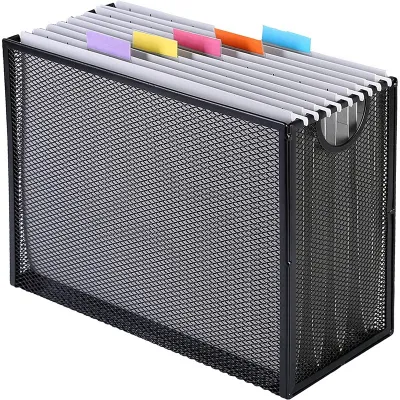
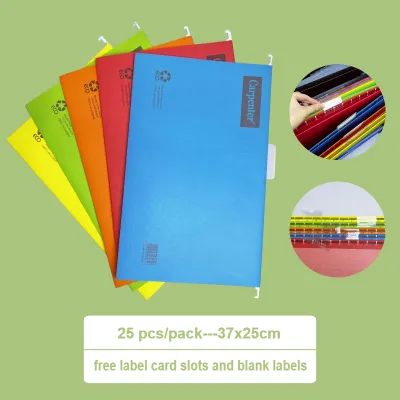
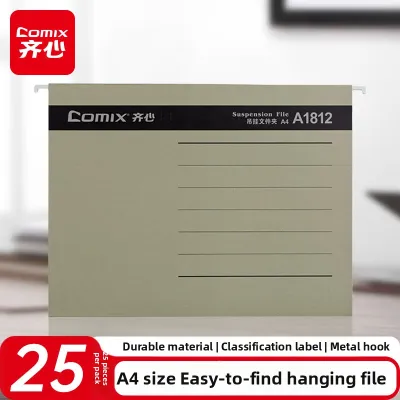
Prices are valid at publication and may change. Please refer to the product page for the latest price.
Furthermore, the tropical climate of the Philippines introduces unique challenges for paper storage. High relative humidity can cause loose sheets to absorb moisture, leading to warping, sagging, and eventually mold growth. When assessing your space, ensure your chosen location allows for adequate air circulation. Avoid placing racks directly against external concrete walls, which can sweat or transfer dampness during the heavy rains of the monsoon season. Keeping your files slightly elevated and spaced out within the rack will help preserve the integrity of the paper over time.
Finally, distinguish between your active files and archival documents. Active files—such as current billing statements, ongoing project contracts, or daily school worksheets—require immediate, effortless access. Archival documents, like tax records or historical receipts, can be stored in deeper, less accessible areas. If your primary need is quick retrieval during the workday, a compact desktop or mobile solution is ideal. For long-term storage, a denser, tucked-away system will serve you better while keeping your primary workspace clear.
Types of Hanging File Folder Racks for Compact Spaces
Hanging file folder racks come in several distinct form factors, each offering unique spatial trade-offs. Understanding how these designs interact with your room layout and daily habits is key to choosing a system that enhances, rather than hinders, your productivity.

Desktop and Step Racks
Desktop and step racks are designed for immediate accessibility, placing your most critical documents directly within your line of sight. These organizers typically feature a tiered or stepped design, where each successive folder sits slightly higher than the one in front of it. This configuration maximizes tab visibility, allowing you to identify and retrieve specific files in seconds without having to flip through a deep drawer.
However, because these racks sit directly on your desk, they demand a portion of your primary work surface. It is essential to consider the weight distribution of a fully loaded desktop rack. Paper is deceptively heavy; a step rack packed with thick folders can put significant stress on lightweight MDF or glass desks. To prevent bowing or instability, look for models with wide, flat bases that distribute weight evenly across the desk surface.
While highly efficient for active workflows, desktop racks have strict capacity limits. Attempting to overload a small step rack not only compromises its stability but also defeats the purpose of the tiered design by crowding the folders and obscuring the tabs. If your filing needs exceed fifteen to twenty active folders, relying solely on a desktop organizer may lead to a cluttered, cramped desk environment.
Rolling Carts and Mobile Racks
For home offices that double as bedrooms or living areas, rolling carts and mobile racks offer exceptional flexibility. These units typically feature a sturdy metal frame equipped with caster wheels, allowing you to roll the entire filing system under your desk when working and pull it out when you need to access your documents. This mobility is particularly useful in tight spaces where permanent floor fixtures are impractical.
When evaluating a rolling cart, the quality of the wheels is paramount. Look for durable casters that roll smoothly over your specific flooring, whether you have ceramic tiles, vinyl planks, or polished concrete. At least two of the wheels must feature reliable locking mechanisms to keep the cart securely in place during use, preventing it from drifting when you pull out a heavy folder.
Mobile racks offer high vertical storage density, often featuring multiple tiers or integrated bottom shelves for extra office supplies. However, this vertical design introduces stability risks. As you fill the upper rails with heavy paper, the center of gravity shifts upward. To mitigate the risk of tipping, always load the heaviest files on the bottom level first and verify that the frame remains stable when the cart is in motion.
Wall-Mounted and Under-Desk Solutions
When floor and desk space are virtually non-existent, wall-mounted and under-desk racks allow you to utilize “dead” space effectively. Wall-mounted organizers lift your files completely off your furniture, transforming empty wall real estate into a functional filing station. Under-desk brackets or hanging baskets slide onto the underside of your desktop, keeping files hidden from view but still within arm’s reach.
Installation of these systems requires careful preparation and compatibility checks. In many Philippine homes and condominiums, walls are constructed from solid concrete or concrete hollow blocks. Mounting a rack onto these surfaces requires a masonry drill bit, plastic wall plugs (commonly referred to as tox plugs), and sturdy screws to ensure the rack does not pull away from the wall under the weight of your files. If you are mounting to drywall or wooden partitions, you must locate the studs or use specialized heavy-duty anchors.
Ergonomics should also guide your installation height. A wall-mounted rack placed too high will make it difficult to read folder labels, while one mounted too low may force you into uncomfortable bending positions. For under-desk solutions, ensure there is sufficient clearance for your knees and thighs when you are seated in your office chair, preventing painful bumps during the workday.
Key Features to Evaluate Before Buying
Selecting the right hanging file folder rack requires looking beyond aesthetics to evaluate the physical construction and functional specifications of each model. The frame material is your first line of defense against wear and tear. Wire mesh, solid steel tubing, and molded plastics are the most common options. Solid steel tubing offers the highest weight capacity and structural rigidity, making it ideal for heavy-duty filing. Wire mesh is lighter and provides excellent visibility and airflow, which is highly beneficial for preventing moisture buildup in humid environments.
Rust resistance is a critical specification to verify, especially in tropical climates. Untreated or poorly painted metal frames can quickly corrode when exposed to high humidity, leaving unsightly rust stains on your folders and potentially damaging your documents. Look for product descriptions that explicitly mention powder-coated finishes, chrome plating, or rust-resistant treatments. If you choose a plastic rack, ensure the plastic is thick and rigid enough to resist bending under a full load of paper.
Folder compatibility is another area where many buyers make mistakes. Not all racks are universal. You must verify the precise rail spacing and hook design requirements of the rack against the hanging folders you plan to use. Some racks are fixed to accommodate standard Letter-size folders, while others feature adjustable rails that can slide to fit Legal, Folio, or A4 sizes. If you are purchasing folders and a rack separately, double-check the product dimensions to ensure the folder hooks will sit securely on the rack rails without slipping off or binding.
Assembly requirements should also influence your decision. Many compact racks are shipped flat-packed to save on delivery costs, requiring you to assemble them at home. Look for models that offer tool-free assembly or include all necessary hardware and clear instructions. If you anticipate moving your office or expanding your storage in the future, consider modular designs that allow you to stack or connect multiple units as your filing needs grow.
Decision Matrix: Matching Rack Types to Your Office Layout
To finalize your choice, match your specific office layout and daily workflow to the most compatible rack type. If you work at a small writing desk with zero floor space to spare, a compact desktop step rack is your best option, provided you limit its contents to your absolute most critical daily files. For those with a bit of open floor space next to or beneath their desk, a rolling cart offers the perfect balance of high capacity and out-of-sight storage. If you have absolutely no desk or floor space to spare, a wall-mounted rack is the logical choice, provided you have the tools and permission to drill into your walls.
Be alert to red flags that indicate a specific rack will fail in your environment. For example, placing a heavy steel rolling cart on a sloped or highly uneven tile floor can lead to constant drifting or tipping hazards if the wheels do not lock securely. Similarly, mounting a high-capacity rack onto thin plywood partitions without proper structural reinforcement is a recipe for sagging walls and falling files.
Before adding any item to your cart on your preferred online marketplace, perform a final round of verification. Measure your designated space one last time and compare it directly to the product’s listed dimensions. Read through customer reviews to check for common complaints regarding missing assembly hardware, flimsy rails, or poor packaging during transit. Finally, review the seller’s return policy to ensure you can easily exchange the product if it arrives damaged or does not fit your hanging folders as expected.
Frequently Asked Questions (FAQ)
Can I use standard hanging folders in a desktop step rack?
Yes, but compatibility depends entirely on the specific dimensions of both the rack and the folders. Standard hanging folders are designed to hang from two parallel rails, relying on the hooks built into the folder’s top edges. Many desktop step racks are built with standard rail spacing to accommodate these hooks directly. However, some smaller or decorative step organizers are designed for loose folders or envelopes and lack the necessary side rails to support hanging hooks. Always check the manufacturer’s specifications to verify if the rack features dedicated hanging rails and matches your specific paper size, whether it is Letter, A4, or long Folio.
How do I prevent a rolling file cart from tipping over?
Preventing a rolling file cart from tipping over requires proper weight distribution and mindful handling. Always load your heaviest files, such as thick binders, reference manuals, or archived tax documents, onto the lowest shelf or tier of the cart first. This keeps the center of gravity low, significantly increasing the cart’s stability. When moving the cart, push it slowly from the middle of the frame rather than pulling it from the top, and ensure the path is clear of cords or rug edges. Finally, always engage the wheel locks when the cart is parked, especially on hard, smooth surfaces like ceramic tiles or vinyl planks.

Community discussion
Share your experience or ask a question. Comments are reviewed before publication.