
The choice between a mechanical pencil and a traditional wooden pencil depends on whether you prioritize consistent line precision or tactile feedback and shading flexibility. For daily writing, mechanical pencils offer the convenience of a constant line width without sharpening, while wooden pencils provide a lightweight, organic grip and a highly customizable tip. In the Philippines, where daily writing tasks range from school exams to office paperwork, local environmental factors like high humidity can affect how paper absorbs graphite. Choosing the right tool involves looking at writing comfort, maintenance routines, and long-term costs.
Core Differences in Writing Feel and Control
Mechanical pencils use thin, standardized lead refills (typically 0.5mm or 0.7mm) held by an internal clutch. This mechanism ensures that your handwriting remains uniform from the first word to the last, making it ideal for filling out tight grids, ledger books, or small-print notes. In contrast, a wooden pencil’s graphite core wears down as you write. This creates a natural transition from a sharp, crisp line to a broader, softer stroke, which is highly valued for sketching, shading, or expressive handwriting.
The physical body of the pencil significantly impacts hand fatigue during long writing sessions. Mechanical pencils often feature heavier barrels made of plastic, silicone, or metal, with weight concentrated near the tip or distributed evenly. Some models include textured rubber or knurled metal grips to prevent slipping when hands get sweaty in warm tropical weather. Wooden pencils, carved from lightweight cedar or alternative woods, offer a classic hexagonal or round shape. They are exceptionally light, reducing wrist strain, and their balance shifts naturally as the pencil is sharpened down.
Products mentioned in this guide
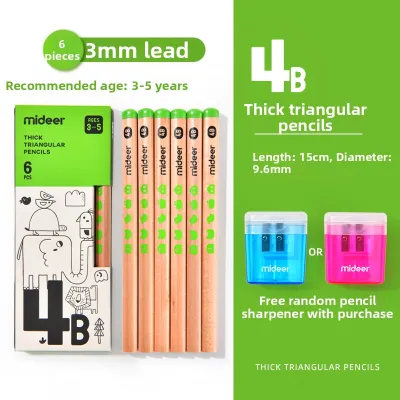
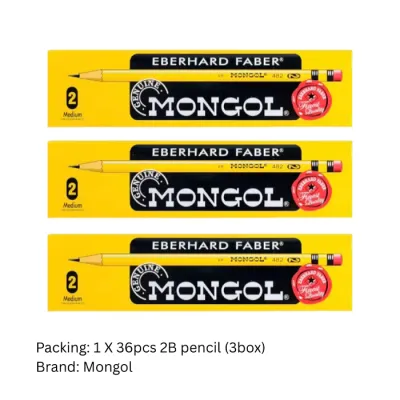
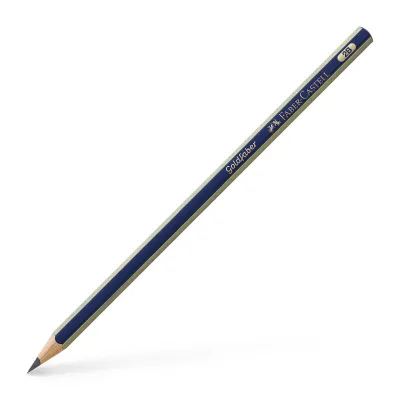
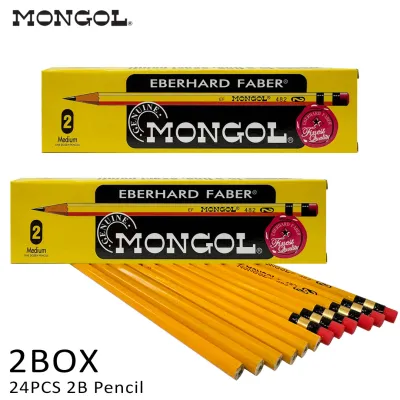
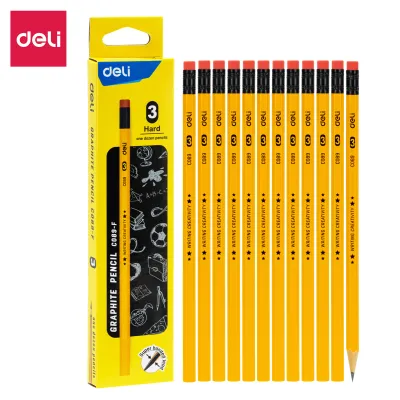
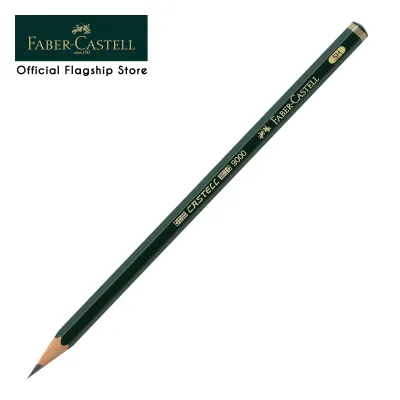
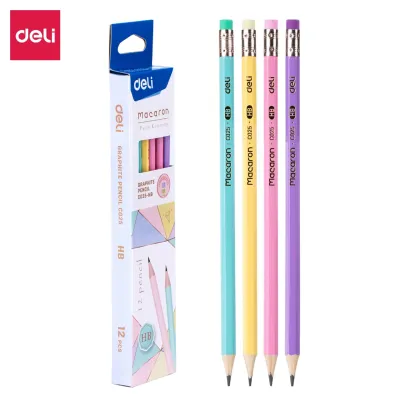
Prices are valid at publication and may change. Please refer to the product page for the latest price.
Writing feedback—the tactile sensation of the pencil moving across the paper—is not determined by the pencil body alone, but by the interaction between the lead grade and the paper surface. In humid climates, paper fibers can soften slightly, altering how graphite adheres. To find your ideal setup, test different lead hardness grades. An HB lead offers a balanced, medium-dark line with moderate resistance, while a 2B lead is softer, darker, and glides more smoothly, though it may wear down faster and smudge more easily on damp paper.
When choosing between these two options, consider the binding and paper quality of your notebooks. Standard school notebooks with thin paper may experience ghosting or slight tearing if you use a very sharp, fine-tipped 0.5mm mechanical pencil with heavy pressure. Conversely, a wooden pencil with a slightly rounded tip distributes pressure over a wider surface area, making it gentler on delicate paper sheets. Testing your pencil on a back page of your notebook helps verify how the paper handles the tip pressure and graphite density before you commit to a full writing session.
Convenience, Portability, and Daily Maintenance
The daily upkeep of your writing tool dictates its convenience in fast-paced environments. Mechanical pencils utilize a click-advance mechanism, usually operated by pressing the top cap or a side button, allowing you to continue writing without interruption. They also typically feature a small, replaceable eraser tucked under the cap. Wooden pencils require a manual or electric sharpener to expose new graphite. This process produces wood shavings that must be disposed of, and the built-in pink erasers on wooden pencils can dry out and harden over time, requiring a separate block eraser for clean corrections.

Carrying your stationery safely in a bag or pocket requires careful consideration of the pencil’s tip. A sharpened wooden pencil has an exposed, fragile point that can easily snap under pressure or poke through thin fabric, leaving graphite stains inside your bag. Many mechanical pencils address this issue with retractable lead sleeves or protective caps. When not in use, clicking the mechanism while pressing the tip against a surface retracts the metal sleeve entirely, preventing it from bending or puncturing your pockets.
Both pencil types require specific care to remain functional. For mechanical pencils, the primary maintenance task is clearing lead jams, which occur when tiny fragments of graphite break inside the internal clutch or lead tube. Keeping a thin clearing pin (often found on the underside of replacement eraser caps) helps push these blockages out. For wooden pencils, maintenance revolves around managing shavings and ensuring your sharpener blade remains sharp; a dull blade will tear the wood and fracture the internal graphite core before you even begin writing.
Eraser performance also varies significantly between the two styles. The small erasers built into mechanical pencils are highly precise for correcting single letters or numbers, but they wear down quickly and can be difficult to replace once the specific model’s refills are out of stock. Wooden pencil erasers, while convenient, often degrade due to exposure to heat and humidity, sometimes leaving pink smudges instead of erasing cleanly. For both options, keeping a high-quality, independent vinyl or dust-free block eraser in your pencil case ensures clean corrections without damaging the paper fibers.
Evaluating Long-Term Cost and Refill Availability
When planning your stationery budget, the initial purchase price must be weighed against ongoing expenses. A durable mechanical pencil body can range from a budget-friendly ₱50 to over ₱500 for professional drafting models. Once purchased, your only recurring costs are lead refills (usually sold in tubes of 12 to 40 pieces for ₱30 to ₱100) and replacement erasers. This makes the mechanical option highly economical over several years, provided you do not lose the pencil body.
Wooden pencils present a very low entry barrier, often sold in packs of three to twelve for ₱20 to ₱80. However, because the entire body of the pencil is consumed during the sharpening process, you must replace the entire unit once it becomes too short to hold comfortably. Over a year of heavy daily writing, the cost of repeatedly buying new packs of wooden pencils and replacing worn-out sharpeners can equal or exceed the cost of a single mid-range mechanical pencil and a few tubes of lead.
Before committing to a specific system, verify what supplies are readily available in your local neighborhood bookstores or online marketplaces. Standard wooden pencils (usually yellow No. 2 or HB models) are ubiquitous and can be found in almost any small convenience store. Mechanical pencil refills, however, require matching the exact diameter of your pencil’s mechanism. While 0.5mm and 0.7mm leads are widely stocked in most stationery shops, specialized sizes like 0.3mm, 0.9mm, or 2.0mm may require ordering from specialized online retailers, which adds shipping fees and waiting times.
Decision Framework: Which Pencil Fits Your Routine?
You should opt for a mechanical pencil if your daily routine demands clean, uniform lines without the interruption of sharpening. This is particularly true for students taking detailed notes in lecture halls, office workers filling out compact forms, or anyone who prefers a reusable tool with a consistent weight and balance. It is also the ideal choice if you want to avoid carrying a separate sharpener and managing wood shavings throughout the day.
A traditional wooden pencil is the better fit if you appreciate a lightweight, organic writing feel and enjoy the tactile feedback of wood. It is excellent for those who vary their writing pressure to create different line weights, or who use their pencils for both writing and quick conceptual sketching. Additionally, if you frequently misplace your stationery, the low replacement cost of a wooden pencil offers peace of mind without a significant financial loss.
Before making your final decision, verify the specific requirements of your daily tasks. For example, if you are preparing for standardized national exams in the Philippines, check the official guidelines; many optical mark recognition (OMR) answer sheets specifically require a traditional No. 2 or HB wooden pencil to ensure the scanner reads the marks correctly. Similarly, if you write with heavy hand pressure, verify whether a mechanical pencil’s lead sleeve can withstand your writing style without constantly snapping the thin lead, or if a thicker 0.7mm or 0.9mm lead size is necessary to prevent breakage.
Frequently Asked Questions (FAQ)
Can I use mechanical pencil lead in a wooden pencil?
No, you cannot use mechanical pencil lead refills in a wooden pencil. Wooden pencils feature a thick, solid graphite and clay core (usually 2.0mm or thicker) that is permanently bonded to the wooden casing during manufacturing. Mechanical pencil leads are extremely thin (typically 0.5mm or 0.7mm) and lack the structural strength to be used without the support of a mechanical pencil’s internal metal or plastic sleeve. Attempting to insert thin refills into a hollowed-out wooden barrel will only result in immediate breakage.
Which pencil type is less likely to smudge for left-handed writers?
Smudging is primarily determined by the hardness of the graphite lead rather than the type of pencil body you use. Left-handed writers, whose hands naturally drag across freshly written text, should look for harder lead grades such as H, 2H, or a high-quality HB. These harder leads contain more clay binder, making them less prone to transferring onto your skin or smearing across the page, especially in humid tropical conditions. When using a mechanical pencil, you can easily swap out a soft 2B lead for a smudge-resistant H lead to keep your pages clean.
Do mechanical pencils break more easily when dropped?
Yes, mechanical pencils are generally more vulnerable to damage from drops than wooden pencils. A hard impact on a concrete floor can bend the delicate metal lead sleeve at the tip, misaligning the internal clutch and rendering the pencil unusable. The internal plastic or metal gears can also crack or jam. A wooden pencil, being a solid piece of wood surrounding a flexible graphite core, easily absorbs drops without structural failure, though a severe impact can occasionally fracture the internal lead, causing it to break repeatedly during subsequent sharpenings.

Community discussion
Share your experience or ask a question. Comments are reviewed before publication.