
The choice between a mechanical pencil and a traditional wooden pencil—often referred to as a pensel—depends on whether you prioritize continuous line precision or tactile writing comfort. For fast-paced note-taking, technical drawing, and tasks where you cannot afford the downtime of sharpening, the mechanical pencil is a highly efficient tool. If you prefer a lightweight grip, expressive line variation, and a natural dampening effect that reduces hand fatigue during long writing sessions, the classic wooden pencil remains an excellent option.
In a tropical climate where high humidity can affect paper texture and grip comfort, choosing the right writing instrument is essential for students and professionals alike. Both formats have distinct physical properties, maintenance needs, and cost profiles that influence how they perform on daily school pads, office documents, or personal journals.
Core Differences in Writing Feel and Control
The physical feedback of a pencil shapes how comfortable you feel during extended writing sessions. Mechanical pencils typically feature barrels made of rigid plastic, metal, or a combination of both, which maintain a constant diameter. While this consistency ensures your grip placement never has to adjust, the hard materials can sometimes accelerate finger fatigue if you tend to write with a tight, high-pressure grip. Some models incorporate rubberized or textured grip sections to mitigate this, but the overall feel remains rigid and unyielding.
Products mentioned in this guide
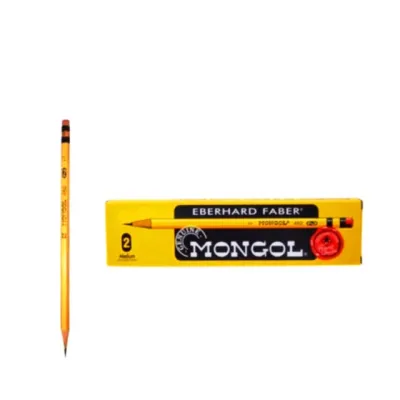
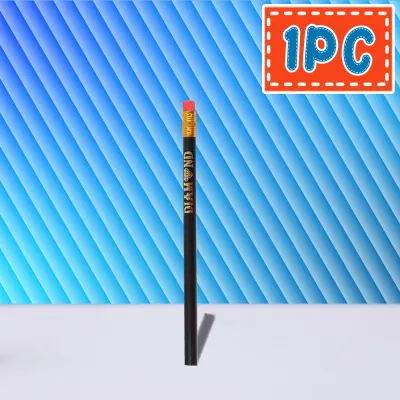
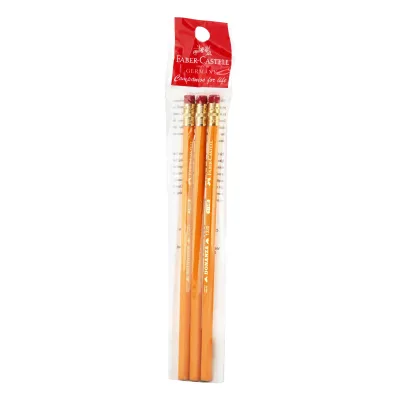
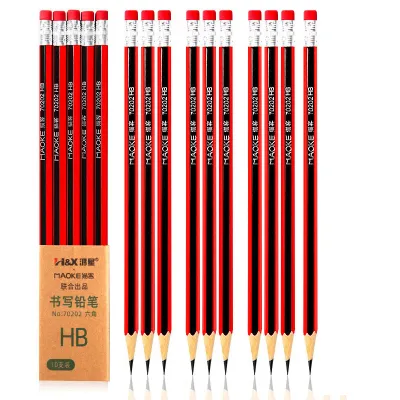
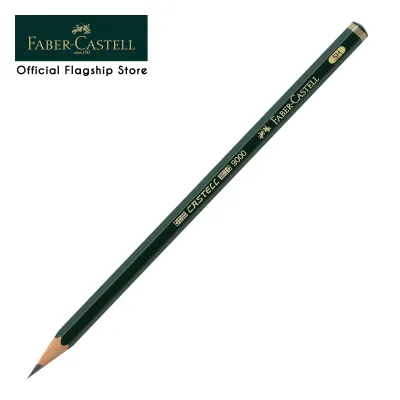
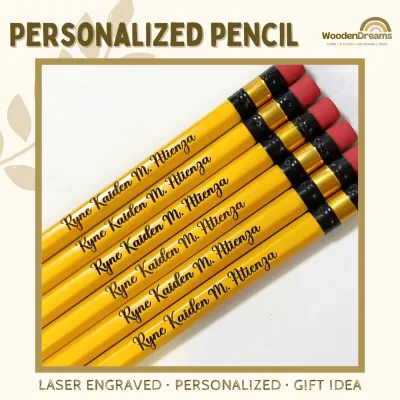
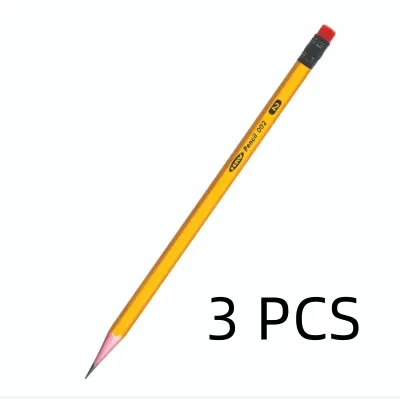
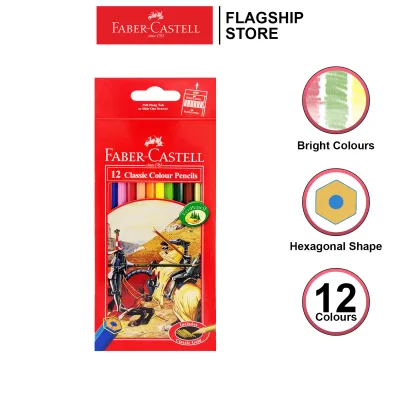
Prices are valid at publication and may change. Please refer to the product page for the latest price.
In contrast, a wooden pensel offers a natural, tapering body that changes slightly every time you sharpen it. This organic variation allows you to rotate and hold the pencil at different points along its shaft, providing a highly customizable ergonomic experience. The soft cedar or basswood casing also acts as a natural shock absorber, dampening the micro-vibrations created as the graphite moves across textured paper. This cushioning effect makes wooden pencils exceptionally comfortable for those who write for hours at a time.
Weight distribution also plays a critical role in hand fatigue. Mechanical pencils are often back-heavy or center-heavy due to the internal metal clutch mechanisms and lead advancement systems. This weight distribution can feel substantial and premium, but it requires more muscular effort to control over long periods. Wooden pencils are incredibly lightweight and balanced, with the center of gravity remaining close to the paper, allowing for effortless, fluid strokes.
Convenience and Maintenance for Everyday Tasks
Daily usability often comes down to how much effort is required to keep the writing tool functional. Wooden pencils require regular maintenance in the form of sharpening. This process requires you to carry a manual sharpener or have access to a desk-mounted unit, creating wood shavings that must be disposed of properly. While some find the act of sharpening a meditative pause, it can be a disruptive inconvenience during a fast-moving lecture or a critical meeting.

Mechanical pencils eliminate the need for a sharpener entirely, relying on a simple click or twist mechanism to advance the lead. This design offers immediate readiness and high portability, making it easy to slip the tool into a pocket or bag without worrying about exposed, messy tips. Many mechanical models also feature retractable sleeves that protect the delicate lead pipe from bending and prevent the graphite from poking holes in your clothing or pencil case.
However, mechanical pencils introduce their own maintenance challenges, particularly regarding lead jams. If a small piece of graphite breaks inside the internal clutch mechanism, it can block new lead from advancing, requiring you to disassemble the tip and clear the obstruction with a thin pin. Additionally, thin mechanical leads are highly susceptible to snapping if extended too far, requiring a learning curve to balance writing pressure with lead advancement.
Line Consistency and Task Suitability
The physical output of your pencil directly affects the legibility and style of your work. Mechanical pencils excel at maintaining a perfectly uniform line width from the first word to the last. Because the lead diameter is fixed—typically ranging from ultra-fine 0.3 mm to a sturdier 0.7 mm or 0.9 mm—you do not have to rotate the pencil constantly to find a sharp edge. This consistency is ideal for filling out tight grids, writing small characters, or drafting precise technical diagrams.
Wooden pencils, by contrast, offer dynamic line variation that changes as the exposed graphite core wears down. A freshly sharpened wooden pensel produces crisp, fine lines, but as you write, the tip flattens into a broader, softer point. This characteristic is highly valued by artists and those who enjoy expressive handwriting, as it allows for easy shading, bold emphasis, and organic transitions. However, it requires constant rotation of the barrel to maintain a semi-consistent line during standard text writing.
To get the best performance from either pencil type, you must match the lead hardness to your paper and writing style. Harder leads like H or 2H resist smudging and hold their point longer, making them excellent for humid environments where soft graphite can easily smear on damp paper. Softer leads like B or 2B offer a darker, smoother line with minimal friction, which is perfect for light writing pressure but requires more frequent sharpening or lead advancement.
Cost of Ownership and Long-Term Value
Evaluating the financial aspect of your writing tools involves looking beyond the initial purchase price. Wooden pencils are incredibly inexpensive upfront, often sold in budget-friendly multi-packs that cost under ₱15 per piece. However, they are entirely consumable; as you sharpen them down to short stubs, they eventually become unusable and must be discarded, representing a continuous, gradual consumption of material.
A quality mechanical pencil requires a higher initial investment, with durable metal or high-grade plastic models costing significantly more than a pack of wooden pencils. Despite this upfront cost, a well-made mechanical pencil can last for years, if not decades, with proper care. The ongoing expenses are limited to inexpensive lead refills and replacement erasers, which are highly cost-effective over the long term.
The true value of a mechanical pencil depends heavily on the durability of its internal mechanism. Cheap, single-use plastic mechanical pencils often break at the pocket clip or clutch, leading to premature disposal that negates their environmental and financial advantages. Investing in a refillable model with a sturdy metal clutch ensures that you only pay for the graphite you actually use, making it a highly sustainable choice for daily writing.
How to Choose the Right Pencil for Your Style
To select the perfect writing companion, start by analyzing your daily writing environment and physical habits. If your routine involves writing in compact planners, taking rapid notes in pocket-sized notebooks, or working with detailed templates, a mechanical pencil is the logical choice. It provides the precise, clean lines necessary for small spaces and eliminates the clutter of pencil shavings in shared workspaces or on the go.
If you prefer a warm, natural grip, enjoy the tactile feedback of wood on paper, or tend to apply heavy downward pressure when you write, a traditional wooden pensel will serve you better. The wooden casing protects the graphite core from shattering under pressure, and the ability to customize the tip shape with a sharpener gives you complete control over your line style.
Before making your final decision, verify the quality of the paper you use most frequently. Thin, low-grade paper can easily tear under the sharp, concentrated point of a 0.5 mm mechanical pencil, especially if you write with a heavy hand. For softer or thinner paper, a wooden pencil or a thicker 0.7 mm mechanical lead will glide more smoothly without puncturing the page, ensuring a comfortable and frustration-free writing experience.
Frequently Asked Questions (FAQ)
Do mechanical pencils break more easily than wooden ones?
Mechanical pencil leads are more prone to snapping because they lack structural support once extended past the metal guide pipe. If you use thin leads like 0.5 mm and apply heavy downward or angled pressure, the graphite will break easily. Wooden pencils protect the entire length of the graphite core within a solid wood casing, making them much more resilient against heavy-handed writing, though the exposed tip can still fracture if the pencil is dropped onto a hard surface.
Which pencil is better for long exam sessions?
For standardized exams that require filling out optical mark recognition bubble sheets, a mechanical pencil with a thicker lead (such as 0.7 mm or 0.9 mm) is highly efficient because it maintains a consistent width and requires no sharpening downtime. However, if you are writing long-form essay exams where hand cramping is a concern, a lightweight wooden pencil can be more comfortable. The natural wood casing dampens vibrations and reduces muscle strain during hours of continuous writing.

Community discussion
Share your experience or ask a question. Comments are reviewed before publication.