
Quick Answer: Is Mightee the Best Choice for Students?
When preparing for school art activities, choosing the right medium can make a significant difference in both the final grade and the overall creative experience. The best poster paint brand for school projects in the Philippines depends heavily on your specific project requirements, such as the surface material, drying time, and your budget.
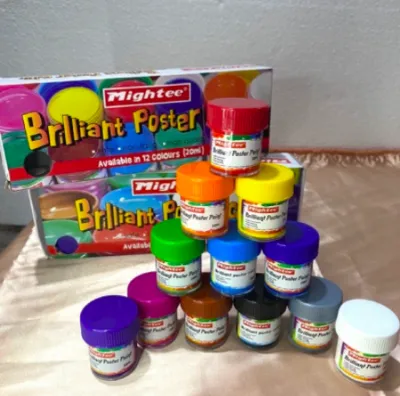
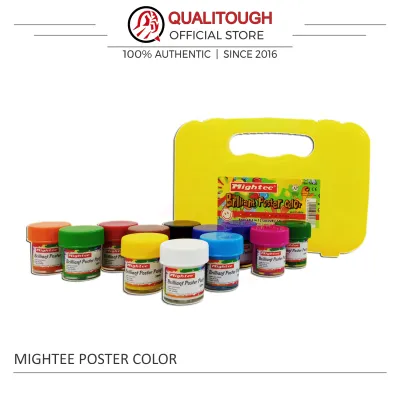
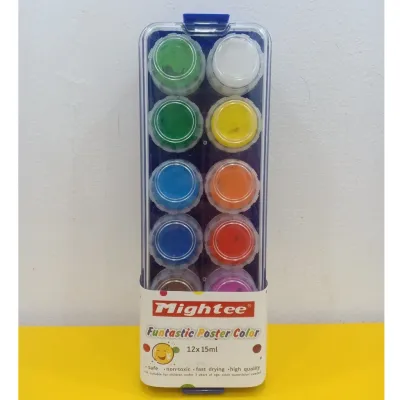
Mightee poster paint is a highly popular option in local classrooms, widely favored for its accessibility in neighborhood bookstores and standard jar sizes that are convenient for group work. However, alternative brands may offer different pigment concentrations, smoother consistencies, or alternative packaging formats like squeeze tubes. Before committing to a bulk purchase for a classroom or a major poster-making contest, it is highly recommended to check local store availability and compare current pricing in ₱ to ensure you get the best value for your school budget.
Key Dimensions for Comparing Poster Paints
To make an informed decision, it is helpful to understand the key performance characteristics of poster paint. Unlike watercolors, which are transparent, poster paint is designed to be opaque, water-soluble, and matte when dry. Evaluating these factors will help you choose a paint that performs well under classroom conditions.
Products mentioned in this guide
![[DKI Enterprises] 12pcs Mightee Poster Paint Assorted Color 15ml](https://img.lazcdn.com/g/p/3951e5107c98d90541f3c3c78d5c933d.jpg_400x400q80.jpg_.webp)
![[DKI ENTERPRISES] Mightee Poster Paint 20ml](https://img.lazcdn.com/g/p/ad3efbefd8379bf328ac701c80ca921a.jpg_400x400q80.jpg_.webp)
Prices are valid at publication and may change. Please refer to the product page for the latest price.

Opacity and Coverage
A primary requirement for any school poster paint is its ability to cover surfaces evenly. High-quality poster paint should dry to an opaque finish, allowing students to paint light colors over dark backgrounds or cover up pencil guidelines without streaking. When evaluating a brand, perform a simple test: paint a single stroke over a dark line drawn on cartolina. If the line is completely hidden after one coat, the paint has excellent opacity. Lower-grade paints often contain more chalky fillers than pigments, requiring multiple coats that can lead to paper warping.
Drying Time and Reactivation
In the tropical climate of the Philippines, high humidity can significantly affect how paint behaves. Poster paint should dry relatively quickly to a flat, matte finish so students can pack up their projects before the school bell rings. However, because poster paint is water-soluble, it can be reactivated with water even after it dries. While this allows for easy blending, a formula that reactivates too easily might lift the underlying layers when you try to paint details on top, resulting in a muddy appearance. Testing the drying speed and layer stability on a scrap piece of illustration board is a great way to verify how the paint handles local humidity.
Packaging Formats: Jars vs. Tubes
The container your paint comes in affects its usability, waste, and shelf life. Jars are excellent for large-scale projects, allowing students to dip brushes directly into the paint or scoop out large quantities with a palette knife. However, open jars are highly susceptible to drying out and cross-contamination if students dip dirty brushes into them. Squeeze tubes, on the other hand, are highly hygienic and prevent the paint from drying out. They are perfect for individual student art kits because they allow precise portion control, though they can be harder to squeeze completely empty for younger children.
Color Vibrancy and Mixing
School projects often require students to learn color theory by mixing primary colors to create secondary and tertiary shades. High-quality poster paints use pure pigments that blend cleanly. If a brand uses cheap fillers or low-grade pigments, mixing blue and yellow might result in a dull, brownish-green instead of a vibrant leaf green. Testing a small color wheel with your chosen brand will quickly reveal its mixing capabilities.
Evaluating Mightee Poster Paint for School Use
Mightee poster paint is a familiar sight in Philippine classrooms, often serving as the introductory paint for elementary and high school students. Understanding its practical characteristics can help you get the most out of each jar.
Standard Jar Sizes and Classroom Sharing
Mightee is commonly packaged in individual glass or plastic jars, which are highly practical for shared classroom tables. These jars provide a stable base that is less likely to tip over during a busy art session compared to lightweight plastic cups. The volume of these standard jars is typically well-suited for medium-sized poster boards, ensuring that students do not run out of paint halfway through their projects.
Safety and Label Verification
Because school projects involve prolonged body contact and are often completed by young children, safety is a paramount concern. When purchasing Mightee or any other brand, always inspect the physical label for non-toxic certifications, such as the AP (Approved Product) seal or compliance with EN71 standards. These labels indicate that the paint does not contain harmful levels of heavy metals or toxic solvents, making it safe for skin contact and accidental ingestion.
Consistency and Preparation
A common characteristic of water-based poster paints like Mightee is phase separation. Over time, the heavy pigments settle to the bottom of the jar, leaving a clear liquid binder at the top. This is a natural physical process and not a sign of defective paint. Before starting any project, use a clean wooden stick or the handle of a plastic spoon to stir the paint thoroughly until it reaches a smooth, creamy consistency. If the paint feels too thick or dry, you can add a few drops of clean water to restore its workability.
Freshness and Seal Integrity
Before purchasing paint from a local bookstore, always check the seal under the lid. In warm, humid environments, a compromised seal can cause the water content to evaporate, leaving behind a hard, unusable cake of pigment. Additionally, check for any unusual odors; because poster paints contain organic binders, compromised seals in tropical climates can sometimes lead to mold growth inside the jar.
How Alternative Brands Compare in the Local Market
While Mightee is a reliable staple, exploring other categories of poster paint available in local stationery stores and online marketplaces can help you find the perfect match for your specific project needs.
Premium Student-Grade Brands
For students participating in regional poster-making contests or advanced art classes, premium student-grade brands offer distinct advantages. These paints typically feature a higher pigment concentration and a smoother, less chalky texture. They glide effortlessly across illustration boards and offer superior lightfastness, meaning the artwork will not fade as quickly when exposed to classroom display lights. However, these premium options come at a higher price per milliliter, making them less practical for everyday classroom practice or large-scale group activities.
Budget and Generic Brands
On the opposite end of the spectrum are budget or generic poster paints, often sold in large plastic tubs or bulk sets. These are highly economical options when you need to cover massive surface areas, such as painting stage backdrops for school plays, school festival booths, or outdoor murals. While they are incredibly cost-effective, they often require multiple coats to achieve solid opacity and may crack if applied too thickly.
Tube-Based Alternatives
Several local and imported brands offer poster paint in squeeze tubes rather than jars. These are highly recommended for individual students who need to carry their art supplies in a backpack. Squeeze tubes prevent accidental spills in school bags and eliminate the risk of cross-contamination, as students only squeeze out what they need onto a plastic palette.
Decision Framework: Which Brand Should You Buy?
To help you decide which poster paint to purchase, consider the following condition-based guidelines:
Choose Mightee if:
- You need highly accessible, standard-sized jars for general classroom crafts and school poster-making.
- The project involves group work where multiple students need to share paint directly from the container.
- You want a reliable, familiar brand that is easily found in most local bookstores across the Philippines.
Choose premium student-grade alternatives if:
- The student is entering an art competition where vibrant color mixing, smooth blending, and professional presentation are critical.
- The project requires fine detail work on high-quality illustration boards or mixed-media paper.
- You want to preserve the finished artwork for a long-term portfolio or exhibition.
Choose budget bulk alternatives if:
- You are painting large-scale props, theatrical backdrops, or school festival decorations where volume is the priority.
- Exact color accuracy and high opacity are less important than staying within a tight school budget.
Verify first if:
- The project is for early childhood education (preschool or kindergarten), where guaranteed non-toxic certifications and easy washability from skin and clothing are absolute requirements. Always check the product packaging for specific safety labels before buying.
Purchasing Tips and Storage Best Practices
Maximizing the lifespan of your poster paint requires careful purchasing habits and proper storage, especially under tropical conditions.
Inspect Before You Buy
Whether purchasing from a physical bookstore or an online marketplace, always inspect the packaging. Ensure the lids are tightly screwed on and there are no signs of leakage. If shopping online, read customer reviews to verify that the seller packages the jars securely, as glass jars can easily crack during transit.
Calculate the True Value
Do not just look at the retail price of the paint set. To find the best deal, calculate the price per milliliter (₱/ml) by dividing the total price by the volume of paint provided. Often, buying a slightly larger set or individual primary colors in larger jars offers much better value than buying small, pre-packaged multi-color sets.
Proper Storage in Tropical Climates
The high heat and humidity in the Philippines can accelerate the drying and spoilage of water-based paints. Always wipe the rim of the jar clean before screwing the lid back on. Dried paint on the rim can prevent a tight seal, allowing air to enter and dry out the remaining paint. Keep your paint jars stored upright in a cool, dark cupboard away from direct sunlight and heat sources. If you need to dilute the paint or revive a slightly dry jar, always use clean, distilled water. Tap water can introduce bacteria into the jar, which can cause the paint to spoil and develop an unpleasant odor over time.
Frequently Asked Questions (FAQ)
Can poster paint be used on fabric or canvas for school projects?
Standard poster paint is water-soluble and formulated primarily for porous, absorbent surfaces like paper, cardboard, illustration board, and papier-mâché. If applied to fabric, the paint will wash out completely during laundering and may smudge or rub off onto skin and clothing even when dry. On stretched canvas, poster paint tends to crack, flake, or peel off because canvas is flexible and does not absorb the thick, chalky binder of poster paint. For school projects involving fabric or canvas, it is highly recommended to use acrylic paint or check the manufacturer’s label to see if the poster paint can be mixed with a specific textile medium to improve its adhesion and durability.

Community discussion
Share your experience or ask a question. Comments are reviewed before publication.