
Choosing the right pencil for school, office work, or technical drafting in the Philippines often comes down to finding the perfect balance between comfort, durability, and line quality. The standard Mongol 2 has long been a staple in classrooms and offices across the country, known for its iconic yellow casing and reliable performance. However, the introduction of the Mongol 2 XL variant presents a compelling alternative for those who require different physical dimensions or a distinct writing experience. The primary differences between these two options lie in their physical casing thickness, overall length, graphite core diameter, and how they feel in the hand during long writing sessions. Understanding these nuances helps you make an informed decision, whether you are buying a single pencil or purchasing a full box for the upcoming school year or office inventory.
When comparing the standard Mongol 2 to the Mongol 2 XL, the choice is not about which pencil is universally better, but rather which one aligns with your specific hand size, grip style, and daily tasks. Factors such as local humidity levels, paper quality, and the type of sharpener you have access to also play a significant role in your overall experience. By examining the packaging, measuring physical dimensions, and testing the writing feel on your preferred paper, you can easily determine which variant will serve you best.
Understanding the Packaging and Core Specifications
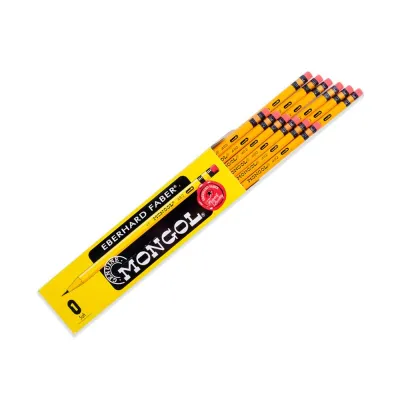
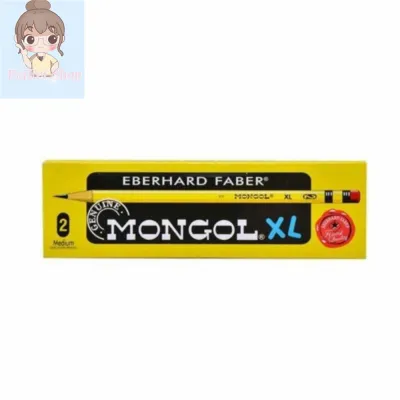
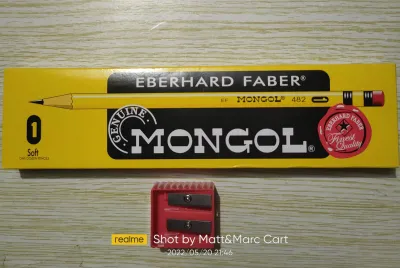
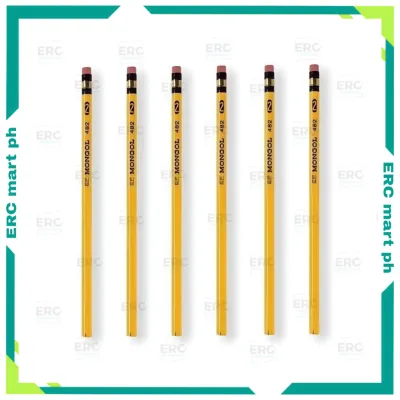
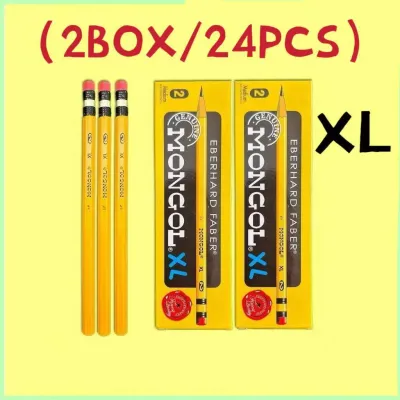
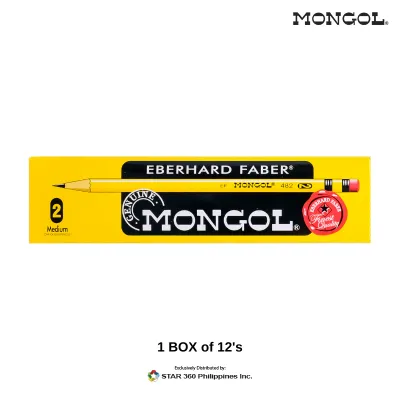
Before opening a new box of pencils, a close inspection of the packaging reveals critical details about what to expect from each variant. When purchasing a full box of pencils, typically labeled as a “pencil 1 box mongol 2 xl” or standard Mongol 2 box, the exterior markings provide the first clues regarding the specifications of the writing instruments inside. You should begin by checking the box for official grade indicators, such as the “No. 2” or “HB” designation. This marking is crucial because it indicates the hardness and darkness of the graphite core, which must meet specific standards for standardized tests and general writing tasks.
Products mentioned in this guide
Prices are valid at publication and may change. Please refer to the product page for the latest price.
Next, look closely at the packaging for any specific “XL” designations. On the Mongol 2 XL box, this label usually points to a physical modification, such as an extended barrel length, a thicker wood casing, or a larger graphite core designed for specialized grip needs. It is important to verify these details on the label, as packaging designs can vary depending on the manufacturing batch and regional distribution. Inspecting the box also allows you to confirm the total quantity of pencils included, ensuring you receive the correct count for your budget, which is often priced in Philippine Pesos (₱) per box in local stationery stores.
Additionally, you should check the box for manufacturer compliance marks, safety certifications, and origin details. These marks guarantee that the materials used, including the wood casing and the clay-graphite mixture, meet quality control standards. In the tropical climate of the Philippines, where high humidity can affect paper and stationery storage, verifying that you are purchasing authentic, well-packaged boxes helps prevent issues like warped wood or brittle lead before you even sharpen the pencils. Taking a few moments to read the fine print on the box ensures that you are getting the exact specifications required for your school or office work.
Comparing Lead Size and Physical Dimensions
The most immediate physical differences between the standard Mongol 2 and the Mongol 2 XL become apparent once you hold them side by side and prepare them for writing. To accurately assess these differences, you can perform a few simple visual and physical measurements. Start by sharpening both pencils to a clean point and examining the exposed graphite core. Visually compare the diameter of the lead; the XL variant is designed to feature a noticeably thicker core, which provides a broader line and greater resistance to snapping under heavy writing pressure.

Next, measure the overall unsharpened length of both pencils. An extended length in the XL variant can alter the balance of the pencil in your hand, shifting the center of gravity slightly higher. This extra reach can be highly beneficial for individuals with larger hands or those who prefer a looser, more relaxed grip further up the barrel. Conversely, the standard Mongol 2 offers a familiar, compact length that fits comfortably in standard pencil cases, organizers, and school bags without requiring extra storage space.
The thickness of the wood casing is another critical dimension to evaluate. The Mongol 2 XL typically features a wider hexagonal or round barrel, which changes how your fingers wrap around the casing. A thicker barrel can reduce hand fatigue during long writing sessions, making it an excellent option for young students who are still developing their fine motor skills, as well as adults who experience cramping from holding thin writing instruments. Finally, observe the ferrule—the metal band holding the eraser—and the eraser itself. Check if the XL variant utilizes a larger eraser to match its bulkier frame, which can affect the overall weight distribution and erasing efficiency.
Evaluating the Writing Feel and Graphite Performance
While physical dimensions are easy to measure, the true test of any pencil lies in its writing feel and how the graphite interacts with paper. Because local humidity in the Philippines can soften paper fibers, the friction between the graphite and the page can vary significantly. To evaluate this, conduct a side-by-side writing test on your preferred paper type, such as standard intermediate pads, bond paper, or sketchbooks. Pay close attention to the smoothness of the stroke; a thicker lead core often distributes pressure differently, resulting in a distinct tactile feedback compared to the standard variant.
As you write, observe the darkness of the lines produced by both pencils. Although both are rated as No. 2 or HB, variations in the core diameter and the specific clay-to-graphite ratio can influence how dark the mark appears on the page. Check for excess dust or smudging under normal hand pressure. In humid environments, softer or thicker graphite leads may smudge more easily when your hand brushes across the paper. Testing this on a sample page helps you determine if the pencil will keep your notes clean and legible during rapid writing.
Erasability is another key performance factor to test. Use the built-in eraser on both the standard Mongol 2 and the Mongol 2 XL to clear a few lines of text. Observe whether the eraser removes the graphite cleanly without leaving dark smudges or tearing the damp-prone paper. Additionally, evaluate point retention by writing continuously for several minutes. A thicker core may hold its point longer before requiring a trip to the sharpener, which is a major convenience during timed exams, lectures, or sketching sessions where interruptions can disrupt your workflow.
How to Choose the Right Pencil for Your Tasks
Choosing between the standard Mongol 2 and the Mongol 2 XL depends entirely on your daily writing habits, physical comfort preferences, and specific task requirements. The standard Mongol 2 remains the go-to choice for reliable, everyday note-taking, standard office forms, and general classroom use. Its classic dimensions are highly compatible with standard accessories, making it an effortless addition to any pencil case. If you prefer a lightweight, familiar feel and do not experience hand strain during typical writing tasks, the standard model is a highly efficient and cost-effective option.
On the other hand, the Mongol 2 XL is highly suitable if you find standard pencils too thin or if you experience hand cramping during extended writing sessions. The thicker casing and potentially larger core provide a more substantial grip, which is excellent for drafting, shading, or teaching young children how to write. If your daily routine involves long hours of manual writing or sketching, the ergonomic benefits of the XL variant can make a noticeable difference in your comfort levels.
Before purchasing a full box, especially for standardized national exams in the Philippines, always verify the strict exam guidelines. Most optical mark recognition (OMR) machines require a standard No. 2 or HB pencil to read the shaded circles accurately. While both variants may carry this rating, confirm that the specific box you purchase explicitly states “No. 2” or “HB” on the label. Finally, consider your existing stationery tools; ensure your pencil case, desk organizers, and sharpeners can accommodate the physical size of the variant you choose to avoid unexpected compatibility issues.
Frequently Asked Questions (FAQ)
Does the XL variant require a different sharpener?
Yes, depending on the exact thickness of the wood casing, the Mongol 2 XL may not fit into standard, narrow-aperture pencil sharpeners. Before purchasing, test the XL pencil in your current manual or electric sharpener to ensure the entry hole and blade can accommodate the wider barrel. If the casing is noticeably thicker, you may need to invest in a dual-hole sharpener or an adjustable model that features a larger opening designed for jumbo or XL pencils.
How should I store a full box to maintain the graphite quality?
To keep a full box of pencils in optimal condition, store them in a cool, dry place away from extreme heat and high humidity, which are common in tropical climates. Excess moisture can cause the wood casing to warp, making the pencil difficult to sharpen evenly, while extreme heat can make the internal graphite core brittle and prone to snapping. Keep the box flat and away from heavy objects to prevent the internal leads from breaking before the pencils are even sharpened.
Are both variants accepted for standardized machine-graded exams?
Both variants are generally accepted as long as they are explicitly marked as No. 2 or HB on the casing and packaging. Optical mark recognition (OMR) grading machines scan the darkness of the graphite marks on the exam sheet, not the physical length or thickness of the pencil itself. Always check your specific exam guidelines and verify the markings on your pencil barrel before entering the testing center to ensure full compliance with the testing requirements.

Community discussion
Share your experience or ask a question. Comments are reviewed before publication.