
Selecting the right writing tool for a beginner is a foundational step in their educational journey. The choice between a Mongol jumbo pencil and a regular pencil depends heavily on the writer’s hand size, grip development stage, and fine motor skills. Jumbo pencils generally offer a wider grip surface suited for younger children who are still developing their hold, while regular pencils fit older beginners or those with established grip techniques. By understanding how these tools interact with a learner’s physical development, you can select a pencil that encourages confidence, reduces frustration, and supports proper writing posture from the very first stroke.
Understanding the Physical Differences Between Jumbo and Regular Pencils
When comparing a jumbo pencil to a regular pencil, the most immediate difference is the physical scale of the barrel. Standard pencils typically feature a hexagonal or round barrel with a diameter of approximately 7 to 8 millimeters. In contrast, jumbo pencils increase this diameter significantly, often reaching 10 millimeters or more. This difference in thickness changes how a beginner’s fingers wrap around the tool. The larger circumference of the jumbo barrel provides a more substantial surface area, allowing small fingers to find a secure resting place without needing to tightly curl or overlap.
Weight distribution also plays a critical role in how a pencil feels during use. Because of its thicker wood casing and larger graphite core, a jumbo pencil is naturally heavier than its standard counterpart. This added weight shifts the balance point of the pencil. For a young child with developing hand muscles, a slightly heavier tool can provide helpful sensory feedback, making them more aware of the pencil’s position in space. However, if the pencil is too heavy or poorly balanced, it can cause the hand to tilt backward, leading to awkward writing angles.
Products mentioned in this guide
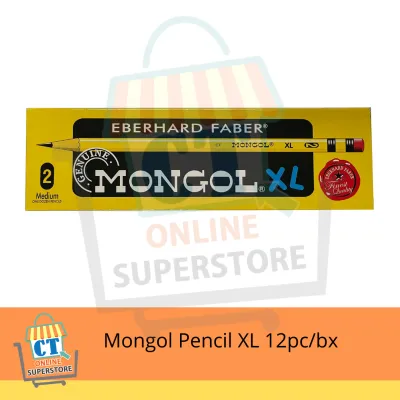
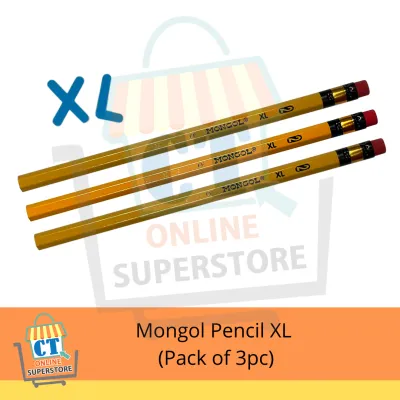
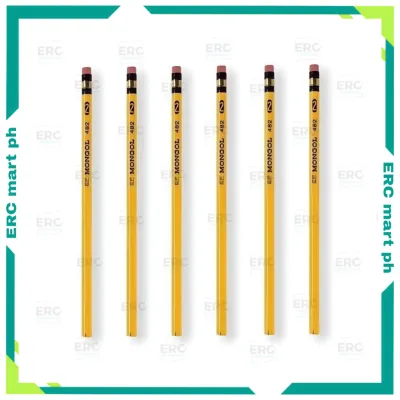
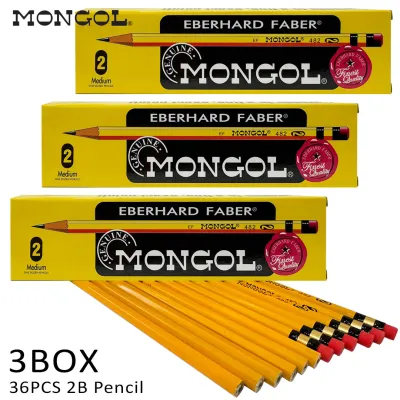
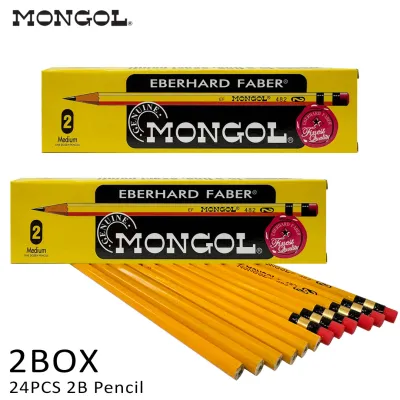
Prices are valid at publication and may change. Please refer to the product page for the latest price.
The surface area of the pencil’s sides—whether hexagonal, triangular, or round—directly affects finger placement. Hexagonal jumbo pencils offer wide, flat facets that act as natural guides for finger positioning. Regular pencils also feature these facets, but because the surfaces are much narrower, they require more precise finger alignment. For a beginner whose fine motor skills are still maturing, the generous surface area of a jumbo barrel makes it much easier to establish a stable, slip-free contact point between the skin and the wood.
Safety is another physical consideration when choosing writing instruments for young learners. Children frequently put school supplies in their mouths or engage in prolonged skin contact while writing. Before purchasing, always check the packaging for certified non-toxic labels to ensure the paint and materials are safe for daily use. Observing how a child handles the pencil during a brief trial can help you verify if the finish is smooth and free of potential splintering hazards.
Evaluating Grip Comfort and Hand Fatigue for Beginners
To choose the right pencil size, you must first evaluate the beginner’s physical hand development. A simple way to assess this is by observing the child’s hand span and finger length. If a child’s fingers are short and relatively thick, a standard pencil can force them into a tight, cramped pinch. This tight pinch often leads to rapid hand fatigue. Matching the barrel size to the child’s hand size ensures that their fingers can maintain a relaxed, open curve, which is essential for long-term writing comfort.

Children progress through distinct stages of grip evolution as their fine motor skills mature. Very young beginners often start with a palmar grasp, holding the pencil in a fist. As they develop control, they transition to a digital pronate grasp, and eventually to a four-finger quadrupod or a three-finger dynamic tripod grip. A jumbo pencil is particularly supportive during the transitional phases. The thicker barrel prevents the fingers from collapsing into a tight fist, encouraging the hand to open up and adopt a more mature tripod-like posture. Conversely, introducing a regular pencil too early can stall this development, as the thin barrel is easily gripped with a primitive, high-pressure fist hold.
In tropical climates where high humidity and warm temperatures are common, sweaty hands can make writing even more challenging for beginners. When a child struggles to maintain a grip on a slippery pencil, they often compensate by squeezing the barrel with excessive force. This leads to observable signs of hand fatigue, such as red marks on the fingers, white knuckles, or frequent complaints of wrist pain. If you notice a child constantly shaking out their hand, pressing down so hard that the paper tears, or refusing to write for more than a few minutes, the pencil diameter may be mismatched with their current physical capabilities.
Comparing Writing Control and Notebook Compatibility
Writing control is closely tied to how effectively a learner can apply and regulate pressure on the paper. Because jumbo pencils feature a thicker, more robust graphite core, they are highly resistant to breakage under heavy downward pressure. Beginners who have not yet learned to modulate their hand strength often press down with extreme force. A regular pencil tip may snap easily under this pressure, leading to constant interruptions for sharpening. The stability of a jumbo pencil’s thicker lead allows the writer to practice stroke control without the frustration of frequent breakage.
However, the physical size of the pencil must also be compatible with the learning materials used in the classroom. In many early education settings, beginners use specialized handwriting workbooks, tracing sheets, or lined pad paper. These materials often feature specific line spacing designed to guide letter height. A jumbo pencil produces a thicker, broader line, which can make it difficult to write legibly within narrow spaces or small tracing guides. If the beginner is working with standard lined pad paper or books with tight line constraints, the finer point of a regular pencil is often necessary to keep the letters distinct and readable.
Visual feedback is another critical factor in early writing. When a child writes, they need to see the tip of the pencil making contact with the paper to adjust their letter formation in real time. The bulky nose of a jumbo pencil can sometimes block the writer’s line of sight, especially if they hold the pencil very close to the tip. A regular pencil offers a clearer view of the writing line, which can help beginners who are struggling with letter spacing, alignment, and consistent stroke height.
Checking Sharpener and Accessory Compatibility
Before committing to a specific pencil size, it is practical to consider the maintenance and accessory requirements. Standard school sharpeners, whether manual pocket models or wall-mounted classroom units, are designed almost exclusively for regular 7-millimeter barrels. A jumbo pencil will not fit into these standard openings. To maintain a jumbo pencil, you must purchase a specialized dual-hole sharpener that features a larger opening, typically around 10 to 12 millimeters. This can add a small but necessary extra cost to your school supply budget.
Storage is another everyday consideration that is easily overlooked. Standard plastic pencil cases, fabric pouches, and molded desk organizers are often optimized for regular-sized pens and pencils. A set of jumbo pencils takes up significantly more physical space, which may prevent a standard pencil case from closing properly or limit the number of other supplies a student can carry. If your child’s school requires a specific type of compact pencil organizer, verify whether it can accommodate the wider profile of jumbo writing tools.
Finally, consider the availability of replacement accessories in local stationery stores. While regular pencils and standard sharpeners are universally available in almost every neighborhood store and school canteen, jumbo-specific accessories can be harder to find. You may need to visit larger department stores or specialized stationery shops to find compatible dual-hole sharpeners or jumbo-sized eraser caps. While the price difference in Philippine Pesos (₱) for a single sharpener is usually modest, the inconvenience of searching for specialized tools during the school year is worth factoring into your decision.
Decision Framework: Which Pencil Fits Your Beginner?
To make the best choice for your beginner writer, consider their current physical development, writing environment, and specific learning needs. This structured framework can guide your purchasing decision:
- Choose the Jumbo Pencil if:
- The learner is in preschool or early kindergarten and is still developing basic hand strength.
- The child naturally holds writing tools with a tight, high-pressure fist or shows signs of rapid hand fatigue.
- You are practicing large-format writing, such as drawing on unlined paper or tracing large letters.
- The child frequently breaks standard pencil leads due to unregulated downward pressure.
- Choose the Regular Pencil if:
- The learner is transitioning to primary school grades where standard lined pad paper or narrow-spaced workbooks are required.
- The child has already developed a stable, comfortable three-finger tripod grip.
- You want to use standard school accessories, pencil cases, and classroom sharpeners without purchasing specialized gear.
- The child's hand size is large enough to hold a standard barrel comfortably without cramping.
Before purchasing a large supply of either pencil type, it is always wise to conduct a simple trial. Have the child write a few letters with both sizes and observe their hand posture. Look for a relaxed wrist, a natural curve in the fingers, and a consistent line quality. Additionally, check if the child has any specific occupational therapy recommendations, as educators or therapists may suggest a specific barrel shape or size to address unique motor development goals.
Frequently Asked Questions (FAQ)
Can a beginner use a regular pencil with a silicone grip adapter?
Yes, a silicone grip adapter can be an effective alternative to a jumbo pencil. These slip-on accessories slide onto a regular pencil to increase its grip diameter and guide finger placement. When choosing an adapter, look for models with textured, slip-resistant surfaces that prevent fingers from sliding, especially in warm, humid conditions. However, keep in mind that adapters can sometimes slide off during use or make the pencil top-heavy, so you should monitor the child to ensure the adapter remains securely in place and actually supports a comfortable grip.
Does the lead quality differ between Mongol jumbo and regular pencils?
The core graphite formulation of a Mongol jumbo pencil is generally consistent with the standard HB or Number 2 grade found in regular pencils, offering a balanced mix of darkness and erasability. The primary difference lies in the physical thickness of the lead core rather than the quality of the graphite itself. The jumbo pencil features a much thicker core, which provides superior breakage resistance when subjected to heavy, uneven pressure. While both sizes offer similar erasability and line darkness, the regular pencil allows for a sharper, finer point that is better suited for detailed writing, whereas the jumbo pencil requires less frequent sharpening but produces a broader, softer line.

Community discussion
Share your experience or ask a question. Comments are reviewed before publication.