
The choice between a Mongol Jumbo and a regular Mongol pencil depends primarily on hand size, grip style, and comfort needs during long writing sessions. While both variants carry the iconic yellow casing and dark graphite core familiar to generations of students and professionals in the Philippines, their physical designs cater to entirely different ergonomic requirements. Selecting the wrong pencil size can lead to hand fatigue, finger cramping, or poor handwriting control, especially during extended writing tasks like school exams or long office shifts. By understanding how barrel thickness, weight distribution, and grip dynamics differ between these two options, you can make an informed decision that enhances your daily writing comfort.
In the tropical climate of the Philippines, where humidity can affect how paper feels and how securely you can hold a writing instrument, the physical feedback of your pencil is highly important. A pencil that is too thin might slip from sweaty fingers, requiring you to squeeze harder and strain your hand muscles. Conversely, a pencil that is too thick might feel clumsy and limit your precision when writing in tight spaces, such as on standard ruled pad paper. Examining these two distinct pencil profiles reveals how subtle changes in wood and lead dimensions translate into a completely different experience on paper.
Understanding the Core Differences in Barrel Design
The most immediate distinction between the Mongol Jumbo and the regular Mongol pencil lies in their physical dimensions and overall footprint. The regular Mongol pencil features the classic, slender hexagonal barrel that has been the standard for decades. This hexagonal design provides flat surfaces for the fingers to rest on, which naturally helps prevent the pencil from rolling off slanted school desks or smooth office tables. The wood casing is lightweight, making the pencil feel almost weightless in the hand, which allows for quick, agile strokes when writing or sketching.
Products mentioned in this guide
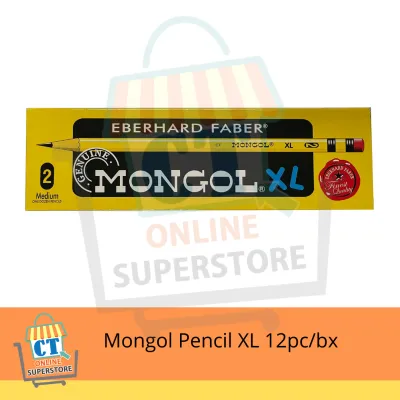
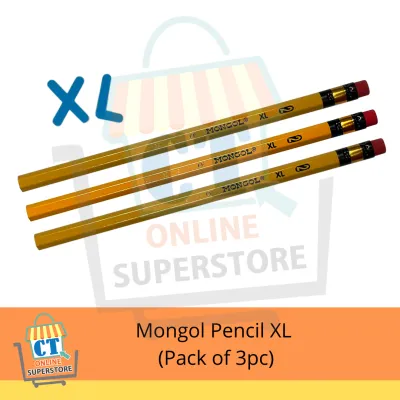
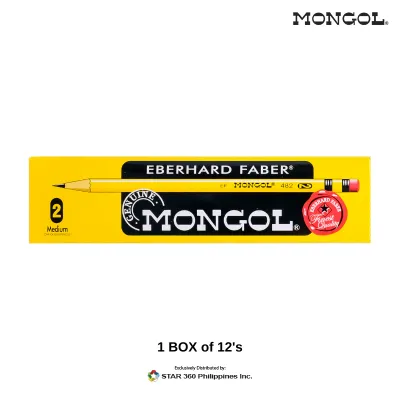
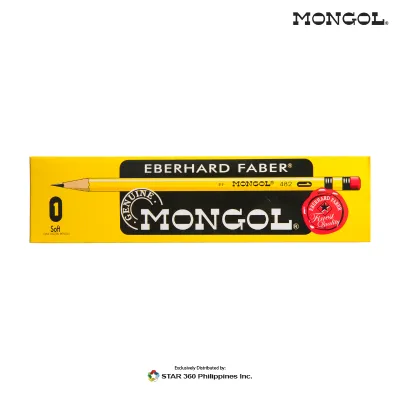
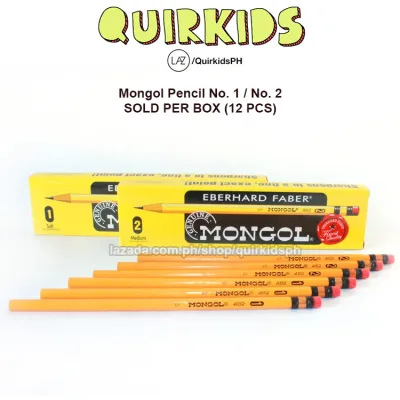
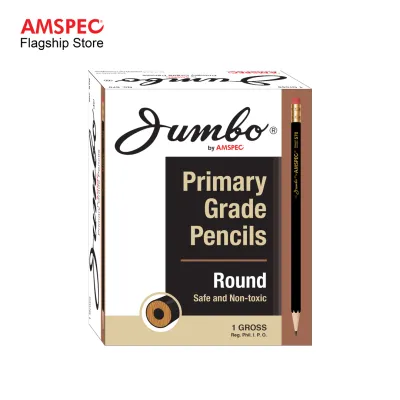
Prices are valid at publication and may change. Please refer to the product page for the latest price.
In contrast, the Mongol Jumbo variant significantly increases the barrel diameter, presenting a much more substantial physical presence. This thicker casing is often designed with a rounded or triangular profile, which is specifically engineered to guide finger placement into a natural tripod grip. The added wood volume increases the overall weight of the pencil, shifting the balance point slightly. This extra mass gives the Jumbo pencil a more grounded, deliberate feel on paper, which can be highly beneficial for those who struggle with fine motor control or tend to apply excessive pressure while writing.
Sharpening these two pencil types also highlights their structural differences. The regular Mongol pencil fits effortlessly into any standard single-hole sharpener, whether it is a portable plastic pocket sharpener or a wall-mounted mechanical model found in classrooms. The wood shaves away smoothly, exposing a fine, centered graphite core. The Jumbo variant, however, requires a specialized large-bore sharpener or a dual-hole sharpener designed to accommodate thicker barrels. Attempting to force a Jumbo pencil into a standard sharpener will damage the wood casing and can lead to off-center sharpening or fractured leads.
Furthermore, the quality of the wood casing plays a crucial role in how these pencils age and perform. Both variants utilize soft, easily sharpenable wood that resists splintering, but the sheer volume of wood in the Jumbo pencil means it is less prone to snapping under sudden lateral pressure. If you frequently carry your pencils in a crowded backpack or pencil case, the thicker walls of the Jumbo variant offer superior protection for the inner graphite core, reducing the likelihood of internal lead breakage before you even begin to write.
Grip Comfort and Ergonomics for Different Hand Sizes
Grip comfort is highly subjective and depends heavily on the physical size of the writer’s hands. For young children who are just developing their fine motor skills, the muscles in their hands are still growing, making it difficult to wrap their fingers tightly around a thin, regular pencil. The Mongol Jumbo barrel provides a larger surface area, allowing early writers to grip the pencil using their larger hand muscles rather than straining the delicate muscles in their fingers. This reduces the physical effort required to hold the pencil steady, making the learning process much more comfortable.

For adults with larger hands, the regular Mongol pencil can sometimes feel like writing with a toothpick, forcing the fingers into a tight, unnatural pinch. Over hours of continuous writing, this tight grip can restrict blood flow and lead to writer’s cramp or muscle fatigue along the palm and forearm. Switching to the Jumbo variant allows the hand to remain in a more open, relaxed posture. The increased circumference distributes the gripping force across a wider area of the fingers, which can significantly alleviate tension during long writing sessions.
Conversely, individuals with smaller hands or those who prefer highly detailed, precise handwriting may find the regular Mongol pencil much more manageable. The slender barrel allows for micro-adjustments with the fingertips, which is essential for neat cursive writing, technical drawing, or filling out compact forms. A Jumbo pencil in small hands can feel overly bulky, making it difficult to see the pencil tip clearly as it contacts the paper, which can lead to larger, less controlled handwriting.
It is also worth considering the use of auxiliary writing aids, such as slide-on silicone or foam pencil grips. Standard pencil grips are manufactured to fit the slim diameter of regular pencils, stretching slightly to provide a soft, cushioned surface. These standard grips will not fit onto a Mongol Jumbo pencil. If you already rely on specific ergonomic grip attachments to ease joint pain or correct your finger posture, sticking with the regular Mongol pencil is necessary to ensure compatibility with your existing accessories.
Writing Experience and Lead Performance
The physical balance of a pencil changes how the graphite interacts with the paper surface. Because the regular Mongol pencil is lightweight and balanced toward the center, it responds quickly to light pressure. This makes it excellent for rapid note-taking, where speed is prioritized over heavy, dark lines. However, because the barrel is thin, writers often compensate for the lack of physical feedback by pressing down harder on the paper, which can cause the fine lead to snap unexpectedly and leave deep indentations in the page.
The Mongol Jumbo pencil, with its heavier wood casing and thicker graphite core, encourages a different writing dynamic. The natural weight of the pencil does some of the work for you, allowing the lead to glide across the paper with less downward force from your hand. This thicker lead is highly resistant to breakage, making it ideal for individuals who naturally write with a heavy hand. The robust core can withstand significant pressure without snapping, ensuring a continuous, uninterrupted flow of thought during important tasks.
Smudging and hand positioning also differ between the two sizes. When using a regular pencil, the hand sits very close to the paper, which can lead to the side of the palm dragging across freshly written text, causing graphite smudges—a common frustration for left-handed writers. The thicker barrel of the Jumbo pencil naturally lifts the hand slightly higher off the page, altering the angle of approach. This subtle shift in hand elevation can help reduce smudging and provide a clearer view of the writing line, allowing for cleaner work overall.
Additionally, the thicker lead of the Jumbo variant allows for versatile shading and line variation. While the regular pencil is optimized for consistent, thin lines, the Jumbo pencil can be angled to produce broad, soft strokes, making it a useful tool for basic sketching and layout work alongside daily writing. The feedback from the paper feels softer and more cushioned with the Jumbo pencil, as the larger contact area of the lead dampens the scratchy sensation that thin pencils sometimes produce on low-grade paper.
Decision Framework: Which Mongol Pencil Should You Choose?
To determine which Mongol pencil best suits your daily routine, consider your physical comfort, writing environment, and existing stationery tools.
You should choose the Mongol Jumbo pencil if:
- You experience hand cramping, joint pain, or muscle fatigue when using standard-sized pens and pencils.
- You are purchasing writing tools for young children who are still developing their grip coordination and gross motor control.
- You naturally apply heavy pressure when writing and frequently break standard pencil leads.
- You prefer a heavier, more substantial writing instrument that guides your hand into a relaxed, open posture.
You should choose the Regular Mongol pencil if:
- You have average to small hands and prefer a lightweight, highly agile pencil for fast note-taking.
- You write in tight spaces, small notebooks, or standard ruled pads where precision and line clarity are paramount.
- You want a pencil that fits seamlessly into standard pencil cases, organizer slots, and standard single-hole sharpeners.
- You prefer using specialized slide-on silicone or foam ergonomic grips to customize your writing experience.
Before making your final purchase, verify your current stationery setup. If you decide to try the Mongol Jumbo, ensure you have a dual-hole sharpener or a specialized sharpener that can accommodate its larger diameter. If you are buying pencils for a school list, check if the classroom guidelines specify a particular pencil size, as some early childhood programs actively recommend jumbo barrels, while upper grades may require standard sizes for standardized testing sheets.
Frequently Asked Questions (FAQ)
Do standard pencil sharpeners work with Mongol Jumbo pencils?
No, standard single-hole pencil sharpeners do not work with Mongol Jumbo pencils because the barrel diameter is significantly larger than that of a regular pencil. Attempting to force a Jumbo pencil into a standard opening can damage the wood casing, chip the paint, or break the graphite core inside. To sharpen a Jumbo pencil safely, you must use a dual-hole sharpener that features a larger secondary opening specifically designed for thick or jumbo-sized pencils. Always check the diameter capacity of your sharpener before purchasing to ensure a proper fit.
Are Mongol Jumbo pencils universally better for children learning to write?
While Mongol Jumbo pencils are highly recommended for young learners, they are not universally better for every child. Thicker barrels are excellent for toddlers and preschoolers who are transitioning from using their whole hand to grip objects to use a refined finger grip, as the larger size supports gross motor control. However, as a child’s hands grow and their fine motor skills improve, some may find the jumbo size bulky and heavy, which can actually hinder their handwriting speed. It is best to observe the child’s natural hand size and comfort level before buying school supplies in bulk.
Does the thicker barrel of the Jumbo variant make it noticeably heavier?
Yes, the Mongol Jumbo pencil is noticeably heavier than the regular variant due to the increased volume of wood casing and the thicker graphite core. However, this extra weight is distributed evenly along the length of the barrel, which can actually improve writing comfort for many users. The added mass provides a grounded feel on the paper, reducing the need to press down hard to make a dark mark. For most writers, the slight increase in weight does not cause fatigue; instead, it helps stabilize the hand and promotes a more relaxed grip.

Community discussion
Share your experience or ask a question. Comments are reviewed before publication.