
The search for the “smoothest” pencil often leads to debates between popular brands like Nataraj and other widely available alternatives. For students, professionals, and daily writers in the Philippines, the direct answer is that no single pencil brand universally wins the smoothness test. Smoothness is highly subjective and depends on the graphite-to-clay ratio, the specific paper texture you use, and your personal handwriting pressure. While Nataraj provides a reliable, cost-effective baseline for everyday note-taking, other brands may offer specialized formulations for drafting, smudge resistance, or premium wood casings. This guide breaks down the observable traits that define a smooth writing experience, helping you compare Nataraj against its competitors and choose the right tool for your specific daily needs.
In tropical climates like the Philippines, high humidity can soften paper fibers, making the interaction between graphite and paper feel different than it would in dry conditions. A pencil that glides effortlessly on dry, high-grade paper might drag or feel scratchy on damp, low-cost notebook paper. Understanding how these physical elements interact is the first step toward finding your ideal writing instrument.
What Defines a "Smooth" Pencil? (Core Criteria)
To evaluate any pencil objectively, you must first understand the physical factors that create a smooth writing feel. The core of any pencil is its lead, which is actually a mixture of graphite and clay. The ratio between these two materials determines the pencil’s hardness and darkness. A higher graphite content, typical of 2B or softer grades, produces a darker line and a noticeably smoother glide because graphite acts as a natural dry lubricant. Conversely, a higher clay content, found in H or harder grades, makes the lead firmer and lighter but can introduce a scratchy sensation as the clay drags across the paper fibers.
Products mentioned in this guide
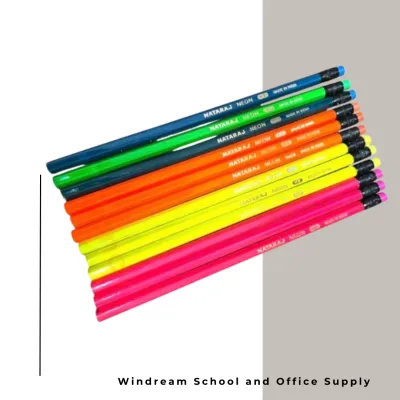
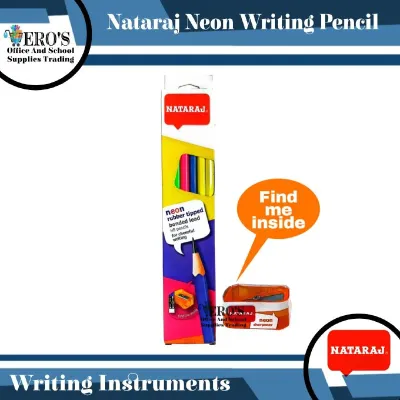
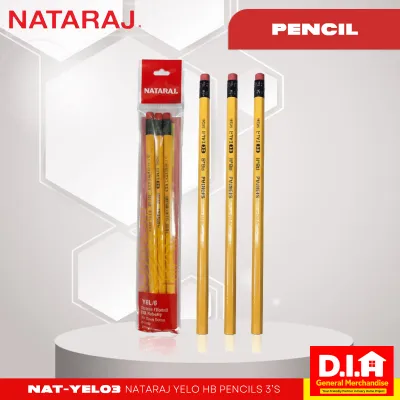
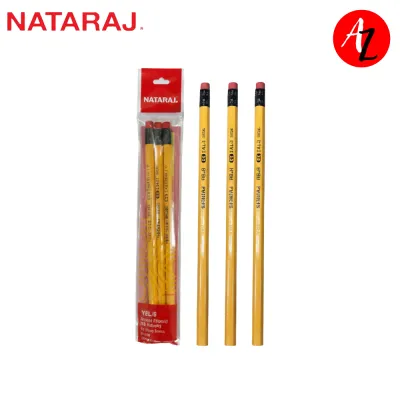
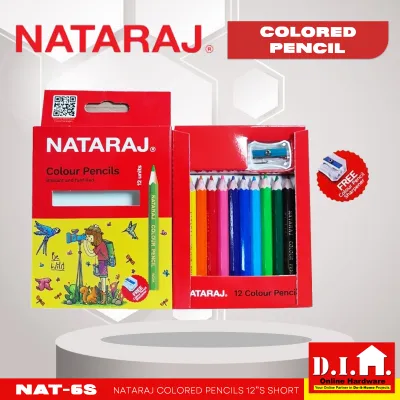
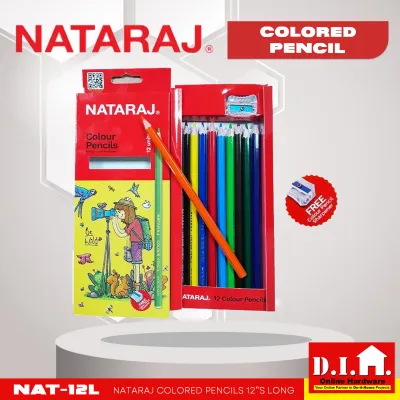
Prices are valid at publication and may change. Please refer to the product page for the latest price.
Beyond the lead formulation, the quality of the wood casing plays a subtle but critical role in the writing experience. Premium wood casings, such as those made from treated cedar or high-grade basswood, absorb the micro-vibrations generated when the pencil tip travels across a page. If a casing is made from low-quality, splintery wood, it may fail to hold the lead securely, leading to microscopic shifting that feels rough or unstable in your hand. A well-manufactured casing also ensures the lead remains perfectly centered, which prevents uneven wearing of the tip.
Finally, the paper surface itself acts as the second half of the writing equation. Paper texture, often referred to as “tooth,” varies widely from smooth, coated copy paper to rough, fibrous newsprint or standard school pad paper. A highly textured paper will shave off more graphite with each stroke, which can make even a hard pencil feel somewhat tactile, while a very smooth paper requires a well-balanced lead to avoid slipping or skipping. When assessing smoothness, you must always consider the specific paper medium you intend to use daily.
Nataraj Pencils: Profile and Daily Use Performance
Nataraj pencils, manufactured by Hindustan Pencils, are a familiar sight in many classrooms and offices, offering a distinct aesthetic and a reputation for reliable utility. The brand’s standard HB and 2B offerings are designed to meet the needs of high-volume writers who require consistent performance without a premium price tag. In daily use, the standard Nataraj HB pencil delivers a balanced line darkness that is highly legible, making it suitable for standard school examinations, office forms, and rapid note-taking.

When it comes to sharpening and durability, Nataraj pencils generally feature a sturdy wood casing that holds up well under standard manual or mechanical sharpeners. The wood is treated to allow for clean, continuous shavings, reducing the likelihood of splintering that can ruin a pencil’s grip or expose sharp edges. The lead itself is formulated to resist breakage under moderate writing pressure, which is particularly beneficial for students who may not yet have developed a light touch.
These characteristics make Nataraj pencils highly suitable for specific daily scenarios. They perform exceptionally well in high-volume environments where pencils are frequently misplaced, shared, or consumed rapidly. For general note-taking, quick sketching, and daily journaling on standard notebook paper, they provide a dependable baseline. Their cost-efficiency makes them an attractive option for families preparing school supplies or offices stocking up on communal stationery.
Nataraj vs. Competitors: Feature and Experience Comparison
When comparing Nataraj to other popular brands available in the Philippines, such as Mongol, Faber-Castell, and Staedtler, the differences in graphite consistency and darkness become apparent. While all these brands offer standard HB grades, each manufacturer interprets the HB standard slightly differently. Some brands lean toward a darker, softer formulation that mimics a 2B feel, while others prioritize a firmer, lighter line that resists wearing down. These subtle variations can significantly alter how smooth the pencil feels during extended writing sessions.
Smudge resistance and erasing cleanliness are also critical factors to compare, especially for left-handed writers whose hands drag across freshly written text. A softer, smoother lead often leaves behind excess graphite dust that smudges easily under humid conditions. Conversely, a firmer lead might resist smudging but require more physical effort to erase completely, sometimes leaving ghost lines or tearing thin paper. Evaluating how cleanly a pencil’s mark can be removed is essential for maintaining neat notebooks and professional documents.
To help you compare these options, the table below outlines the observable traits of these common brands. Because individual manufacturing batches and local storage conditions can vary, you should use these criteria as a guide for your own manual testing.
| Brand | Typical Lead Centering | Eraser Cleanliness | Wood Splintering Tendency | Recommended Test Method |
|---|---|---|---|---|
| Nataraj | Check visually at tip | Test with built-in or vinyl eraser | Inspect shavings for clean cuts | Perform the Figure-8 test on standard pad paper |
| Mongol | Check visually at tip | Test with iconic pink eraser | Inspect for smooth sharpening | Test smudge resistance with a quick finger swipe |
| Faber-Castell | Check visually at tip | Test with dust-free eraser | Inspect for splinter-free finish | Compare line darkness against standard HB |
| Staedtler | Check visually at tip | Test with vinyl eraser | Inspect casing alignment | Verify lead breakage resistance under heavy pressure |
Note: Because wood quality and graphite mixtures can change based on the specific product line and manufacturing origin, always inspect the physical pencil and perform a quick test write before purchasing in bulk.
Decision Framework: Which Pencil Should You Choose?
Choosing the right pencil requires balancing your specific writing habits, paper choices, and budget. You should choose Nataraj if you are looking for a highly reliable, cost-effective daily writer (often costing under ₱10 per piece) that handles high-volume tasks without breaking your budget. It is an excellent choice for standard schoolwork, office note-taking, and situations where pencils are frequently shared or lost. Its balanced HB formulation provides a dependable middle ground between darkness and durability for everyday Philippine classroom and office settings.
On the other hand, you may want to opt for premium or specialized drafting brands if your work demands absolute line precision, minimal smudging, or a wide range of specific hardness grades. Technical illustrators, architects, and artists often require the strict quality control and specialized graphite formulations of professional-grade pencils to ensure their lines remain consistent across large-scale drawings. These premium options also tend to feature superior wood casings that minimize micro-vibrations during delicate work.
For young children who are still learning to control their writing pressure, budget-friendly local alternatives or bulk school-grade pencils are often the most practical choice. At this stage, pencils are frequently dropped, chewed, or misplaced, making the advanced features of premium writing tools unnecessary. A sturdy, break-resistant pencil that can withstand rough handling is far more valuable than a highly specialized graphite formula.
Before committing to a large purchase for your school, office, or personal collection, always verify how a pencil performs under your specific writing conditions. If you have a heavy writing hand, use highly textured paper, or write with your left hand, a brief physical test is the only way to guarantee a smooth, smudge-free experience.
How to Verify Smoothness Before Buying in Bulk
To ensure you select a pencil that meets your expectations for smoothness and durability, you can perform a few simple, observable tests using a single sample pencil before buying in bulk. The first and most effective test is the “Figure-8” test. On a sheet of your preferred daily paper, draw continuous, overlapping figure-eight loops using varying levels of hand pressure. This test allows you to feel if the graphite skips, scratches the paper, or produces inconsistent line darkness as the angle of the pencil changes.
Next, perform a quick smudge check to evaluate how well the graphite adheres to the paper fibers. Write a few words or draw a solid block of graphite, then immediately swipe your finger or the side of your hand across the markings. This is especially important in humid environments, where moisture can cause loose graphite particles to smear across the page, ruining neat work.
Finally, conduct a sharpening check to evaluate the structural integrity of the pencil. Use a standard manual sharpener to bring the pencil to a fine point, observing whether the wood shaves away in clean, continuous ribbons or crumbles into rough splinters. Inspect the sharpened tip to ensure the graphite core is perfectly centered within the wood casing; an off-center lead is a primary cause of frequent breakage and uneven wear during daily use.
Frequently Asked Questions (FAQ)
Does a more expensive pencil always write smoother?
Not necessarily. While a higher price point often reflects stricter quality control, premium wood casings, and more refined graphite purification processes, it does not guarantee a smoother feel for every user. A premium pencil designed for technical drafting may have a hard, firm lead that feels scratchy to someone who prefers a soft, dark line. For everyday writing on standard paper, a moderately priced pencil can feel just as smooth as an expensive one, provided the graphite-to-clay ratio matches your writing pressure.
How can I make my current pencils write smoother?
If your current pencils feel scratchy, you can improve the writing experience by changing your paper or writing surface. Placing a soft backing, such as a few extra sheets of paper or a smooth desk mat, under your page can cushion your strokes and reduce friction. You can also try adjusting your grip to apply lighter pressure. However, if the lead itself is too hard, the most effective solution is to switch to a softer grade, such as moving from an HB to a 2B pencil.
Why does my pencil keep breaking when I sharpen it?
Frequent lead breakage during sharpening is usually caused by either a manufacturing defect or a dull sharpener blade. If the graphite core is off-center or has internal air gaps from poor manufacturing, it will snap easily under the pressure of sharpening. To prevent this, ensure your sharpener blade is sharp, and try holding the pencil steady while rotating the sharpener around it, rather than twisting the pencil itself, to minimize lateral stress on the lead.

Community discussion
Share your experience or ask a question. Comments are reviewed before publication.