
Net cloth fabric is a versatile textile defined by its open, grid-like structure, which creates a distinct pattern of spaces between intersecting yarns. This open construction makes it highly breathable, lightweight, and visually transparent, making it a popular choice for layering, structural support, and ventilation in various garments. When planning a sewing project, selecting the right net fabric involves evaluating its mesh count, fiber content, and stretch properties to ensure it matches the functional and aesthetic requirements of your design.
What Defines Net Cloth Fabric?
The defining characteristic of net cloth fabric is its open-grid construction, where yarns are looped, knotted, or woven at regular intervals to form visible spaces. The size and shape of these openings directly influence the fabric’s overall breathability, drape, and transparency. Larger openings allow maximum airflow and high visibility, whereas smaller, denser grids offer more structure and a subtler sheer effect.
The base fiber content plays a critical role in determining the fabric’s durability, hand feel, and maintenance requirements. Most modern net fabrics are made from synthetic fibers like polyester, nylon, or elastane, which provide excellent strength and resistance to moisture. Polyester nets tend to be highly durable and resistant to wrinkling, while nylon nets offer a softer hand feel but may require gentler handling during washing.
Products mentioned in this guide
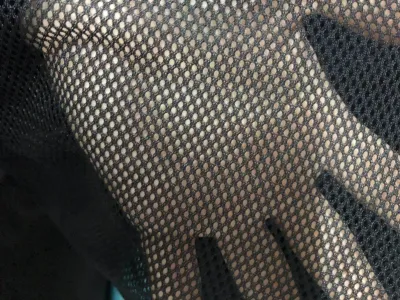
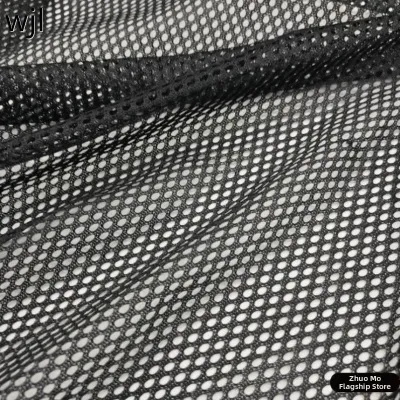
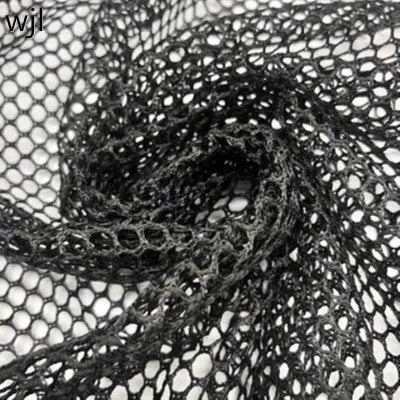
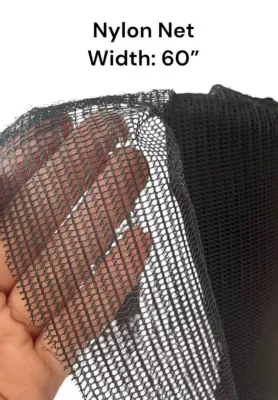
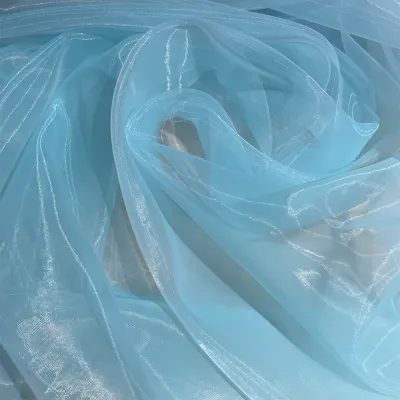
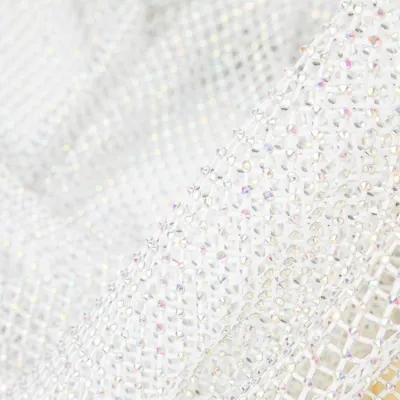
Prices are valid at publication and may change. Please refer to the product page for the latest price.
Stretch and recovery are equally vital properties that dictate how the fabric behaves both during construction and during wear. Some net fabrics are completely stable and rigid, providing excellent structural support for structured garments, while others contain blended elastic fibers that allow them to stretch and return to their original shape. Understanding these physical characteristics helps you anticipate how the fabric will drape on the body and how it will react under the sewing machine needle.
Common Types of Net Cloth Fabric for Sewing
Net fabrics are categorized into several distinct types based on their mesh size, weight, and elasticity. Because commercial naming conventions can vary widely between local textile suppliers and online marketplaces, it is always practical to verify the physical properties of the fabric rather than relying solely on the product label. Testing a small swatch for stiffness, stretch, and hole density is the most reliable way to confirm its suitability for your project.

Tulle and Illusion Netting
Tulle and illusion netting are fine-mesh fabrics characterized by very small, hexagonal openings that create a delicate, sheer appearance. Depending on the fiber blend and manufacturing process, these fabrics can range from incredibly soft and draping to stiff and voluminous. Stiffer varieties are excellent for creating structural volume under skirts, while softer versions drape elegantly over evening wear.
These delicate nets are commonly used for bridal veils, formal gown overlays, and decorative accents on lightweight garments. Because of their fine structure, they require careful handling during the sewing process. Using a fine needle and adjusting your machine’s tension control are essential steps to prevent the delicate mesh from puckering or getting pulled down into the needle plate.
Power Mesh and Stretch Net
Power mesh and stretch net are highly elastic fabrics engineered to provide support, shaping, and flexibility. These fabrics incorporate a significant percentage of elastane or spandex fibers, which gives them excellent four-way stretch and strong recovery properties. This means they can stretch significantly under tension and return to their original dimensions without sagging.
You will frequently find power mesh used as a lining or structural insert in shapewear, lingerie, dancewear, and athletic garments. Because the stretch percentage can vary greatly between different rolls of fabric, it is highly recommended to physically test a stretch swatch before cutting your pattern pieces. Measuring how far a ten-centimeter sample stretches and how cleanly it snaps back ensures your finished garment will fit comfortably and function as intended.
Sports and Utility Mesh
Sports and utility mesh fabrics feature larger hole sizes and are constructed from thicker, more robust yarns designed for ventilation and durability. These fabrics are engineered to withstand abrasion and heavy wear while allowing maximum airflow, making them ideal for active use. They are commonly made from polyester, which resists moisture absorption and dries quickly in humid environments.
Typical applications for these durable nets include sports jerseys, bag linings, pocket panels on backpacks, and outdoor gear. Because the yarns in utility mesh are thicker, the cut edges can feel rough and may snag on delicate items. Applying specific edge-finishing techniques, such as binding the raw edges with bias tape, is often necessary to ensure comfort and prevent the mesh from curling or catching during daily use.
How to Choose the Right Net Fabric for Your Project
Selecting the appropriate net fabric requires a systematic evaluation of your project’s design, functional needs, and care requirements. Begin by assessing the level of opacity, drape, and structural support your pattern demands. If your design requires a soft, flowing overlay that moves with the body, a soft tulle or lightweight stretch net is appropriate; if you need to add structure or volume, a stiffer utility net or classic tulle is more suitable.
Next, examine the mesh count and hole size of the fabric in relation to where it will sit on the body. For garments that come into direct contact with sensitive skin, avoid nets with large, stiff holes or rough synthetic fibers, as these can cause chafing and discomfort, especially in warm, humid tropical climates. Instead, opt for soft, fine-mesh varieties or plan to line the garment with a smooth, breathable fabric.
Before purchasing bulk yardage from a local shop or an online marketplace, always verify the stretch direction and recovery of the fabric. Physically manipulate a swatch by pulling it lengthwise and crosswise to determine if it has two-way or four-way stretch, and observe how quickly it recovers its shape. This step is crucial for activewear and fitted garments, where incorrect stretch behavior can ruin the fit of the finished piece.
Finally, consider the long-term maintenance of the garment by checking the fabric’s care instructions. In warm climates like the Philippines, where clothing requires frequent washing due to humidity, choose durable, machine-washable polyester nets over delicate nylon varieties that may require hand washing or dry cleaning. Matching the fabric’s care needs to your lifestyle ensures the finished garment remains durable and easy to maintain over time.
Essential Sewing and Handling Tips for Net Fabrics
Sewing with net fabrics can be challenging due to their open structure and tendency to shift, but using the right tools and techniques makes the process manageable. When cutting your pattern pieces, avoid using pins, which can slip through the mesh holes or distort the fabric. Instead, lay the fabric flat on a cutting mat, secure it with heavy pattern weights, and use a sharp rotary cutter or high-quality sewing shears to achieve clean, precise edges.
Adjusting your sewing machine settings is critical for achieving clean seams without damaging the delicate mesh. For elastic nets like power mesh, always use a stretch or ballpoint needle, which slides between the fabric fibers rather than piercing and tearing them. Additionally, reducing the presser foot pressure slightly can prevent the machine from stretching the fabric out of shape as it feeds through.
Seam finishing is another important consideration, as the open structure of net fabrics can leave raw edges exposed to friction. While synthetic nets do not fray in the same manner as woven cotton, their edges can still curl, scratch the skin, or snag on other fabrics. Finishing seams with a clean serged edge, a French seam, or by binding them with lightweight bias tape provides a professional look and protects the wearer from irritation.
Before stitching your actual garment pieces, always perform a test run on a scrap piece of the same net fabric. Observe the stitch quality closely; if you notice skipped stitches, puckering, or small tears in the mesh, stop and adjust your stitch length, tension, or needle size. Taking the time to fine-tune your machine settings on a test swatch prevents costly mistakes and ensures a clean, durable finish on your final project.
Frequently Asked Questions (FAQ)
Does net cloth fabric fray when cut?
Unlike traditional woven cotton fabrics, most synthetic net fabrics do not fray or shed loose threads along cut edges because their knit or knotted construction holds the fibers in place. However, depending on the specific knit structure, some net fabrics can curl at the edges, snag easily, or slowly unravel if subjected to heavy friction. To determine how your specific fabric will behave, cut a small test swatch and rub the edges firmly; if you notice curling or snagging, finish the edges with a zigzag stitch, serging, or bias binding to keep them clean and stable.
Can I use standard sewing machine needles for net cloth?
Using a standard universal needle is acceptable for stiff, non-stretch net fabrics like classic tulle, but it is not recommended for elastic varieties. For stretch nets and power mesh, you should use a ballpoint or stretch needle, which has a rounded tip designed to slide between the knit loops without piercing or breaking the elastic fibers. Always match the needle size to the thickness of the mesh yarns, and replace the needle immediately if you observe skipped stitches, snags, or puckering during your test stitches.

Community discussion
Share your experience or ask a question. Comments are reviewed before publication.