
Finding the right notebook with ballpen is not about tracking down the most expensive luxury set on the market. Instead, it requires matching the physical specifications of the paper, the binding, and the pen’s ink delivery to your daily environment. A student rushing between humid lecture halls needs a completely different setup than an office professional presenting in an air-conditioned boardroom or a creative individual journaling at a local café. By focusing on how these tools perform under specific conditions, you can avoid common frustrations like smudged ink, torn pages, and bulky covers.
Identifying Your Core Daily Scenario
To find your ideal stationery pairing, start by analyzing where and how you write most frequently. Daily writing habits generally fall into three distinct categories: student use, professional office tasks, and personal logging. Students typically require high mobility and rapid, continuous writing, making durability and fast-drying ink their primary concerns. Office professionals, on the other hand, prioritize structured organization and a polished, formal presentation that fits seamlessly into corporate meetings. Personal users often seek tactile comfort, lay-flat designs, and layout flexibility for unstructured thoughts, sketching, or daily journaling.
Beyond the purpose of your writing, consider the physical environment where your notebook will spend most of its time. A notebook carried daily in a backpack through humid commutes and sudden tropical rain showers needs robust protection, such as water-resistant covers and secure closures. Conversely, a notebook that rarely leaves a dry office desk can prioritize premium paper texture and elegant, exposed bindings over rugged durability. Understanding these environmental factors helps you narrow down the physical specifications before you spend your budget.
Products mentioned in this guide
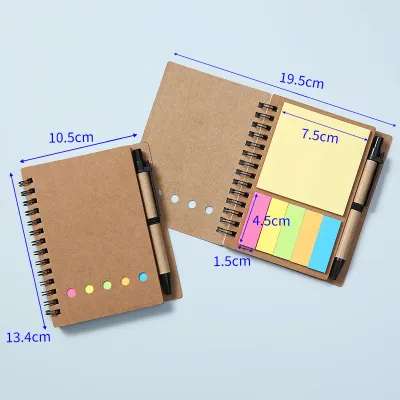
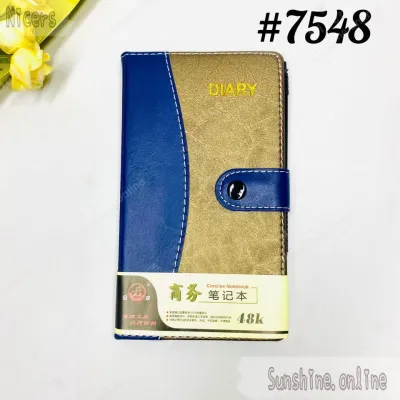
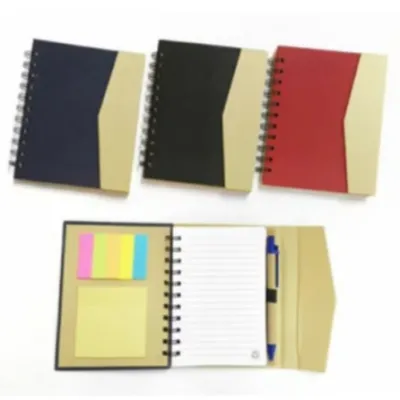
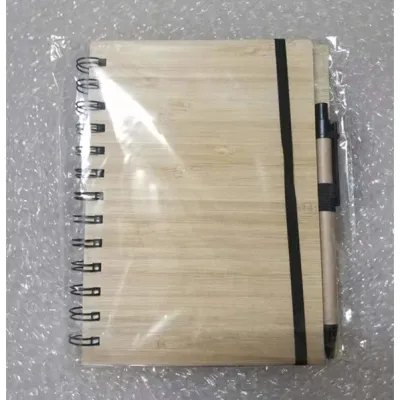
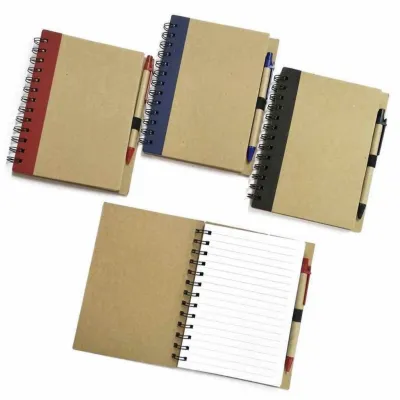
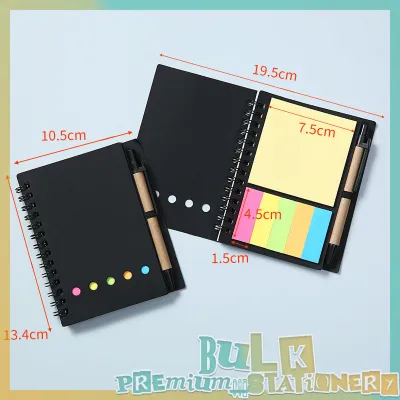
Prices are valid at publication and may change. Please refer to the product page for the latest price.
Student Configurations: Prioritizing Portability and Fast Note-Taking
For students, a notebook with ballpen must be highly portable, durable, and optimized for rapid-fire writing. The ideal size is typically A5 or B5, as these dimensions offer a generous writing area while fitting easily into standard backpacks and messenger bags. These sizes are also compact enough to rest comfortably on small lecture hall desks or even on your lap when desk space is unavailable. Look for lightweight covers made of flexible plastic or reinforced cardstock to keep your bag as light as possible during long commutes.

The relationship between paper texture and ink drying speed is critical for fast note-taking, especially in warm, humid climates. High humidity can slow down ink drying times, leading to frustrating smudges as your hand moves across the page. To combat this, pair a standard oil-based ballpen with uncoated, slightly textured paper. Uncoated paper fibers absorb the oil-based ink quickly, allowing you to turn pages immediately without transferring wet ink to the facing sheet. Avoid highly glossy or coated papers, which tend to keep ink sitting on the surface for too long.
Binding durability is another non-negotiable factor for active student life. Double-loop wire bindings or heavily stitched lay-flat spines are excellent choices because they resist bending and tearing when stuffed into crowded bags. Additionally, look for notebooks that feature integrated pen security, such as a sturdy elastic pen loop or a secure front-cover slot. Keeping your ballpen physically attached to the notebook ensures you never waste time rummaging through your bag for a writing instrument when a lecture begins.
Office Configurations: Balancing Professional Presentation and Organization
In a professional office setting, your stationery choices contribute directly to your workplace presentation. A notebook with a sleek faux-leather or rigid hardbound cover in neutral tones like navy, black, or charcoal projects a polished, organized image during client meetings and boardroom presentations. These sturdy covers also provide a firm surface for writing when you are standing or away from your desk, ensuring your handwriting remains legible and neat.
Organization is the primary driver for office page layouts. Ruled pages with subtle margin lines or dotted grids are highly effective for structuring meeting minutes, tracking project milestones, and listing daily action items. Some professional notebooks also include built-in index pages, numbered sheets, or color-coded edge markers, which allow you to locate specific meeting notes weeks after they were written. This structured approach prevents important details from getting lost in a sea of continuous text.
The accompanying ballpen should match this professional aesthetic while offering reliable performance. A pen with a comfortable, textured grip reduces hand fatigue during long planning sessions, while a consistent 0.5mm or 0.7mm fine tip ensures clean, precise lines. For long-term physical record keeping, verify that the notebook uses acid-free paper. Acid-free paper resists yellowing and deterioration over time, preserving your professional records, project archives, and signatures in pristine condition for years.
Personal Configurations: Focusing on Paper Feel and Binding Flexibility
Personal writing, such as journaling, creative brainstorming, or daily reflection, is deeply tied to the tactile experience of writing. For these activities, lay-flat thread binding is highly recommended. This binding style allows the notebook to open completely flat on a table, giving you comfortable, unobstructed access to the entire page spread. You can write close to the center spine without having to hold the pages down with your free hand, creating a much more relaxed and immersive writing experience.
Paper quality and thickness are central to the sensory appeal of personal notebooks. Look for paper weights between 80 gsm and 100 gsm, which offer a smooth, luxurious glide for your ballpen while providing excellent opacity. This thickness prevents the ink from bleeding through to the other side of the page, allowing you to use both sides of each sheet confidently. The smooth surface minimizes friction, making long, reflective journaling sessions feel effortless and satisfying.
Layout freedom is also essential for personal expression. Dotted, blank, or very lightly ruled pages give you the flexibility to mix standard text with sketches, mind maps, and creative layouts. To enhance this daily ritual, look for thoughtful design details such as integrated ribbon bookmarks to mark your place, an expandable back pocket to store loose mementos or stickers, and an elastic band closure to keep the notebook securely closed when not in use.
Cross-Scenario Compatibility: Choosing a Versatile Notebook with Ballpen
If your daily routine requires you to transition constantly between classes, office meetings, and personal writing, a versatile, middle-ground configuration is the most practical choice. Opt for a medium-sized A5 notebook with a minimalist, solid-colored cover. This design is professional enough for a corporate desk, yet casual and compact enough for a university classroom or a local coffee shop. It strikes the perfect balance between writing space and daily portability.
Choosing a multi-use setup does involve some expected compromises. For instance, you may have to accept a slightly heavier notebook to get the high-quality paper needed for clean writing, or settle for a standard pen grip that is functional but not highly specialized. However, these trade-offs are often worth the convenience of carrying only one book. To maximize the lifespan of a versatile setup, consider modular options like refillable notebook covers or binder systems, which allow you to swap out used paper packs while keeping the same durable outer shell.
Similarly, look for bundled sets where the included ballpen uses standard, widely available ink refills. Being able to replace the ink cartridge easily means you can keep using a comfortable, matching pen body indefinitely, rather than discarding the entire pen once the initial ink supply runs out. This modular approach is both cost-effective and environmentally friendly.
Pre-Purchase Verification Checklist
Before purchasing a notebook with ballpen from an online marketplace or a local stationery store, take a moment to verify the product specifications to ensure they match your needs. First, check the paper details provided by the manufacturer. Look for explicit mentions of paper weight (measured in gsm) and compatibility with different ink types. If you write in humid environments, prioritize uncoated paper options that promote faster ink absorption and minimize smudging.
Next, inspect the specifications of the included ballpen. Verify the tip size, the ink formulation (such as traditional oil-based or smooth hybrid ink), and the retraction mechanism. A click-retractable pen is highly convenient for quick notes, while a capped pen offers extra protection against accidental ink stains in your bag. Additionally, examine the product images closely to evaluate the binding quality, looking for reinforced stitching, secure metal spirals, or robust glue lines along the spine.
Finally, ensure a safe purchasing experience by buying from official brand stores or authorized stationery retailers on your chosen ecommerce platform. Purchasing from verified sellers guarantees that you receive genuine paper stock that resists bleeding and a high-quality ballpen that writes smoothly without skipping. Taking these verification steps helps you secure a reliable, long-lasting writing tool that perfectly supports your daily routine.
Frequently Asked Questions (FAQ)
Can I use a gel pen instead of a ballpen with these notebooks?
Yes, but you must pay closer attention to the notebook’s paper specifications. Gel ink is water-based and flows more heavily than oil-based ballpoint ink, which means it requires thicker, more absorbent paper to prevent feathering and bleed-through. If you plan to use gel pens frequently, look for notebooks with a paper weight of at least 80 gsm to 100 gsm and a smooth, high-density finish that can handle the wetter ink without warping.
What should I do if the included ballpen runs out of ink?
When the bundled ballpen runs out of ink, check the pen body for a brand name or model number to identify compatible refills. Many high-quality notebook sets include pens that accept standard international refills, such as D1 or G2 style cartridges, which are easy to find at local stationery shops. If the pen is a promotional or proprietary model that does not support standard refills, you will need to replace the pen itself while continuing to use the notebook.

Community discussion
Share your experience or ask a question. Comments are reviewed before publication.