
Oyumaru plastic clay is a reusable, rubbery thermoplastic material that softens when exposed to hot water and hardens as it cools back to room temperature. Unlike traditional modeling clays that cure permanently through chemical reactions or air exposure, this material can be reshaped indefinitely. Crafters, hobbyists, and model makers frequently use it to create quick molds, replicate small parts, or craft custom accessories. Understanding how this unique compound behaves under different temperatures is key to determining if it is the right fit for your creative projects.
What Is Oyumaru Plastic Clay? Core Material Properties
At its core, Oyumaru is a reusable thermoplastic polymer. Unlike chemically curing clays—such as polymer clay, which undergoes an irreversible chemical change when baked, or air-dry clay, which loses moisture to set permanently—thermoplastics rely entirely on physical state changes. When cold, the material is firm, slightly flexible, and holds its shape. When heated, the intermolecular bonds temporarily weaken, allowing the material to be stretched, pressed, and molded into virtually any shape.
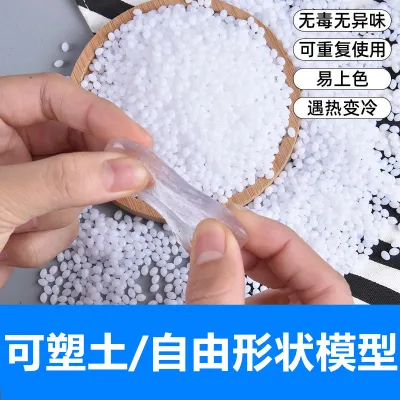
Observing the physical traits of the clay helps crafters identify its current state. At room temperature, the material typically feels like a dense, stiff rubber eraser. It has a semi-translucent appearance, allowing light to pass through slightly, which is particularly useful when aligning molds or checking for air bubbles. Once heated to its softening point, it becomes highly pliable, sticky enough to adhere to itself, and noticeably more transparent.
Products mentioned in this guide
Prices are valid at publication and may change. Please refer to the product page for the latest price.
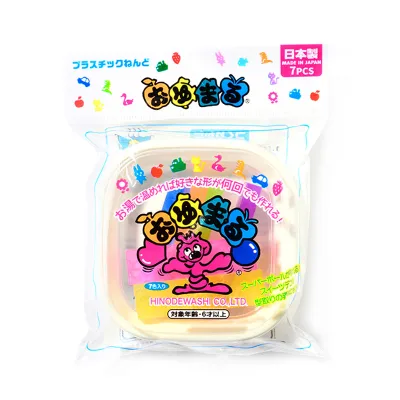
This material is commonly sold in small, rectangular sticks or blocks, often packaged in multi-colored assortments. Authentic packages usually feature clear labeling indicating its thermoplastic nature and instructions for safe heating. When verifying the grade of your material, look for uniform color distribution and a smooth, non-greasy surface texture in its cool state.
How the Heating and Molding Mechanism Works
The transition from a solid block to a moldable medium requires a controlled heating source. Hot water is the standard medium used to soften the clay safely and evenly. Because different formulations may have slight variations in their melting points, always check the manufacturer’s packaging for the recommended water temperature threshold. Generally, the water must be hot but not boiling—typically around 80 degrees Celsius—to initiate the softening process without degrading the polymer structure.

To begin, submerge the clay block in the hot water using a heat-resistant container. As the heat penetrates the material, you will observe a distinct physical change: the clay will lose its stiffness and become soft, pliable, and increasingly translucent. This transition usually takes a few minutes depending on the thickness of the block. Once it reaches a uniform, dough-like consistency, it is ready to be retrieved and shaped.
Safety is paramount during the heating and molding process to prevent thermal injuries. Never retrieve the softened clay with your bare hands; instead, use safe handling tools such as silicone-tipped tongs or a slotted spoon. Place the heated clay onto a clean, dry towel to blot away excess hot water before handling. Before pressing the material onto a mold or model, gently test its temperature with a quick touch to ensure it will not burn your skin. If the clay feels uncomfortably hot, allow it to cool for a few seconds until it is safe to handle while remaining pliable. Once molded, the clay will gradually cool and return to its firm, rubbery state within a few minutes, though you can accelerate this cooling process by submerging the finished mold in cold water.
Is Oyumaru Right for Your Project? Crafting Applications and Limits
Oyumaru is highly valued for specific crafting tasks, particularly custom mold making, prototyping, and small-scale repairs. Because it does not stick permanently to cured plastics, resins, or metals, it serves as an excellent material for creating quick, two-part molds to replicate miniature parts, toy accessories, or custom jewelry components. It is also useful for creating temporary ergonomic grips on tools or pens, as it can be molded directly around the handle and reshaped if the grip needs adjustment.
However, the material has distinct structural and functional limitations that crafters must consider. It lacks the high load-bearing capacity of epoxy clays or cured polymer clays, making it unsuitable for structural joints or heavy-duty mechanical parts. Additionally, while it captures surface textures well, it may not retain microscopic details as sharply as liquid silicone. Environmental sensitivity is another critical factor, especially in tropical climates like the Philippines. In areas with high ambient temperatures, storing finished pieces in unventilated spaces—such as tin-roofed workshops, sunny windowsills, or inside parked vehicles—can cause the material to soften and lose its shape over time.
To help you decide if this thermoplastic fits your workflow, consider how it compares to other common modeling mediums:
| Material Type | Reusability | Curing Method | Finished Texture | Primary Use Case |
|---|---|---|---|---|
| Thermoplastic Clay | Infinitely reusable via heat | Physical cooling (reversible) | Flexible, rubbery, semi-translucent | Quick mold making, prototyping, temporary parts |
| Polymer Clay | Non-reusable once baked | Oven baking (irreversible) | Rigid, durable, opaque or specialty finishes | Detailed figurines, jewelry, permanent sculptures |
| Air-Dry Clay | Non-reusable once dry | Evaporative drying (irreversible) | Matte, porous, lightweight, paintable | Large sculptures, pottery, school crafts |
Maintenance and Reusability: Keeping Your Thermoplastic Clay in Good Condition
Maintaining the cleanliness of your thermoplastic clay is essential for preserving its clarity and ensuring high-quality mold impressions. Before and after each molding session, clean the surface of the clay to remove dust, pocket lint, or skin oils. You can wash the cool, hardened clay with mild dish soap and cool water, gently rubbing the surface with your fingers. Avoid using harsh chemical solvents or abrasive pads, which can degrade the polymer or scratch the smooth surface.
Proper storage is equally important to extend the lifespan of the material. Store the clay in a cool, dry container away from direct sunlight and heat sources. In humid, tropical environments, keeping the clay in a sealed plastic container or a dedicated drawer prevents dust accumulation and protects it from ambient moisture that could harbor mold on organic residues left on the clay.
Before reheating used clay for a new project, perform a quick state check. Examine the material for signs of degradation or failure. While the clay is highly durable, repeated heating cycles can eventually lead to brittleness, discoloration, or a loss of elasticity. If you notice embedded impurities that cannot be washed away, or if the clay becomes crumbly and fails to soften uniformly in hot water, it is time to dispose of that piece and replace it with fresh material. Reusability makes it a cost-effective choice compared to purchasing multiple ₱150 packs of single-use modeling compounds, provided the material is kept clean and free of debris.
Frequently Asked Questions (FAQ)
Can thermoplastic clay be painted or glued after cooling?
Yes, but because the cooled clay has a non-porous, rubbery surface, standard water-based paints and glues will not adhere well without proper preparation. If you wish to paint a finished piece, apply a plastic-compatible primer first to create a textured surface for the paint to grip. For bonding, select flexible adhesives designed specifically for plastics, as rigid glues like standard superglue may crack and peel off when the flexible clay bends. Always test your chosen paint or adhesive on a small, hidden area or a scrap piece of the clay first to verify compatibility and adhesion strength.
What safety precautions are needed when heating the clay?
Because the softening process requires hot water, safety precautions are necessary to prevent accidental burns. Children should always have adult supervision when using this material, and young children should not handle the hot water or heated clay independently. Always use safe handling tools, such as tongs or a slotted spoon, to retrieve the clay from the hot water container. Never touch the clay immediately after retrieval; let it rest on a dry towel for a few moments to allow surface water to drain and the temperature to drop to a safe, comfortable level before molding it with your hands.

Community discussion
Share your experience or ask a question. Comments are reviewed before publication.