
The Panda Sign Pen S2500 is a popular choice for those seeking bold, legible lines for signing, marking, and everyday writing. To determine if this pen fits your specific needs, you must evaluate its core specifications—such as tip size, ink type, and paper compatibility—against your daily writing tasks. Examining packaging details and conducting simple, practical tests under local conditions, such as high tropical humidity, will help you make an informed purchase.
Choosing the right writing instrument involves matching the pen’s physical design with your personal writing style. By examining the packaging details and conducting simple, practical tests, you can ensure that this model delivers the smooth flow and durability you require for school, office, or creative work.
Decoding the Core Specifications
When selecting a sign pen, the first details to examine are the specifications printed on the packaging or the pen barrel. The tip size measurement, typically indicated in millimeters, dictates the thickness of your writing line. A larger tip size produces a bold and highly visible stroke that is ideal for official signatures, grading papers, or creating clear labels. If your daily tasks involve writing in tight spaces, such as compact planners or small ledger columns, a finer tip size may be more appropriate to prevent your letters from running together.
Products mentioned in this guide
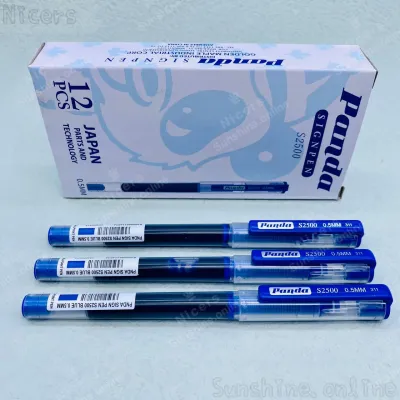
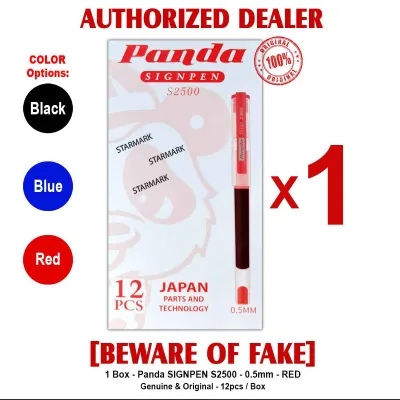
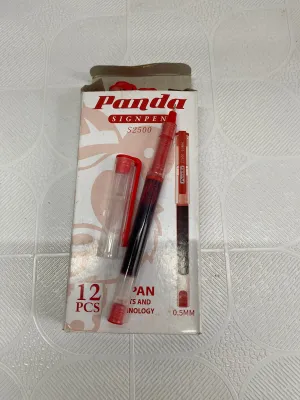
![[FPS FairPriceSupplies] Panda 0.5mm Sign Pen T-2000 / S2500 - sold per piece](https://img.lazcdn.com/g/p/364333e918851cf593b868d9c2eda622.jpg_400x400q80.jpg_.webp)
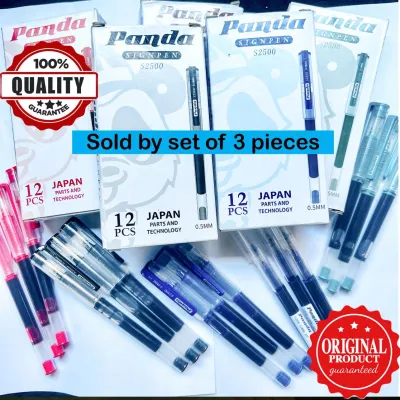
Prices are valid at publication and may change. Please refer to the product page for the latest price.
The ink formulation is another critical factor that determines how the pen behaves on paper. Sign pens generally utilize water-based dye inks or gel-based formulas. Water-based inks are known for their exceptionally smooth flow and low writing resistance, allowing the pen to glide effortlessly across the page. However, because water-based ink is highly fluid, it requires a moment to absorb into the paper fibers, making it essential to identify the ink type from the product description before purchasing.
Finally, you should check the manufacturer’s notes regarding intended writing surfaces and paper compatibility. Most standard sign pens are designed specifically for porous surfaces like copy paper, cardboard, and notebook pages. Writing on non-porous or glossy surfaces, such as plastic labels, laminated sheets, or coated photo paper, can prevent water-based ink from drying, leading to immediate smudging. Always verify these compatibility guidelines on the packaging to avoid ruining important documents.
Evaluating Ink Performance and Tip Durability
Because environmental factors can significantly influence how ink behaves, conducting a few simple tests on your preferred paper is the best way to evaluate real-world performance. In humid tropical climates, paper sheets naturally absorb moisture from the surrounding air, which can alter how they interact with liquid ink. To perform a bleed-through and feathering test, write a few sentences on a sample sheet of your go-to notebook or office copy paper. Observe whether the ink spreads outward along the paper fibers (feathering) or leaks through to the opposite side of the page (bleed-through), which can make writing on both sides of a sheet impossible.

Dry time is equally important, especially for left-handed writers whose hands glide over freshly written text, or for fast note-takers who need to close their notebooks quickly. You can assess smudge resistance by drawing a series of straight lines and running a clean finger across them after one, three, and five seconds. This simple test helps you establish the safe handling window for the ink under your local humidity levels, ensuring your work remains clean and professional.
The durability of the pen tip also plays a major role in your overall writing experience. Sign pens often feature fiber, plastic, or durable felt tips that can wear down over time if subjected to excessive pressure. During your initial writing strokes, pay close attention to the consistency of the ink line and the feel of the tip against the paper. A high-quality tip should feel smooth and consistent, without scratching the paper or requiring you to press down hard to maintain a steady ink flow.
Color Options and Use Case Matching
Before finalizing your purchase, it is wise to verify the exact color options available from authorized local stationery retailers or online marketplaces. While classic black, blue, and red are the standard offerings for most sign pen lines, shade intensity can vary between brands. Checking the available color assortment ensures you select the exact tones required for your specific organizational or professional tasks.
Matching the right ink color to your daily activities can improve both productivity and document organization. Black ink is the universal standard for formal documents, official forms, and general writing due to its high contrast and professional appearance. Blue ink is highly favored in corporate and legal environments because it allows readers to easily distinguish an original handwritten signature from a black-and-white photocopy. Red ink remains the primary tool for teachers grading assignments, editors marking up physical drafts, and professionals color-coding critical action items.
You should also assess the vibrancy and opacity of the ink under standard office or home lighting conditions. High-quality sign pen ink should dry to a solid, rich color without looking watery or showing noticeable streaks within a single stroke. If you plan to use the pen for presentations, bold labeling, or study guides, consistent opacity ensures that your writing remains highly legible from a distance.
Pre-Purchase Verification and Storage Care
To ensure you receive a genuine product that performs as expected, always inspect the packaging carefully before buying. Look for intact factory seals, clear batch numbers, and official security stickers on the box or blister pack. Purchasing from reputable stationery shops or authorized online sellers reduces the risk of acquiring older stock that may have suffered from improper storage or ink evaporation.
Once you have the pen in hand, verify that the physical markings on the pen barrel match the advertised specifications on the packaging. Check that the model number, tip size, and ink color printed on the pen itself align perfectly with what is stated on the box. This quick double-check prevents the frustration of opening a package only to find a different color or tip size inside.
Proper storage and daily care are essential to maximize the lifespan of your sign pen and prevent premature drying. Always recap the pen tightly immediately after use; you should hear a distinct click confirming that the cap is fully sealed. In warm climates, leaving a water-based sign pen uncapped for even a few minutes can cause the ink in the tip to dry out, leading to clogs. Additionally, storing your pens horizontally or tip-down in a pen holder helps maintain a consistent gravity-assisted ink flow to the writing point, preventing dry starts.
Frequently Asked Questions (FAQ)
Is the Panda Sign Pen S2500 suitable for signing legal documents?
To determine if this pen is suitable for legal documents, check the packaging or official specifications to see if the ink is rated as archival, waterproof, or fade-resistant. Standard water-based sign pen inks can run or bleed if they come into contact with water, coffee spills, or high moisture levels, which could compromise the integrity of an official signature. It is highly recommended to write a test signature on a scrap piece of paper, let it dry completely, and apply a small drop of water to verify how well the ink resists smearing before signing any critical legal or financial paperwork.
What should I do if the pen skips or stops writing?
If your pen begins to skip or stops writing, you can often restore the ink flow using gentle priming techniques. Try drawing continuous light circles or figure-eights on a piece of rough scrap paper to help draw the ink back down to the tip. Avoid shaking the pen violently, as this can force excess ink into the cap and cause messy leaks. You should also inspect the tip closely for any trapped paper fibers or dust, and try storing the pen tip-down in a cup for a few hours to allow gravity to naturally pull the ink back to the writing point.

Community discussion
Share your experience or ask a question. Comments are reviewed before publication.