
Finding the ideal panda sticker sets for your bullet journal involves more than just picking the cutest designs. To create functional and visually appealing spreads, you must evaluate how the stickers fit your journal’s grid size, how their materials interact with your favorite pens, and how their themes align with your tracking goals. By focusing on these practical specifications, you can curate a sticker collection that seamlessly integrates into your daily logs, habit trackers, and monthly setups without cluttering your pages or causing ink smudges.
Selecting the right stickers also requires understanding how different materials behave under local environmental conditions. For instance, in warm and humid climates like the Philippines, paper-based stickers and adhesives can react to moisture in the air, making storage and material choice critical factors for long-term durability. Whether you prefer minimalist black-and-white layouts or vibrant, colorful spreads, choosing stickers with the right technical properties ensures your journaling experience remains smooth and enjoyable.
What to Look for in Sizes, Quantities, and Materials
When browsing for panda stickers, size is the first critical dimension to analyze. Bullet journals typically use a 5mm dot grid, meaning your layout space is highly structured. Large panda stickers, measuring around 4cm to 6cm, work beautifully as focal points on monthly cover pages, weekly headers, or blank corner spaces. Conversely, daily logs and habit trackers require much smaller filler stickers, ideally between 1cm and 2cm, which can fit neatly inside a few grid squares without overlapping your written tasks.
Products mentioned in this guide
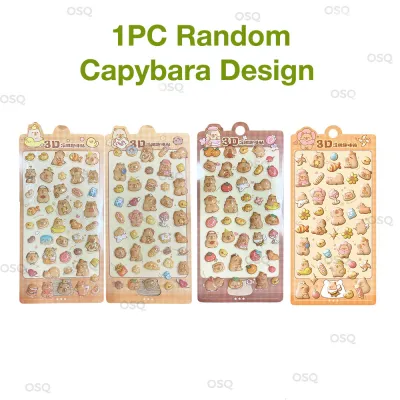
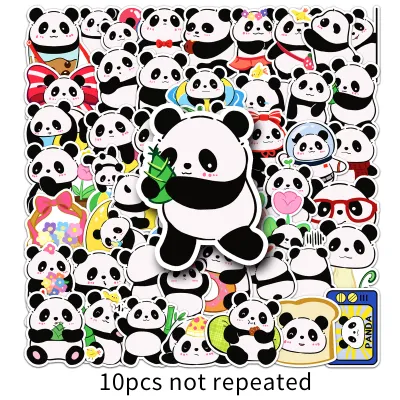
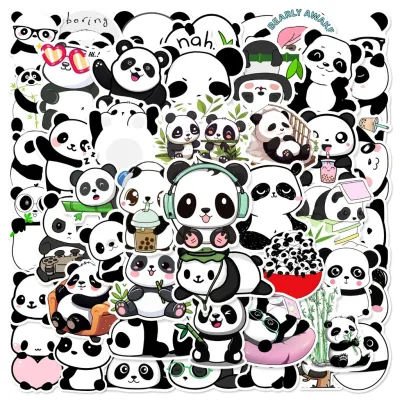
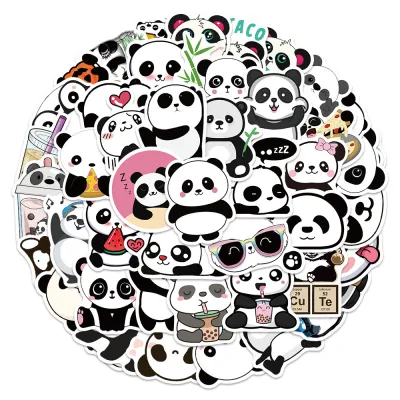
Prices are valid at publication and may change. Please refer to the product page for the latest price.
The cutting format of the sticker sheet significantly impacts your daily journaling workflow. Sticker sets generally come in two formats: die-cut and kiss-cut. Die-cut stickers are individual pieces cut entirely through both the sticker paper and the backing, which can be challenging to peel if you do not have long fingernails. Kiss-cut sheets contain multiple stickers on a single backing page with only the top sticker layer cut, allowing you to peel them off quickly and keep your collection organized in a single folder.
Material compatibility is another essential factor, particularly regarding how the sticker surface accepts ink. Matte paper stickers are the most versatile option for bullet journalers because they behave similarly to regular notebook paper. You can write directly over matte stickers using standard gel pens, fineliners, and water-based markers without worrying about the ink pooling or smearing. The fibrous texture of matte paper absorbs ink quickly, making it ideal for quick daily logging.
On the other hand, glossy paper and clear polyethylene terephthalate (PET) plastic stickers offer vibrant colors and sharp details, but they present writing challenges. Standard water-based gel pens and fountain pens will smudge on these non-porous surfaces because the ink cannot penetrate the material. If you choose glossy or PET panda stickers, you must use permanent markers, oil-based ballpoint pens, or specialized quick-drying pigment liners if you plan to write dates or notes directly onto the sticker surface.
Environmental factors, such as high tropical humidity, can also affect how these materials behave over time. In humid regions, paper stickers are prone to absorbing moisture from the air, which can cause the edges to curl or the adhesive to lose its tackiness. Clear PET stickers are highly resistant to moisture and do not curl, making them an excellent, durable choice for journals that you carry with you daily. However, they require a steady hand and tweezers for precise placement due to their static properties.
Matching Panda Designs to Your Journal Themes
To maintain a cohesive aesthetic throughout your bullet journal, it is helpful to match your panda stickers to specific design themes. Minimalist line art pandas, featuring simple black contours with minimal shading, are excellent for clean, professional layouts. These designs blend seamlessly into monochrome spreads and do not distract from your daily task lists. They allow you to add a touch of personality to your pages while keeping the overall look structured and tidy.

If you prefer a softer, more artistic aesthetic, watercolor panda stickers offer a beautiful, hand-painted look. These stickers often feature gentle color gradients, soft edges, and pastel accents that pair wonderfully with light-colored washi tapes and brush pens. Watercolor designs are particularly suited for weekly spreads or monthly themes that focus on mindfulness, self-care, or seasonal transitions, adding a calming visual element to your pages.
For trackers and interactive pages, kawaii-style panda stickers are highly effective. These cute, expressive characters often depict pandas engaged in specific activities, such as sleeping, reading, drinking boba, or exercising. You can use these action-oriented motifs to represent different habits or moods in your trackers. For example, a sleeping panda sticker can mark a successful night of rest in your sleep log, while a panda holding a book can decorate your reading tracker.
Color coordination is the final element in matching your stickers to your journal’s theme. When selecting a panda sticker set, consider the dominant accent colors in the designs, such as soft pinks, bamboo greens, or neutral grays. Aligning these colors with your existing stationery collection—such as your highlighters, dual brush pens, and washi tapes—ensures that your spreads look intentional and harmonized. A well-coordinated color palette prevents your pages from looking chaotic or visually overwhelming.
How to Filter Listings and Verify Quality Online
Navigating online marketplaces to find high-quality panda stickers requires a strategic approach to filtering search results. Using broad search terms like “panda stickers” often yields thousands of irrelevant results, including large bumper stickers or cheap vinyl decals meant for laptops rather than paper journals. To narrow down your options, use specific search modifiers such as “matte planner stickers,” “A6 sticker sheet,” “kiss-cut journaling stickers,” or “washi paper panda stickers.”
Once you find a promising listing, read the product description carefully rather than relying solely on the main gallery images. Sellers often use stylized, close-up digital mockups that make stickers appear much larger or more vibrant than they are in reality. Look for explicit specifications regarding the sheet dimensions (such as A6 or 10cm x 15cm), the total number of stickers included, and the material type. Checking these details prevents the disappointment of receiving sheets that are too large for your journal grid.
User reviews and customer-uploaded photos are invaluable resources for verifying the actual quality of the stickers before making a purchase. Pay close attention to reviews that mention the precision of the die-cuts or kiss-cuts; poorly calibrated cutting machines can result in off-center borders that cut into the panda designs. Additionally, look for feedback regarding paper thickness, as very thin paper stickers can tear easily during peeling, while excessively thick stickers can make your journal bulky and difficult to write in.
It is also wise to check reviews for comments on adhesive quality and color accuracy. Some low-quality stickers may have weak adhesive that lifts at the corners, especially in humid climates, while others might leave a sticky residue if you try to reposition them. Customer photos often reveal the true color saturation of the prints, helping you determine if the blacks are deep and rich or if they appear faded and gray. Filtering for listings with high ratings and detailed photo reviews ensures a more reliable purchase.
Techniques for Layering and Combining with Other Stationery
Integrating panda stickers into your bullet journal spreads can be elevated by using creative layering techniques. Instead of placing a sticker directly onto a blank white page, try layering it over a strip of torn kraft paper or a piece of grid-patterned washi tape. This technique creates visual depth and anchors the sticker to the page, making it look like an intentional design element rather than an afterthought. You can also use a mild pastel highlighter to create a soft background block before applying the sticker on top.
If you are using matte paper panda stickers, you can utilize their blank spaces for functional writing. Many sticker designs feature pandas holding blank banners, signs, or speech bubbles. You can use a fine-tip gel pen or a pigment liner to write dates, page numbers, short motivational quotes, or task categories inside these blank areas. This combines the decorative element of the sticker with the practical utility of your bullet journal, saving space while keeping the layout engaging.
Proper storage is essential for maintaining the quality of your sticker collection, especially in tropical environments where humidity can degrade adhesives. Store your sticker sheets flat in dedicated sticker books, pocket folders, or airtight plastic containers to prevent the edges from curling. Avoid exposing your stickers to direct sunlight or high heat, as this can dry out the adhesive and cause the colors to fade over time. Keeping your collection organized by theme or size also makes it much easier to find the perfect panda sticker when planning your next weekly spread.
Frequently Asked Questions (FAQ)
Can I write on glossy panda stickers with standard pens?
Standard water-based gel pens, fountain pens, and water-based markers will generally smudge on glossy panda stickers because the non-porous surface prevents the ink from absorbing. To write legibly on glossy or PET plastic finishes without smearing, you should use permanent markers, oil-based ballpoint pens, or specialized quick-drying pigment liners. Always allow the ink to dry completely for a few seconds before touching the surface or closing your journal.
How do I remove stickers from my journal pages without tearing the paper?
To remove a sticker without tearing your journal page, peel it away very slowly at a flat, sharp angle rather than pulling straight up. If the adhesive is stubborn, you can cautiously apply low heat from a hairdryer held several inches away for a few seconds to soften the glue before peeling. Keep in mind that successful repositioning depends heavily on your journal’s paper weight; thicker paper (120 gsm to 160 gsm) resists tearing much better than thin, lightweight paper.

Community discussion
Share your experience or ask a question. Comments are reviewed before publication.