
Choosing between paper-based and stone-based white air dry clay depends entirely on the structural needs, weight limits, and desired finish of your crafting project. While both mediums cure without the need for a kiln, their distinct physical compositions dictate how they behave under your fingers and how they hold up over time. In warm, humid tropical climates like the Philippines, understanding these material differences is even more critical, as ambient moisture directly influences drying behavior and structural integrity.
Understanding the Base Materials
Paper-based clay relies on cellulose or paper fibers suspended in a water-based binder. This creates a highly pliable, fibrous matrix. When the water evaporates during the curing process, the remaining fiber network leaves behind a porous, incredibly lightweight structure. This composition makes it highly forgiving for beginners and excellent for projects where minimizing weight is a priority.
Stone-based clay, on the other hand, relies on finely ground mineral powders, such as pumice, talc, or stone dust, bound together with a cohesive agent. This results in a dense, tight-grained body that mimics the properties of traditional ceramic or plaster once fully cured. The mineral density allows for highly detailed work and a solid, substantial feel.
Products mentioned in this guide
![Jovi Air Dry Clay White 500g [2285]](https://img.lazcdn.com/g/p/8b82dde3d75fbe85d2fefe503294dab3.jpg_400x400q80.jpg_.webp)
![Jovi Air Dry Clay - White 250g [2283]](https://img.lazcdn.com/g/p/0420eb29243c4edc3a8d120db643f210.jpg_400x400q80.jpg_.webp)
![Jovi Air Dry Clay - White 1000g [2286]](https://img.lazcdn.com/g/p/db9cc8e716da206931c23fd9db9fb7d8.jpg_400x400q80.jpg_.webp)
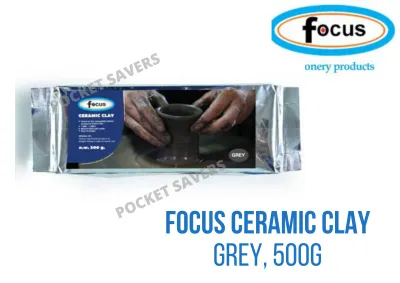
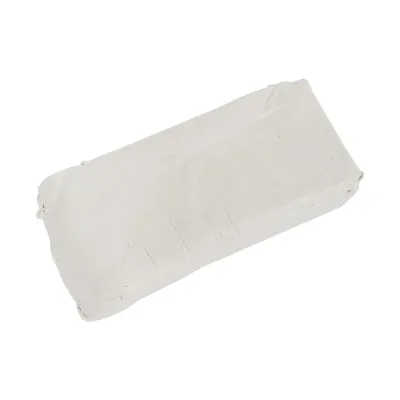
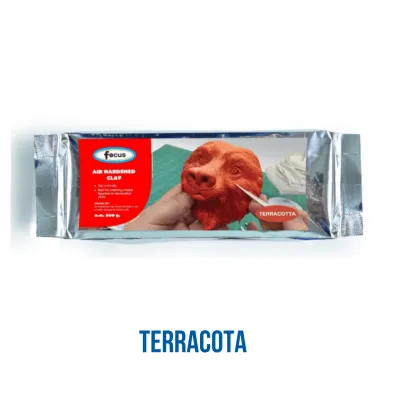
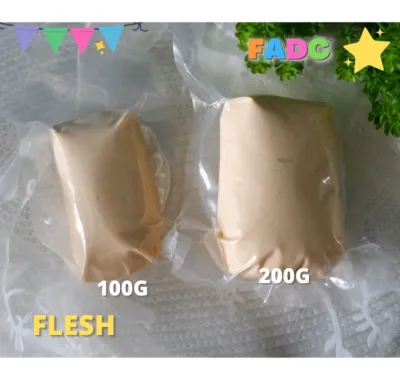
Prices are valid at publication and may change. Please refer to the product page for the latest price.
To verify which type of clay you are purchasing, do not rely solely on the color “white” or generic marketing terms on the front of the package. Turn the package over and inspect the ingredient list or product description. Look specifically for terms like “paper clay,” “cellulose fiber,” “stone powder,” “mineral clay,” or “lightweight modeling clay” to confirm the base material before purchasing from an online marketplace or local stationery store.
Comparing Texture, Weight, and Finish
Paper clay feels soft, fluffy, and slightly damp-fibrous to the touch. It is highly forgiving for quick shaping but can be difficult to pinch into razor-thin, sharp edges because the fibers tend to pull apart when stretched too thin. Stone clay, by contrast, feels cool, smooth, and dense. It behaves more like traditional pottery clay, allowing you to sculpt intricate details, sharp lines, and delicate folds without the material tearing.

The weight difference between the two cured materials is stark. Cured paper clay is exceptionally light, often feeling almost like foam or balsa wood. This makes it ideal for hanging items or large-scale pieces that would otherwise become too heavy. Cured stone clay retains a satisfying, substantial weight that feels like carved stone or solid plaster, giving small figurines and jewelry a premium, high-quality feel.
Once dry, paper clay has a soft, matte, and slightly organic texture where you can see and feel the subtle fiber grain. Stone clay dries to a hard, ultra-smooth, and porcelain-like finish. It can be polished to a soft sheen using ultra-fine sandpaper or polishing cloths, making it highly suitable for professional-looking sculptures.
| Characteristic | Paper-Based White Air Dry Clay | Stone-Based White Air Dry Clay |
|---|---|---|
| Primary Ingredient | Cellulose / Paper fibers | Fine mineral / Stone powder |
| Wet Texture | Fluffy, soft, slightly fibrous | Smooth, dense, cool to the touch |
| Cured Weight | Extremely lightweight (foam-like) | Heavy, solid (plaster-like) |
| Surface Finish | Matte, slightly textured, organic | Hard, ultra-smooth, polishable |
| Detail Retention | Moderate; best for broad shapes | High; excellent for fine details |
| Sanding Behavior | Tends to fuzz or tear | Sands cleanly to a crisp edge |
Drying, Shrinkage, and Post-Processing
Every air dry clay shrinks as its water content evaporates. Paper-based clays often experience more noticeable shrinkage because of their high water-to-fiber ratio. Stone-based clays, with their dense mineral packing, shrink less but are more prone to hairline cracks if they dry too rapidly. In humid tropical environments, drying times will naturally extend; a piece that dries in 24 hours in a dry climate might take 48 to 72 hours to cure fully in high humidity.
Post-processing highlights the physical limits of each material. If you attempt to dry-sand paper clay, the abrasive paper will catch on the cellulose fibers, causing the surface to fuzz or tear. To smooth paper clay, it is often better to use a damp finger or a silicone tool while the clay is still wet. Stone clay, however, carves and sands beautifully once dry. You can use standard sandpaper, needle files, or carving chisels to achieve crisp, sharp angles and flat planes without any tearing.
Both clays are highly porous, but paper clay is far more absorbent. When applying acrylic paints or water-based varnishes, paper clay will rapidly drink up the moisture, which can lead to uneven color application or warping if the paint is applied too thickly. Applying a dedicated gesso or primer first is highly recommended. Stone clay absorbs paint more evenly, but you should still test your primers, paints, and sealants on a small, inconspicuous area or a test scrap first to ensure proper adhesion and prevent bubbling.
Choosing the Right Clay for Your Project
If you are crafting large-scale sculptures, cosplay props, wall hangings, or delicate hanging ornaments, paper-based clay is highly advantageous. Its lightweight nature means you do not need heavy, complex internal armatures to support the weight of the clay while it dries. It is also highly suitable for classroom projects and casual crafting where ease of use and drop-resistance are prioritized.
For intricate miniatures, ball-jointed dolls, custom jewelry, beads, and detailed figurines, stone-based clay offers distinct advantages. The mineral density allows you to sculpt tiny details—like hair strands or delicate clothing folds—that hold their shape well. The ability to sand, carve, and polish the cured piece ensures a professional, smooth finish that elevates the final product.
Regardless of which clay you choose, remember that standard air dry clays are neither waterproof nor food-safe. They will soften and degrade if exposed to standing water, and they should never be used for functional plates, cups, or utensils. Always check the manufacturer’s label for specific age recommendations, safety certifications, and recommended sealing methods to protect your finished creations from tropical humidity and moisture.
Frequently Asked Questions (FAQ)
Can I mix paper-based and stone-based air dry clays?
Mixing these two distinct clay bases is generally not recommended for structural pieces. Because paper fibers and mineral powders shrink at different rates and have completely different water absorption levels, blending them can lead to severe warping, uneven drying, and weak structural points where the two materials fail to bond properly. If you want to experiment with a custom texture, always test a small batch first and consult the manufacturer’s guidelines before committing to a major project.
Is white air dry clay safe for children to use?
Safety depends entirely on the specific product’s formulation, chemical additives, and age grading. While many air dry clays designed for school use are formulated to be non-toxic, others intended for professional sculpting may contain fine mineral dusts or preservatives that are not suitable for young children. Always inspect the product packaging for recognized safety certifications and age recommendations, and ensure young children are supervised to prevent accidental ingestion or inhalation of dry sanding dust.
How do I prevent cracking during the drying process?
To minimize the risk of cracking, allow your clay to dry slowly and evenly in a cool, dry area away from direct sunlight, fans, or air conditioning vents. Rapid drying causes the outer layer to shrink faster than the wet core, leading to tension cracks. For thicker sculptures, build your piece over a lightweight armature (such as aluminum foil or wire) to keep the clay layer relatively thin and uniform, and always refer to the specific product’s care instructions for optimal drying practices.

Community discussion
Share your experience or ask a question. Comments are reviewed before publication.