
Choosing a reliable writing instrument often comes down to how comfortably it sits in your hand during daily use. The primary difference between the standard Parker Vector and the Vector XL lies in barrel diameter, overall length, and weight distribution. While both share the same classic design language and nib systems, the standard Vector suits users with smaller hands or those prioritizing a lightweight, compact carry. The Vector XL is engineered for larger hands and extended writing sessions, offering a thicker grip to help reduce muscle strain. Your final choice should depend on your hand size, typical writing duration, and everyday carry preferences rather than just aesthetics.
In tropical environments like the Philippines, where high humidity can affect both paper texture and how securely you hold a pen, these physical differences become even more pronounced. A pen that feels balanced in a dry, air-conditioned office might feel slippery or fatiguing during a long writing session in a warmer setting. Understanding how each model handles these environmental and physical factors will help you select the instrument that best supports your writing style.
Physical Dimensions and Weight Distribution
To appreciate the differences between these two models, it is helpful to look at their physical profiles. The standard Parker Vector has long been celebrated for its ultra-slim, cylindrical silhouette. It features a uniform diameter from the cap down to the barrel, making it exceptionally compact. In contrast, the Vector XL increases these proportions across every dimension. The barrel is noticeably wider, and the overall length is extended, giving the XL a more commanding presence on your desk and in your hand.
Products mentioned in this guide
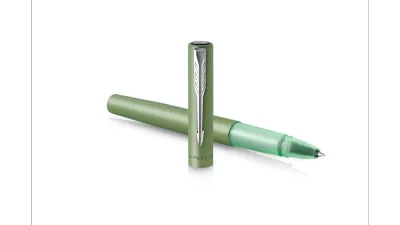
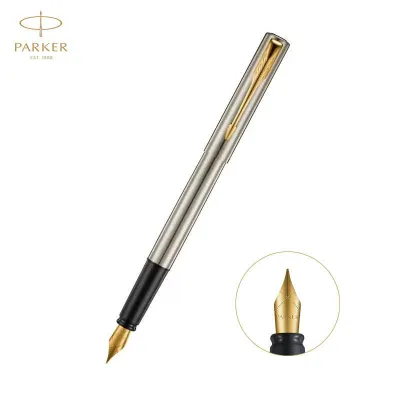
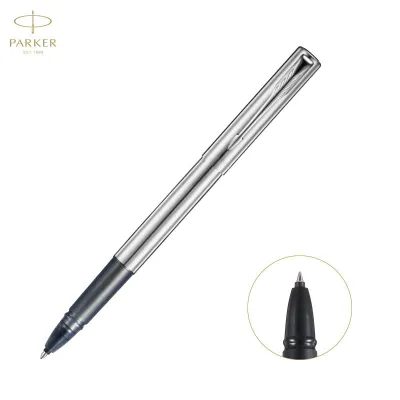
Prices are valid at publication and may change. Please refer to the product page for the latest price.
These dimensional changes directly alter the weight distribution and center of gravity of each pen. The standard Vector is incredibly lightweight, particularly in its molded plastic variations. When you write with the cap posted on the back of the pen, the center of gravity remains relatively low, preventing the pen from feeling top-heavy. The Vector XL, with its larger volume and metallic or resin components, carries more physical weight. When posted, the extra length of the XL cap can shift the center of gravity backward, which some writers find substantial, while others prefer to use the XL uncapped to maintain a forward-balanced feel.
Before choosing between them, establishing a personal baseline using your current stationery collection is highly recommended. You can do this by performing a quick physical check of your favorite pens:
- Measure the grip diameter: Use a ruler to measure the width of your most comfortable pen at the exact point where your fingers rest.
- Check the total length: Compare how far your current pen extends past the web of your hand when writing.
- Evaluate the weight: Note whether you prefer the effortless feel of a featherlight pen or the deliberate feedback of a heavier instrument.
- Assess pocket depth: Measure the depth of your daily shirt pockets or planner loops to ensure the pen cap and clip will sit securely without protruding.
Ergonomics and Hand Comfort
The physical size of a pen directly influences the biomechanics of your hand. The standard Vector’s narrow grip section requires your fingers to pinch closely together. For writers with smaller hands, this tight grip allows for precise control and quick, agile strokes. However, for those with larger hands, a narrow grip forces the hand muscles to remain under constant tension. Over long writing sessions, this tight pinching posture can lead to writer’s cramp and muscle fatigue along the thumb and index finger.

The Vector XL addresses this ergonomic challenge by widening the grip section. A wider diameter allows your hand to maintain a more open, relaxed posture, distributing the gripping force across a larger surface area. This design is particularly beneficial during extended writing sessions, such as taking lecture notes, journaling, or drafting long documents. By reducing the need to squeeze the pen tightly, the XL helps minimize muscle strain and allows for a smoother, more relaxed writing flow.
Environmental factors also play a role in hand comfort. In warm, humid climates, minor finger perspiration can make slim, smooth grip sections feel slippery. When a pen slips, writers naturally compensate by gripping harder, which accelerates hand fatigue. The larger surface area of the Vector XL provides more traction, making it easier to maintain a secure hold without exerting excessive pressure, even when writing in non-air-conditioned spaces.
Nib Options and Ink Compatibility
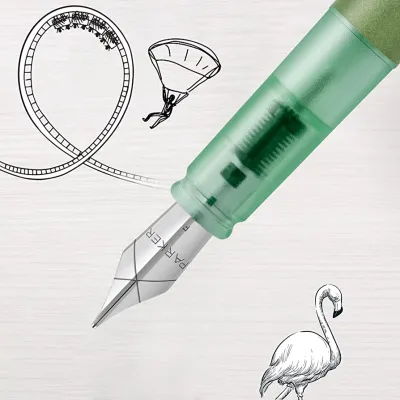
While the exterior dimensions of these two pens differ significantly, their internal writing mechanics share a common foundation. Both models utilize stainless steel nibs designed for durability and consistent ink flow. They are typically available in standard fine and medium nib grades, catering to different writing preferences. The feed systems are engineered to deliver a steady supply of ink, though the visual scale of the nib on the Vector XL is proportioned upward to match the larger barrel.
In terms of ink delivery, both pens are fully compatible with proprietary Parker ink cartridges and piston converters. However, the physical clearance inside the barrels requires careful attention. The standard Vector’s slim barrel accommodates standard Parker cartridges and the basic slide converter easily, but some larger deluxe twist converters may feel tight or fail to fit entirely. The Vector XL’s spacious barrel offers generous clearance, easily accommodating all standard Parker-branded converters and cartridges without any spatial resistance.
It is important to note that writing smoothness, drying speed, and bleed resistance are not determined by the size of the pen body. Instead, these performance factors depend on the interaction between your nib grade, ink viscosity, and paper quality. In humid conditions, paper fibers tend to absorb moisture from the air, which can cause fountain pen ink to feather or bleed more easily. To achieve the best writing experience, pair your chosen Vector model with high-quality, low-absorbency paper and a reliable, fast-drying ink.
Build Quality and Pocket Portability
The materials used in construction affect both the durability and the daily portability of these pens. The standard Vector is widely available in classic molded plastic finishes as well as a durable stainless steel version, often referred to as the Flighter. The Vector XL typically steps up the aesthetic with satin metallic finishes, anodized aluminum shells, and modern color palettes. These materials give the XL a premium feel that resists daily wear and tear while maintaining a clean, professional appearance.
When it comes to daily carry, portability characteristics diverge. The standard Vector is a master of unobtrusive transport. Its slim profile and lightweight build allow it to slip easily into small planner loops, compact pencil cases, or the pocket of a light linen shirt without causing the fabric to sag. The Vector XL, being longer and wider, requires more dedicated space. Its robust pocket clip offers excellent tension, but the pen’s physical presence is much more noticeable when clipped to a pocket or stored in a compact organizer.
To keep either model performing reliably, simple and regular maintenance is essential. Over time, paper fibers and dried ink can accumulate in the feed, leading to skipped strokes or inconsistent flow. Periodically flushing the nib and feed with room-temperature water—especially when changing ink colors—will preserve the integrity of the mechanism. After cleaning, gently wipe the exterior with a soft microfiber cloth to remove oils and perspiration, ensuring the finish remains bright and free from tarnish.
Decision Guide: Which Vector Fits Your Hand?
Selecting the right model comes down to matching the pen’s physical attributes to your specific writing habits and hand size. If you have smaller hands, prefer an ultra-lightweight writing experience, or need a highly portable pen that fits into tight spaces, the standard Parker Vector remains an exceptional choice. Its timeless, minimalist design and reliable performance make it a convenient companion for quick notes, daily checklists, and on-the-go writing tasks.
On the other hand, if you have larger hands, experience hand fatigue during long writing sessions, or simply prefer a pen with a more substantial, modern presence, the Vector XL is the more suitable option. The wider grip section and balanced weight distribution provide the ergonomic support needed for comfortable, extended writing, making it an excellent tool for students, journalists, and professionals alike.
To ensure complete satisfaction with your choice, consider verifying the feel of the pen before making a final decision. If possible, visit a local stationery boutique in major metropolitan areas to hold both models and compare their grip diameters in person. Alternatively, when purchasing from online marketplaces, carefully review the seller’s return and exchange policies so you can swap models if the physical balance of your chosen pen does not perfectly align with your natural writing posture.
Frequently Asked Questions (FAQ)
Do the Parker Vector and Vector XL use the same ink refills?
Yes, both models are designed to use standard proprietary Parker ink cartridges and converters. However, because the standard Vector has a very narrow inner barrel, some larger or deluxe twist converters may not fit comfortably inside. The Vector XL features a wider barrel that easily accommodates all standard Parker converter models. Always verify the specific converter dimensions or check the manufacturer’s compatibility guidelines when purchasing a refill system for your pen.
Is the Parker Vector XL too heavy for everyday note-taking?
The Vector XL is heavier than the standard Vector, but it is not excessively heavy for daily note-taking. The added weight is distributed evenly across the longer body, and the wider grip section actually helps reduce the finger pressure required to hold the pen securely. This ergonomic balance often makes the XL feel lighter in hand during long writing sessions compared to slimmer pens that require a tight pinch. However, personal preferences vary, so testing the pen unposted can help you find your ideal balance.
Which model is better for left-handed writers?
Handedness does not dictate which pen size you should choose, as both the standard Vector and the Vector XL use similar high-quality nib and feed systems. For left-handed writers, the primary challenges are writing angle and ink drying speed to prevent smudging. Instead of focusing on the size of the pen, left-handed writers should select a finer nib grade (such as Fine) and pair the pen with fast-drying, high-quality ink. Testing your ink and paper combination on a small notepad will help ensure a clean, smudge-free writing experience.

Community discussion
Share your experience or ask a question. Comments are reviewed before publication.