
Choosing between pastel pencils and colored pencils depends on whether your art project demands soft, painterly blending or crisp, wax- or oil-based precision. Pastel pencils offer a chalky, matte finish that blends effortlessly with a finger or blending stump, while colored pencils provide a firm, buildable core ideal for fine details and clean, permanent lines. Before investing in a new set, understanding how these mediums interact with different paper types, environmental conditions, and layering techniques will help you achieve the exact visual effect you want.
Both tools look similar on the outside, typically featuring a wooden casing that protects a pigmented core. However, their internal chemistry and behavior on paper are entirely different. By evaluating your artistic goals, your preferred working style, and the specific demands of your project, you can select the medium that will best bring your creative vision to life.
Core Differences in Texture and Visual Finish
The most immediate difference between these two mediums lies in their physical texture and how they look on the page. Pastel pencils consist of dry pigment bound with a minimal amount of gum or resin binder. This formulation results in a chalky, powdery, and completely matte finish. When you draw with a pastel pencil, the core crumbles slightly under friction, releasing loose pigment particles that sit on top of the paper fibers.
Products mentioned in this guide
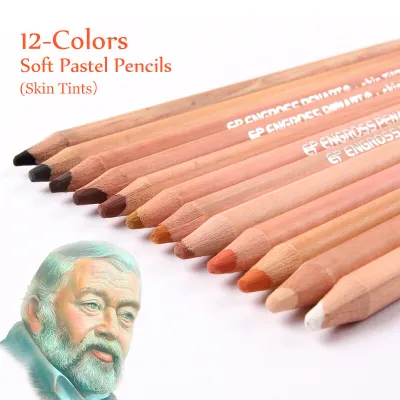
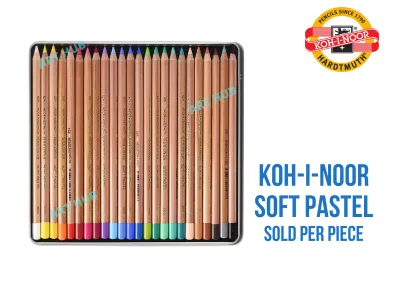
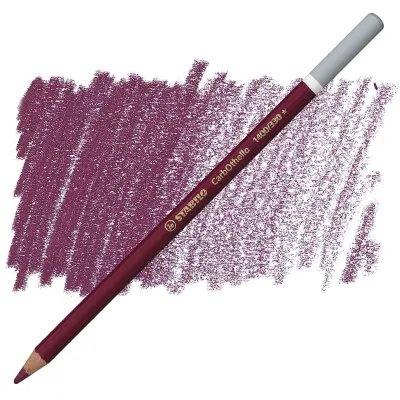
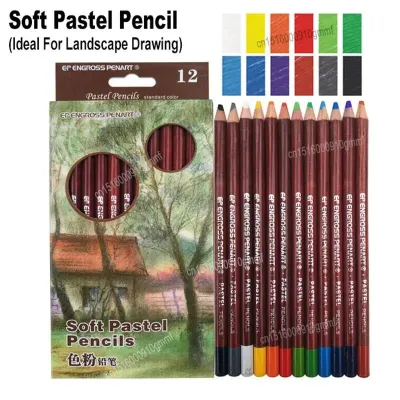
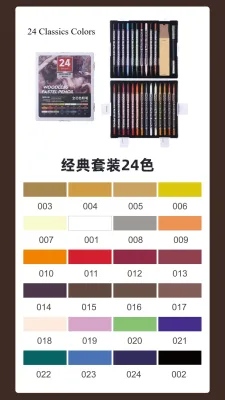
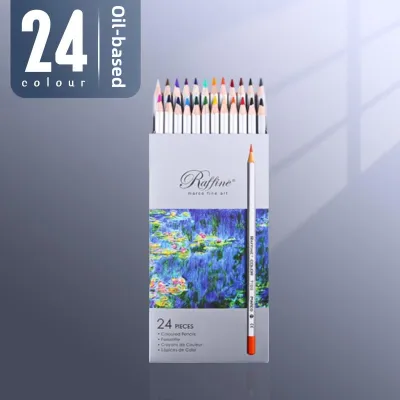
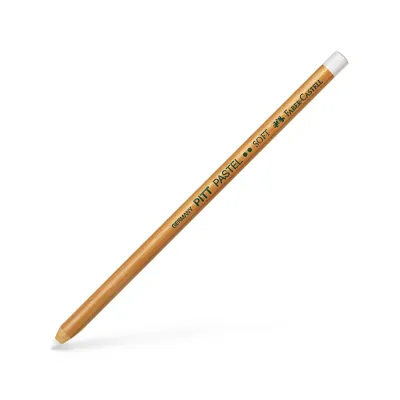
Prices are valid at publication and may change. Please refer to the product page for the latest price.
In contrast, colored pencils utilize a much firmer binder made of wax, oil, or a combination of both. This binder holds the pigment together in a solid, cohesive core that glides smoothly across the surface. The resulting finish is satin or slightly glossy, depending on how heavily the color is applied. Because the pigment is encased in wax or oil, it adheres directly to the paper fibers without leaving loose dust behind.
Paper tooth, or the physical texture of the paper surface, plays a critical role in how both pencils perform. Pastel pencils require a pronounced, rough tooth to scrape the pigment from the core and hold the loose powder in place. Without sufficient texture, the pastel dust has nothing to cling to and will quickly slide off the page. Colored pencils also benefit from paper tooth for building up multiple layers, but they are far more forgiving on smoother papers, where they can be burnished to create a slick, paint-like sheen.
To anticipate how a specific pencil will handle, always check the product packaging or manufacturer specifications for binder details. Colored pencils are generally categorized as either wax-based or oil-based. Wax-based pencils tend to be softer and creamier, making them easy to blend but prone to a cloudy buildup known as wax bloom. Oil-based pencils are typically harder, hold a sharp point longer, and apply in thin, precise layers without blooming. Pastel pencils may also vary in hardness depending on the brand, with some offering a grittier texture and others providing a velvety, chalk-like application.
Blendability, Layering, and Detail Control
Your choice of medium heavily influences how you transition between colors and manage fine details. Pastel pencils excel at dry-blending and smudging. Because the pigment remains loose on the paper, you can easily smear, soften, and merge colors using your fingertips, a paper blending stump, or a silicone shaper. This allows for incredibly smooth gradients, soft-focus backgrounds, and rapid color transitions with minimal physical effort.

Colored pencils rely on a different set of techniques for color mixing. Instead of physical smudging, they require optical layering, where you apply multiple light, translucent layers of different colors on top of one another to create a new hue. To blend them seamlessly, artists often use burnishing—applying heavy pressure with a light-colored pencil or a colorless blender to crush the paper grain and fuse the wax or oil layers together. This process requires patience and a steady hand, as building up these layers takes significantly more time than smudging pastels.
Erasability and correction methods also differ between the two. Because pastel pigment sits loosely on the surface, mistakes are relatively easy to lift. A kneaded eraser can be pressed onto the paper to pick up the dry dust without smearing it or damaging the paper fibers. Colored pencils, however, are much more permanent. The wax or oil binder binds the pigment deep into the paper, often staining the fibers. While you can lighten colored pencil marks with specialized erasers, completely erasing a heavy application is difficult and can easily scuff or tear the paper.
When it comes to detail control, colored pencils hold a clear advantage. Their firm cores can be sharpened to a needle-like point that resists breaking, allowing you to draw intricate patterns, individual hairs, and razor-sharp outlines. Pastel pencils have fragile, brittle cores that crumble easily under pressure. They lose their sharp points rapidly during use, requiring frequent, gentle sharpening with a manual blade or a specialized pastel sharpener to maintain any level of fine detail.
Matching the Medium to Specific Art Styles
Certain art styles naturally benefit from the unique properties of each pencil type. Pastel pencils are highly effective for projects that require soft, organic textures and atmospheric effects. They are excellent for portraiture, where the velvety texture allows for realistic skin tones and soft shadow transitions. They are also ideal for misty landscapes, cloudy skies, and animal fur, where soft, blended edges are preferred over sharp lines.
Colored pencils are the preferred choice for high-precision, graphic, and highly detailed illustrations. If your project involves botanical drawings, architectural sketches, technical illustrations, or vibrant comic art, the control offered by colored pencils is indispensable. They allow you to maintain clean, crisp edges and build up rich, saturated colors that do not smudge when touched, making them highly practical for sketchbook work.
Combining both mediums in a single mixed-media piece is possible, but it requires a careful understanding of their structural compatibility. As a general rule, you should apply colored pencils over pastel pencils, rather than the reverse. The wax or oil binder in colored pencils creates a slick, non-porous barrier on the paper. If you apply colored pencils first, the powdery pastel pigment will have no tooth to cling to and will simply slide off the surface.
If you want to combine them, use pastel pencils first to lay down broad, soft background colors and underpaintings. Once the pastel layer is established, you can use sharp colored pencils on top to add fine details, sharp outlines, and highlights. Because the interaction between these binders can vary, always perform an observable trial on a scrap piece of your exact paper to verify that the layers adhere properly without lifting or muddying.
Essential Supplies: Paper, Fixatives, and Maintenance
To get the best results from your pencils, you must pair them with the correct auxiliary materials and care routines. Paper selection is the most critical variable. For pastel pencils, standard drawing paper is rarely sufficient. You will need heavy, high-tooth papers, such as sanded pastel paper, pastel card, or textured watercolor paper. These specialized surfaces can hold multiple layers of loose powder without oversaturating. For colored pencils, smooth bristol board, hot-press watercolor paper, or medium-tooth drawing paper work beautifully, allowing for smooth wax application and clean burnishing.
Because pastel drawings remain dry and powdery, they are highly susceptible to smudging, fingerprint marks, and dust loss. Protecting your finished work requires the application of a spray fixative. However, fixatives carry risks; they can cause colors to shift, darken, or lose their delicate, velvety appearance. Always check the manufacturer’s instructions on the spray can and test it on a sample piece first.
In humid tropical climates, such as in the Philippines, applying fixatives requires extra caution. High humidity can cause the spray to dry with a cloudy, white haze (known as blushing) or trap moisture under the sealant. To prevent this, apply your fixative in a dry, well-ventilated outdoor space on a clear day, keeping the can at the recommended distance from the paper.
For both mediums, long-term preservation depends on lightfastness. Lightfastness refers to a pigment’s resistance to fading when exposed to light over time. Before purchasing your pencils, check the manufacturer’s labels or color charts for lightfastness ratings, which are often rated using the ASTM standard or a star system. Investing in highly lightfast pencils ensures your artwork remains vibrant and archival for years to come.
Decision Framework: How to Choose Your Next Set
To determine which pencil set is right for your upcoming art project, use this structured decision path based on your specific creative needs and working environment.
Choose pastel pencils if:
- Your style is painterly: You prefer soft edges, blended gradients, and expressive, textured strokes over sharp lines.
- You want fast coverage: You want to cover large areas of the paper quickly and blend colors in seconds using dry-blending tools.
- You prefer a matte finish: You dislike the shiny, waxy reflection of colored pencils and want a rich, velvety, non-reflective surface.
- You enjoy hands-on work: You do not mind working with loose dust and are comfortable using fixatives to seal your finished pieces.
Choose colored pencils if:
- Your style is highly detailed: You focus on intricate realism, botanical precision, clean graphic lines, and sharp outlines.
- You want a clean workspace: You prefer a tidy drawing process without loose pigment dust, smudged fingers, or the need for protective spray sealants.
- You value portability: You want to carry your supplies in a sketchbook and work on the go without worrying about your drawings smudging in transit.
- You enjoy slow, meditative layering: You find satisfaction in gradually building up color saturation through patient, precise pencil strokes.
- You work on smooth paper: You prefer using standard drawing pads, bristol board, or smooth sketchbooks.
Verify first if:
- Paper compatibility: Do you have the correct paper weight and texture to support your chosen medium? (Pastels require heavy tooth; colored pencils prefer medium to smooth surfaces).
- Workspace ventilation: If you choose pastel pencils, do you have a well-ventilated area to apply spray fixatives safely, away from moisture and humidity?
- Budget allocation: Have you factored in the cost of auxiliary supplies, such as specialized sharpeners, blending stumps, textured paper, or fixative sprays, when planning your purchase in Philippine Pesos (₱)?
Frequently Asked Questions (FAQ)
Can you use pastel pencils and colored pencils on the same drawing?
Yes, you can combine pastel pencils and colored pencils in a single artwork, but you must apply them in the correct order to ensure the layers adhere. Always apply your pastel pencils first to establish your background, soft shadows, and broad areas of color. Because pastel is dry and powdery, it leaves enough texture for other mediums to grip.
Once your pastel underlayer is complete, you can use colored pencils on top to render fine details, sharp textures, and crisp highlights. Do not attempt to apply pastel pencils over heavy layers of colored pencil. The wax or oil binder in the colored pencil seals the paper, creating a slick, non-porous surface that rejects the dry pastel dust, causing it to slide off without sticking.
Because different brands use varying amounts of binders and fillers, the success of this combination depends on your specific materials. Always perform a quick test on a scrap piece of your chosen paper before starting your final drawing. This allows you to verify how well the colored pencil grips the pastel layer and ensures your colors blend cleanly without scraping off the underlying pigment.

Community discussion
Share your experience or ask a question. Comments are reviewed before publication.