
Finding the right pen grip holder depends entirely on your natural writing posture, hand size, and the specific discomfort you experience during long writing sessions. There is no single design that works for everyone; instead, the ideal choice matches your unique habits. Foam cushion grips provide maximum pressure relief for heavy-handed writers, while slim silicone rings offer subtle, non-slip traction without adding bulk. If you need to correct your finger posture, structured tripod trainers physically guide your hand into the correct position, whereas asymmetrical ergonomic contour grips distribute pressure across your fingers to support hours of continuous writing. These affordable accessories, often costing under ₱150, allow you to transform your writing experience from a tiring chore into a comfortable, fluid process.
Identify Your Natural Grip and Writing Pain Points
Before selecting an ergonomic accessory, you must observe how you naturally hold a writing instrument. The most common posture is the dynamic tripod grip, where the pen is held between the thumb and index finger while resting on the middle finger. However, many writers unconsciously adopt variations like the lateral tripod, where the thumb crosses over the pen barrel, or the thumb wrap, where the thumb tightly locks the index finger in place. These alternative grips often require excessive muscular force to keep the pen stable, leading to rapid hand fatigue and tension that radiates up the forearm.
Physical feedback during long writing sessions is a clear indicator of underlying grip issues. If you notice deep indentations on your middle finger, a persistent callus, or fingers that constantly slip toward the metal tip, your grip pressure is likely too high. In tropical climates like the Philippines, high humidity and warm temperatures often cause hands to sweat, making plastic or metal pen barrels incredibly slippery. This lack of traction forces you to squeeze even harder, creating a cycle of tension and fatigue. Identifying these specific pain points is the first step toward choosing a grip that restores comfort.
Products mentioned in this guide
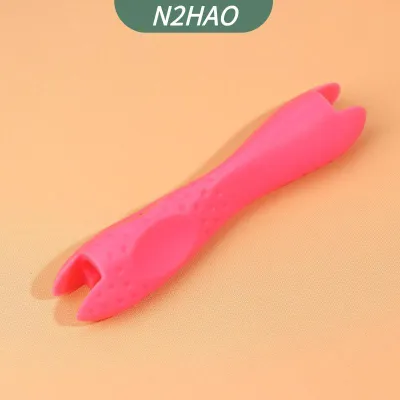
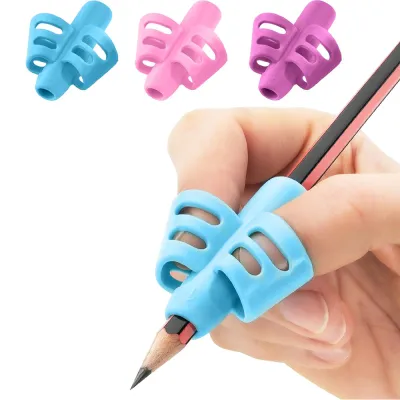
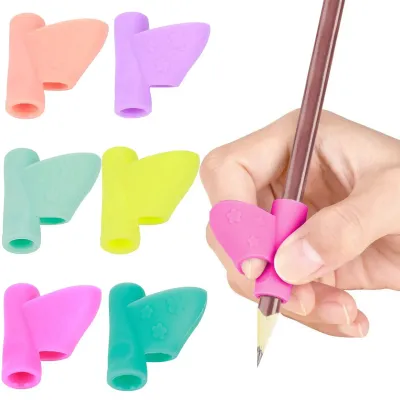
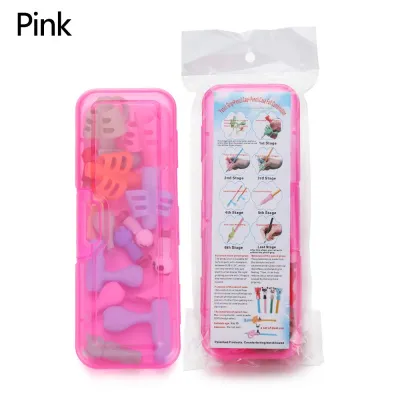
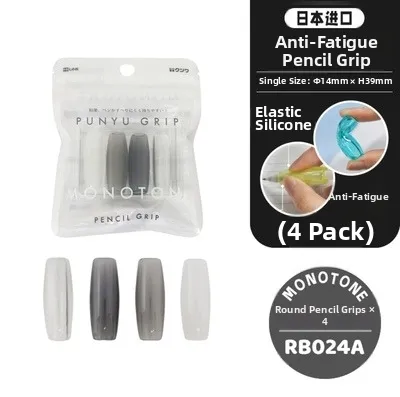
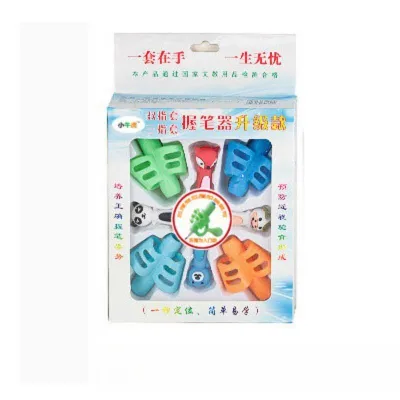
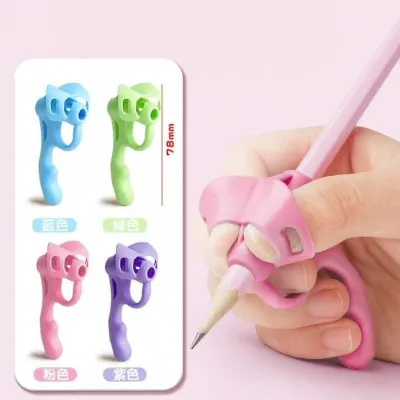
Prices are valid at publication and may change. Please refer to the product page for the latest price.
Foam Cushion Grips for Pressure Relief and Softness
Foam cushion grips are highly favored by those who prioritize maximum softness and immediate pressure relief. Made from highly compressible, open-cell or closed-cell foam materials, these grips feature a thick, spongy wall that absorbs the physical shock of writing. When you slide a foam grip onto a standard ballpoint or gel pen, it significantly increases the barrel’s diameter, allowing your hand to remain in a more open, relaxed posture. This design is particularly beneficial for individuals who press down heavily on the paper or those who experience joint discomfort, arthritis, or finger stiffness.

Despite their exceptional comfort, foam grips have distinct physical limitations. Because foam is highly porous, it tends to absorb moisture, skin oils, and sweat over time. In warm, humid environments, this absorption can accelerate material degradation, causing the foam to lose its elasticity, become brittle, or crumble at the edges. Additionally, the sheer bulk of a thick foam cushion reduces tactile feedback from the paper, which some writers find makes their handwriting feel less precise. If you prefer a highly responsive writing experience where you can feel the subtle texture of the paper through the pen tip, the dampening effect of foam may require an adjustment period.
Silicone Ring Grips for Subtle Tactile Feedback
For writers who prefer a minimalist approach, silicone ring grips offer a low-profile solution that enhances traction without drastically altering the pen’s original design. These grips are typically thin, flexible sleeves made from durable, non-porous silicone rubber. They provide a high-friction, non-slip surface that prevents your fingers from sliding down the barrel, even during fast-paced writing. Because silicone is naturally water-resistant, it does not absorb sweat or skin oils, making it incredibly easy to clean with a quick rinse under water—a major advantage for maintaining hygiene in tropical climates.
The primary appeal of a silicone ring grip is its ability to preserve the natural balance and weight of your favorite pen. It adds minimal bulk, making it compatible with standard pen caps and retractable click mechanisms. However, this slim profile means it offers very little structural support or cushioning. If you suffer from severe hand fatigue caused by a tight thumb-wrap grip, or if you need to correct a highly distorted finger placement, a simple silicone sleeve will not provide enough physical guidance. It is best suited for writers who already have a relatively healthy grip style but simply need extra surface friction to prevent slipping on smooth plastic or metal barrels.
Tripod Trainer Grips for Finger Placement Correction
Tripod trainer grips are highly structured tools designed specifically to retrain muscle memory and enforce proper finger placement. These grips feature molded finger slots, deep depressions, or physical barriers that guide your thumb, index, and middle fingers into the classic dynamic tripod position. Often constructed from firm silicone or dense rubber, they prevent your fingers from crossing over or wrapping around the barrel. This makes them an excellent choice for young students developing their writing habits, as well as adults looking to correct long-standing grip deviations that cause chronic hand strain.
While highly effective for correction, tripod trainers come with a set of rigid constraints. The molded slots are designed around standard hand anatomy, meaning they can feel incredibly restrictive or uncomfortable if your fingers are larger or smaller than the average mold. If you have a highly non-traditional writing style, forcing your hand into these pre-shaped slots can initially cause new muscle soreness as your hand adapts to the unfamiliar posture. Furthermore, these grips are highly directional; you must align them precisely with the pen tip to ensure the correct writing angle, and they are rarely interchangeable between left-handed and right-handed writers without purchasing a specific model.
Ergonomic Contour Grips for Prolonged Writing Support
Ergonomic contour grips represent a middle ground between minimalist sleeves and rigid trainers. These grips feature asymmetrical, flowing shapes, often with a wider base that tapers upward and dedicated, gentle rests for the thumb and index finger. Instead of forcing your fingers into strict, deep pockets, contoured designs gently distribute the gripping force across a larger surface area of your hand. This reduces localized pressure points, allowing you to maintain a secure hold with minimal muscular effort during extended writing sessions, such as drafting essays, sketching, or taking detailed lecture notes.
The success of an ergonomic contour grip depends heavily on finding a precise match for your hand size and writing orientation. Because these shapes are asymmetrical, a contour designed for a right-handed writer will be highly uncomfortable—and practically unusable—for a left-handed writer. Additionally, if the grip’s physical contours do not align with where your fingers naturally rest, the raised ridges can press painfully into your joints, causing more strain than a standard round barrel. When choosing a contoured grip, it is essential to verify its orientation and size specifications to ensure it complements your hand structure.
How to Match a Pen Grip Holder to Your Specific Needs
Selecting the right pen grip holder requires balancing your physical comfort needs, writing habits, and the physical dimensions of your writing tools. If your primary struggle is joint pain or a heavy-handed writing style, a soft foam cushion will provide the necessary shock absorption. If you simply struggle with sweaty fingers slipping in warm weather, a slim silicone ring grip offers the perfect non-slip surface without adding unwanted bulk. For those actively trying to fix a painful thumb-wrap habit, a structured tripod trainer is the logical choice, while writers facing long hours of continuous drafting will benefit most from the distributed support of an ergonomic contour grip.
To help you quickly compare these options, the table below summarizes the key characteristics of each grip type:
| Grip Type | Material | Primary Benefit | Best Grip Style | Main Limitation |
|---|---|---|---|---|
| Foam Cushion | Open/Closed-Cell Foam | Maximum pressure relief and softness | Heavy-handed, high-pressure grips | Absorbs sweat; degrades over time |
| Silicone Ring | Flexible Silicone Rubber | Non-slip traction with minimal bulk | Standard tripod; sweaty hands | Minimal cushioning or structural support |
| Tripod Trainer | Firm Silicone / Dense Rubber | Corrects finger placement and posture | Retraining thumb-wrap or lateral grips | Restrictive; size-sensitive |
| Ergonomic Contour | Molded Rubber / Soft Plastic | Distributes pressure for long sessions | Extended writing; drafting | Hand-size and orientation specific |
Before purchasing, perform a crucial compatibility check. Measure the outer diameter of your preferred pens or pencils. Most standard wooden pencils have a diameter of approximately 7mm, while common gel pens and ballpoints range from 8mm to 10mm. Compare these measurements against the inner diameter specifications of the grip holder. A grip that is too loose will slide around and spin during writing, while a grip that is too tight can tear during installation. Additionally, check if the grip’s length will block access to retractable click buttons or prevent the pen cap from fitting securely over the tip.
Furthermore, keep in mind that while a softer grip can reduce writing pressure, the actual smoothness of your writing and whether the ink bleeds through the paper still depend on the specific combination of your pen’s ink type and the paper’s weight. Perform a quick test on your preferred notebook to verify that the altered grip angle doesn’t cause ink skipping or unexpected bleed-through.
Testing, Installing, and Maintaining Your Chosen Grip
Proper installation is key to ensuring your pen grip holder functions as intended. To install a tight silicone or rubber grip without tearing the material, avoid using oils or soapy water, which can leave a permanent, slippery residue inside the grip. Instead, apply a tiny drop of rubbing alcohol or plain water to the inside of the sleeve. This acts as a temporary lubricant, allowing you to slide the grip smoothly onto the barrel. Once the liquid evaporates, the grip will form a tight, secure friction fit against the pen. For contoured or tripod grips, make sure to align the finger rests precisely with the writing tip so that your hand naturally holds the pen at its optimal writing angle.
Maintaining your grip holder ensures its longevity and keeps your writing tools hygienic. Silicone grips can be easily slid off and washed with mild dish soap and warm water to remove accumulated skin oils and dust. Foam grips, however, require gentler care; avoid soaking them in water or exposing them to harsh chemical sanitizers, which can break down the cellular structure of the foam. Instead, gently wipe them with a slightly damp cloth and allow them to air dry completely in a well-ventilated area away from direct sunlight. Because these accessories involve prolonged body contact, choosing high-quality, non-toxic, and skin-safe materials like food-grade silicone or hypoallergenic foam is highly recommended to prevent skin irritation during long writing sessions.
Finally, allow yourself an adjustment period of three to five days when transitioning to a new grip style. Your hand muscles have developed deep muscle memory over years of writing, and altering that posture can initially feel awkward. However, monitor your hand closely during this trial phase. If you experience sharp, shooting pain in your wrist, thumb joint, or forearm, this is an observable sign that the grip size or shape is mismatched to your anatomy, and you should discontinue use to prevent repetitive strain injuries.
Frequently Asked Questions (FAQ)
Can I use a pen grip holder on any type of pen or pencil?
No, pen grip holders are not universally compatible with every writing instrument. Their fit depends entirely on the barrel diameter and shape of your pen or pencil. Standard grips are designed for round or hexagonal barrels with a diameter between 7mm and 9mm. If you attempt to slide a standard grip onto a thick multi-function pen, a highly textured barrel, or an asymmetrical ergonomic pen, the grip may tear, stretch excessively, or fail to slide on at all. Always verify the manufacturer’s inner diameter specifications and check that the grip will not interfere with retractable click mechanisms or prevent the pen cap from closing.
How do I know if a pen grip holder is actually improving my writing?
You can determine if a pen grip holder is effective by observing several physical indicators during and after your writing sessions. First, check your fingers immediately after writing; you should notice a significant reduction in deep skin indentations, redness, or pressure marks on your middle finger and thumb. Second, monitor your subjective fatigue levels; your hand, wrist, and forearm should feel relaxed, without the tight, cramping sensation that often accompanies long writing tasks. Finally, observe your pen control; if the pen feels stable and secure with minimal squeezing force, the grip is successfully reducing your physical strain and improving your overall writing efficiency.

Community discussion
Share your experience or ask a question. Comments are reviewed before publication.