
Finding the right pencil grip is a practical way to reduce hand fatigue, prevent finger calluses, and improve writing control during long study or work sessions. The most suitable combination of shape and material depends entirely on your personal writing habits, how hard you press, and how your hands react to local humidity. While there is no single universal winner, matching your specific hand fatigue patterns to the correct physical design can transform your daily writing experience from a straining chore into a smooth, comfortable task.
Pencil Grip Shapes: Finding the Right Fit for Your Fingers
The physical shape of a pencil grip directly influences how you position your fingers and how much muscle tension you use to hold the pencil. Choosing the wrong shape can worsen hand fatigue, while the right shape can naturally guide your hand into a relaxed, efficient writing posture.
Triangular grips are among the most common designs because they feature three distinct flat sides. These flat surfaces correspond to the natural tripod grasp, where the thumb, index finger, and middle finger work together to hold the pencil. By providing a wider, flat area for each finger to rest on, triangular grips prevent your fingers from crossing over or pinching too tightly. This shape is highly effective for students and professionals who tend to squeeze their pencils excessively, as the flat sides encourage a more distributed, relaxed grip.
Products mentioned in this guide
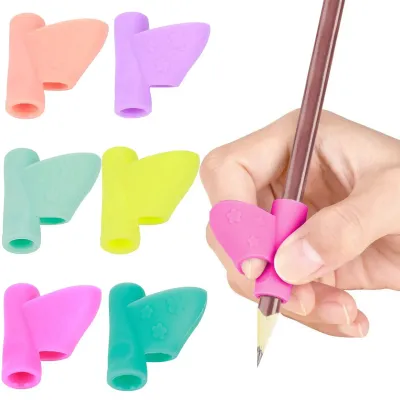
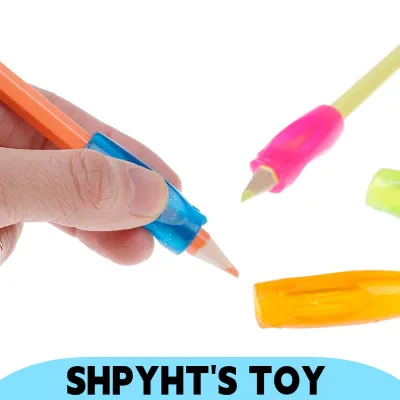
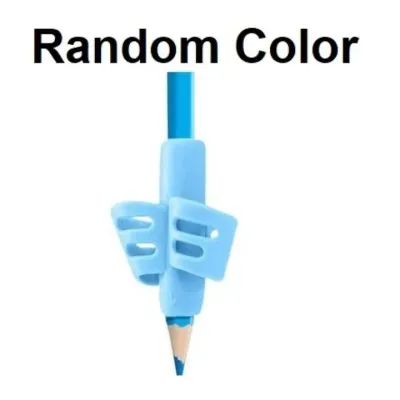
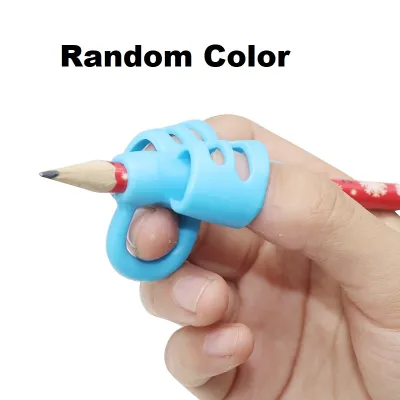
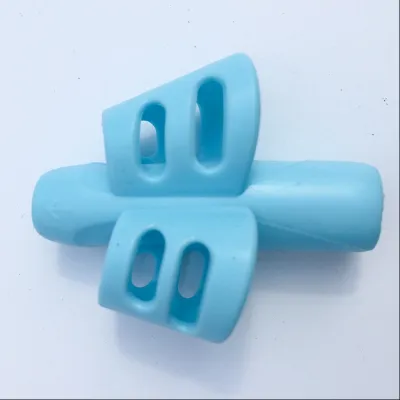
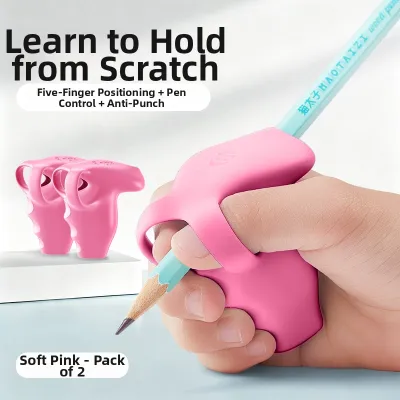
Prices are valid at publication and may change. Please refer to the product page for the latest price.
Round and cylindrical grips focus primarily on adding uniform thickness and cushioning to the pencil barrel. Unlike shaped grips, they do not force your fingers into any specific position, making them highly versatile for users who already have a comfortable writing posture but need extra relief from hard surfaces. These grips are particularly useful for mechanical pencils with thin metal or plastic bodies, as they increase the overall diameter to reduce the gripping force required to keep the pencil steady.
Claw grips and ergonomic wraps feature molded pockets or loops that lock your fingers into a designated writing posture. These designs are highly structured and are typically used as active training aids to correct non-standard grips, such as a lateral quadrupod or a tight fist grasp. Because they physically restrict finger movement, they ensure that the user maintains the recommended tripod position throughout their writing session. However, because these shapes are highly specific, they are almost always hand-specific, meaning you must select a model designed explicitly for either right-handed or left-handed use.
Pencil Grip Materials: Balancing Softness, Friction, and Wear
The material of a pencil grip determines its tactile feel, how well it handles moisture, and how long it will last under daily use. In warm, tropical climates where humidity is high, material selection becomes even more critical for maintaining a secure hold.

Silicone is a highly popular material due to its smooth texture, flexibility, and durability. It is hypoallergenic, easy to clean, and resistant to tearing, making it an excellent choice for long-term use. However, silicone has a relatively low natural porosity. In humid environments or during intense writing sessions where hands sweat, a silicone grip can become slippery, requiring you to wipe it down periodically to maintain a secure hold.
Foam grips offer the highest level of compressibility and softness, making them a common choice for individuals who suffer from finger calluses or joint pain. The porous structure of foam allows it to conform closely to the shape of your fingers, distributing writing pressure evenly across a larger surface area. The primary trade-off with foam is its durability; it tends to absorb sweat, skin oils, and dirt over time, which can cause the material to degrade, tear, or lose its elasticity faster than synthetic alternatives.
Rubber grips provide excellent friction and firm tactile feedback, ensuring that your fingers do not slip even when your hands are damp. This high-friction surface offers excellent control for detailed drawing or precise handwriting. However, rubber can feel somewhat sticky in warm weather and has a tendency to attract dust, paper fibers, and graphite particles. Over time, exposure to sunlight and skin oils can cause natural rubber to harden or become tacky, requiring eventual replacement.
How to Choose the Right Shape and Material Combination
Selecting the most suitable pencil grip requires matching the physical shape and material properties to your specific writing habits and environmental conditions.
| Shape & Material Combination | Ideal User Profile | Key Benefit | What to Watch Out For |
|---|---|---|---|
| Triangular Silicone | Students in warm classrooms | Guides finger placement without absorbing sweat | Can feel slippery if hands sweat heavily |
| Round Foam | Heavy pressers with finger calluses | Maximum cushioning and pressure relief | Wears down quickly and absorbs moisture |
| Ergonomic Rubber | Illustrators needing high-precision control | High friction and secure finger locking | Can attract dust and feel sticky over time |
| Claw Silicone | Young learners correcting finger placement | Locks fingers into the correct posture | Must verify left- or right-handed design |
To make an informed decision, apply a clear decision framework based on your primary writing challenge. If your main issue is physical pain, joint fatigue, or deep finger calluses from pressing too hard, prioritize soft foam materials and round shapes that maximize cushioning. This combination allows you to write with less downward pressure, which also helps prevent pencil lead from snapping and reduces paper tearing. Conversely, if your primary goal is to correct a poor grip habit or prevent your fingers from overlapping, choose firm silicone or rubber materials in a triangular or claw shape to guide and support proper finger placement.
Be careful when selecting highly specialized combinations. For example, claw shapes must be verified for left-handed compatibility, as using a right-handed ergonomic grip with the left hand will force the fingers into an uncomfortable, unnatural position. Additionally, highly compressible foam grips may not provide enough stability for individuals who require firm, high-precision control for technical drawing or detailed print handwriting.
What to Verify Before Buying a Pencil Grip
Before purchasing a pencil grip, take a few moments to verify its technical specifications and compatibility with your existing writing tools to ensure a proper fit. When budgeting around ₱50 to ₱150 for a multi-pack of grips on an online marketplace, verifying these details beforehand ensures you get the right fit for your writing tools.
First, check the pencil diameter compatibility listed on the packaging or product description. Standard wooden pencils typically have a diameter of approximately 7mm to 8mm, whereas jumbo pencils, primary learning pencils, and various mechanical pencils can be significantly thicker or thinner. Attempting to force a standard grip onto a jumbo pencil can tear the material, while sliding a standard grip onto a slim mechanical pencil may result in constant slipping during use.
Second, verify the manufacturer’s labels for hand orientation. While symmetrical round and triangular grips can be used interchangeably by both left-handed and right-handed writers, asymmetrical claw or molded ergonomic wraps are designed specifically for one hand. Using a grip designed for the wrong hand will cause discomfort and hinder your writing posture.
Finally, review the care and maintenance instructions for the material. In humid environments, dust, graphite, and skin oils accumulate quickly on writing accessories. Confirm that the grip can be washed with mild soap and water or wiped down with a damp cloth without degrading the surface texture or causing the material to become sticky.
Frequently Asked Questions (FAQ)
Do pencil grips permanently correct handwriting posture?
Pencil grips serve as physical reminders and training aids that guide your fingers into the recommended position while you write. However, they do not permanently correct posture on their own. Long-term posture improvement relies on consistent practice, muscle memory development, and conscious effort to maintain a relaxed grip even when writing without an assistive device.
How do I keep a silicone or rubber grip from slipping?
To prevent a silicone or rubber grip from sliding along the pencil barrel, regularly wash both the grip and the pencil with mild soap and warm water to remove accumulated skin oils, sweat, and graphite dust. Ensure both the pencil and the grip are completely dry before reassembling them. If the grip has stretched out over time, replacing it is often the most effective way to restore a secure, non-slip fit.

Community discussion
Share your experience or ask a question. Comments are reviewed before publication.