
The most comfortable pencil grip for a child is not a universal design; rather, it is the specific style that directly addresses their unique finger placement, hand fatigue, and fine motor development. While some children benefit from a simple triangular guide to gently prompt a standard tripod grasp, others require more structured support, such as claw or wrap-around designs, to prevent overlapping fingers or excessive joint strain. Matching the grip style to your child’s observable writing habits is the key to reducing hand fatigue and building long-term writing endurance.
Identifying Your Child's Grasp and Comfort Needs
In many classrooms, writing tasks can quickly become physically demanding for young hands. Before purchasing any writing accessory, spend a few quiet moments observing your child during a typical homework or drawing session. Watch how they naturally hold their pencil: do they wrap their thumb tightly over their index finger, tuck their fingers into a tight fist, or hold the pencil at an awkward, rigid wrist angle? These physical habits often indicate that the child is overcompensating for weak hand muscles or trying to force control over a slippery pencil.
You can also look for secondary signs of physical strain during writing tasks. A child who frequently shakes their hand out, drops their pencil, or presses down so hard that the paper tears is likely experiencing significant muscle fatigue. In warm, humid tropical climates, sweaty hands can cause a standard wooden pencil to slip constantly, prompting the child to grip even tighter and creating a painful cycle of muscle tension.
Products mentioned in this guide
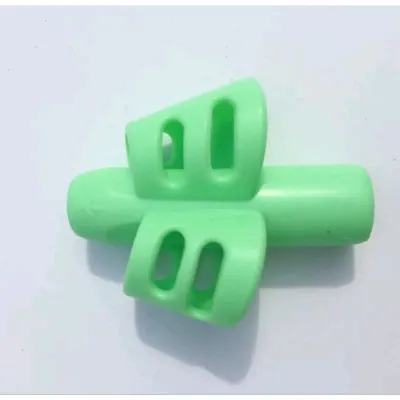
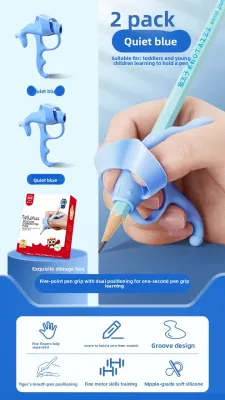
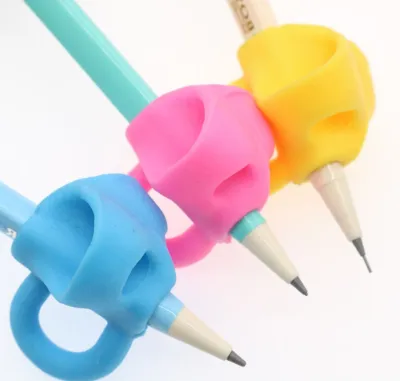
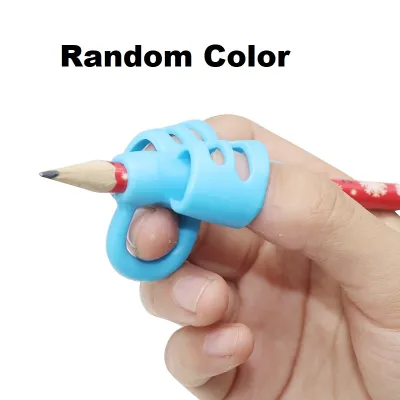
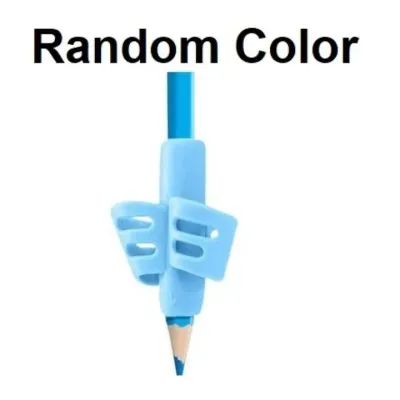
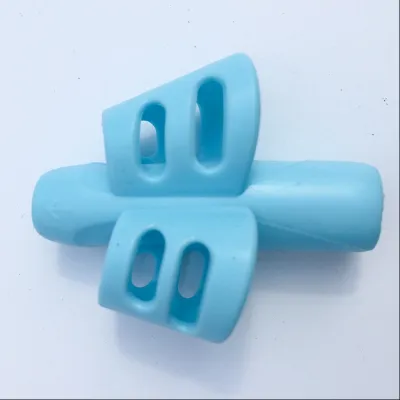
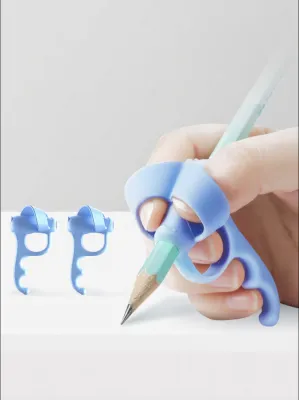
Prices are valid at publication and may change. Please refer to the product page for the latest price.
Next, talk to your child about how their hand feels during and after writing. Ask specific questions rather than general ones, such as whether their fingers feel tired, if the pencil feels like it is slipping out of their grasp, or if they feel a dull ache in their wrist. Children may not always volunteer this information, but they can easily point to where they feel tension when prompted. Identifying these specific pain points helps narrow down whether they need cushioning, finger separation, or a physical barrier to prevent thumb-wrapping.
Finally, clarify your primary goal for introducing a pencil grip. If your child is just starting preschool or kindergarten, you might simply want to encourage a natural tripod grasp and prevent poor habits from forming. For older children who have already established a tight, fatiguing grip, the goal shifts toward correcting finger placement and reducing joint strain. Knowing whether you are aiming for proactive guidance, active correction, or sensory comfort will guide you toward the correct structural design.
Comparing Popular Pencil Grip Styles
Selecting the right accessory requires understanding how different shapes physically guide the hand. The table below outlines the primary design categories, their structural features, and the specific writing habits they are engineered to address.

| Grip Style | Physical Structure | Target Grasp Pattern | Ideal User Profile |
|---|---|---|---|
| Triangular / Ergonomic | Flat or indented sides | Standard tripod grasp | Beginners needing mild guidance |
| Claw / Wrap-Around | Individual finger cups or high walls | Prevents thumb-wrapping and fist grasps | Children who overlap fingers or use excessive pressure |
| Cross-Over / Figure-Eight | Interlocking loops or physical barriers | Corrects persistent thumb-crossing | Kids needing strict joint redirection |
Because every child’s hand anatomy and joint flexibility are unique, a grip that works wonderfully for one student might cause immediate discomfort for another. Forcing a highly restrictive corrective grip onto a child who only needs mild positioning guidance can lead to frustration and a refusal to write. It is always best to start with the least restrictive option that addresses the observed habit before moving to more structured designs.
Triangular and Ergonomic Grips
Triangular and ergonomic grips feature a simple, streamlined design with flat or gently contoured sides. These flat surfaces provide a natural resting place for the thumb, index finger, and middle finger, guiding them into the recommended three-finger tripod position. Because they do not physically lock the fingers into individual pockets, they offer a very natural writing feel and are highly intuitive for young learners to use.
These grips are ideal for children who are just beginning their writing journey or those who already have a decent grasp but tend to slip down the pencil shaft. They provide a subtle tactile cue that reminds the fingers where to rest without making the child feel restricted or self-conscious. Many standard school pencils are already manufactured in a triangular shape, and these slide-on grips offer a similar, slightly cushioned version of that familiar geometry.
However, these simple designs have clear limitations when it comes to active correction. If a child has already developed a deep-seated habit of wrapping their thumb tightly over their index finger, a triangular grip will not physically stop them from doing so. Under high pressure, a child can easily bypass the flat sides and continue using their preferred, fatiguing grasp, meaning these grips are best reserved for mild guidance rather than major correction.
Claw and Wrap-Around Grips
Claw and wrap-around grips utilize a more structured approach by incorporating physical barriers, such as individual finger cups or a raised silicone shelf. The claw design features three distinct pockets where the thumb, index, and middle fingers must be placed, physically preventing them from crossing over or touching one another. Wrap-around styles use a wide, curved wing that blocks the thumb from sliding upward or overlapping the other fingers.
These highly structured tools are specifically designed for children who struggle with a tight fist grasp or those who consistently tuck their thumb under their index finger. By physically separating the digits, these grips force the hand to open up, which naturally reduces the muscle tension in the palm and wrist. This physical separation is particularly helpful for children who lack the fine motor control to maintain a tripod grasp on their own.
The primary drawback of these designs is their rigid, highly restrictive nature. Some children find the physical separation of their fingers uncomfortable or frustrating, especially if they have sensory sensitivities to certain textures or feel that their movement is too limited. If a child constantly tries to pull their fingers out of the cups or refuses to write while using the grip, it is a sign that the physical restriction may be too intense for their current comfort level.
Cross-Over and Figure-Eight Grips
Cross-over and figure-eight grips represent the most corrective end of the writing accessory spectrum. These designs feature a prominent physical loop or a flexible silicone bridge that sits directly over the top of the pencil. This bridge acts as a physical ceiling, preventing the thumb from crossing over the index finger and locking the two digits into their respective sides of the pencil shaft.
These tools are engineered specifically for children with a persistent, severe thumb-wrap or cross-thumb grasp that has proven resistant to milder triangular guides. By physically blocking the thumb’s path, the grip forces the hand to utilize the larger muscles of the wrist and forearm for movement, rather than relying on a cramped, high-pressure finger pinch. This can provide immediate relief from the deep hand fatigue that often cuts writing sessions short.
Because these grips are highly restrictive, they should be introduced with caution and used under close supervision. The physical barrier can sometimes cause a child to apply counter-pressure, leading to joint strain in the thumb or index finger if they try to fight against the silicone loop. It is important to monitor your child’s hand closely during use to ensure they are not simply trading one tense, awkward posture for another.
Sizing, Material, and Pencil Compatibility Checks
Before purchasing a set of pencil grips from an online marketplace, it is essential to verify that the physical dimensions of the grip match the writing utensils your child actually uses. Standard wooden pencils, thick beginner pencils, and slim mechanical pencils all have different outer diameters. A grip designed for a standard hexagonal wooden pencil will slide off a slim mechanical pencil, while forcing a standard grip onto a thick primary pencil can split the silicone material.
You must also carefully check the manufacturer’s sizing guidelines, which are typically categorized by age group or hand size. A grip that is too large for a child’s hand will allow their fingers to slide around inside the pockets, completely defeating the purpose of the physical guides. Conversely, a grip that is too small will pinch the fingers, restrict blood flow, and cause rapid discomfort, making the writing experience worse rather than better.
The material of the grip plays a massive role in both comfort and durability, especially in warm, humid environments. Soft silicone grips offer excellent cushioning and are highly flexible, making them comfortable for long writing sessions, though they can sometimes feel slightly slippery if the child’s hands sweat. Firm rubber or textured thermoplastic elastomers provide a more secure, non-slip hold and offer stronger tactile feedback, which can help children who need a clearer physical sensation to understand where their fingers are positioned. Avoid hard plastic grips for corrective purposes, as they lack the necessary give to accommodate natural finger movements and can quickly cause painful pressure points.
When to Use, Adjust, or Seek Professional Guidance
To make the best decision for your child, apply a simple, step-by-step framework based on their observable writing habits. If your child generally holds the pencil correctly but complains of mild fatigue or occasionally slips, start with a simple triangular or contoured ergonomic grip. If you observe their fingers consistently overlapping, crossing, or tucking into a tight fist, transition to a structured claw or wrap-around grip to physically separate the digits. If your child has a diagnosed fine motor delay or experiences physical pain while writing, always consult with an occupational therapist or pediatrician before introducing any corrective device.
When introducing a new pencil grip, avoid forcing its use during high-stakes schoolwork or long writing assignments right away. Instead, introduce the grip during short, low-stress activities at home, such as coloring, doodling, or playing pencil-and-paper games for just five to ten minutes a day. This low-pressure environment allows the child’s hand muscles to adapt to the new positioning without the added stress of trying to keep up with school lessons. Gradually increase the usage time as their hand strength and comfort levels improve.
Finally, establish clear stop conditions to protect your child’s physical well-being. Discontinue use immediately if you notice signs of increased physical tension, such as white knuckles, a tightly clenched jaw, or an awkward wrist angle that looks more strained than their original grasp. You should also stop using the grip if the child expresses intense frustration, refuses to write altogether, or if you observe visible red marks, indentations, or chafing on their skin. In these cases, the grip is likely a poor match for their hand anatomy, and seeking professional guidance from an occupational therapist is the safest next step.
Frequently Asked Questions (FAQ)
Are standard pencil grips suitable for left-handed children?
Many standard pencil grips feature symmetrical designs, such as basic triangular shapes or figure-eight loops, which are inherently ambidextrous and work equally well for both left- and right-handed writers. However, highly contoured ergonomic grips that feature specific molded indentations for the thumb and index finger are often asymmetrical and designed specifically for right-handed users. Using a right-handed ergonomic grip with the left hand will force the fingers into highly uncomfortable, unnatural angles. Always check the manufacturer’s product specifications or packaging to ensure the grip is explicitly labeled as ambidextrous or left-hand compatible before buying.
How should I clean and maintain silicone pencil grips?
Because pencil grips are handled constantly by young children, they can quickly accumulate dirt, oils, and sweat, especially in humid climates. To keep silicone grips clean and hygienic, slide them off the pencils and wash them by hand using mild dish soap and warm water. Gently rub the surfaces with your fingers to remove any buildup, rinse them thoroughly, and allow them to air dry completely on a clean towel before sliding them back onto the pencils. Avoid using harsh chemical solvents, bleach, or abrasive scrubbing pads, as these can degrade the silicone material, cause it to become sticky, or leave behind chemical residues that could irritate your child’s skin.

Community discussion
Share your experience or ask a question. Comments are reviewed before publication.