
The choice between a pencil and a pen ultimately depends on your specific task requirements, as neither tool is universally superior. Pencils offer unmatched erasability, pressure-sensitive shading, and reliable performance across varied surfaces, making them ideal for drafting, sketching, and temporary notes. Pens provide high contrast, permanence, and smooth ink flow, which are essential for official documents, archiving, and high-readability note-taking. This guide compares the physical feedback, practical applications, and maintenance needs of both tools to help you match the right instrument to your daily writing and drawing workflows.
Core Differences in Writing Feel and Precision
Graphite consists of layered carbon crystals that shear off onto paper fibers when you apply pressure. This physical shearing action creates a distinct tactile resistance, often referred to by stationery enthusiasts as “tooth.” The level of friction depends heavily on the hardness grade of the graphite core, ranging from hard, light-marking leads to soft, dark-marking leads. Harder leads glide with a higher-pitched feedback, while softer leads feel velvety but wear down rapidly.
In contrast, pens rely on liquid, gel, or oil-based inks delivered through a rotating metal ball or a porous fiber tip. This mechanism minimizes direct contact between the writing instrument’s body and the paper, resulting in a smooth, low-friction glide. Gel and rollerball pens offer a fluid, almost effortless writing experience because the ink acts as a lubricant. However, this lack of resistance can sometimes make the pen feel less controlled, especially on highly polished or coated paper surfaces.
Products mentioned in this guide
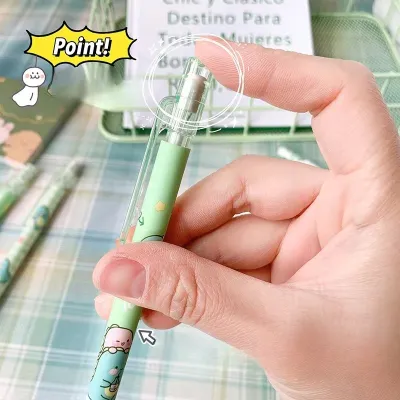
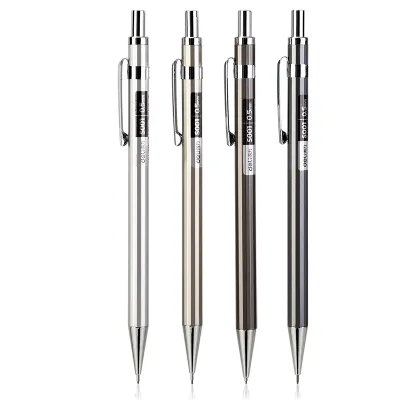
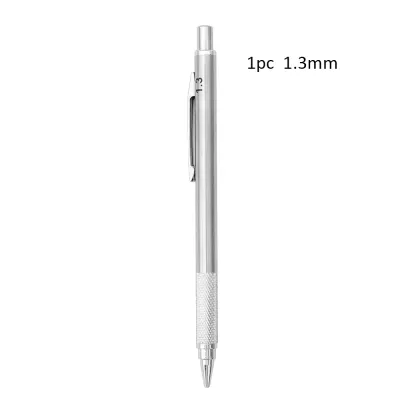
Prices are valid at publication and may change. Please refer to the product page for the latest price.
Pencils excel at producing dynamic line weights and tonal values through simple adjustments in hand pressure and writing angle. By tilting a wooden pencil, you can transition from a razor-sharp detail line to a broad, soft smudge for shading. This organic responsiveness makes the pencil an indispensable tool for artists, designers, and anyone who values expressive mark-making.
Standard pens, particularly ballpoints and gel pens, are engineered to deliver a highly consistent and uniform line width regardless of the angle or pressure applied. While fountain pens and brush pens can achieve line variation, everyday office pens prioritize predictability. This uniformity ensures that your handwriting remains legible and neat, which is highly beneficial for structured note-taking, mathematical equations, and filling out forms.
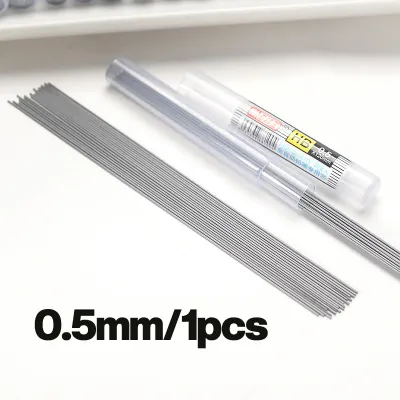
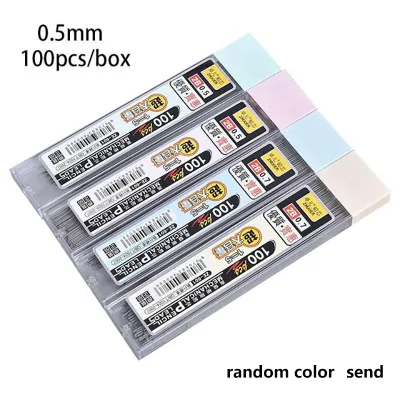
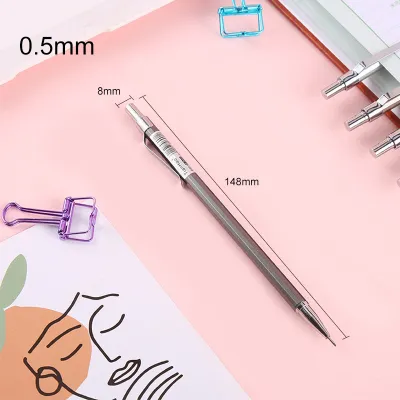
When it comes to fine-detail capabilities, mechanical pencils with thin leads (such as 0.3 mm or 0.5 mm) provide consistent precision without the need for constant sharpening. They maintain their exact line width indefinitely, making them perfect for intricate technical drawings or writing in tight margins. Wooden pencils can achieve similar precision, but only when freshly sharpened to a fine point, requiring frequent maintenance during long sessions.
Fine-tip pens, including needle-point gel pens and technical fineliners, offer a different kind of precision. They deliver highly saturated, dark lines that do not fade or smudge under light contact. Because the ink is highly visible, fine-tip pens allow you to write extremely small characters that remain readable. However, unlike pencils, any mistake made with a fine-tip pen is permanent, requiring correction tape or a complete rewrite.
Practical Performance Across Everyday Tasks
For students and professionals engaged in active learning, the choice of tool often depends on the subject matter. Pencils are highly forgiving, making them the preferred choice for mathematics, chemistry, and engineering courses where calculations and diagrams require frequent corrections. The ability to erase mistakes cleanly prevents notes from becoming cluttered with crossed-out lines, preserving the layout’s clarity.

On the other hand, pens are superior for rapid, high-volume note-taking during lectures or meetings. The high contrast of dark blue or black ink against white or cream paper reduces eye strain during long reading sessions. Additionally, handwritten notes taken in ink are much easier to scan or photograph using mobile applications, as the high-contrast lines are easily recognized by optical character recognition software.
In creative workflows, pencils and pens serve complementary but distinct roles. Pencils allow for soft blending, smooth gradients, and complex tonal ranges that are essential for realistic portraiture and initial concept sketches. The erasable nature of graphite allows artists to lay down light construction lines, explore proportions, and refine shapes before committing to final contours.
Pens introduce bold outlining, cross-hatching, and permanent layering capabilities to the drawing board. Once ink is applied and allowed to dry, it can be layered with watercolors, markers, or even graphite without bleeding or smudging, provided you use water-resistant ink. The stark contrast of ink drawings gives them a graphic, illustrative quality that is highly reproducible in print and digital media.
When it comes to legal forms, signatures, contracts, and archival records, the pen is the undisputed standard. Official documents require permanent, tamper-evident markings to prevent unauthorized alterations. Water-resistant, pigment-based inks bond chemically with the paper fibers, ensuring that signatures and critical data remain legible even if the document is exposed to moisture or light over time.
Pencils are entirely unsuitable for official archiving because graphite marks can be easily erased, altered, or smudged through physical friction. Over years of storage, pages in a pencil-written journal or ledger can rub against each other, causing the graphite to transfer and blur the text. While graphite itself is chemically stable and does not fade from light exposure, its lack of physical permanence makes it a poor choice for records meant to last generations.
Durability, Maintenance, and Long-Term Value
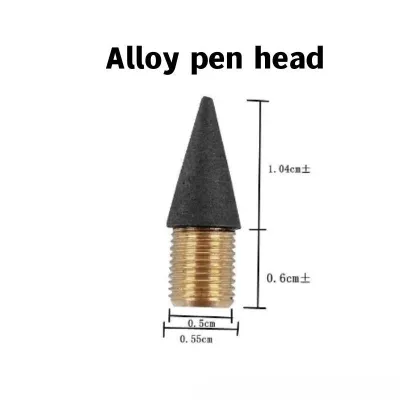
The physical maintenance of your writing tools directly impacts your daily productivity. Wooden pencils require regular sharpening, which produces physical waste and gradually shortens the tool until it becomes too small to hold comfortably. Mechanical pencils eliminate this issue but require a steady supply of replacement leads of the correct diameter and hardness, along with replacement erasers.
Pens require a different set of maintenance habits. Ballpoint and gel pens must be capped or retracted when not in use to prevent the ink from drying out or leaking onto clothing. Refillable pens, such as fountain pens or premium rollerballs, require periodic cleaning to remove dried ink residue and a structured process for refilling from ink bottles or cartridges. While disposable pens require no maintenance, they generate plastic waste once the ink reservoir is depleted.
Local environmental conditions, particularly in tropical climates with high relative humidity, play a significant role in how these tools perform. High humidity can soften paper fibers, making them more susceptible to tearing under the sharp point of a hard pencil. Furthermore, moisture on the skin can easily transfer to the paper, causing graphite marks to smudge more readily when touched.
For pens, extreme humidity and heat can affect ink viscosity and drying times. In warm, humid environments, some gel and rollerball inks may take longer to dry on the page, increasing the risk of smearing as your hand moves across the paper. Additionally, storing pens horizontally or tip-down in hot conditions can sometimes lead to leakage or ink separation, while storing them tip-up can cause the tip to dry out prematurely.
Evaluating the long-term cost of your writing instruments involves looking beyond the initial purchase price. A single high-quality mechanical pencil can last for years, requiring only inexpensive lead refills, making it a highly economical choice over time. Wooden pencils are also very cost-effective, though their lifespan is limited by how often they are sharpened.
Pens span a wide price spectrum, from budget-friendly disposable ballpoints costing under ₱20 to luxury fountain pens that represent a larger investment. While disposable pens are cheap upfront, their cumulative cost and environmental impact can be high for heavy writers. Investing in a refillable pen body and purchasing ink in bulk bottles or refill cartridges often yields a lower cost per page in the long run, while also offering a more premium writing experience.
How to Choose the Right Tool for Your Needs
To determine which writing instrument fits your workflow, consider the primary demands of your daily tasks. You can use this simple framework to guide your next purchase:
- Choose a pencil if: Your workflow requires frequent corrections, tonal shading, or writing on rough, non-porous, or outdoor surfaces. Pencils are also ideal if you appreciate tactile feedback and the ability to control line darkness through hand pressure.
- Choose a pen if: You need permanent, high-contrast text for archiving, signing official documents, or ensuring quick readability. Pens are also superior if you prefer a smooth, effortless glide across the paper with minimal hand fatigue during long writing sessions.
- Verify first if: Your specific paper stock requires specialized quick-dry inks to prevent smearing, or specific graphite hardness grades to prevent tearing. Always test a new pen or pencil on an inconspicuous corner of your notebook to ensure the ink dries quickly and the lead does not tear the page.
Frequently Asked Questions (FAQ)
Can I use a pen and pencil together for better results?
Yes, combining both tools is a highly effective workflow in sketching, design, and note-taking. The standard practice involves using a light graphite pencil (such as an H or 2H grade) to lay down initial guidelines, structural shapes, and layout grids. Once the pencil composition is finalized, you can trace over the lines with a permanent ink pen to create clean, high-contrast final contours. After the ink has dried completely, you can use a soft eraser to remove the underlying pencil lines without damaging the ink, leaving a clean and professional finished piece.
Which tool is better for left-handed writers?
Left-handed writers often face the challenge of smudging their work as their writing hand follows the pen or pencil across the page. For pens, the best option is a quick-drying gel pen or a traditional ballpoint pen with low-viscosity ink, which dries almost instantly upon contact with the paper. For pencils, left-handed writers should look for harder graphite grades (such as H or HB) or specialized smudge-resistant leads, which do not smear as easily under the friction of a sliding hand. Using a smooth, high-quality paper can also help speed up ink absorption and reduce graphite transfer.
Do pens or pencils last longer on a single purchase?
The lifespan of each tool depends heavily on writing pressure, paper texture, and the specific model used. A standard wooden pencil can typically write for a significant distance before it is completely worn down, though it requires frequent sharpening along the way. A standard ballpoint pen often has a very long write-out length, sometimes lasting for several kilometers of continuous writing before running out of ink. To get the most accurate estimate for your specific needs, check the manufacturer’s specifications for ink capacity or lead durability, and consider using refillable options to extend the life of the tool indefinitely.

Community discussion
Share your experience or ask a question. Comments are reviewed before publication.