
Choosing a mechanical pencil often comes down to how the tool balances in your hand, grips your fingers, and deploys lead onto the page. The Pentel P200 series, the Pentel Smash, and the Pentel Graph series (such as the Graph 1000 or GraphGear variants) represent three distinct design philosophies from the same manufacturer. While the P200 is a classic, lightweight workhorse, the Smash offers a unique rubber-studded grip designed for intensive writing, and the Graph series provides professional-grade drafting features. Understanding how these physical differences translate to daily writing comfort is key to selecting the right tool for your desk.
By comparing their structural builds, grip ergonomics, and mechanical feedback, you can identify which pencil aligns with your specific tasks. Whether you are sketching intricate diagrams, taking rapid lecture notes, or drafting technical plans, each model offers a distinct tactile experience. This guide breaks down their observable features and provides a practical framework to help you make an informed choice.
Understanding the Core Design and Build
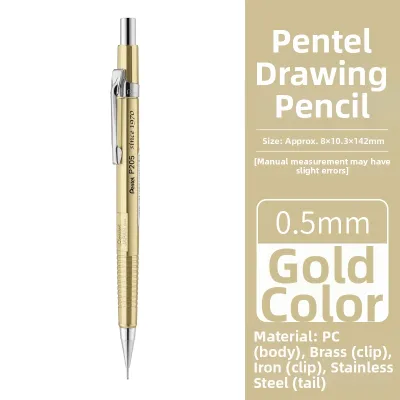
To understand how these pencils perform, you must first look at their structural materials and design intentions. The Pentel P200 series features a classic, slim, hexagonal plastic barrel that has remained virtually unchanged for decades. Its minimalist construction makes it incredibly light and highly resistant to superficial wear. The simplicity of the P200 makes it an accessible, everyday writing tool that fits easily into any pencil case or pocket.
Products mentioned in this guide
Prices are valid at publication and may change. Please refer to the product page for the latest price.
In contrast, the Pentel Smash utilizes a hybrid construction. It features a matte plastic upper barrel paired with a brass internal mechanism and a integrated metal-and-rubber grip section. This design shifts the weight slightly forward, providing a more anchored feel during fast-paced writing. The Smash was originally engineered as a heavy-duty drafting tool, but its robust build has made it a favorite for students and professionals who write continuously for hours.
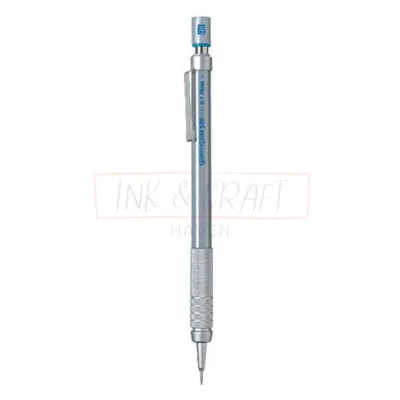
The Pentel Graph series, which includes the Graph 1000 and the GraphGear 500 and 1000, is explicitly designed for technical drafting and precision drawing. These models feature a higher concentration of metal components, particularly in the grip and tip assemblies. To check the lead size compatibility and settings on these models, look at the color-coded accents or the built-in lead hardness indicator. The Graph 1000 and Smash often feature a small, rotatable window near the top button that you can set to display HB, B, 2B, or other lead grades, helping you keep track of what is currently loaded.
Evaluating Grip Comfort and Weight Balance
How a pencil feels during a long writing session depends heavily on its grip texture and weight distribution. In warm, humid tropical climates like the Philippines, hand moisture can quickly make smooth plastic barrels slippery. The Pentel P200 relies on simple molded plastic ridges near the tip. While functional, this grip offers minimal slip resistance if your hands sweat during extended writing sessions.

The Pentel Smash addresses this with its distinctive grid of small, raised rubber squares protruding through a matte metal sleeve. This texture provides excellent traction and ventilation, keeping your fingers in place without requiring a tight, fatiguing squeeze. The Graph series offers different tactile options: the Graph 1000 features alternating vertical rubber ribs and smooth metal strips, while the GraphGear 500 utilizes a heavily textured, knurled metal grip that provides maximum friction for precise, slip-free control.
You can easily test the center of gravity of these pencils by balancing them horizontally on your index finger. The P200 balances near its physical center, making it feel agile and effortless to flick across the page for quick cursive writing. The Smash and the GraphGear 500 have a distinct front-weight bias due to their metal grip sections. This low center of gravity pulls the pencil naturally toward the paper, reducing the downward pressure you need to apply with your hand and minimizing muscle fatigue over time.
Portability and pocket safety also vary across these designs. The P200 and Smash feature fixed 4mm metal guide pipes. While these long sleeves provide an unobstructed view of the paper, they can bend if dropped on a hard floor or poke through thin shirt pockets. If pocket safety is a priority, certain models in the Graph series, like the GraphGear 1000, feature a fully retractable tip mechanism. Pressing the pocket clip retracts the entire metal sleeve safely inside the barrel, protecting both the pencil tip and your clothing.
Comparing Lead Advancement and Writing Feedback
The internal clutch mechanism determines how smoothly the lead advances and how much feedback is transmitted to your hand. All three models utilize high-quality brass clutches, which are far more durable than the plastic clutches found in budget disposable pencils. However, the tactile sensation of the click mechanism differs. The P200 delivers a sharp, audible, and highly positive click. The Smash features a unique rubber bellows cap over the push button, which dampens the sound slightly and gives the click a springy, cushioned feel. The Graph series provides a short, precise click with minimal travel, deploying a highly consistent length of lead with every press.
Tip stability is another critical factor for writing comfort. Any tiny movement or wobble at the tip can cause lead breakage and disrupt your line consistency. The Pentel Smash excels in tip stability because its grip section and nose cone are molded as a single, continuous piece. This design eliminates the threaded joint found on most mechanical pencils, ensuring there is zero play or wobble. The P200 and Graph series use traditional screw-on nose cones. While highly stable, you should periodically check that these nose cones are screwed on tightly to maintain a rigid writing feel.
The design of the tip sleeve also influences lead breakage. The fixed 4mm sleeve on these pencils is designed to support the lead close to the paper, which is ideal for drawing against rulers or templates. However, if you tend to write with heavy, vertical pressure, a fixed sleeve offers no cushion. You will need to adjust your lead extension—keeping only one or two clicks of lead exposed—to prevent breakage when writing on soft paper or uneven surfaces.
Decision Framework: Choosing Your Ideal Pentel Pencil
To help you decide which model best fits your daily routine, consider the following scenarios and verification steps.
Choose the Pentel P200 if:
- You prefer an ultra-lightweight pencil that feels agile and causes minimal hand strain during quick, casual note-taking.
- You want a simple, durable design with no complex moving parts that can be tossed into a bag or pocket without worry.
- You are looking for a budget-friendly entry point into high-quality mechanical pencils.
Choose the Pentel Smash if:
- You write for extended periods and need a secure, non-slip grip that performs well in humid conditions.
- You prefer a low center of gravity that naturally guides your hand and reduces writing fatigue.
- You want maximum tip stability with zero wobble for clean, consistent lettering.
Choose the Pentel Graph series if:
- You require technical precision, clean sightlines for ruler work, and an adjustable lead hardness indicator.
- You prefer a heavily textured, knurled metal grip for absolute control over fine details.
- You want a retractable tip mechanism (such as on the GraphGear 1000) to protect the sleeve and your pockets during travel.
Verify first if:
- Lead Size Availability: Ensure your chosen model is available in your preferred lead diameter. While 0.5mm is widely available, specialized sizes like 0.3mm or 0.9mm may only be offered in specific models like the P200 or Graph series.
- Eraser Refills: Check the availability of replacement erasers. The P200, Smash, and Graph series use different eraser sizes, so you will need to verify the correct refill code (such as Z2-1N) at your local stationery store.
- Local Pricing: Check authorized stationery distributors and reputable online marketplaces in the Philippines. Prices generally range from approximately ₱200 to ₱350 for the P200, while the Smash and Graph series typically range from ₱500 to ₱900 depending on the specific model and features.
Frequently Asked Questions (FAQ)
How do I clear a lead jam in these Pentel models?
To clear a lead jam safely, unscrew the metal nose cone from the front of the pencil. Press and hold down the top button to open the internal brass clutch jaws. While holding the button down, gently insert a thin cleaning pin (often found attached to the underside of the eraser on drafting pencils) or a spare piece of lead through the front of the guide pipe to push the jammed piece backward out of the mechanism. Never use thick sewing needles, paperclips, or excessive force, as these can permanently bend the delicate 4mm metal sleeve or scratch the internal clutch.
Are the erasers and lead refills interchangeable between these models?
Lead refills are fully interchangeable across all three models, provided you match the exact diameter (for example, using any brand of 0.5mm lead in a 0.5mm pencil). However, the built-in erasers and their protective caps are not universally interchangeable. The P200, Smash, and Graph series use different barrel diameters and cap designs. Always check the specific replacement eraser code printed on the original product packaging or the manufacturer’s compatibility chart to ensure you purchase the correct size for your specific model.

Community discussion
Share your experience or ask a question. Comments are reviewed before publication.