
When ordering a personalized birthday card online, the features that offer the highest return on investment are high-resolution photo uploads, custom name integration, and heavy matte cardstock. These elements directly elevate the emotional impact and physical feel of the card. On the other hand, complex multi-photo collages, digital handwriting simulators, and generic pre-designed templates often fail to justify their extra cost, sometimes resulting in a cluttered or cheap-looking finish. In a tropical climate where high relative humidity can affect paper stability and ink drying times, choosing the right material and customization combination is essential to ensure your card arrives looking pristine and survives the journey through the local postal or courier system.
To get the most value out of your purchase, it helps to understand how digital designs translate to physical paper. Many online platforms offer a dizzying array of upgrades, but focusing on structural quality and clean typography will always yield a better result than piling on unnecessary digital decorations. By prioritizing features that enhance readability and tactile appeal, you can create a memorable keepsake without overspending on marketing gimmicks.
Which Customization Features Actually Add Value?
Typography plays a critical role in the overall aesthetic of a personalized card. Adding the recipient’s name to the cover is the baseline of personalization, but the style of that text dictates the card’s tone. Standard digital fonts are cost-effective and highly readable, making them an excellent choice for modern, clean designs. If you prefer a more elegant look, look for platforms that offer foil-stamped text for the name rather than simulated handwriting fonts. Simulated handwriting often looks artificial because the letterforms are too uniform; if you want a handwritten feel, it is usually better to write the message yourself upon delivery or choose a font that features variable glyphs and natural ligatures.
Products mentioned in this guide
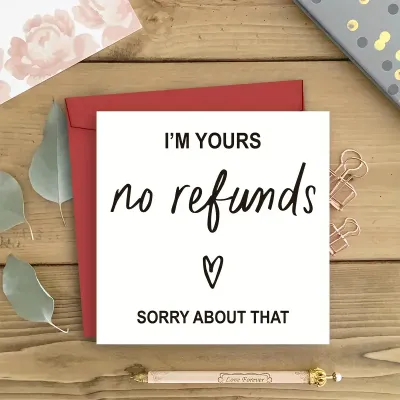
Prices are valid at publication and may change. Please refer to the product page for the latest price.
Photo integration is one of the most popular customization options, but it requires careful attention to technical specifications. To avoid a blurry or pixelated print, always upload images that meet the platform’s minimum resolution requirements, typically 300 DPI (dots per inch). Avoid using photos downloaded from social media platforms, as these files are highly compressed and lose critical detail. Built-in cropping tools are incredibly useful, allowing you to adjust the focal point of your photo without stretching or distorting the image. When choosing a layout, a single, high-quality photo almost always looks cleaner and more professional than a multi-photo collage, which can easily make a standard 5×7-inch card look cluttered and chaotic.
The interior message is the emotional core of any greeting card, and customizing this text requires a balance of sentiment and readability. When editing the inside message, pay close attention to character limits and font sizes. Crowding too much text into a small space forces the printing software to shrink the font, which can make your message difficult to read, especially for older recipients. Opt for a clean, legible sans-serif or simple serif font for the body text, and ensure there is generous line spacing. If you plan to write a long, deeply personal letter, it is often best to leave the inside of the card blank or choose a simple, pre-printed greeting, allowing you to write your thoughts by hand with a high-quality pen.
Choosing between a pre-designed template and a blank canvas depends entirely on your design experience. Pre-made templates designed by professional graphic artists are generally the safest and most cost-effective option. These templates ensure balanced margins, harmonious color palettes, and proper text hierarchy, saving you from common design mistakes. Building a card from scratch on a blank canvas offers maximum creative freedom, but it requires a good eye for alignment and contrast. If you choose the blank canvas route, make sure the platform’s editor provides alignment grids and snap-to-guide features to keep your design elements perfectly centered.
How to Verify Print Quality and Materials Before Checkout
The physical feel of a card is just as important as its visual design, and this starts with the paper stock. Standard greeting cards are typically printed on cardstock ranging from 250 gsm to 350 gsm (grams per square meter). A heavier weight, such as 300 gsm or higher, gives the card a premium, sturdy feel that stands up well on a mantelpiece. Matte cardstock is highly recommended for most designs; it offers a classic, non-reflective finish that showcases photos beautifully without attracting fingerprint smudges. Glossy paper can make colors pop, but in humid environments, glossy surfaces can become sticky and adhere to the inside of the envelope.

If you plan to sign the card or add a handwritten note, verify the paper’s compatibility with your preferred writing instrument. Glossy and highly coated papers are notorious for slow drying speeds, which can lead to severe ink smudging if you use standard gel pens or fountain pens. Matte and textured papers, such as linen or felt-marked cardstock, offer excellent ink absorption and bleed resistance. Before writing your main message, it is wise to perform a quick ink compatibility test on a small, inconspicuous corner of the card or a scrap piece of the same paper stock to check for feathering, bleed-through, and drying time.
Envelope matching is another detail that should not be overlooked. A premium card deserves a matching envelope that fits its dimensions perfectly. Standard card sizes, such as A7 (5×7 inches) or A6 (4.5×6.25 inches), should be paired with envelopes that allow a few millimeters of clearance on all sides. If the envelope is too tight, the corners of your customized card will bend and crease during transit. Look for online stores that include a high-quality, heavy-weight envelope (at least 120 gsm) as part of the base price, rather than a flimsy, translucent paper sleeve that offers little protection.
Digital proofing tools are your final line of defense against printing errors. Before finalizing your order, always generate a high-resolution PDF proof if the platform allows it. Zoom in on this preview to check for color accuracy, pixelation, and alignment. Pay close attention to the “bleed lines” and “safe zones” indicated in the editor. Any critical text or image elements must sit well inside the safe zone to ensure they are not accidentally trimmed off during the physical cutting process. If a photo looks slightly grainy or dark on your screen, it will likely print even darker and less detailed on paper, so consider swapping it for a brighter, higher-contrast image.
Which Premium Upgrades Are Worth the Extra Cost?
Specialty finishes like foil stamping, embossing, and spot UV can transform a simple digital print into a luxurious piece of stationery. Foil stamping, which applies a metallic foil (such as gold, silver, or rose gold) to specific design elements, adds a beautiful shimmer and tactile depth. Embossing raises the paper fibers to create a three-dimensional texture, while spot UV applies a glossy varnish to targeted areas, creating a striking contrast against a matte background. These upgrades are highly effective for elegant, minimalist designs where the texture does the talking, and they are generally worth the extra ₱50 to ₱150 because they make the card feel like a boutique, handcrafted item.
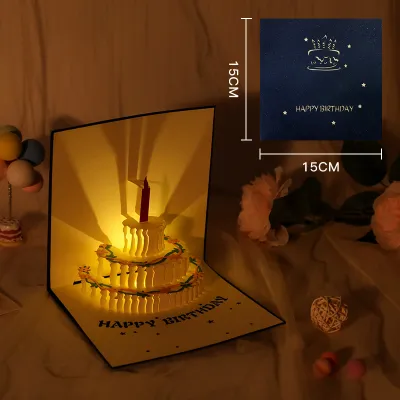
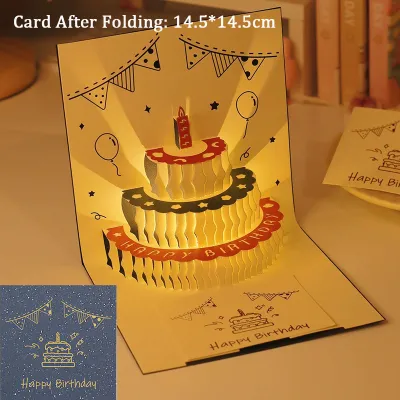
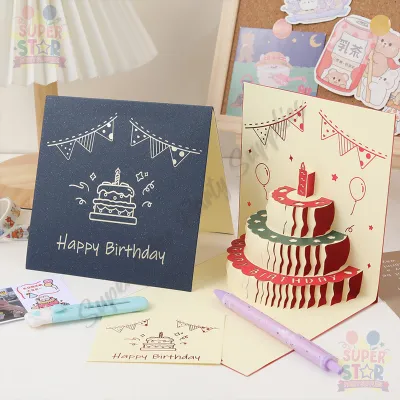
Physical embellishments such as wax seals, custom postage, or intricate pop-up elements can add a delightful touch of whimsy, but they must be evaluated against your budget and delivery method. A wax seal looks incredibly sophisticated, but it adds weight and thickness to the envelope. If you are mailing the card through the standard postal system, this extra thickness can cause the envelope to get caught in automated sorting machines, potentially damaging the card or requiring additional postage. Pop-up elements are visually impressive but fragile; in highly humid conditions, the delicate paper mechanisms can lose their structural integrity and sag. These physical add-ons are best reserved for cards that you plan to hand-deliver in person.
When navigating online checkout screens, keep an eye out for hidden fees that can quickly inflate your total cost. Some platforms charge extra for basic necessities, such as downloading a high-resolution digital proof, choosing a standard white envelope, or removing the printer’s branding from the back of the card. Other platforms may charge a premium for processing high-resolution images or offering expedited proofing services. Always calculate the total cost of the card, including any material upgrades and local shipping fees, before committing to a design. This ensures you stay within your budget and do not pay for features that do not contribute to the card’s overall quality.
Your Pre-Checkout Checklist for a Flawless Order
A single typo can ruin the sentiment of a personalized card, making a thorough final review essential. Read your custom text backward, word by word, to catch spelling mistakes that your brain might otherwise skip over. Double-check the spelling of the recipient’s name, as well as any specific dates, ages, or milestones mentioned in the design. Ensure there is high visual contrast between your text color and the background; for example, light pastel text on a white background may look readable on a bright computer screen but can be completely illegible when printed on physical paper.
Personalized items require dedicated production time, so planning ahead is crucial. Unlike standard off-the-shelf stationery, custom cards must be printed, cut, finished, and packaged, which typically adds two to five business days to the fulfillment process. In the Philippines, shipping times can vary significantly depending on your location, with island-to-island transit often taking longer. Factor in potential weather disruptions, especially during the rainy season, and place your order at least two weeks before the recipient’s birthday to ensure it arrives on time.
Finally, take a moment to review the online store’s return, refund, and reprint policies. Because personalized cards are made-to-order and cannot be resold, most companies do not offer refunds or exchanges for customer-generated errors, such as typos, low-resolution photos, or incorrect design choices. However, a reputable printer should offer a free reprint or a full refund if the card arrives with printing defects, cutting errors, or damage sustained during transit. Understanding these terms before you click the buy button provides peace of mind and ensures a smooth, risk-free purchasing experience.
Frequently Asked Questions (FAQ)
Can I use my own handwriting for the message inside the card?
Yes, many premium online card platforms allow you to incorporate your actual handwriting into the design. To do this, you typically need to write your message clearly on a plain sheet of white paper using a dark black pen, scan or take a high-contrast photo of the writing, and upload it as an image file. The platform’s design editor will then allow you to place this image inside the card. If the platform does not support image uploads on the interior, a reliable alternative is to use a high-quality handwriting-style font, or simply order the card with a blank interior and write your message by hand once the physical card arrives.
Do online stores offer bulk discounts for personalized birthday cards?
Many online stationery stores do offer bulk discounts, but the pricing structure depends on whether the cards are identical or individually customized. If you are ordering multiple cards with the exact same design and text, you will almost always qualify for a volume discount. However, if you are ordering multiple cards where each card has a different name, photo, or message, this requires variable data printing, which is more labor-intensive. Some specialized platforms offer batch personalization discounts for corporate orders or large events, so it is always best to check the store’s bulk pricing policy or contact customer service before placing a large order.

Community discussion
Share your experience or ask a question. Comments are reviewed before publication.