
Quick Answer: Which Pocket Pen Should You Choose?
Finding the right pocket fountain pen depends on how you balance size, ink compatibility, and budget. If you need an ultra-compact, budget-friendly pen for quick planner notes, the Pilot Petit is an excellent choice. For those who prefer a classic, durable design with standard ink options and customizable materials, the Kaweco Sport stands out. If you want an entry-level pen with an exceptional cap seal that prevents ink from drying out during long periods of disuse, the Platinum Preppy is the ideal match.
Design, Build, and Portability
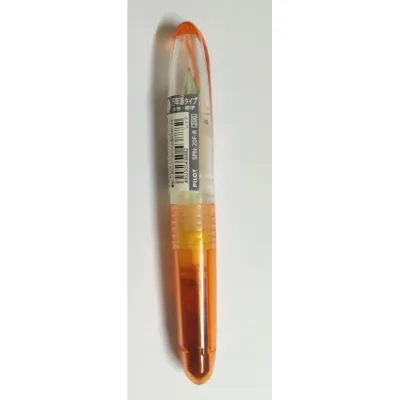
Pocket pens are designed to be compact when capped but comfortable when posted (placing the cap on the back of the barrel while writing). The Pilot Petit is the shortest of the three, measuring extremely small when capped, making it easy to slip into a coin pocket or a small zippered pouch. However, because of its tiny size, writing with it unposted is nearly impossible for most hand sizes; you must post the cap to achieve a balanced grip.

The Kaweco Sport features an iconic octagonal cap design that prevents the pen from rolling off your desk. When capped, it is short and pocket-friendly, but posting the cap transforms it into a full-sized, highly ergonomic writing instrument. The Platinum Preppy is the longest of the three, leaning closer to a traditional pen size, though it remains lightweight and compact enough for daily carry in a bag or shirt pocket.
Products mentioned in this guide
Prices are valid at publication and may change. Please refer to the product page for the latest price.
Cap security and pocket safety are critical when carrying ink on the go, especially in warm, humid climates where temperature changes can cause air inside the reservoir to expand. The Kaweco Sport uses a secure screw-on cap, which minimizes the risk of accidental uncapping in a bag. The Pilot Petit and Platinum Preppy utilize snap-on or slip-on caps. While convenient for quick notes, users should regularly check the tension of snap caps to ensure they do not wear down over time.
Material choices also dictate durability. The Platinum Preppy is made of clear polycarbonate plastic, which allows you to monitor ink levels but can develop hairline cracks if subjected to heavy impact or over-tightening. The Pilot Petit uses a sturdy, thick plastic body that handles daily wear well. The Kaweco Sport offers the widest material variety, ranging from lightweight ABS plastic to premium resins, brass, and aluminum, allowing users to choose a weight and scratch-resistance level that matches their lifestyle.
Nib Options and Writing Experience
The writing experience of a pocket pen is heavily influenced by its nib size and origin. Japanese nibs, such as those on the Pilot Petit and Platinum Preppy, are ground finer than European nibs like those on the Kaweco Sport. A Japanese fine nib will produce a much thinner line than a European fine nib, which is an important distinction if you write in small grids or compact planners.
The Pilot Petit typically comes with a fine steel nib that provides a slightly feedback-heavy but consistent line. The Platinum Preppy offers more variety, including extra-fine (02), fine (03), and medium (05) steel nibs. These nibs are famous for their smooth ink flow right out of the box. The Kaweco Sport provides the broadest range of nib options, from extra-fine to double-broad, as well as specialized calligraphy italic nibs. Kaweco nib units can also be easily swapped or replaced if you want to change your writing style.
Because these pens use standard steel nibs, they are rigid and do not offer line variation or flexibility under normal writing pressure. Attempting to flex a steel pocket nib can permanently bend the metal and ruin the ink feed.
To evaluate the writing experience on your preferred paper, perform a simple dry-writing test before inking the pen. Draw light figure-eights to check for physical scratchiness or misaligned tines. Once inked, observe how the ink behaves on your everyday paper. In humid tropical environments, paper fibers tend to absorb moisture from the air, which can cause inks to feather (spread out) or bleed through the page. If you experience excessive bleeding, consider pairing your pen with a finer nib size or switching to fountain-pen-friendly paper.
Inking Systems and Maintenance
Refilling mechanisms dictate the long-term convenience of your pocket pen. The Kaweco Sport is the most versatile in this category, utilizing standard international short cartridges. This standard format is widely available from various brands, giving you access to hundreds of ink colors. You can also use a proprietary Kaweco mini-converter to draw ink from bottles, though its ink capacity is relatively small.
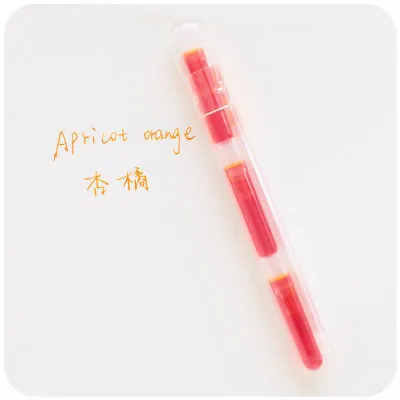
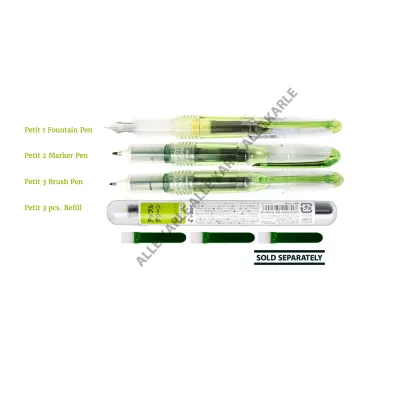
The Pilot Petit relies on a proprietary cartridge system. These cartridges are shorter than standard Pilot cartridges, meaning you cannot use regular Pilot refills or standard converters. While some users choose to refill empty Petit cartridges using a syringe, this requires extra care and maintenance.
The Platinum Preppy uses proprietary Platinum cartridges. However, because of its body design, it can be easily converted into an “eyedropper” pen. By adding a small silicone O-ring and applying silicone grease to the threads, you can fill the entire plastic barrel with bottled ink, giving it a massive ink capacity.
Cap sealing is another crucial factor, especially if you do not write every day. The Platinum Preppy features a specialized “Slip & Seal” spring mechanism inside the cap, which keeps the nib wet and prevents ink evaporation for months. The Kaweco Sport and Pilot Petit seal well, but they may experience faster evaporation if left unused in warm, dry storage areas.
Regular maintenance keeps these pens writing smoothly. If your pen stops writing or suffers from hard starts, flush the nib and feed with lukewarm water. Avoid using hot water, rubbing alcohol, or household solvents, as these can melt the plastic feeds or degrade the barrel materials.
Evaluating Price and Value
When evaluating the cost of these pocket pens, it is helpful to look at both the initial purchase price and the long-term operating costs. In the local market, the Platinum Preppy and Pilot Petit represent the entry-level tier, typically priced under ₱300. This makes them highly accessible options for students, beginners, or anyone looking for a low-risk everyday carry pen.
The Kaweco Sport sits in a higher price bracket, with plastic models generally starting around ₱1,200 to ₱1,500, while premium metal versions can cost significantly more. While the initial investment is higher, the Kaweco Sport offers greater long-term value through its modular design, replaceable nib units, and compatibility with standard international cartridges.
To calculate the true cost of ownership, factor in the price of refills. Proprietary cartridges can become expensive over time if you write frequently. If you plan to use bottled ink, remember to budget for a compatible converter or a syringe kit.
When shopping, always verify current pricing, stock availability, and authenticity by purchasing from authorized stationery retailers or reputable online marketplaces. Be cautious of unusually low prices on unverified platforms, as counterfeit fountain pens can suffer from poor manufacturing tolerances and frequent leaks.
Final Decision Framework
To choose the best pocket pen for your daily writing needs, consider the following checklist:
- Choose the Pilot Petit if: You want an ultra-compact, lightweight pen that fits easily into small planner loops or coin pockets, and you prefer a fine, precise line for detailed writing.
- Choose the Kaweco Sport if: You want a durable, pocket-safe pen with a classic design, prefer a screw-on cap, want the option to upgrade to metal bodies, and value the freedom of standard international ink cartridges.
- Choose the Platinum Preppy if: You are on a budget, want a reliable pen that will not dry out even after months of storage, or want to experiment with converting a pen into a high-capacity eyedropper.
- Verify first if: Before finalizing your purchase, check local retailer stock for your preferred nib size and verify the return policy in case you experience any manufacturing defects.
Frequently Asked Questions (FAQ)
Can I use any fountain pen ink in these pocket pens?
You should only use ink specifically formulated for fountain pens. Avoid using India ink, calligraphy ink, drawing inks, or heavily pigmented acrylic inks, as these contain binders that will permanently clog the fine feed channels of your pocket pen. If you use shimmering or highly saturated inks, commit to flushing your pen with clean water every few weeks to prevent particle buildup.
How do I fix a pocket fountain pen that has dried out?
If your pen has dried out after sitting unused, remove the ink cartridge or converter and submerge the nib and grip section in a cup of lukewarm water. Let it soak for several hours or overnight to dissolve any hardened ink. Once clean, flush the section with fresh water, dry it gently with a soft cloth, reinsert your cartridge, and scribble lightly on paper to draw the fresh ink down to the tip.

Community discussion
Share your experience or ask a question. Comments are reviewed before publication.