
Finding the best plastic folder organizers for documents in the Philippines requires balancing durability, capacity, and protection against the local climate. In a tropical environment where high humidity, sudden downpours, and moisture can easily ruin paper files, plastic organizers serve as an essential shield. Cardboard folders often warp or attract pests in humid conditions, making water-resistant plastic alternatives the preferred choice for students, remote workers, and corporate offices alike.
The ideal plastic folder organizer is one that matches your specific document sizes, frequency of access, and storage environment. Whether you need to secure school worksheets, organize monthly household utility bills, or archive corporate tax records, understanding the structural designs and material grades available will help you build a reliable filing system. By focusing on observable quality indicators and matching the folder style to your daily routine, you can keep your important papers pristine and easily accessible.
Key Factors to Consider Before Buying Plastic Folders
Before purchasing any plastic document organizer, you must clarify your specific storage needs and establish clear evaluation criteria. The first step is assessing the physical dimensions of the documents you intend to store. In the Philippines, three paper sizes dominate: Letter (short), A4, and Legal (long). Many standard plastic folders imported from other regions are designed strictly for A4 or Letter sizes, which means longer Philippine legal documents will stick out, bend, or prevent the folder from closing securely. Always check the product dimensions on the packaging or product listing to ensure the folder can accommodate your longest documents without folding them.
Products mentioned in this guide
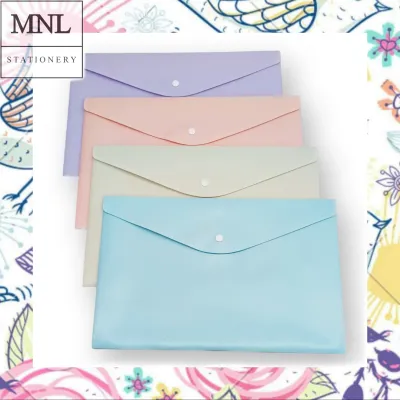
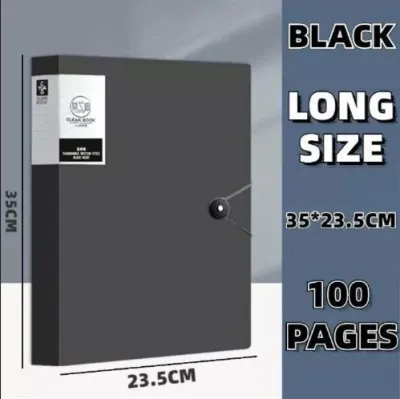

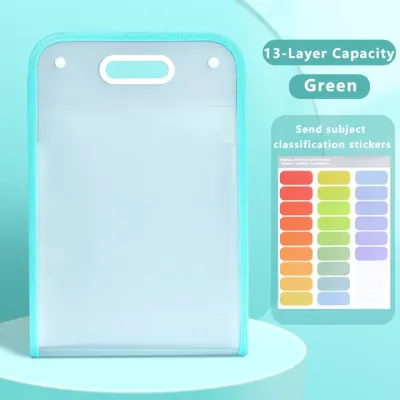

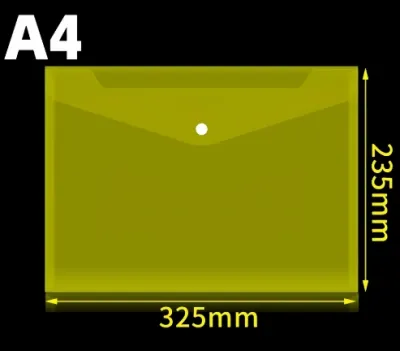
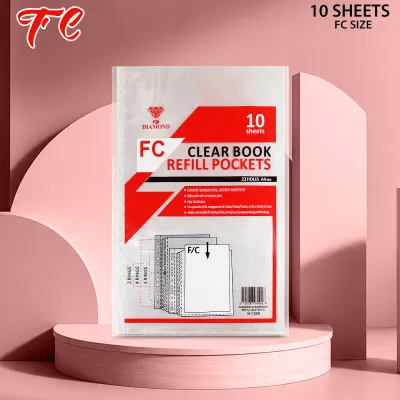
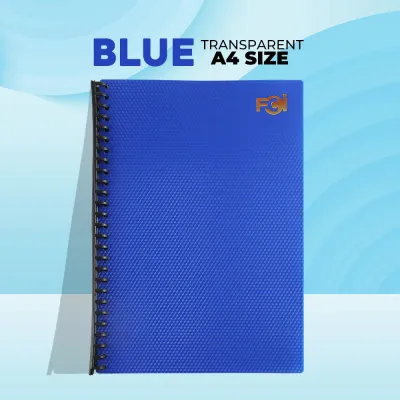
Prices are valid at publication and may change. Please refer to the product page for the latest price.
Capacity is another critical dimension to evaluate before buying. A single plastic sleeve might hold only five to ten sheets of paper, whereas a multi-pocket expanding file can comfortably house hundreds of pages. Overstuffing a folder not only damages the documents inside but also places immense stress on the plastic seams and closures, leading to premature cracking or tearing. Estimate your current document volume and allow for at least a twenty percent margin of growth when choosing a folder’s capacity.
Your daily usage scenario dictates the structural style of the organizer you need. If you are a student or a field professional who constantly moves between locations, you require lightweight, portable options with secure closures to prevent papers from slipping out during transit. For active desk work, quick-access sorting units that sit upright are far more efficient. Long-term archival storage, on the other hand, demands heavy-duty, rigid plastic containers that can shield documents from dust, light, and moisture over several years.
Finally, pay close attention to the material specifications listed on product labels. Polypropylene (PP) is the most common and highly recommended plastic for document organizers due to its flexibility, lightweight nature, and resistance to chemical solvents. Polyvinyl chloride (PVC) is also widely available and offers excellent transparency, but it can sometimes transfer ink from printed pages over time if exposed to heat. Look for thickness ratings, often measured in microns or millimeters; thicker plastic generally offers better structural integrity and resistance to wear.
Common Types of Plastic Document Organizers and Their Best Uses
Selecting the right plastic organizer involves understanding the distinct structural designs available on the market. These range from highly flexible, single-pocket sleeves to rigid multi-ring binders and open, standing desktop units. Each design addresses specific organizational challenges, and most successful filing systems combine multiple styles to handle different stages of document processing.

Expandable File Folders and Accordions
Expandable file folders, commonly referred to as accordion files, are designed to categorize large volumes of loose documents within a single, compact unit. These organizers feature multiple internal pockets separated by flexible plastic dividers, allowing you to sort papers alphabetically, chronologically, or by subject. When choosing an accordion file, match the number of pockets to your categorization complexity; a 12-pocket folder is ideal for monthly utility bills, while a 24-pocket unit suits extensive tax or academic archiving.
The security of your documents during transport depends heavily on the folder’s closure mechanism. Snap buttons offer quick access but can pop open if the folder is overfilled. Elastic cord closures provide more flexibility, stretching to accommodate a bulging file while keeping the cover securely shut. Zipper closures offer the highest level of security, completely sealing the perimeter to prevent loose papers, receipts, or small notes from falling out, though they require a bit more effort to open and close.
While accordion files excel at high-capacity storage, they have distinct portability limits when fully expanded. A fully loaded 24-pocket plastic folder can become heavy and unwieldy, making it difficult to slide into a standard backpack or briefcase. The bottom seams of the expanding gussets bear the brunt of this weight, so it is crucial to inspect these areas for reinforced fabric or double-welded plastic seams to ensure the folder does not split open under pressure.
Clear Document Wallets and Zipper Bags
Clear document wallets and plastic zipper bags are excellent for protecting single documents or small batches of papers from dust, spills, and physical wear. These lightweight sleeves are highly portable and slide easily into bags, making them a favorite among students carrying homework or professionals transporting contracts. Their high transparency allows for instant visual identification of the contents, eliminating the need to open multiple folders just to find a specific sheet.
When evaluating these simple organizers, contrast the sealing effectiveness of different closure styles. Slide locks and plastic zippers provide a relatively tight seal that helps keep out splashes and dust, making them highly suitable for outdoor commutes during the rainy season. Snap buttons are faster to operate but leave small gaps at the corners where moisture or dust can enter.
Durability in clear wallets is determined by the quality of the seams and edges. Cheaply made plastic envelopes often split along the sides after only a few weeks of use. To avoid this, look for wallets that feature reinforced fabric edges or thick, double-pressed heat seams. Running your fingers along the edges to check for a smooth, consistent finish will help you identify well-made products that resist tearing.
Ring Binders and Lever Arch Files
For documents that require frequent updating, rearranging, or referencing, hole-punched ring binders and lever arch files are the most practical choice. These rigid plastic-covered binders allow you to flip through pages easily, add new sheets, or remove outdated documents without disturbing the rest of the file. They are particularly useful for training manuals, school portfolios, and active business projects.
Choosing the correct spine width and ring shape is essential for optimizing your binder’s capacity. Standard round rings (O-rings) are common but can cause pages to bunch up and wrinkle near the spine. D-ring binders allow pages to lie flat against one side, maximizing capacity and reducing wear on the punched holes. Ensure the spine width matches your document volume; a binder that is too large takes up unnecessary shelf space, while one that is too small will cause the rings to misalign.
In the humid Philippine climate, the metal ring mechanism is a common point of failure. Before purchasing, inspect the metal rings to ensure they align perfectly when closed; any gap will catch and tear your papers as you turn them. Look for binders that use rust-resistant or powder-coated metal parts to prevent corrosion. To protect high-value, unpunched, or fragile documents, pair your binder with clear plastic sheet protectors, which shield the paper from fingerprints and moisture while keeping them securely bound.
Magazine Files and Desktop Sorters
Upright plastic magazine files and desktop sorters are designed for temporary storage and quick retrieval of active files. Instead of stacking documents horizontally on your desk—which often leads to forgotten papers and clutter—these vertical organizers keep your current projects visible and within arm’s reach. They are ideal for sorting incoming mail, active school modules, or daily office tasks.
Stability is the most critical feature to look for in a desktop sorter. Because plastic is lightweight, an empty or unevenly loaded plastic file holder can easily tip over when you insert a heavy folder. Look for designs with weighted bases, wide footprints, or non-slip rubber pads on the bottom to keep the unit firmly anchored to your desk.
The ease of retrieving files depends on the opening angle and height of the sorter’s front panel. A low front barrier or an angled open design allows you to slide folders in and out smoothly without lifting them entirely above the organizer. Additionally, many modern plastic sorters feature interlocking or stackable designs, allowing you to expand your desktop storage system modularly as your workload increases.
How to Evaluate Plastic Quality and Durability Without Testing
Since you cannot always perform destructive tests on folders before buying them, you must rely on visual and tactile inspections to evaluate their quality. Start by reading the manufacturer’s specifications on the product label or online description. High-quality organizers often specify the use of “acid-free” or “archival-safe” polypropylene. These materials are formulated to resist degradation, meaning they will not become brittle, yellow, or crack under repeated folding and daily handling.
Next, perform a close visual inspection of the folder’s physical construction. Examine the edges, seams, and corners for any signs of poor manufacturing, such as plastic burrs, uneven molding, or thin spots. High-quality plastic folders feature clean, rounded corners that prevent the plastic from catching on your clothes or scratching your skin. The seams where different plastic sheets meet should be wide and consistently welded, with no visible air bubbles or separation.
Finally, test the smoothness of all mechanical parts and closures. Open and close the snap buttons, slide locks, or zippers several times. A quality clasp should engage with a distinct, firm click and release without requiring excessive force that might tear the surrounding plastic. Zippers should glide smoothly along their tracks without catching on loose threads or plastic edges. If the folder uses metal clips or rings, press them open and closed to ensure the tension is firm and the alignment remains perfect.
Building Your Filing System: Matching Folders to Your Routine
An effective filing system relies on using the right tool for the right task, combining different plastic folder styles into a seamless daily routine. For home organization, a simple and highly effective setup involves using a multi-pocket accordion file for monthly utility bills, tax receipts, and medical records. Complement this with a few clear document wallets to store individual, high-importance items like appliance warranties, birth certificates, and land titles, keeping them safe from accidental spills.
Students balancing multiple subjects need a lightweight, highly portable setup that fits easily into a backpack. Instead of carrying heavy binders for every class, use color-coded clear zipper bags or slim plastic envelopes for each subject. This keeps worksheets, syllabus guides, and homework assignments separated and protected from crumpled edges, while allowing you to carry only the documents needed for that specific day.
In a busy office or work-from-home environment, a multi-stage workflow keeps clutter at bay. Use an upright desktop sorter to hold active, daily tasks that require immediate attention. Once a task is completed, transfer the documents into a labeled ring binder or lever arch file stored on a shelf for medium-term reference. For long-term archiving of completed projects or past fiscal years, pack the documents into heavy-duty plastic storage boxes that protect them from dust and humidity.
To make your mixed plastic format system highly efficient, implement a consistent color-coding and labeling strategy. Assign specific colors to different categories—such as blue for financial documents, green for personal records, and red for urgent tasks. Use self-adhesive labels or insertable paper tabs in your accordion files and binders, writing clearly with waterproof ink to ensure your labels remain legible even in humid conditions.
Frequently Asked Questions (FAQ)
How do I clean and maintain plastic document folders?
To clean your plastic document folders, start by removing all papers and contents. Wipe the plastic surfaces gently with a soft, lint-free microfiber cloth slightly dampened with clean water or a mild, diluted dish soap solution. Avoid using harsh chemical solvents, alcohol-based cleaners, or abrasive scrubbing pads, as these can strip away protective coatings, scratch the surface, or cause the plastic to become cloudy and brittle. Once wiped down, leave the folder open in a well-ventilated, shaded area to dry completely before reinserting your documents, as any trapped moisture can lead to mold growth on your papers.
Can plastic folders protect documents from humidity?
While the plastic material itself is completely water-resistant and shields papers from external splashes, standard plastic folders are rarely airtight. High relative humidity in the air can still seep through seams, zipper tracks, and snap closures, potentially dampening the papers inside over time. To combat this in highly humid environments, place a few small silica gel desiccant packets inside your expanding files or binders to absorb trapped moisture. Additionally, store your plastic organizers in a cool, dry place away from direct sunlight, as prolonged exposure to heat and UV rays can degrade the plastic, making it sticky or brittle, and can cause printed ink on your documents to transfer onto the folder walls.

Community discussion
Share your experience or ask a question. Comments are reviewed before publication.