
Choosing the right tool to protect your documents depends entirely on where those documents are going and what hazards they will face along the way. Plastic zipper envelopes offer robust, weather-resistant defense against physical wear, spills, and high humidity, making them ideal for active transit and daily commutes. In contrast, traditional paper folders provide structured, high-capacity organization that excels in static office filing systems and dry archival environments. Understanding the physical properties of these two storage options allows you to match your filing strategy to your specific daily routine.
While both options serve the broad purpose of keeping papers together, they approach document protection from opposite ends of the spectrum. A plastic envelope acts as a sealed protective pouch, shielding its contents from external environmental threats. A regular paper folder acts as a supportive organizer, keeping documents flat, sorted, and easily accessible within a controlled space. Deciding between them requires looking closely at how their materials, closures, and structures perform under pressure.
How Material and Structure Affect Protection
The fundamental difference between these two filing options lies in their material composition. Plastic zipper envelopes are typically manufactured from synthetic polymers like polypropylene (PP) or polyvinyl chloride (PVC). These materials are non-porous, flexible, and highly resistant to tearing, puncture, and external moisture. Regular folders are made from organic wood fibers, resulting in cardstock, manila, or heavy kraft paper. While these paper-based materials provide a clean, professional look and are easy to write on, they are inherently porous and susceptible to environmental damage.
Products mentioned in this guide
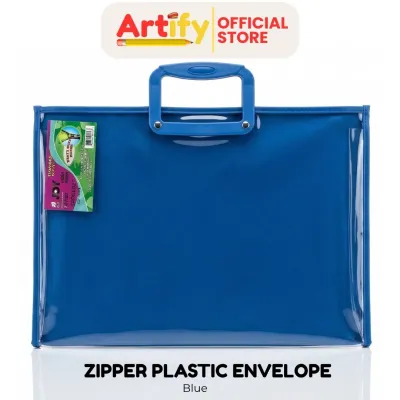
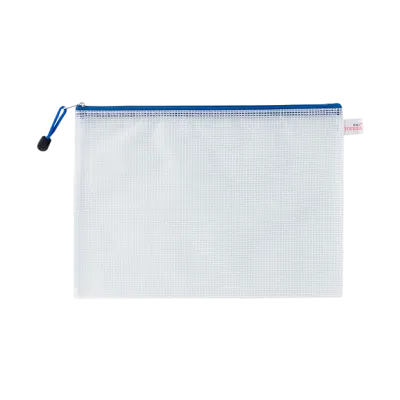
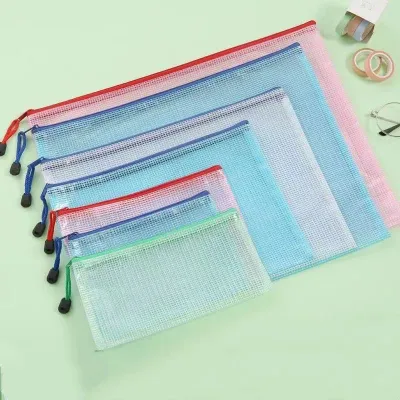
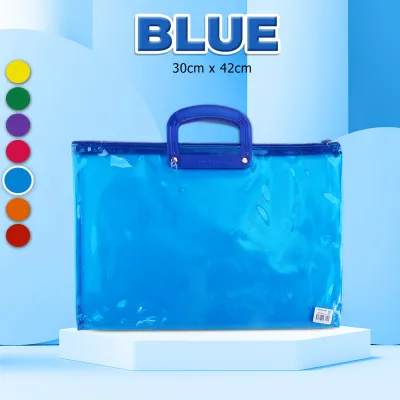
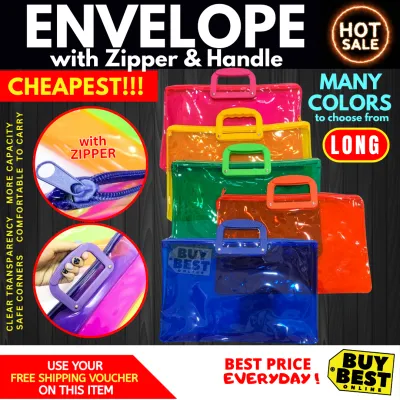
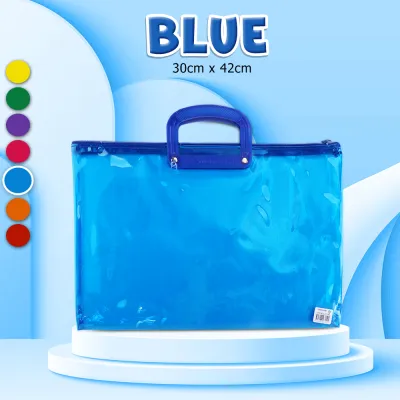
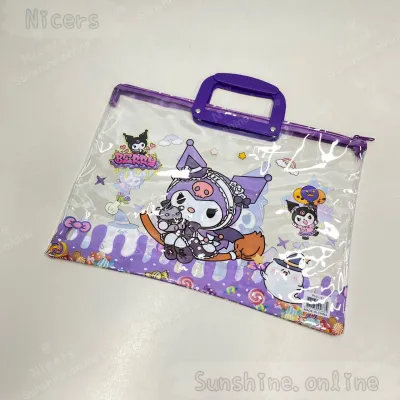
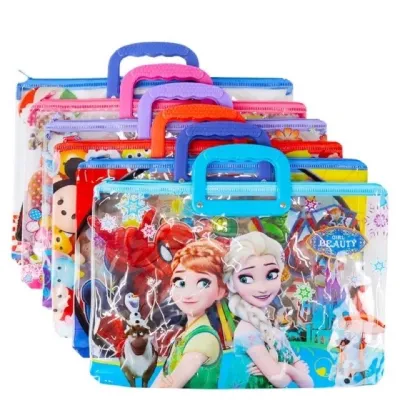
Prices are valid at publication and may change. Please refer to the product page for the latest price.
Closure mechanisms also play a critical role in edge protection. A plastic zipper envelope features a sliding zipper track that seals the top or side perimeter of the pouch. This closure keeps papers securely inside, preventing them from sliding out during transit and shielding the vulnerable edges of the sheets from dust, friction, and light splashes. Traditional folders, by contrast, often feature open tops or simple fold-over flaps. Some use metal prong fasteners or button-and-string ties, but these mechanisms still leave the sides of the documents exposed to the surrounding environment.
Structural rigidity is another key factor to consider when carrying documents. Regular folders, particularly those made from thick pressboard or heavy cardstock, offer a flat, rigid backing that keeps papers from bending or creasing when held in the hand. Plastic zipper envelopes are generally more flexible and can bend easily under pressure. If a soft plastic envelope is stuffed into a crowded bag without a rigid support, the documents inside will conform to the curve of the bag, potentially leading to soft bends or creases.
Moisture and Spill Resistance: Plastic vs. Paper
In tropical climates where sudden downpours, high humidity, and accidental spills are part of daily life, moisture resistance is a primary concern. Plastic surfaces are naturally hydrophobic, meaning water beads up and rolls off without penetrating the material. If a water bottle leaks inside your backpack or you get caught in a heavy rainstorm, a plastic zipper envelope provides a reliable barrier that keeps your certificates, contracts, or school projects completely dry.

However, plastic envelopes are rarely completely hermetic. While the plastic body is waterproof, the zipper track and the seams are potential entry points for liquid. Most standard zipper envelopes use a woven fabric mesh to secure the zipper teeth to the plastic body. This fabric can absorb water and slowly wick it into the interior during prolonged exposure or heavy rain. To verify the water resistance of a specific envelope, you can perform a simple drop test: place a piece of scrap paper inside, zip it closed, sprinkle water over the zipper area, and check the interior paper for dampness after a few minutes.
Paper folders offer virtually no resistance to liquids. When exposed to spills or rain, cardstock and manila folders absorb moisture rapidly. This absorption weakens the paper fibers, causing the folder to soften, tear, and bleed ink onto the documents stored inside. Furthermore, in highly humid environments, paper folders absorb ambient moisture from the air over time. This constant dampness causes the folders to warp, sag, and lose their structural integrity, creating an environment where mold and mildew can thrive and permanently ruin historical or archival documents.
Durability and Wear During Daily Commutes
For students and professionals who commute daily, filing tools must withstand constant physical stress. Sliding folders in and out of packed bags, dropping them onto desks, and flipping through them repeatedly causes rapid wear. Plastic zipper envelopes excel in these high-friction scenarios because their edges do not fray, and their corners do not split when bumped or compressed.
Despite their overall durability, plastic envelopes have a distinct point of failure: the zipper mechanism. Over time, the plastic slider can slip off the track, the teeth can misalign, or the fabric holding the zipper to the plastic body can tear under tension. When selecting a plastic envelope, it is wise to inspect the zipper pull and the reinforcement at both ends of the track. A sturdy, well-stitched zipper ensures a much longer lifespan than a cheap, heat-sealed alternative.
Regular paper folders degrade predictably with heavy use. The corners soften and bend, the edges fray, and the pre-scored fold lines along the spine eventually split. Once a paper folder begins to tear at the seams, it can no longer support the weight of the documents inside, requiring complete replacement. While paper folders are highly affordable, their shorter lifespan under active transit conditions means they must be replaced far more frequently than durable plastic alternatives.
Capacity, Sorting, and Filing Compatibility
When it comes to organizing large volumes of paper in a stationary setting, traditional folders offer significant advantages. Standard paper folders are designed to expand along pre-scored lines, allowing them to hold dozens of sheets while maintaining a flat, stackable profile. Specialized expanding files and pocket folders can accommodate hundreds of pages without bulging awkwardly, making them the standard choice for legal, medical, and corporate record-keeping.
Plastic zipper envelopes have a fixed, non-expanding volume. Overstuffing a plastic envelope causes it to balloon, which puts immense strain on the zipper track and seams. If you force too many sheets into a zipper envelope, the slider may split the track, or the plastic seams may burst open. They are best suited for carrying specific, active projects rather than storing entire archives of historical paperwork.
For indexing and quick visual identification, regular folders are highly efficient. They feature built-in tabs (such as 1/3-cut or 1/5-cut tabs) that allow you to write clear labels or attach printed index stickers. These tabs remain visible when the folders are arranged in standard filing cabinets, lateral files, or desk sorting trays. Plastic zipper envelopes rarely feature indexing tabs and their bulky zipper pulls can prevent them from sliding smoothly into standard hanging file systems, making them less practical for dense, long-term cabinet storage.
It is also essential to verify document size compatibility before purchasing. In the Philippines, standard paper sizes commonly include Letter (8.5 x 11 inches), A4 (8.27 x 11.69 inches), and Legal or “Long” bond paper (8.5 x 13 inches). Standard paper folders are sold in specific “short” and “long” sizes to match these dimensions perfectly. When buying plastic zipper envelopes, always check the label dimensions; an envelope marked for A4 paper will not accommodate a local long bond paper document without folding or crumpling the edges.
Decision Framework: Which Storage Fits Your Needs?
To choose the right document protection tool, evaluate your daily environment, the volume of paper you handle, and how often you travel with your files.
Choose plastic zipper envelopes if:
- You commute daily: Your documents travel in a backpack, messenger bag, or tote, exposing them to physical friction and movement.
- You face weather and spill risks: You work in transit, attend outdoor sites, or frequently carry water bottles and coffee near your files.
- You manage active, short-term projects: You need to keep a specific set of documents (such as school modules, travel permits, or active contracts) isolated, clean, and dry.
Choose regular paper folders if:
- You are archiving documents: Your files remain in dry, climate-controlled office cabinets, desk drawers, or home storage boxes.
- You need high-capacity indexing: You are sorting large volumes of paperwork that require visible, color-coded tabs for quick retrieval.
- You prioritize eco-friendly materials: You prefer biodegradable, recyclable paper products for standard office organization.
Verify chemical safety first if:
- You are storing sensitive media: If you need to preserve printed photographs, thermal paper receipts, or historical documents, check the plastic material carefully. Standard PVC plastics contain plasticizers that can migrate over time, causing thermal ink to fade completely and photographic emulsions to stick to the plastic. For long-term preservation, verify that your plastic envelopes are labeled "acid-free," "archival-safe," or are made of chemically inert polypropylene (PP) or polyester.
Frequently Asked Questions (FAQ)
Do plastic envelopes damage thermal paper or photos over time? (FAQ)
Yes, standard plastic envelopes made from PVC (polyvinyl chloride) can damage sensitive prints. PVC contains chemical plasticizers that make the material flexible, but these chemicals can off-gas and migrate over time. This process can cause thermal paper receipts to fade to blank sheets and can cause the glossy emulsion of photographs to stick permanently to the plastic, ruining the image. To prevent this damage, always verify that your storage envelopes are made of archival-safe, acid-free polypropylene (PP) or polyester, which do not react chemically with inks or photo coatings.
Can regular folders be made water-resistant? (FAQ)
Standard paper folders cannot be made completely waterproof, but you can improve their moisture resistance. Some manufacturers offer specialty folders made from laminated cardstock, plastic-coated paper, or synthetic materials like Tyvek, which resist light splashes and surface moisture. Alternatively, a highly effective hybrid approach is to place your documents inside individual, clear plastic sheet protectors before filing them inside a standard paper folder. This method gives you the superior water resistance of plastic while retaining the excellent sorting, tabbing, and filing benefits of a traditional paper folder system.

Community discussion
Share your experience or ask a question. Comments are reviewed before publication.