
Quick Answer: Which Play-Doh Set Fits Your Child Best?
Choosing the right modeling compound set for your child depends heavily on their developmental stage, fine motor control, and preferred play style. If your child enjoys structured, quiet, and highly detailed crafting projects that result in beautiful, displayable items like floral arrangements, the blooms by playdoh line is an exceptional choice. This specialized series is designed for children who have the patience and dexterity to assemble delicate shapes and appreciate the aesthetic value of their finished creations.
Conversely, classic Play-Doh tubs and action-oriented themed playsets are better suited for younger toddlers or highly active children. Classic tubs offer open-ended sensory exploration where the joy is in the physical manipulation of the dough—rolling, squishing, and cutting without a strict final goal. Themed playsets, such as those centered on cooking, construction, or dental work, cater to kids who thrive on high-energy, narrative-driven role-play with moving mechanical parts and interactive gadgets. By identifying where your child falls on this spectrum, you can make a purchase that ensures hours of engagement rather than quick frustration.
Understanding Play-Doh Blooms: A Focus on Aesthetics and Detail
The Blooms product line represents a distinct shift in the traditional modeling clay play pattern. While classic sets emphasize raw shaping and destruction, Blooms focuses on detailed assembly, color coordination, and presentation. The core play mechanic revolves around creating intricate flowers, detailed leaves, and decorative vines using specialized extruders, petal presses, and dual-sided molds. Once the floral components are crafted, children are encouraged to assemble them onto plastic stems and arrange them in included display vases or flowerpots.
Products mentioned in this guide
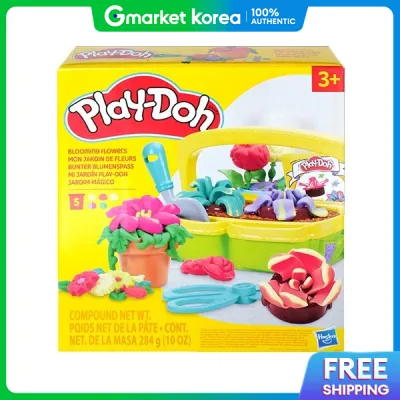
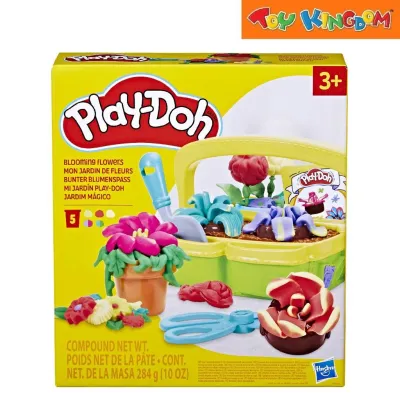
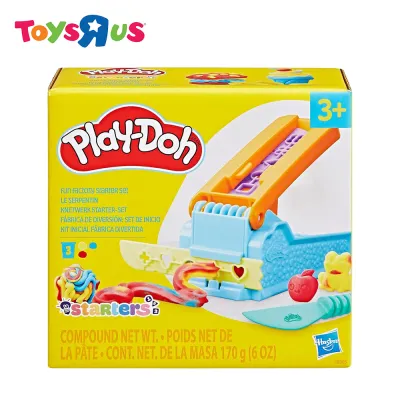
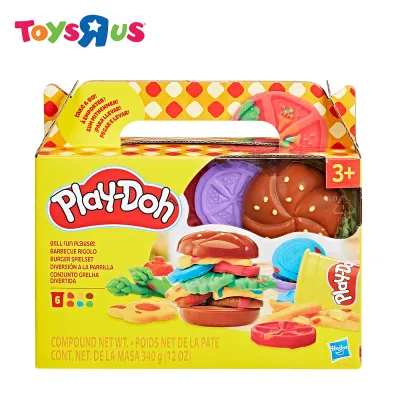
Prices are valid at publication and may change. Please refer to the product page for the latest price.

This structured approach introduces a different kind of creative satisfaction. Instead of asking “what can I make from scratch?” Blooms asks “how beautifully can I craft and arrange these specific pieces?” The tools included in these sets are engineered to produce thin, highly defined edges that mimic real petals. This requires a gentle touch and a methodical approach, making the play experience feel closer to a genuine arts-and-crafts project than typical clay modeling.
Because the creations are meant for display, the sets often feature a sophisticated color palette. Rather than just the primary colors found in standard packs, Blooms sets frequently include pastel shades, dual-colored dough pots, or compounds with subtle glitter to enhance the floral aesthetic. However, because Play-Doh is a water-based, non-toxic compound, these creations are not permanent. In the tropical climate of the Philippines, high humidity can keep the compound pliable during play, but if left on display outside of an airtight container, the flowers will eventually dry out, shrink, and crack. Understanding this material limitation is key to managing your child’s expectations.
How Play-Doh Blooms Compares to Classic and Themed Sets
To determine if the Blooms line is the right investment, it is helpful to contrast its design philosophy and play mechanics with the other major categories in the Play-Doh ecosystem.
Play-Doh Blooms vs. Classic Play-Doh Tubs and Basic Sets
Classic Play-Doh tubs—the iconic yellow cans sold individually or in multi-packs—are the foundation of the brand. These sets are entirely open-ended. They rarely come with complex machinery, focusing instead on basic tools like rolling pins, simple cookie-cutter shapes, and plastic knives.
The primary difference lies in the creative freedom and cognitive processing involved:
- Open-Ended vs. Goal-Oriented: Classic tubs encourage freeform imagination. A child can turn a blue lump of clay into an alien, a car, or a pancake within seconds. Blooms guides the child toward a specific, predefined outcome: a flower.
- Sensory vs. Precision: Classic play is highly sensory and physical. It is ideal for younger children who need to build hand strength by squeezing, pounding, and tearing the dough. Blooms requires a refined, delicate touch. Squeezing a petal mold too hard or pulling the compound out too quickly will ruin the shape, requiring the child to start over.
- Cost and Volume: Classic sets are highly economical, with multi-packs typically ranging from ₱300 to ₱700 in local retail stores. They provide a large volume of compound for unstructured play. Blooms sets are priced higher due to the specialized plastic molds, stems, and display accessories, making them a more targeted purchase.
Play-Doh Blooms vs. Themed Playsets
Themed playsets, such as the Kitchen Creations series, the Drill ‘n Fill Dentist, or the Wheels construction sets, are built around high-energy, narrative-driven scenarios. These sets are packed with mechanical gadgets, levers, and gears that extrude “spaghetti,” drill “cavities,” or crush plastic rocks.
When compared to Blooms, the differences in play style and household impact are stark:
- Action-Oriented vs. Mindful Crafting: Themed sets encourage dramatic role-play. Children pretend to be chefs, dentists, or construction workers, using the clay as a prop in a larger story. The play is fast-paced, noisy, and often chaotic. Blooms is a quiet, mindful activity. It mimics the calm of real-world flower arranging, promoting focus, patience, and concentration.
- The Mess Factor: Themed sets are notoriously messy. Levers and extruders force clay through tiny holes, often mixing colors permanently and leaving small crumbs scattered across the play area. Blooms uses simple stamps and molds that leave fewer hard-to-reach residues in the plastic tools, making the cleanup process more straightforward, though the small plastic parts require careful organization.
- Physical Footprint: Themed playsets often feature large, non-detachable plastic bases that require significant storage space. Blooms sets utilize smaller, modular components like individual vases and stems that can be disassembled and stored compactly in a small bin.
3 Key Factors to Consider Before You Buy
Before making your decision, evaluate these three practical dimensions to ensure the toy matches your household’s daily routine and your child’s developmental needs.
Age Appropriateness and Fine Motor Skills
While standard modeling compound is safe for children aged 2 and up under supervision, the tools included in the Blooms line require a higher level of physical maturity.
Younger toddlers (ages 2 to 4) typically use a palmar grasp—using their whole hand to squeeze and smash objects. They lack the finger isolation and pincer grasp required to peel delicate clay petals from a mold and press them onto a thin plastic stem. Forcing a toddler to play with a Blooms set can lead to frustration, as the petals may tear, warp, or fail to stick together.
Children aged 5 and older have usually developed the fine motor control necessary to appreciate the Blooms line. They can coordinate both hands to align dual-sided molds, apply even pressure, and handle small decorative pieces without crushing them. If your child is transitioning from preschool to primary school, Blooms offers an excellent way to refine these hand-eye coordination skills in a creative context.
Play Style: Calm Crafting vs. Active Role-Play
Every child interacts with toys differently. Identifying your child’s play personality will save you from purchasing a toy that sits unused on the shelf.
- The Calm Crafter: This child enjoys coloring books, paint-by-number sets, building intricate block structures, or organizing their toys by color. They value the finished product and love showing off what they have made. This child will find the Blooms line deeply satisfying, as it rewards patience with a beautiful, tangible result.
- The Active Storyteller: This child is constantly moving, talking, and creating elaborate dramatic scenarios. They like to smash their creations, mix colors to see what happens, and use tools to create chaotic textures. For this child, the slow, precise steps of building a flower will feel restrictive. They will likely abandon the floral molds and simply use the compound for unstructured play, making a classic or themed set a much better investment.
Cleanup, Storage, and Reusability in Tropical Climates
The climate in the Philippines introduces unique challenges for modeling compounds. Play-Doh is highly sensitive to ambient humidity and temperature:
- Drying and Cracking: Because Blooms encourages children to display their finished bouquets, there is a strong temptation to leave the creations out on a desk or shelf. In a typical Philippine household, dry air from air conditioning or natural tropical heat will dry out exposed Play-Doh within 24 to 48 hours. Once dry, the flowers will shrink, crack, and crumble, rendering the compound unusable for future play.
- Mold and Moisture: Conversely, if the compound is stored in a highly humid, non-air-conditioned room while slightly damp, it can occasionally attract moisture. Ensuring the compound is returned to its airtight container immediately after play is vital to preserving its texture.
- Component Management: Blooms sets contain numerous small plastic parts, including stems, leaves, and stamens. Unlike classic tubs where everything fits back into the can, you will need a dedicated storage box or drawer to keep these small pieces from getting lost under furniture or swept away during daily cleaning.
Side-by-Side Comparison of Play-Doh Lines
This table provides a direct comparison of the three primary Play-Doh options to help you quickly identify the best fit for your child’s profile.
| Feature | Play-Doh Blooms | Classic/Basic Sets | Themed Playsets |
|---|---|---|---|
| Primary Play Style | Aesthetic crafting, detailed assembly, and display | Open-ended sensory play and freeform sculpting | High-energy role-play and mechanical interaction |
| Target Age Range | Best for ages 5+ (requires precision) | Ages 2+ (highly accessible for toddlers) | Ages 3+ to 6+ (depending on mechanical complexity) |
| Motor Skill Focus | Fine motor precision, pincer grasp, hand-eye coordination | Gross motor strength, squeezing, rolling, and cutting | Bilateral coordination (using levers, turning gears) |
| Typical Price Band | Medium (₱800 – ₱1,500) | Low to Medium (₱300 – ₱800) | Medium to High (₱1,000 – ₱2,500+) |
| Setup & Cleanup | Moderate; small parts must be organized and stored | Very easy; simple tools and quick compound storage | High; complex plastic parts require detailed cleaning |
| Best For | Children who love arts, crafts, and visual design | Early childhood sensory development and raw imagination | Kids who enjoy dramatic storytelling and action toys |
Final Verdict: How to Make the Right Choice
To finalize your purchase, use these direct decision rules based on your child’s age, skills, and play preferences.
Choose Play-Doh Blooms if:
- Your child is 5 years or older and has demonstrated good fine motor control and patience with detailed tasks.
- They genuinely enjoy arts and crafts, drawing, or building projects where the goal is to create something beautiful.
- They express a desire to display their creations and take pride in organizing or styling their play area.
Choose Classic or Themed Sets if:
- Your child is under 4 years old and still developing basic hand strength and sensory coordination.
- They prefer active, fast-paced play, making up stories, and using mechanical gadgets rather than sitting quietly to assemble delicate parts.
- You want a low-maintenance toy with quick cleanup and minimal small plastic pieces to track and organize.
Verify first if:
- Before purchasing, check the official age grading printed on the packaging to ensure it matches your child's development.
- Inspect the seals of the compound tubs upon purchase to ensure they have not dried out during transit or storage.
- Confirm current stock and local pricing at major department stores or authorized online toy retailers in the Philippines to find the best available deals.
Frequently Asked Questions (FAQ)
Can I use regular Play-Doh compound with the Blooms set?
Yes, standard Play-Doh compound is fully compatible with all the molds, stampers, and extruders in the Blooms line. However, keep in mind that the level of detail you achieve depends on the freshness of the compound. If your regular Play-Doh is slightly dry or has been mixed with other colors, it may crack when pressed into the delicate petal molds. For the best results, use fresh, highly pliable compound, and perform a quick test stamp to ensure the clay releases cleanly from the mold without tearing.
Is Play-Doh Blooms safe for toddlers under 3 years old?
No, Play-Doh Blooms sets are generally not recommended for children under 3 years old. The sets contain small plastic components, such as flower stems, stamens, leaf connectors, and small decorative molds, which present a clear choking hazard. Additionally, toddlers under 3 lack the fine motor skills required to use the detailed tools effectively, which can lead to frustration. Always refer to the specific age warning label printed on the product box before allowing a young child to play with the set.

Community discussion
Share your experience or ask a question. Comments are reviewed before publication.