
The Short Answer: Which One Should You Choose?
Choosing between Play-Doh and generic modeling clay depends on your child’s age, your creative goals, and your personal tolerance for cleanup. There is no single superior option, as these two popular play materials are formulated for entirely different styles of play.
Play-Doh, a soft, wheat-based modeling dough, is designed primarily for toddlers and preschoolers. Its pillowy texture is easy for small hands to squeeze, and its water-soluble formula makes cleaning up simple. It is ideal for temporary, sensory play sessions where the compound is packed back into its tub afterward.
In contrast, generic modeling clays—which are usually oil-based or air-dry formulas—are better suited for older children. These materials require more hand strength to manipulate but excel at holding fine details and structural shapes. Choose modeling clay if your child wants to build permanent models, practice detailed sculpting, or reuse the material indefinitely without it drying out.
Products mentioned in this guide
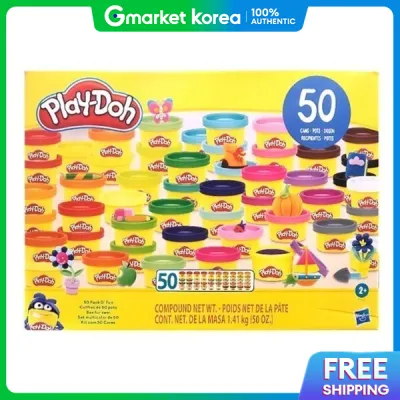
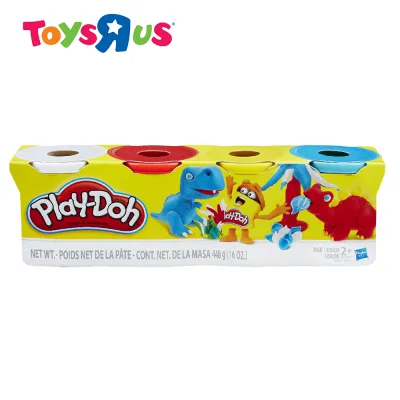
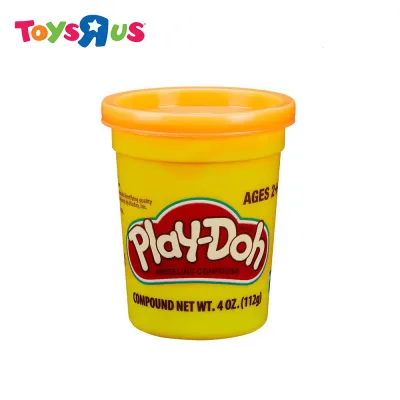
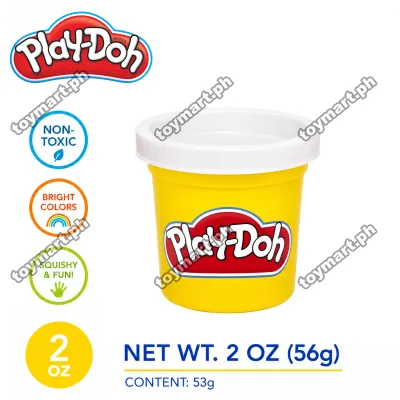
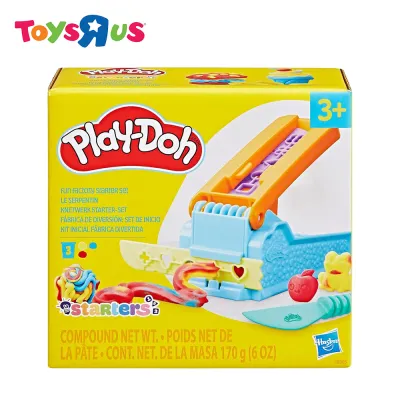
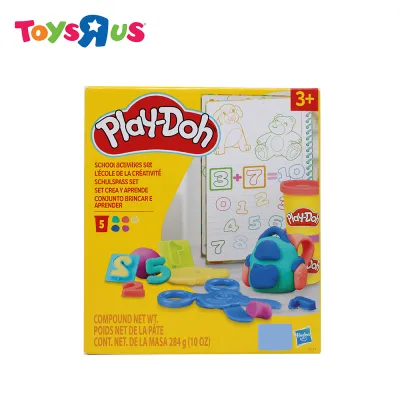
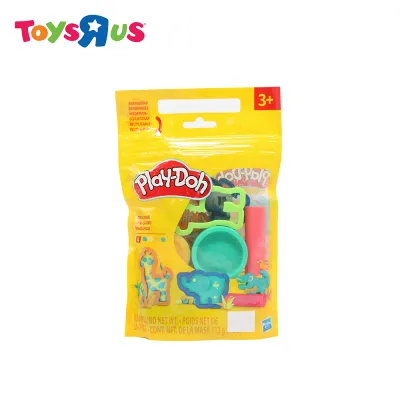
Prices are valid at publication and may change. Please refer to the product page for the latest price.
The Core Difference: Modeling Dough vs. Modeling Clay
Parents and retailers often use the terms “dough” and “clay” interchangeably, which can lead to frustrating purchases. Understanding the chemical and physical differences between these compounds is essential for setting the right expectations for play, cleanup, and storage.

Play-Doh is a modeling dough. Its formula relies on a simple mixture of wheat flour, water, salt, binders, and preservatives. Because its liquid base is water, it is highly pliable straight from the container. However, this water content also means that when Play-Doh is exposed to open air, the moisture evaporates. This evaporation causes the starch network to collapse and crystallize, leaving behind a hard, brittle, and crumbly crust. It is designed strictly for temporary, repetitive play.
Generic modeling clay generally falls into two categories: oil-based clay and air-dry clay. Each behaves differently because of its base ingredients:
- Oil-Based Clay (Plastilina): This material uses wax and mineral oils instead of water. Because oil does not evaporate, this clay never dries out or hardens, regardless of how long it is left uncovered. It remains pliable indefinitely, making it a staple for classrooms and stop-motion animation.
- Air-Dry Clay: This is a water-based compound that contains natural clays, paper fibers, or specialized synthetic binders. When left in the open air, the water evaporates, and the fibers bind together to cure the sculpture into a lightweight, durable solid. Once dry, it cannot be returned to its soft state.
This material distinction dictates every aspect of the user experience. Before buying, always read the product description or packaging carefully to verify whether the product is a water-soluble starch dough, a non-drying oil clay, or a permanent air-dry compound.
Head-to-Head Comparison: What Matters Most to Parents
To help you decide which material fits your household best, we compared modeling dough and generic clays across four practical categories that directly impact daily creative play.
Texture, Molding, and Skill Level
Play-Doh is famous for its soft, pillowy texture. It has a very low yield stress, meaning it requires minimal physical pressure to shape, roll, or squeeze. This makes it an excellent tool for toddlers and young children who are still developing their fine motor skills and hand strength. It works perfectly with plastic extruders, rolling pins, and cookie-cutter molds, allowing young kids to achieve satisfying results without frustration.
However, this extreme softness limits its structural capability. Play-Doh cannot support its own weight in tall, vertical structures, and it struggles to hold sharp, intricate details. If a child attempts to sculpt a detailed figurine, the limbs will likely sag, and fine facial features will merge back into a smooth lump.
Generic modeling clays are much firmer. Oil-based clays and polymer-type clays require “conditioning” before play. This process involves kneading and warming the clay with your hands to soften the waxes and oils. Younger children often lack the hand strength required for conditioning and may lose interest before the clay becomes pliable.
Once conditioned, however, modeling clay holds its shape beautifully. It allows older children and young artists to carve fine details, build self-supporting structures, and create sharp edges. If your child is transitioning from simple sensory play to structured sculpting, the physical resistance of clay is a necessary upgrade.
The Mess Factor: Cleanup and Staining
Cleaning up after a creative session is a major consideration for parents. Because Play-Doh is water-soluble, it is relatively easy to manage. If crumbs fall onto hardwood floors, plastic tables, or low-pile rugs, the easiest approach is to let them dry slightly. Once dry, they turn into hard, non-sticky beads that can be swept up or vacuumed away. If wet Play-Doh gets ground into clothing, it can usually be washed out in a standard laundry cycle with warm water and soap.
Generic oil-based clays present a different cleanup challenge. The mineral oils and waxes that keep the clay pliable do not dissolve in water. If these clays are ground into carpets, clothing, or porous wooden tables, they can leave greasy, dark stains. Removing these residue marks often requires dish soap, rubbing alcohol, or specialized upholstery cleaners to break down the oils.
Air-dry clay falls somewhere in the middle. While it does not leave greasy stains, it can leave a fine, chalky powder on hands, clothing, and play surfaces as it dries. This powder easily wipes away with a damp cloth, but it can be dusty if left to dry completely on fabrics.
To minimize cleanup stress, establish a dedicated play zone. Use a silicone baking mat, a plastic tray, or an old vinyl tablecloth to protect your furniture. Always check the product label for specific washability claims or warnings before letting your child play with a new brand of clay.
Drying Time and Project Preservation
If your child loves the process of building and rebuilding, Play-Doh and oil-based clays are excellent choices. Play-Doh must be packed back into its airtight container immediately after play to prevent it from drying out. If a creation is left out by accident, it will ruin within a day. While some parents try to bake Play-Doh to preserve a special project, this is not recommended; the high water and salt content causes the dough to bubble, warp, and crack in the oven.
Oil-based generic clay is the ultimate reusable material. Because it never dries, your child can work on a sculpture over several weeks, modifying and refining it without any rush. The downside is that these creations can never be hardened into permanent keepsakes. If a sibling or pet bumps into the sculpture, it will deform easily.
For permanent projects, generic air-dry clay is the ideal alternative. It cures naturally at room temperature, usually requiring 24 to 48 hours to dry completely. Once cured, the projects can be painted with acrylics and sealed for display.
In tropical climates with high humidity, such as the Philippines, air-dry clay requires extra attention. High moisture levels in the air slow down the evaporation process, which can extend the drying time to several days. If the clay remains wet for too long in a warm environment, it can grow mold or warp. To prevent this, cure air-dry clay projects in a well-ventilated room, preferably near a desk fan or dehumidifier, and keep them away from damp areas.
Safety, Ingredients, and Allergy Risks
Safety is the most critical factor when choosing play materials for children. The classic Play-Doh formula contains wheat flour, water, salt, mineral oil, and preservatives. Because it is wheat-based, standard Play-Doh poses a direct health risk to children with celiac disease, wheat allergies, or severe gluten sensitivities. For these children, touching the dough and then touching their mouths can trigger an allergic reaction. If gluten is a concern in your home, you must look for gluten-free generic modeling doughs.
Generic modeling clays are typically gluten-free, but their chemical formulations vary. Oil-based clays may contain petroleum-derived oils, synthetic waxes, and chemical colorants. While these ingredients are generally safe for skin contact, they are not meant to be ingested.
When shopping for any modeling material, look for recognized safety standard marks on the packaging. The most common indicators of toxicological safety are:
- ASTM D-4236: This standard indicates that the art material has been evaluated by a toxicologist and labeled properly for any chronic hazards.
- EN71: This is the European safety standard for toys, which restricts the use of heavy metals and certain chemical compounds.
Even when a product is labeled “non-toxic,” this only means it does not pose an acute poisoning hazard if a small amount is swallowed. It does not make the product food-safe. Always supervise young children to ensure they do not put modeling materials in their mouths, and make handwashing with soap and water a mandatory step after every play session.
Price and Value: Is the Brand Premium Justified?
When browsing local toy stores or online marketplaces in the Philippines, you will notice a clear price difference between branded Play-Doh and generic modeling clays. Play-Doh often carries a brand premium. This cost is especially noticeable in themed playsets, where a significant portion of the purchase price goes toward proprietary plastic molds, extruders, and character branding.
Generic modeling clays are typically sold in bulk blocks, simple plastic tubs, or multi-color strip packs without extra toys. This minimal packaging allows manufacturers to offer the raw material at a much lower initial price point, making it highly attractive for school classrooms, large art projects, or budget-conscious households.
To evaluate the true value of these products, look beyond the total package price and calculate the cost per 100 grams of the actual modeling compound. You will often find that buying individual Play-Doh cans in bulk packages offers a competitive price per gram compared to high-quality generic clays, while providing a reliable, non-greasy texture.
There are also hidden costs associated with both choices:
- The Replacement Cost of Dough: Because Play-Doh dries out when left uncovered, the cost of constantly replacing ruined tubs can add up quickly if your child frequently forgets to put the lids back on.
- The Cleaning Cost of Clay: Cheap, low-quality generic oil-based clays can stain carpets, clothing, and furniture. A single incident that requires professional carpet cleaning or ruins an expensive piece of clothing can easily wipe out any initial savings from buying a cheaper brand.
If your child already owns plenty of plastic tools and molds, buying bulk packs of individual dough cans or high-quality generic clay blocks is far more cost-effective than purchasing new themed playsets.
Final Verdict: How to Decide Based on Your Child's Needs
To make the right purchase, match the material properties to your child’s developmental stage and your household’s play style. Use this simple decision framework to guide your choice.
Choose Play-Doh if:
- Your child is a toddler or preschooler (ages 2 to 5) who needs a very soft, easy-to-squeeze material to build hand strength.
- You want a compound that works seamlessly with plastic extruders, rollers, and molds.
- You prioritize quick, water-based cleanup and want a material that washes out of fabrics easily.
- There are no wheat allergies or gluten sensitivities in your household.
Choose Generic Oil-Based Clay if:
- Your child is older (ages 6 and up) and wants to practice detailed sculpting, model making, or stop-motion animation.
- You want a reusable material that never dries out, allowing projects to be paused and resumed over several days.
- You have a dedicated, non-porous play surface (like a silicone mat or plastic tray) to contain any greasy residue.
Choose Generic Air-Dry Clay if:
- The primary goal is to create permanent, paintable crafts, school dioramas, or holiday ornaments.
- You have a dry, well-ventilated space where the finished creations can cure slowly without warping or growing mold.
Verify first if:
- You are buying from an unverified online seller. Always inspect product photos and descriptions for safety certifications like ASTM D-4236 or EN71, and check for clear ingredient lists to ensure the material is safe for your child's skin.
Frequently Asked Questions (FAQ)
Can I make safe modeling dough at home?
Yes, homemade modeling dough is an excellent, low-cost alternative to commercial brands. A standard recipe typically combines all-purpose flour, salt, water, vegetable oil, and cream of tartar. Heating this mixture gently on a stovetop until it forms a cohesive ball creates a remarkably soft, pliable dough that is completely non-toxic.
The inclusion of cream of tartar is essential, as it acts as a preservative and improves the elasticity of the gluten network. However, homemade dough lacks the industrial-grade preservatives found in commercial products. In warm, humid environments like the Philippines, homemade dough has a much shorter shelf life and can develop mold within a few weeks. Always store homemade dough in a sealed container in a cool place, and inspect it for discoloration or off odors before play.
How do I revive dried-out Play-Doh?
If your Play-Doh has only recently been left uncovered and is slightly stiff or crusty on the outside, you can often restore its texture. Try adding a few drops of clean water directly to the dough and kneading it thoroughly to work the moisture back into the starch matrix. Alternatively, wrap the stiff dough in a damp paper towel, place it back inside its plastic tub, seal the lid tightly, and let it sit undisturbed overnight.
If the Play-Doh has completely hardened into a solid, bone-dry, crumbly block, the chemical binders have broken down permanently. At this stage, the material cannot be safely revived. Attempting to force water back into completely dried dough will only result in a slimy, sticky mess that can stain hands and surfaces. Hardened dough should be discarded to prevent a choking hazard from small, sharp pieces.

Community discussion
Share your experience or ask a question. Comments are reviewed before publication.