
Quick Answer: Matching Clay to Your Child's Age and Skills
Choosing the right modeling material is about matching the physical properties of the medium to your child’s physical strength, developmental stage, and creative goals. The ideal choice depends on whether they are exploring basic shapes for sensory development or crafting permanent art pieces.
For toddlers and preschoolers, traditional Play-Doh and similar flour-based compounds are the standard. Their soft, highly pliable texture is designed specifically for small hands that lack the strength to manipulate denser materials. As children grow into school age, their focus shifts from pure sensory play to creating permanent structures, making air-dry clay the natural next step. For older children, tweens, and teenagers, advanced materials like oil-based clay and polymer clay offer the precision needed for detailed sculpting, stop-motion animation, and durable crafts like jewelry.
To help you make an immediate decision, use this quick developmental framework:
Products mentioned in this guide
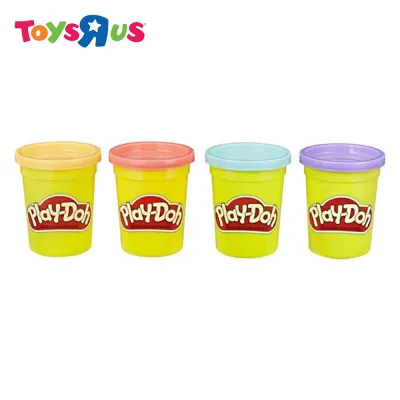
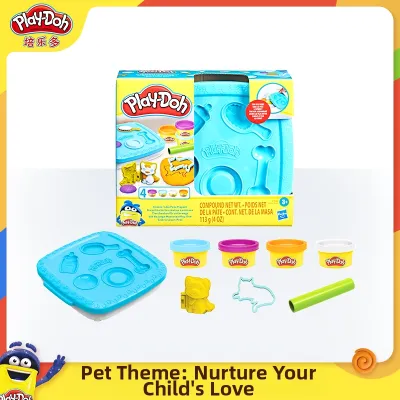
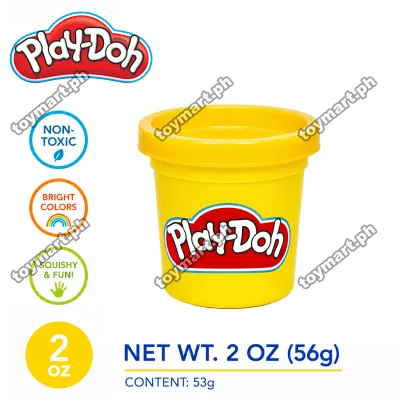
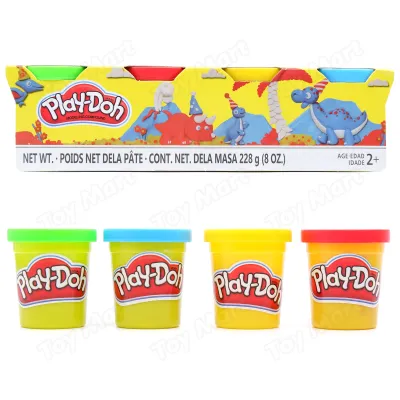
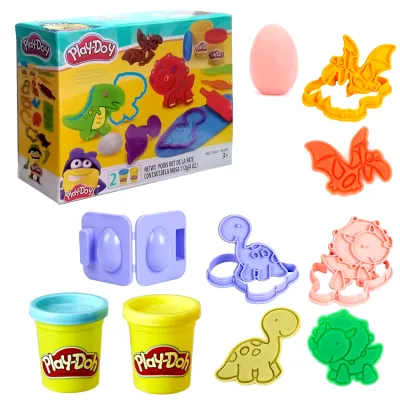
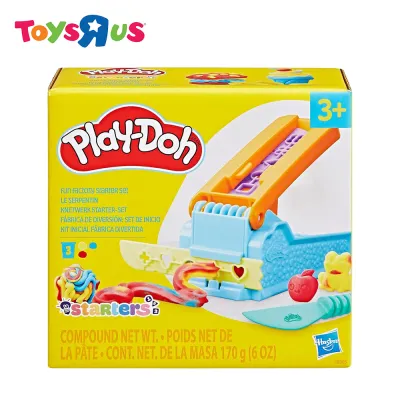
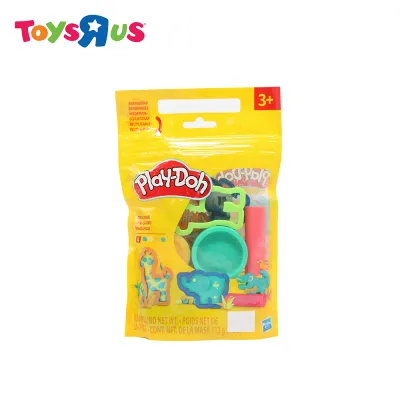
Prices are valid at publication and may change. Please refer to the product page for the latest price.
- Choose Play-Doh if your child is under 5, needs sensory play, and you want easy, water-based cleanup.
- Choose Air-Dry Clay if your child is 6+ and wants to build structural projects, paint them, and display the finished pieces.
- Choose Polymer Clay if your teen is 12+, has access to an oven, and wants to create durable, highly detailed miniatures or jewelry.
- Choose Oil-Based Clay if your child is 10+ and wants to practice sculpting techniques or stop-motion animation without the material drying out.
Understanding the Main Types of Modeling Clays
To make an informed choice, it is essential to understand that “clay” is a broad term covering vastly different chemical compositions. Each type of modeling material behaves differently under pressure, reacts uniquely to air and heat, and serves distinct creative purposes.

Play-Doh and Flour-Based Compounds
Play-Doh and its generic counterparts are classified as reusable modeling compounds rather than true geological clays. Developed primarily from a mixture of water, flour, salt, binders, and pigments, these compounds are engineered for safety and ease of use. The high water content gives the material its signature soft, pillowy texture, allowing toddlers to squeeze, roll, and stamp it with minimal physical effort.
Because these compounds rely on water to maintain their elasticity, they will dry out, shrink, and crack if left exposed to the open air. However, when stored properly in airtight containers, they remain reusable for months. A crucial consideration for parents is that because the primary ingredient is flour, standard Play-Doh contains gluten. Children with celiac disease or severe wheat allergies can experience adverse reactions through accidental ingestion or prolonged skin contact, making gluten-free alternative compounds necessary for these households.
Air-Dry Clays
Air-dry clays are water-based materials that contain natural clay minerals, cellulose fibers, or synthetic binders. Unlike traditional ceramic clays, they do not require firing in a high-temperature kiln to become hard. Instead, they cure naturally at room temperature over a period of 24 to 72 hours as the water content completely evaporates.
In the tropical climate of the Philippines, the high ambient humidity can significantly prolong this drying process, requiring extra patience before the pieces can be handled safely. Once fully cured, air-dry clay becomes lightweight, relatively hard, and highly receptive to paints, especially acrylics. However, because the material shrinks slightly as the water evaporates, it is prone to minor warping or cracking if molded over rigid, non-yielding armatures. The finished pieces are also somewhat brittle and can break if dropped on hard tiled floors.
Polymer Clays
Polymer clay is a synthetic modeling material formulated from polyvinyl chloride (PVC) pigment, plasticizers, and fillers. It contains absolutely no water, which means it will never dry out, shrink, or warp when left on a table at room temperature. The material remains workable indefinitely until it is exposed to high heat, which fuses the PVC particles into a durable, waterproof plastic.
Curing polymer clay requires baking it in a standard home oven or a dedicated toaster oven, typically at temperatures between 110°C and 130°C, depending on the manufacturer’s instructions. Because the baking process releases mild plasticizer fumes, it must always be done in a well-ventilated space, and children must be closely supervised. Once baked, polymer clay is incredibly durable, slightly flexible, and capable of holding microscopic details, making it the premier choice for crafting miniature figurines, beads, and custom jewelry.
Oil-Based Clays (Plasticine/Modeling Clay)
Often sold under the generic name “modeling clay” or “plasticine,” oil-based clays are made from a mixture of wax, oils, and clay minerals. Because oil and wax do not evaporate, this material never dries out or hardens, regardless of how long it is exposed to the air. It is completely immune to the drying effects of tropical heat and humidity, making it an incredibly stable material for long-term projects.
Oil-based clay is highly reusable and is favored by art students, stop-motion animators, and industrial designers who need to constantly modify their creations. The clay can feel quite stiff when first taken out of its packaging, but it quickly softens as it absorbs warmth from the sculptor’s hands. While it is excellent for practicing form, anatomy, and building temporary models, it cannot be painted easily or cured into a permanent keepsake.
What Parents Should Compare: Safety, Cleanup, and Reusability
When choosing a modeling material for home or school use, practical parenting considerations often outweigh artistic features. Understanding how these materials behave in terms of safety, cleanliness, and longevity will help you select a product that fits your household’s routine.
Safety and Allergy Considerations
The foremost priority for any children’s art supply is safety. Parents should always look for the AP (Approved Product) non-toxic seal from the Art and Creative Materials Institute (ACMI) or equivalent safety certifications on the packaging. While non-toxic labels guarantee that the material will not cause acute poisoning if accidentally ingested in small quantities, they do not mean the product is food.
For households managing allergies, flour-based compounds pose a clear risk due to their wheat content. Synthetic options like polymer clay and oil-based clays are completely gluten-free, but they introduce other safety boundaries. Polymer clay, for instance, must never be overheated or burned during the baking process, as burning PVC releases toxic fumes. Additionally, because oil-based and polymer clays are synthetic, they should not be used by children who still habitually put toys or craft materials in their mouths.
Reusability and Project Lifespan
The intended outcome of the play session should dictate the type of clay you buy. If the goal is daily sensory play where the creation is smashed down and packed away at the end of the hour, reusable materials are the most economical choice. Play-Doh can be used dozens of times if sealed tightly after each session, while oil-based clay can literally last for years without losing its workability.
If your child wants to create a permanent keepsake—such as a handprint ornament, a painted animal figurine, or a customized pencil topper—you must choose a curing clay. Air-dry clay is the most straightforward option for young children who want to paint their work the next day. Polymer clay is better suited for older children who want to make functional items like keychains or jewelry that must withstand daily wear and tear without crumbling.
Cleanup and Staining Potential
The ease of cleaning up after an art session can make the difference between a relaxing activity and a stressful chore. Water-based materials like Play-Doh and air-dry clay are highly soluble. If Play-Doh gets ground into a living room rug or fabric sofa, the best approach is to let it dry completely, after which it can be easily brushed out or vacuumed away. Air-dry clay can leave a fine, chalky residue on hands and tables, but this wipes clean instantly with a damp sponge.
In contrast, oil-based clays do not dissolve in water. They leave a greasy film on hands, plastic tools, and wooden tables, which requires warm water, dish soap, or rubbing alcohol to remove. Polymer clay does not leave a greasy residue but can transfer color pigments and plasticizers to porous wooden surfaces or hands. It is highly recommended to use a dedicated silicone mat, a glass cutting board, or a sheet of wax paper as a work surface when handling polymer or oil-based clays.
Texture and Fine Motor Skill Development
The physical resistance of the clay plays a direct role in developing a child’s fine motor skills. Soft, flour-based compounds offer very little resistance, making them perfect for toddlers who are just learning to coordinate their finger muscles. Squeezing and pulling soft dough helps build the intrinsic hand strength required for holding a pencil or using scissors later in life.
Older children need materials that offer more resistance to develop advanced dexterity. Oil-based and polymer clays require significant kneading to become pliable, which exercises the larger muscles of the hands and wrists. Once warmed up, these firmer clays hold their shape under pressure, allowing children to use specialized sculpting tools like loop tools, plastic knives, and texturing brushes to carve fine details that would simply collapse in a softer compound like Play-Doh.
Choosing by Age: From Toddler Sensory Play to Teen Sculpting
As children grow, their cognitive abilities, patience, and motor skills evolve. Matching the modeling material to your child’s specific age group ensures they remain engaged without becoming frustrated by a medium that is too hard to work with or too soft to hold detail.
Toddlers and Preschoolers (Ages 2–5)
For the youngest artists, modeling play is entirely about sensory exploration. Children in this age bracket are developing their sensory processing systems and learn about the world by squeezing, poking, flattening, and pulling apart materials.
- Recommended Material: Play-Doh or soft, non-toxic, water-based compounds.
- Key Activities: Squeezing the dough, rolling it into simple spheres, pressing plastic stamps, and using basic extruders to push the dough through patterned holes.
- Safety and Supervision: Active, continuous adult supervision is required. Toddlers are prone to putting colorful, sweet-smelling doughs into their mouths. Parents must also ensure that tiny pieces of dough are not pushed into ears or nostrils. Keep play sessions focused on open-ended exploration rather than creating realistic objects.
Early School Age (Ages 6–9)
By the time children enter primary school, they have developed better hand-eye coordination and a longer attention span. They begin to transition from abstract sensory play to representational art, attempting to sculpt recognizable objects like animals, houses, and food items.
- Recommended Material: Air-dry clay alongside continued use of Play-Doh.
- Key Activities: Building basic three-dimensional structures, learning to join two pieces of clay together by scoring the surface, and painting cured clay projects with vibrant acrylic paints.
- Developmental Benefits: This age group can understand the concept of patience as they wait for air-dry projects to cure. They can also begin using simple armatures, such as wrapping clay around a crumpled ball of aluminum foil or using toothpicks to support the neck of a clay animal, which teaches basic structural engineering concepts.
Older Children and Tweens (Ages 10–12)
Tweens are capable of highly detailed work and often express a strong desire for realism in their art. They are also old enough to follow multi-step instructions and take pride in mastering specific artistic techniques.
- Recommended Material: Oil-based clay for practice and animation; high-quality air-dry clay for finished projects.
- Key Activities: Creating detailed character models, practicing facial anatomy, and setting up simple stop-motion animation studios using a smartphone and a tripod.
- Mastering Tools: Introduce professional sculpting tools such as wire loop tools for carving away excess clay, wooden ribs for smoothing surfaces, and fine needles for adding texture like hair or scales. Oil-based clay is perfect here because it allows the child to make endless mistakes and adjustments without the pressure of the material drying out before they are finished.
Teens and Advanced Crafters (Ages 13+)
Teens have the fine motor control, patience, and safety awareness required to handle advanced synthetic materials that require heat processing. They are often interested in creating functional, professional-looking items like custom jewelry, charms, cosplay accessories, or highly detailed gaming miniatures.
- Recommended Material: Polymer clay.
- Key Activities: Color blending, millefiori caning (creating patterns in clay rods that can be sliced), sculpting intricate miniatures, and baking finished pieces to a hard, durable finish.
- Safety and Best Practices: Teens must be taught to read and follow the manufacturer's baking instructions precisely. Emphasize the importance of using a dedicated oven thermometer, baking in a well-ventilated room, and using dedicated baking sheets that are not used for food preparation. If a kitchen oven must be used, it should be thoroughly cleaned afterward to remove any plasticizer residue.
Quick Comparison Table
To help you quickly compare your options at a glance, the table below summarizes the key differences between the four primary types of modeling materials.
| Material Type | Best Age Group | Drying / Curing Method | Reusability | Primary Use Case |
|---|---|---|---|---|
| Play-Doh (Flour-Based) | Ages 2–5 | Air-dries (if left out) | Highly reusable (if stored in airtight tub) | Sensory exploration, basic motor skill development |
| Air-Dry Clay | Ages 6–9 | Air-dries naturally (24–72 hours) | Single-use (cures to a permanent state) | Painted school projects, structural models, ornaments |
| Polymer Clay | Ages 13+ (Teens) | Oven-baked (110°C–130°C) | Single-use (bakes to a hard plastic) | Detailed miniatures, custom jewelry, durable crafts |
| Oil-Based Clay | Ages 10–12 | Never dries or cures | Infinitely reusable | Sculpting practice, stop-motion animation, prototyping |
Frequently Asked Questions (FAQ)
What should I do if my child eats Play-Doh or modeling clay?
First, check the packaging of the specific material to verify that it carries a non-toxic certification, such as the ACMI AP seal. If your child has ingested a small, pea-sized amount of certified non-toxic flour-based dough like Play-Doh, it will generally pass through their digestive system without causing harm, though you should offer them water to rinse their mouth.
However, because Play-Doh contains high levels of salt and wheat gluten, larger ingestions can cause mild stomach upset, and children with wheat allergies or celiac disease may experience an allergic reaction. If your child has swallowed synthetic clays (such as polymer or oil-based clay), or if they display symptoms like vomiting, severe abdominal pain, lethargy, or coughing, contact a pediatrician or your local poison control center immediately.
How can I revive dried-out Play-Doh?
If your flour-based modeling compound has only begun to dry out and lose its elasticity, you can easily restore it using a simple water-kneading method. Add a few drops of clean water to the dough, knead it thoroughly for several minutes to distribute the moisture, and place it back into its airtight container overnight. Alternatively, you can wrap the dry dough in a damp paper towel, seal it inside a zip-top plastic bag, and let it sit for a few hours to absorb the moisture evenly.
Note that if the compound has become completely petrified, crumbly, or shows any black, green, or white spots indicating mold growth, it cannot be safely revived. In tropical climates like the Philippines, warmth and humidity can accelerate mold growth on organic, flour-based materials once they are contaminated with hand oils, so moldy dough should be discarded immediately.
Can I bake air-dry clay in the oven to speed up the drying process?
You should always consult the specific manufacturer’s label and instructions before applying any heat to air-dry clay. As a general rule, standard air-dry clays are formulated to dry slowly and evenly at room temperature, and placing them in an oven is highly discouraged.
When you expose air-dry clay to the direct, rapid heat of an oven, the outer layer of the clay dries and shrinks much faster than the moist interior. This uneven drying rate creates intense internal stress, almost always resulting in severe cracking, warping, or bubbling of the project. Furthermore, some air-dry clays contain synthetic fibers or paper pulps that can scorch or pose a fire hazard if exposed to oven heating elements. For the best results, allow your air-dry clay projects to cure naturally in a well-ventilated room, turning the piece occasionally to ensure even exposure to the air.

Community discussion
Share your experience or ask a question. Comments are reviewed before publication.