
Selecting the right modeling material is the first step toward a successful crafting project. The ideal choice depends on your project’s final use, durability needs, the age of the crafter, and your curing equipment. For temporary sensory play and young children, play dough is the classic choice. If you want to create permanent sculptures or decorative items without an oven, air-dry clay is highly suitable. For highly detailed, durable, and waterproof crafts like jewelry or miniatures, polymer clay is the preferred option.
In the tropical climate of the Philippines, high humidity and ambient temperatures can significantly affect how these materials behave, dry, and store. Understanding these environmental factors alongside your creative goals ensures your finished piece looks excellent and lasts as long as intended.
Assess Your Project's Core Requirements
Before purchasing any modeling material at your local stationery store, take a moment to define the non-negotiable constraints of your project. The first factor to consider is the intended lifespan of the finished piece. If you are setting up a quick afternoon activity to keep children entertained, a temporary, reusable material is ideal. However, if you are creating a school diorama, a home decor piece, or wearable accessories, you will need a material that cures into a permanent, solid state.
Products mentioned in this guide
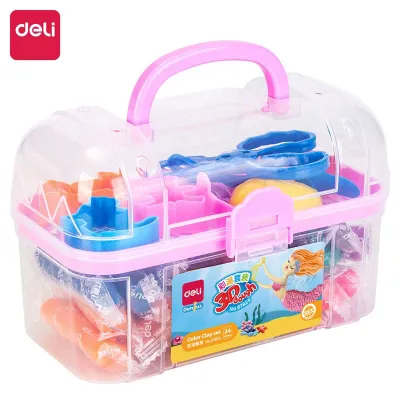
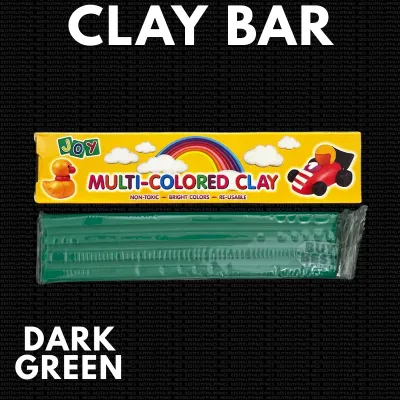
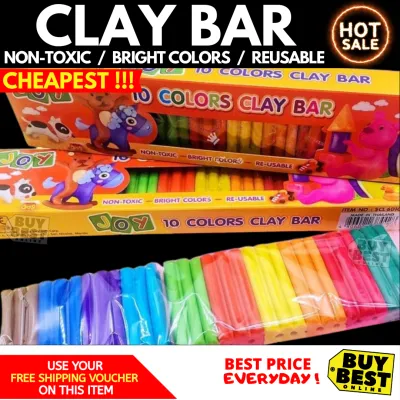
Prices are valid at publication and may change. Please refer to the product page for the latest price.
Environmental exposure is another critical consideration, especially in warm, humid climates. High relative humidity can prevent water-based clays from drying completely or cause them to soften over time if they are not properly sealed. If your project will be handled frequently, exposed to moisture, or placed near an open window where humidity levels fluctuate, you must select a material that cures into a water-resistant plastic or can be fully protected with a compatible varnish.
User demographics and safety should always guide your selection. Crafting with toddlers and young children requires non-toxic, easily washable materials that do not pose a hazard if accidentally tasted. Older children and adults can safely handle more advanced modeling clays, but some of these materials require sharp carving tools, baking ovens, or chemical sealants that demand close adult supervision or dedicated workspaces.
Finally, evaluate your available equipment and workspace. Some modeling materials dry naturally on your desk over a few days, while others require a household oven set to precise temperatures to cure. Before you begin, ensure you have a clean, dust-free area where a sculpture can sit undisturbed, or verify that you have access to a dedicated baking space and baking sheets that will not be reused for food preparation.
Play Dough: Best for Temporary Play and Young Children
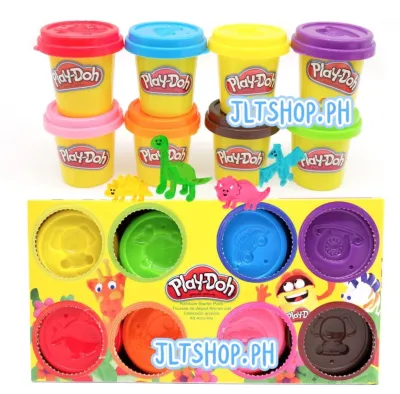
Play dough is the classic choice for early childhood sensory play, fine motor skill development, and temporary prototyping. Its soft, pliable texture makes it incredibly easy for small hands to roll, stamp, squeeze, and shape. It is designed to remain soft and workable for a long time, allowing children to rebuild their creations over and over again during play sessions.

However, this material has significant limitations when it comes to permanent crafting. Play dough is not designed for keepsakes; if left exposed to the air, the water content evaporates, causing the dough to shrink, crack, and eventually crumble into a salty powder. It is also highly water-soluble, meaning any contact with moisture will instantly turn it back into a sticky, unusable paste, making it entirely unsuitable for functional items or long-term display.
Safety and cleanup are where play dough excels. Most commercial play doughs are formulated to be non-toxic and easily washable from hands, clothing, and play surfaces. When selecting a brand, always verify the manufacturer’s safety labels, allergen warnings (such as wheat or gluten content), and age recommendations on the packaging to ensure a safe and worry-free play experience.
Air-Dry Clay: Ideal for Sculptures and Room-Temperature Curing
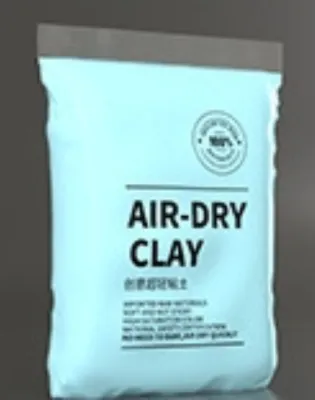
Air-dry clay is an excellent middle-ground material for crafters who want to build permanent sculptures, school projects, or decorative items without the need for a high-temperature kiln or a kitchen oven. It offers a traditional, earthy clay feel and can be molded into relatively large, thick structures like relief tiles, decorative bowls, and detailed figurines.
This material hardens naturally at room temperature as the water inside it evaporates. In the Philippines, the high relative humidity can significantly extend this drying process. While a thin piece might dry in twenty-four hours, thicker sculptures can take several days to cure completely. To prevent cracking, it is best to let the piece dry slowly in a shaded area away from direct sunlight or strong, direct fan drafts. Once fully cured, the surface can be sanded smooth and painted with acrylics or poster paints to add vibrant colors.
Despite its convenience, air-dry clay remains somewhat fragile and highly sensitive to moisture even after it has hardened. Because it is water-based, an unsealed piece can soften or warp if exposed to high humidity or accidental spills. It is also not food-safe, so any decorative plates or bowls made from it should only be used for dry, non-edible items. To protect your finished piece, always apply a compatible water-resistant varnish or sealant once the paint is completely dry.
Polymer Clay: The Choice for Durable, Waterproof, and Detailed Crafts
Polymer clay is a synthetic modeling material composed of polyvinyl chloride (PVC) particles suspended in a liquid plasticizer. This unique composition makes it the premier choice for detailed miniatures, custom jewelry, beads, and small functional items. Unlike water-based clays, polymer clay does not shrink or warp as it cures, allowing you to retain incredibly fine details and sharp edges throughout the crafting process.
Because polymer clay contains no water, it will not dry out or harden at room temperature, giving you unlimited working time to perfect your design. To cure and harden the material, it must be baked in a standard household oven. It is critical to strictly follow the temperature and time guidelines printed on the specific brand’s packaging. Under-baking leaves the clay brittle and prone to breaking, while over-baking can scorch the material and release unpleasant, irritating fumes.
Safety and proper handling are essential when working with polymer clay. Ensure your baking area is well-ventilated, and use dedicated baking sheets, tiles, and modeling tools that are never reused for food preparation. Because polymer clay is a synthetic plastic, it should never come into direct contact with food or drink, meaning it is unsuitable for functional mugs, plates, or eating utensils.
Decision Matrix: Matching Your Project to the Right Clay
To finalize your choice, match your specific project scenario to the strengths of each material. For school dioramas, handprint keepsakes, and medium-sized decorative sculptures, air-dry clay is highly suitable because it cures to a paintable solid without requiring heat. For custom earrings, keychains, and highly detailed figurines, polymer clay is the clear choice due to its durability, vibrant color options, and water resistance. For afternoon sensory play and temporary building, play dough remains the safest and most cost-effective option.
When browsing local stationery or craft stores in the Philippines, you will find that play dough is widely available and highly budget-friendly, making it easy to purchase in bulk for classrooms or playrooms. Air-dry clay is also highly accessible and affordable for larger school projects. Polymer clay is a more specialized crafting material, often sold in smaller blocks at a higher price point, making it an investment better suited for finished, high-value crafts and hobbyist projects.
Before making your final purchase, always read the product label to verify compatibility with your intended finishes. Some polymer clays react poorly with certain aerosol varnishes, causing the surface to become permanently sticky, while some air-dry clays require specific water-based sealants to prevent the paint from bleeding or peeling over time. Checking these details on the packaging ensures your creative efforts result in a beautiful, long-lasting piece.
Frequently Asked Questions (FAQ)
Can I mix different types of clay dough together?
No, you should avoid mixing different types of clay dough together in a single mixture. Play dough, air-dry clay, and polymer clay have fundamentally different chemical bases—water, starch, and synthetic polymers. Blending them will disrupt their curing processes, leading to severe cracking, structural failure, or an inability to harden properly. Always stick to a single type of clay for your project, or check the manufacturer’s guidelines if you are attempting to layer different materials after they have fully cured.
How do I store leftover clay dough to prevent it from drying out?
Proper storage depends entirely on the clay’s base formulation. For water-based materials like play dough and air-dry clay, wrap the leftover portion tightly in plastic wrap, place it in an airtight container, and store it in a cool, dark place away from direct sunlight. In hot, humid climates, some play doughs benefit from refrigeration to prevent mold growth. Polymer clay does not dry out from air exposure, but it should be wrapped in wax paper or plastic wrap and stored in a cool, dust-free container to prevent it from attracting lint or softening in ambient heat.

Community discussion
Share your experience or ask a question. Comments are reviewed before publication.