
Selecting a playdough set for a toddler requires balancing the benefits of sensory play with the realities of early childhood behavior, particularly the tendency of young children to explore objects with their mouths. While modeling dough is an exceptional tool for developing fine motor skills, hand strength, and bilateral coordination, not all products on the market are formulated with the safety of very young children in mind. Parents must look beyond colorful packaging and generic marketing claims to evaluate the physical properties, chemical ingredients, and safety certifications of any modeling compound before introducing it to a toddler.
To ensure a safe play experience, it is essential to understand what makes a playdough set suitable for toddlers, how to identify potential chemical and physical hazards, and how to maintain the material in a tropical climate. By establishing clear verification routines and proper storage habits, you can support your child’s creative development while minimizing health risks.
Understanding Playdough Safety for Toddlers
When evaluating a playdough set, parents must first distinguish between “non-toxic” marketing claims and actual edible status. A label that reads “non-toxic” simply means the product has been evaluated and found not to contain harmful chemicals in quantities toxic to humans under normal use or foreseeable misuse. It does not mean the material is food-grade, digestible, or safe to eat. Commercial playdough is a chemical formulation designed for modeling, not consumption, and even non-toxic varieties can cause digestive discomfort if swallowed in significant quantities.
Products mentioned in this guide
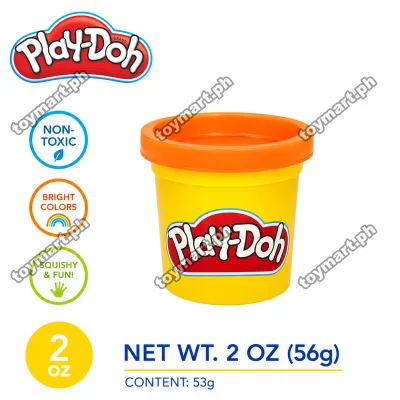
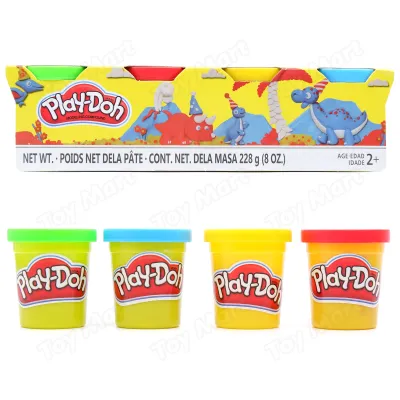
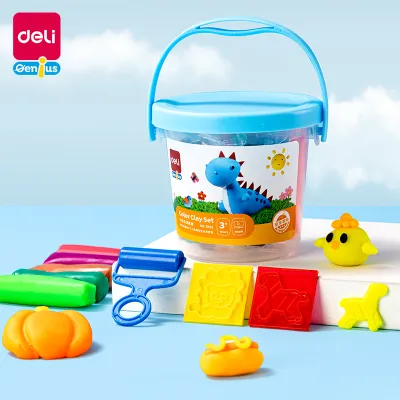
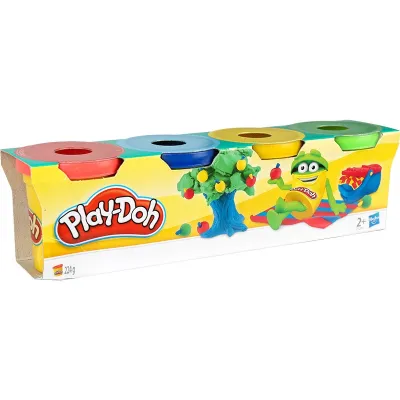
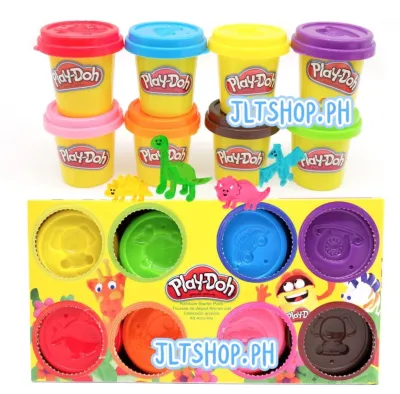
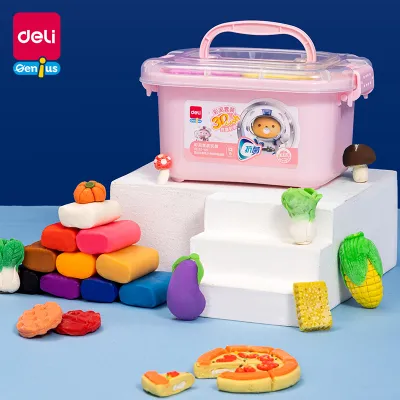
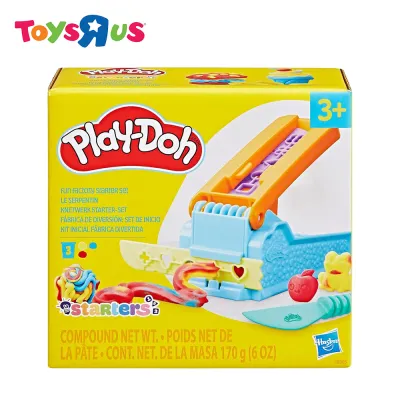
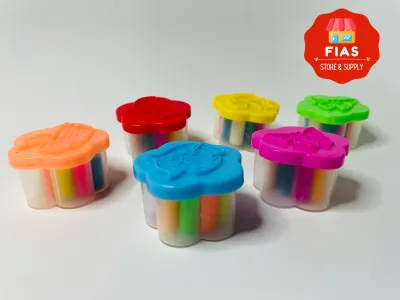
Prices are valid at publication and may change. Please refer to the product page for the latest price.
Physical hazards present another critical safety dimension, particularly for children under three years old. While the dough itself is soft, it can dry out into hard, sharp pellets that pose choking risks if lodged in a child’s airway. Furthermore, many playdough sets include plastic accessories such as cutters, rollers, extruders, and molds. Parents must inspect these toys for small parts, sharp edges, or brittle plastics that could snap under pressure. Any accessory small enough to fit entirely inside a standard toilet paper roll is a choking hazard and must be kept away from toddlers.
Age recommendations on toy packaging serve as your primary safety filter. A playdough set labeled “3+” or “Not suitable for children under 36 months” often carries this warning due to the inclusion of small accessories or the physical properties of the dough when dry. For toddlers under three, parents should look for sets specifically age-graded for younger toddlers, or choose to use only the dough itself under direct, uninterrupted adult supervision, discarding any small or complex plastic tools.
Ingredients to Check on the Label
Because toddlers frequently touch their faces and occasionally taste their toys, reading the ingredient list on a playdough set is a vital protective step. The primary base of most commercial modeling doughs is a mixture of water, a binder (usually wheat flour), and salt. Because wheat is the standard binder, children with celiac disease, non-celiac gluten sensitivity, or wheat allergies can experience adverse reactions simply from skin contact or accidental ingestion. If your child has these sensitivities, look for specialty doughs explicitly labeled as wheat-free or gluten-free, which often use rice, potato, or corn starch as alternative binders.

Beyond the base ingredients, parents should scrutinize vague terms like “fragrance” or “color additives.” Synthetic fragrances are common culprits for contact dermatitis and respiratory sensitivities in young children. If a product has a strong, perfumed, or chemical smell, it may contain volatile organic compounds or synthetic masking agents. Opt for fragrance-free modeling compounds or those scented with food-grade ingredients. Similarly, colorants should be verified as cosmetic-grade or food-grade pigments to ensure they do not leach harmful heavy metals onto your child’s hands during play.
Preservatives are necessary in commercial doughs to prevent the growth of bacteria and mold in the moist, starch-rich medium. However, some formulations use harsh chemical preservatives, such as formaldehyde-releasers, parabens, or methylisothiazolinone (MIT), which are known skin sensitizers. Avoid products that list unrecognizable chemical compounds or solvents. If the packaging does not display a full ingredient list, you can verify ingredient transparency by searching online for the manufacturer’s official Safety Data Sheet (SDS) for that specific product line. The SDS will list chemical compositions, hazard identifications, and toxicological information that retail packaging might omit.
Safety Certifications and Standards to Look For
To verify safety claims objectively, parents should look for recognized toy safety standard marks rather than relying on self-declared marketing buzzwords. Legitimate testing marks indicate that the product has undergone rigorous laboratory evaluation to ensure it does not contain hazardous levels of heavy metals, phthalates, or other toxic substances. In the global market, the most common standards are ASTM D-4236 (Standard Practice for Labeling Art Materials for Chronic Health Hazards) and EN71 (European Toy Safety Standard, specifically Part 3, which regulates the migration of certain elements).
In the Philippines, consumer safety regulations require toys to comply with national safety standards. Look for the Philippine National Standard (PNS) mark or verification of notification with the Food and Drug Administration (FDA). Additionally, the Art and Creative Materials Institute (ACMI) provides the “AP Non-Toxic” seal, which certifies that the art material has been evaluated by a toxicologist and contains no materials in sufficient quantities to be toxic or injurious to humans. These independent third-party testing seals offer a much higher level of assurance than a manufacturer’s self-declared “100% safe” label.
When purchasing a playdough set, inspect the packaging closely for age-grading symbols and choking hazard warnings. Legitimate safety marks are clear, crisp, and accompanied by specific warning text. If the certification logos are missing, blurry, faded, or look like generic, non-standard clip art, the product may be an unverified counterfeit. In such cases, avoid purchasing the item from unverified sellers on online marketplaces. Instead, contact the manufacturer directly or check their official website to confirm their safety certifications and registration details.
Safe Usage, Storage, and Maintenance
Maintaining a hygienic play environment is essential to prevent the playdough set from becoming a breeding ground for bacteria. Establish a strict hand-washing routine for your toddler both before and after play. Washing hands beforehand prevents the transfer of dirt, food residue, and skin bacteria into the dough, while washing hands afterward removes salty residue and colorants from the child’s skin. Additionally, ensure that the play surface—whether a highchair tray, a dedicated play table, or a silicone mat—is thoroughly cleaned and dried before the dough is unpacked.
Proper storage is particularly critical in tropical climates like the Philippines, where high ambient temperatures and elevated humidity levels accelerate mold growth and bacterial proliferation. Always store modeling dough in airtight containers immediately after play. Do not leave the dough exposed to the air for extended periods, as this causes the water content to evaporate, leaving behind a dry, crumbly texture that is difficult to mold and prone to shedding small particles. Keep the containers in a cool, dry place away from direct sunlight, which can cause condensation to form inside the tub, creating an ideal environment for mold.
Parents should perform a quick sensory inspection of the dough before every play session. Look for physical signs of spoilage, such as white, black, or green fuzzy spots (mold), a slimy or unusually sticky texture, or a sour, rancid odor. If the dough exhibits any of these signs, discard it immediately. While slightly dry dough can sometimes be revived by kneading in a few drops of water, dough that has developed a hard, crystallized salt crust on the surface should be thrown away, as the sharp salt crystals can scratch sensitive skin.
Finally, keep the playdough set separate from other household items and pets. Domestic pets, particularly dogs, are highly attracted to the salty scent of playdough, but ingesting even small amounts can lead to severe salt toxicity (hypernatremia) in animals. Ensure older siblings do not mix the toddler’s playdough with older craft materials like loose glitter, solvent-based glues, or small plastic beads, which introduce chemical contaminants and physical choking hazards into the toddler’s play space.
What to Do If Your Toddler Ingests Playdough
If your toddler puts playdough in their mouth, the first step is to remain calm and prevent further ingestion. Gently wipe the inside of the child’s mouth with a clean, damp cloth to remove any remaining paste or crumbs. Do not attempt to induce vomiting, as this can cause distress and increase the risk of aspiration. Offer your child small sips of water to help wash down any swallowed dough and to help dilute the high salt content in their stomach.
Because commercial playdough contains a high concentration of sodium chloride (salt) to preserve the starch base and improve texture, ingestion can lead to mild stomach upset, nausea, or increased thirst. Monitor your child closely over the next few hours. In most cases, if only a tiny taste was swallowed, the child will experience no symptoms beyond a salty taste and a desire for water. However, if you suspect your child has ingested a large amount of dough, or if they show signs of lethargy, vomiting, or extreme irritability, contact a healthcare professional immediately.
Stop use and seek immediate medical attention if your child exhibits any signs of an allergic reaction, such as hives, swelling of the lips or tongue, difficulty breathing, or persistent coughing. If you need to consult a pediatrician or visit an emergency room, always bring the original packaging of the playdough set with you. Having the box or container on hand allows healthcare professionals to quickly identify the exact ingredients, preservatives, and manufacturer details, ensuring they can provide the most accurate and effective care.
Frequently Asked Questions (FAQ)
Is homemade playdough safer than store-bought sets?
Homemade playdough offers complete ingredient transparency, allowing parents to control exactly what goes into the mixture, which is highly beneficial for children with severe food allergies. However, DIY recipes typically rely on very high concentrations of salt and cream of tartar as preservatives. This makes homemade dough significantly more toxic to pets and potentially more irritating to sensitive skin if ingested in large quantities. Additionally, because homemade dough lacks professional-grade preservatives, it has a much shorter shelf life and can harbor mold and bacteria within days if not refrigerated and monitored closely.
Can playdough cause skin irritation in toddlers?
Yes, playdough can cause contact dermatitis or skin irritation in toddlers with sensitive skin. The primary irritant is usually the high salt content, which can draw moisture out of the skin, leading to dryness, redness, and itching, especially during prolonged play sessions. Synthetic fragrances, artificial colorants, and chemical preservatives can also trigger allergic skin reactions. To minimize this risk, limit play sessions to a reasonable duration, wash your child’s hands thoroughly with mild soap and water immediately after play, apply a gentle moisturizer, and choose fragrance-free, hypoallergenic modeling compounds.

Community discussion
Share your experience or ask a question. Comments are reviewed before publication.