
Choosing between a retractable marker and a traditional capped marker depends on how you balance immediate convenience against long-term ink preservation. If your daily tasks require quick, one-handed notes while multitasking, a retractable marker offers unmatched speed. However, if you prioritize maximum ink longevity, lighter writing instruments, and a completely airtight seal for long-term storage, the classic capped marker remains a reliable choice. In tropical climates like the Philippines, where high humidity can sometimes mask or accelerate ink evaporation depending on the formula, understanding how these mechanisms protect the nib is crucial for making the right purchase.
Understanding the Mechanisms: How Retractable and Capped Markers Work
To choose the right tool, it helps to look at how each design protects the ink. Traditional capped markers rely on a physical, separate cap that snaps or screws onto the marker body. This cap creates a small, isolated chamber around the nib, sealing it off from the surrounding air to prevent the solvent in the ink from evaporating. The solid-body construction of a capped marker has no moving parts, which minimizes air entry points and ensures a highly stable, airtight environment when the cap is fully secured.
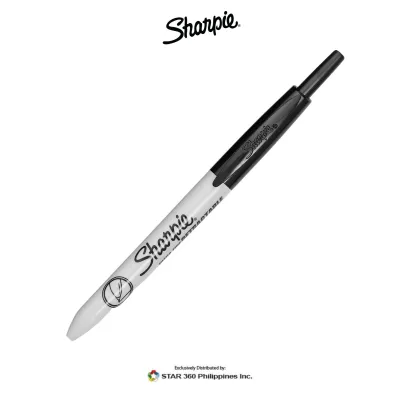
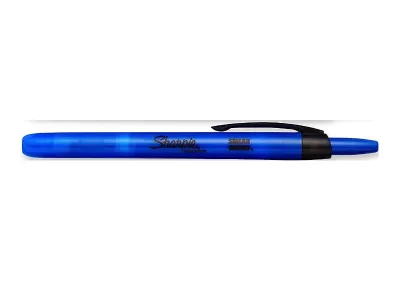
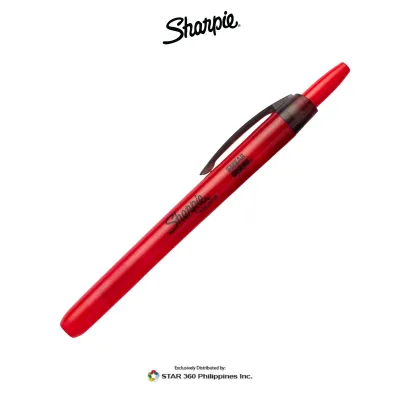
In contrast, a retractable marker uses an internal mechanical system to shield the nib. When you click the plunger at the top, the nib pushes through a small, spring-loaded trapdoor or seal inside the tip of the barrel. When retracted, this internal door snaps shut, housing the nib in a tiny, enclosed chamber within the marker body. Because this design relies on moving parts, springs, and internal seals, it is structurally more complex than a solid-body capped marker, introducing different wear points over time.
Products mentioned in this guide
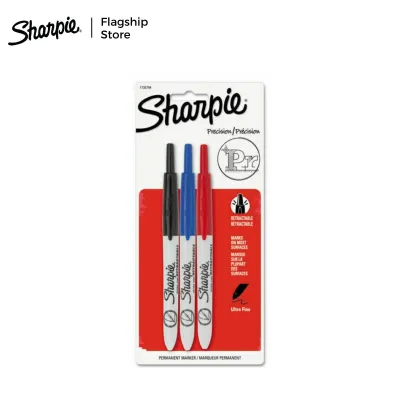
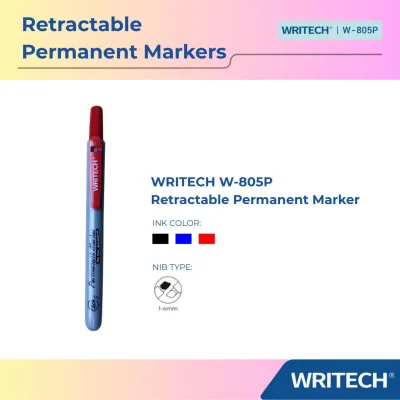
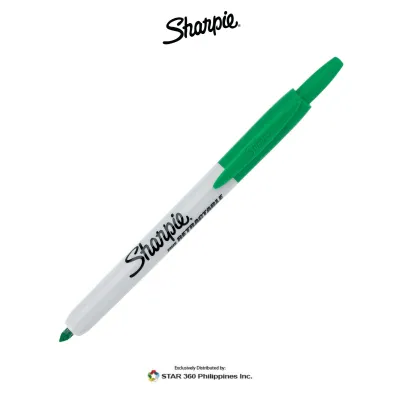
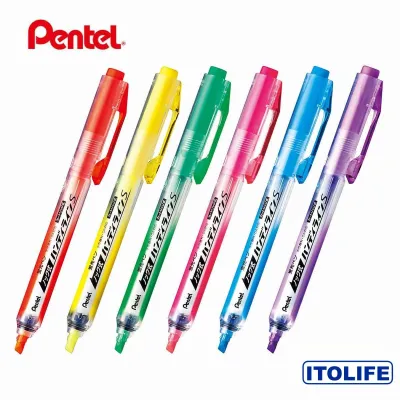
![Muji Retractable Highlighter [AVAILABLE IN 5 COLORS]](https://img.lazcdn.com/g/p/6b639f5400766a74158c3c7a35ea6dbc.jpg_400x400q80.jpg_.webp)
Prices are valid at publication and may change. Please refer to the product page for the latest price.
Key Comparison Dimensions for Daily Use
Evaluating these writing instruments requires looking beyond simple aesthetics. To find the best fit for your workspace, classroom, or field environment, you must consider how each mechanism handles real-world challenges. Let us examine how these designs compare across critical performance dimensions, including ink preservation, portability, and physical comfort.

Tip Drying and Ink Longevity
The primary enemy of any marker is air exposure, which causes the solvent in the ink to evaporate and leaves the nib dry and unusable. Traditional capped markers excel at preventing this because their physical caps provide a tight, mechanical seal directly over the grip section. As long as the cap is clicked firmly into place, the air volume inside the cap is minimal, keeping the nib moist for months or even years of storage.
Retractable markers have made significant engineering strides, but their ability to prevent drying depends heavily on the quality of the internal seal. Some models feature specialized elastomeric seals or spring-loaded shutters that close tightly around the retracted nib. When shopping, it is wise to check the manufacturer’s specifications for specific airtightness ratings or proprietary seal technologies.
In humid environments, such as typical Philippine workspaces, the ambient moisture can sometimes slow down initial drying, but air-conditioned offices can have very dry air that accelerates evaporation. You can observe signs of a failing seal if the marker requires scribbling to start flowing or if the tip feels stiff. If you frequently leave your markers unused for weeks at a time, a capped design generally offers a more forgiving seal over extended periods.
Convenience and Portability
Where the retractable marker truly shines is in its sheer convenience and ease of operation. If you are a teacher moving around a classroom, a warehouse worker labeling boxes, or a student taking rapid notes, you often have only one hand free. A retractable marker allows you to extend and retract the nib with a simple thumb click, eliminating the need to hold a cap in your mouth or set it down on a surface where it might roll away.
However, carrying these markers in a pocket, bag, or pencil case introduces different portability risks. A retractable marker carries the risk of accidental deployment; if a notebook or keys press against the plunger inside your bag, the nib can extend, leaving permanent ink stains on your fabric and drying out the marker. Some retractable models feature lock mechanisms or stiffer click resistance to prevent this, which you should verify before packing them.
Capped markers eliminate the risk of accidental pocket deployment, but they present the classic problem of the lost cap. If you lose the cap, the marker is highly likely to dry out within hours. For active environments where you are constantly on the move, you must weigh the convenience of one-handed clicking against the discipline of keeping track of a separate cap.
Ergonomics and Writing Feel
The physical construction of each marker type directly affects how it feels in your hand during long writing sessions. Because retractable markers must house an internal spring, plunger, and sealing door, they are often slightly thicker and heavier than their capped counterparts. This added weight is usually concentrated toward the top or middle of the barrel, which can alter the overall balance of the pen.
For users with smaller hands or those who prefer a lightweight, nimble writing tool, a traditional capped marker is often more comfortable. Capped markers feature a slim, uniform barrel that allows for a natural grip close to the tip. When you write, you can choose to post the cap on the back of the marker to adjust the balance, or leave it off entirely to keep the instrument as light as possible.
If you are considering a bulk purchase for office or school use, it is highly recommended to test a single unit first. Pay close attention to the grip diameter, the force required to depress the click mechanism, and whether the internal parts rattle while writing. A stiff click mechanism can cause thumb fatigue over time, while a loose internal assembly can distract from a smooth writing experience.
Retractable vs. Capped Markers: Side-by-Side Comparison
To help you visualize the trade-offs between these two designs, the table below summarizes their key characteristics based on structural design and typical user experiences.
| Comparison Axis | Retractable Markers | Capped Markers |
|---|---|---|
| Mechanism Type | Internal spring-loaded shutter with plunger click | Separate physical cap with snap or screw fit |
| Drying Risk Factors | Higher risk if internal seal wears out or if accidentally clicked open | High risk if cap is lost; very low risk when capped properly |
| Portability Pros & Cons | One-handed convenience; risk of accidental pocket clicks | Secure pocket carry; risk of losing the cap |
| Weight and Balance | Slightly heavier and thicker; fixed balance point | Lightweight and slim; adjustable balance by posting cap |
| Ideal Use Scenarios | Active multitasking, quick labeling, one-handed tasks | Long-term storage, extended writing sessions, precise color-coding |
How to Choose the Right Marker for Your Workflow
Selecting the perfect marker comes down to analyzing your daily habits, your physical workspace, and how you handle your stationery.
Choose a retractable marker if:
- Your tasks require you to constantly switch between writing and using your hands for other activities, such as sorting inventory, holding teaching aids, or handling laboratory equipment.
- You frequently lose small items like pen caps or find it frustrating to manage them during fast-paced sessions.
- You prefer the tactile feedback of a click mechanism and do not mind a slightly thicker, heavier barrel in your hand.
Choose a capped marker if:
- You need a marker that can sit in a drawer or pencil case for months at a time and still write instantly when opened.
- You engage in long, continuous writing or drawing sessions where a lightweight, slim, and ergonomically balanced barrel reduces hand fatigue.
- You use multiple colors simultaneously; capped markers make it easy to see which tips are protected, and they do not risk accidental clicks when bundled together.
Verify first if:
- You are purchasing markers for specialized surfaces or specific ink types (such as permanent, whiteboard, or highlighter inks). Always perform a trial on a small, inconspicuous area of your medium to check for bleed resistance, drying speed, and erasability, as these properties depend heavily on the specific ink formula and paper quality rather than the casing mechanism.
- You are buying in bulk. Check the manufacturer's return policies or seal performance guarantees, especially for retractable models, to ensure you are covered if any units arrive with compromised internal shutters.
Maintenance and Storage Best Practices
Regardless of which mechanism you choose, proper care will significantly extend the life of your markers and keep the ink flowing smoothly.
Store both retractable and capped markers horizontally whenever possible. Storing them vertically can cause the ink to pool at the bottom (away from the nib) or oversaturate the tip, leading to faint lines or messy leaks. Horizontal storage ensures that the ink remains evenly distributed throughout the internal reservoir and the fiber nib.
For retractable markers, develop the habit of listening for a distinct click or feeling a firm snap when retracting the nib. This ensures that the internal shutter has fully closed. If you suspect a marker has dried out slightly, consult the manufacturer’s instructions; some water-based formulas can be revived with a tiny drop of water on the nib, while alcohol-based permanent markers may require specialized care or replacement.
Frequently Asked Questions (FAQ)
What happens if I accidentally leave a retractable marker extended?
If a retractable marker is left extended, the nib is exposed to the open air, causing the solvent in the ink to evaporate. Depending on the ambient humidity and the ink formula, the tip can dry out and harden within a few hours. If this happens, try retracting the marker fully and letting it rest horizontally for 24 hours to see if the ink redistributes. If the flow does not return, check the manufacturer’s guidelines, as some tips can be gently scribbled on scrap paper to remove the dried outer layer, while others may need to be replaced.
Are retractable markers generally more expensive than capped ones?
Retractable markers often carry a slightly higher initial price point than standard capped markers due to the complexity of their internal spring and shutter mechanisms. However, the overall value depends on your usage habits and whether the brand offers refillable ink cartridges or replaceable nibs. When comparing options on online marketplaces, look at the cost per unit and consider whether the convenience of one-handed operation outweighs the lower upfront cost of a traditional capped pack, which might save you a few pesos (₱) per marker over time.

Community discussion
Share your experience or ask a question. Comments are reviewed before publication.