
Snow dot gauze has become a staple in modern floral design, loved for its delicate, semi-transparent drape and the playful texture of its raised white dots. When wrapping a bouquet, the ribbon you choose serves as the visual anchor, tying the entire presentation together. The ideal ribbon style for a snow dot gauze bouquet balances the fabric’s airy, textured nature without competing with its signature pattern. By carefully selecting the right texture, width, and finish, you can elevate a simple arrangement into a professionally styled gift that withstands handling and tropical humidity.
Matching Ribbon Textures to Snow Dot Gauze
The contrast between your wrapping material and your binding ribbon dictates the overall mood of the bouquet. Snow dot gauze features a matte, slightly textured surface with raised flocked dots. To create a striking visual contrast, smooth and reflective finishes like double-sided satin or silk work exceptionally well. The sleek, glossy surface of satin catches the light, providing a beautiful counterpoint to the soft, light-diffusing quality of the gauze. This combination feels luxurious and polished, making it a popular choice for formal gifts and celebratory arrangements.
For a more cohesive, organic look, matte or woven textures like grosgrain or cotton ribbon offer an understated charm. Grosgrain, with its characteristic ribbed texture, mirrors the tactile quality of the gauze dots without mimicking them directly. Cotton or linen ribbons bring a rustic, artisanal feel that pairs beautifully with dried flowers or wildflower arrangements wrapped in snow dot gauze. These woven options also provide excellent grip, making them highly practical for securing heavy stems.
Products mentioned in this guide
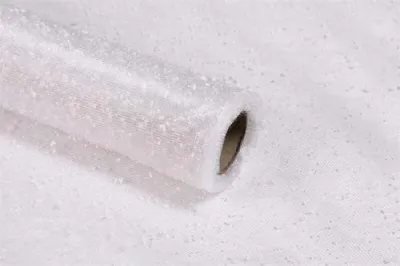
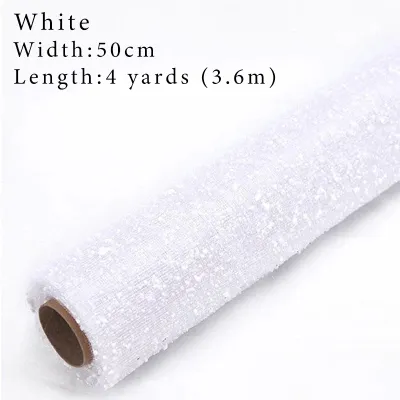
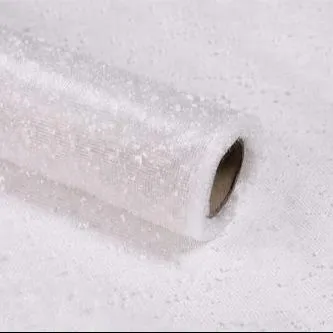
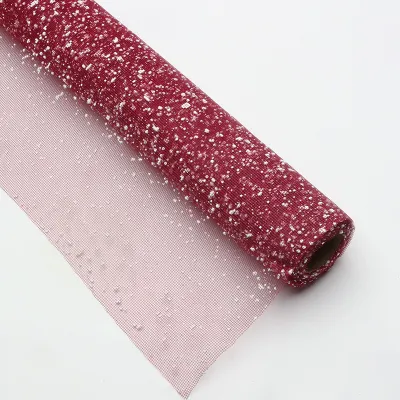
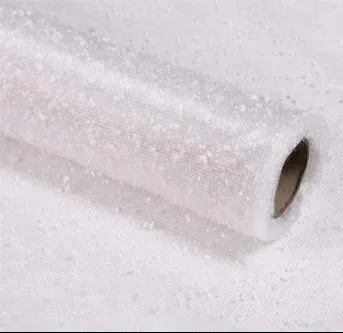
Prices are valid at publication and may change. Please refer to the product page for the latest price.
Beyond appearance, you must evaluate the drape and stiffness of the ribbon. Snow dot gauze is naturally light and airy, forming soft, voluminous folds around the stems. A ribbon that is too stiff or heavy will pull at the gauze, crushing its delicate volume and distorting the shape of the wrap. Opt for ribbons with a supple, fluid drape that flow naturally with the contours of the bouquet, ensuring the wrapping retains its breezy, cloud-like appearance.
Choosing the Right Ribbon Width and Length
Proportion is key when selecting the dimensions of your ribbon. The width of the ribbon should complement both the size of the bouquet and the volume of the gauze wrapping. Narrow ribbons, typically ranging from 6mm to 15mm, are excellent for subtle accents, delicate single-stem wraps, or minimalist designs. They add a whisper of color and structure without distracting from the intricate details of the flowers or the dotted pattern of the gauze.

For larger, more voluminous bouquets, wider ribbons measuring 25mm to 38mm or more are necessary to make a balanced statement. A wide ribbon provides the visual weight needed to anchor a thick bundle of stems and a generous wrap of gauze. It also offers enough surface area to showcase the ribbon’s texture and color, serving as a deliberate design element rather than just a functional tie.
Estimating the required ribbon length involves a simple calculation. You must account for the circumference of the stem bundle, the complexity of the knot or bow, and the desired length of the trailing tails. For a standard bow with moderate tails, a good rule of thumb is to cut a length that is at least three to four times the width of the wrapped stem area. In humid tropical climates, keeping a slightly longer tail allows you to trim any ends that might fray during transport or handling.
Selecting Finishes and Colors for Visual Balance
The finish and color of your ribbon should enhance the bouquet’s overall aesthetic without creating visual clutter. Because snow dot gauze already features a distinct pattern, pairing it with highly detailed or busy patterned ribbons can easily overwhelm the eye. Solid-colored ribbons are generally a reliable and elegant choice, as they provide a clean, resting point for the eyes amidst the textured gauze and varied floral shapes.
If you want to add a touch of sophistication without clashing with the dots, look for ribbons with subtle metallic edges, pearlescent sheens, or delicate foil stamping. A thin gold or silver metallic border on a satin ribbon adds a festive, high-end touch that catches the light beautifully under event styling lamps. These minimal embellishments elevate the presentation while respecting the delicate motif of the gauze.
Color coordination requires a thoughtful approach to harmony and contrast. You can match the ribbon color directly to the primary flowers in the bouquet for a unified, monochromatic look. Alternatively, choosing a ribbon that echoes the base color of the gauze—such as a soft cream ribbon on cream gauze—creates a seamless, elegant transition. For a bolder presentation, select a contrasting hue that complements the flowers, such as a deep forest green ribbon to offset pastel pink blooms wrapped in white snow dot gauze.
Tying Techniques and Placement for Bouquet Presentation
Securing a ribbon over slippery gauze requires a systematic approach to prevent the wrap from shifting. Before applying your decorative ribbon, it is highly practical to secure the stems and gauze with a functional base layer. Wrapping the binding point tightly with floral tape or a plain, high-grip binding twine ensures that the structural foundation is solid. This prevents the decorative ribbon from sliding down the smooth gauze when the bouquet is held or placed in a vase.
The styling of your knot or bow should align with the formality of the occasion and the style of the arrangement. A classic, symmetrical double-loop bow offers a timeless, formal look suitable for graduations, anniversaries, or corporate gifts. For a modern, whimsical aesthetic, consider a simple wrapped knot with long, trailing tails that sway gently as the bouquet is carried. This minimalist approach highlights the fluid drape of both the ribbon and the gauze.
To maintain a sharp, professional appearance, pay close attention to how you cut the ribbon tails. Always use sharp fabric shears to ensure clean lines and prevent the threads from pulling. An angled cut or a classic V-cut (chevron cut) not only looks polished but also helps minimize fraying at the tips. If you are using synthetic ribbons like polyester satin, a quick, careful pass near a flame can seal the edges, which is especially useful in humid environments where woven edges tend to unravel more quickly.
Common Pairing Mistakes to Avoid
One of the most frequent mistakes in bouquet styling is using overly stiff, rigid, or cheap plastic ribbons. These materials do not bend gracefully, and their sharp edges can easily crush, tear, or distort the delicate folds of the snow dot gauze. The rigidity of plastic also makes it difficult to tie a tight, secure knot, often resulting in a loose wrap that slips during transit.
Another common error is pattern overload. Avoid pairing snow dot gauze with ribbons featuring busy, high-contrast prints, such as bold stripes, plaids, or competing floral patterns. The combination of the raised dots on the gauze and a loud pattern on the ribbon creates visual chaos, distracting from the natural beauty of the flowers. Stick to solid colors or very simple, textured weaves to keep the focus where it belongs.
Finally, watch out for scale mismatches. A tiny, delicate bouquet wrapped in a massive, wide ribbon will look overwhelmed and clumsy. Conversely, a grand, multi-layered arrangement tied with an invisibly thin ribbon will look structurally weak and unfinished. Always step back and assess the overall proportions of your bouquet, ensuring the ribbon width and bow size match the physical and visual scale of the floral arrangement.
Frequently Asked Questions (FAQ)
Can I use wired ribbon with snow dot gauze?
Yes, you can use wired ribbon, but you must handle it with care to avoid damaging the delicate gauze. Wired ribbon is excellent for creating voluminous, structured bows that hold their shape during transport. However, the exposed wire ends can easily snag, pull, or tear the fine mesh of snow dot gauze. To prevent this, always fold the cut ends of the wired ribbon inward or cover them with a small piece of adhesive tape before tying the ribbon around the bouquet.
How do I prevent the ribbon from slipping on the gauze?
To prevent the ribbon from slipping on the smooth surface of snow dot gauze, start by securing the bouquet stems tightly with floral tape or a rubber band. Next, wrap a small strip of double-sided floral tape around the gauze at the binding point before tying your decorative ribbon over it. The adhesive provides a secure grip that keeps the ribbon firmly in place, even when the bouquet is handled frequently or exposed to high humidity.

Community discussion
Share your experience or ask a question. Comments are reviewed before publication.