
Earning a rifle expert patch is a significant achievement, representing hours of discipline, precision, and dedication on the range. Whether you display this badge of honor on a military uniform, a tactical vest, or a gear bag, the patch itself must be durable enough to withstand the rigors of daily use. In tropical environments, where high humidity, intense sunlight, and frequent heavy rain are common, choosing the right materials is crucial to prevent your patch from fraying, fading, or warping.
Understanding the specific fabrics and threads used in these patches allows you to make an informed decision that balances aesthetic appeal with long-term durability. While some materials offer a brilliant, eye-catching shine, others are engineered specifically to resist abrasion and harsh washing cycles. This guide breaks down the available material options, evaluates their performance under stress, and provides actionable steps to help you select and maintain a patch that lasts.
Understanding Base Fabrics and Embroidery Threads
The foundation of any embroidered rifle expert patch is its base fabric. Cotton twill is a traditional favorite, appreciated for its soft texture and classic matte finish, but pure cotton absorbs moisture and can shrink in humid climates. To combat this, manufacturers frequently use polyester-cotton blends. These hybrid fabrics combine the breathability of cotton with the strength of synthetic polyester, maintaining their shape exceptionally well even after multiple wash cycles.
Products mentioned in this guide
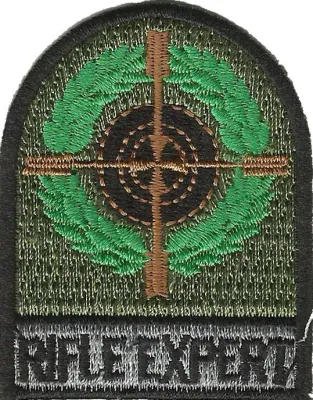
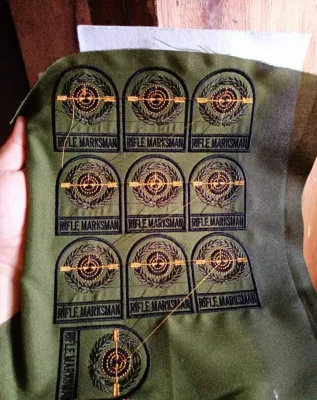
Prices are valid at publication and may change. Please refer to the product page for the latest price.
For maximum ruggedness, heavy-duty nylon or pure polyester backings are often employed. Nylon resists tears and abrasions from outdoor elements like brush or gear straps, while shedding water quickly to prevent the patch from becoming waterlogged during sudden tropical downpours.
When it comes to the embroidery itself, the choice of thread is critical. Rayon thread is highly regarded for its brilliant luster and smooth, silk-like appearance, giving the design a premium look. However, rayon is a semi-synthetic fiber that is more susceptible to damage from friction and moisture. Polyester thread, by contrast, is a fully synthetic option designed for durability. While it has a slightly more subdued sheen, polyester thread boasts superior tensile strength and resists stretching, shrinking, and fraying during active field use.
To verify the material composition before purchasing, read product descriptions carefully on online marketplaces. Look for explicit mentions of “100% polyester embroidery” or “heavy-duty poly-blend backing.” If details are vague, inspect the patch physically: polyester threads feel slightly stiffer, while cotton-blend backings display a distinct diagonal weave pattern.
How to Evaluate Durability and Wash Resistance
Evaluating patch durability goes beyond reading the material label; you must also assess its physical construction. One of the most reliable indicators of quality is stitch density. A high-quality patch features a dense, tight stitch pattern where the embroidery completely covers the underlying base fabric, leaving no loose loops or gaps. Low stitch density leaves the thread vulnerable to snagging on equipment or branches, which can cause the design to unravel. You can test this by gently running your finger over the embroidery; it should feel firm and uniform.

The backing stabilizer plays a vital role in maintaining the patch’s shape. This specialized material is applied to the back of the embroidery during production to prevent shifting or puckering. High-quality patches often feature a stiff, heat-sealed backing or a thick merrowed border that locks the edges together. Without a proper stabilizer, the patch will likely warp or curl after its first wash. To check for stability, gently bend the patch; it should offer moderate resistance and snap back to its flat shape without creasing.
Colorfastness is another critical factor, particularly in sunny, tropical regions where UV rays can rapidly fade embroidery. Polyester threads are inherently colorfast because the dye is integrated into the synthetic polymer during manufacturing. Rayon, however, is dyed topically and can fade quickly when exposed to sunlight, sweat, or mild bleaching agents. When selecting a patch, look for specifications indicating UV or chlorine resistance, or perform a simple colorfastness check by rubbing a damp, white cotton cloth firmly over a small section of the embroidery to see if any dye transfers.
Washing and Care Routines to Maximize Lifespan
Proper laundering preserves the structural integrity of your embroidered rifle expert patches. If the patch is permanently sewn onto a uniform, cross-reference the care labels of both the garment and the patch. As a general rule, wash the garment inside out in cold or lukewarm water using a gentle cycle. High water temperatures can weaken synthetic fibers, cause cotton backings to shrink, and degrade iron-on adhesives, while inside-out washing protects the raised embroidery from friction-induced fraying.
The choice of detergent also impacts the lifespan of the embroidery. Avoid harsh detergents containing optical brighteners, chlorine bleach, or strong solvents, as these break down both rayon and polyester fibers over time. Instead, opt for mild, pH-neutral liquid detergents that clean effectively without stripping the dye or weakening the thread structure.
Air drying is highly recommended for all embroidered patches. Hang the garment in a shaded, well-ventilated area away from direct sunlight. If you must use a tumble dryer, select the lowest heat setting, as excessive heat can melt synthetic polyester threads, warp the backing stabilizer, or cause iron-on adhesives to peel.
For patches attached via hook-and-loop fasteners, detach them before washing the garment. Washing the patches separately by hand in cool water prevents the rough hook side from catching on the delicate embroidery or damaging other fabrics. Store the detached patches in a cool, dry place when not in use to prevent dust accumulation and moisture buildup.
Selecting the Right Patch for Your Uniform or Gear
Choosing the right rifle expert patch requires matching its physical characteristics to the specific garment. Fabric compatibility is crucial; a heavy, stiff patch with a thick plastic backing will cause lightweight, breathable fabrics like ripstop or thin cotton shirts to sag, pucker, and pull, which can eventually tear the garment fabric.
For lightweight uniforms, select a patch with a flexible poly-cotton backing and a standard sew-on border. For heavy-duty gear like canvas tactical vests or backpacks, a stiffer patch with a heavy nylon backing and a robust merrowed edge is highly appropriate, as the rugged gear fabric easily supports the weight.
The attachment method also dictates the patch’s longevity. Sew-on patches are the gold standard for permanent security, as they do not rely on adhesives that degrade over time. While sewing requires more effort, it ensures the patch remains firmly attached through countless wash cycles and heavy physical activity.
Iron-on patches offer a quick application method but are generally less durable in hot, humid climates. The heat-activated adhesive can soften and peel when exposed to body heat, sweat, and warm wash water. If you choose an iron-on patch, consider adding a few anchor stitches around the corners to prevent lifting.
Hook-and-loop backings provide unmatched versatility, allowing you to easily remove the patch before washing or swap it between different pieces of gear. This method is highly popular for tactical uniforms but adds extra thickness and stiffness. Ensure the loop receiver on your garment is securely stitched to handle the repeated pulling force of removing the patch.
Finally, always perform a compliance check before purchasing. Many military, law enforcement, or shooting organizations have strict regulations regarding patch dimensions, color schemes, and attachment methods. Verifying these requirements beforehand ensures your high-quality patch is not only durable but also fully authorized for wear.
Frequently Asked Questions (FAQ)
Can I iron embroidered rifle expert patches directly?
Direct contact with a hot iron can easily melt synthetic polyester threads or scorch delicate rayon embroidery, permanently ruining the design. To safely press a garment with an attached patch, always place a clean, dry pressing cloth—such as a thin cotton towel or baking paper—directly over the embroidery. Set your iron to a low or medium heat setting with the steam function turned off, and press gently for a few seconds without sliding the iron, which can distort the stitches.
Does the backing material affect comfort against the skin?
Yes, the stiffness of the backing stabilizer and the type of border can significantly affect comfort, especially when the patch is attached to unlined, lightweight garments worn directly against the skin. Stiff heat-sealed backings or rough merrowed edges can cause scratching and irritation during movement. Before wearing, inspect the back of the patch for exposed, rough bobbin threads or sharp plastic edges, and consider sewing a soft fabric lining over the back of the patch area to protect your skin.

Community discussion
Share your experience or ask a question. Comments are reviewed before publication.