
Quick Answer: Which Portfolio Should You Choose?
Choosing between a ring binder portfolio and a clear sleeve portfolio depends entirely on your specific document handling needs and preservation goals. Neither option is universally superior, as each serves a distinct protective purpose.
If your priority is heavy-duty archiving, organizing thick manuals, or maintaining a highly structured, chronological filing system where you can easily rearrange pages, a ring binder portfolio is the more suitable choice. It provides a robust, expandable framework for high-volume storage.
Conversely, if you need to protect original, unpunched documents from fingerprints, dust, and moisture while presenting them in a professional layout, a clear sleeve portfolio is ideal. This style keeps your papers pristine and is highly effective for active handling, interviews, and visual displays.
Products mentioned in this guide
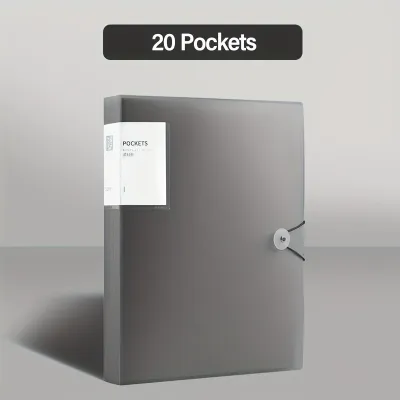
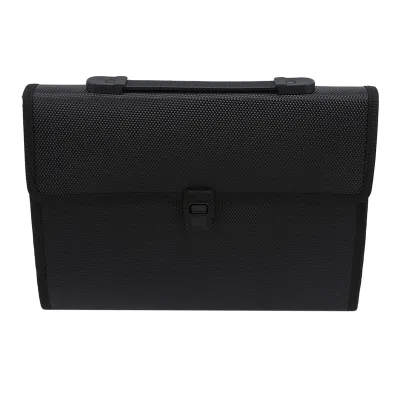
Prices are valid at publication and may change. Please refer to the product page for the latest price.
Document Protection: Ring Binder vs. Clear Sleeve
The physical method each portfolio uses to shield your papers determines how well it guards against environmental hazards, physical wear, and accidental damage.

Ring Binder Protection and Mechanisms
Ring binders secure documents by anchoring them to metal or plastic rings. This system requires your documents to be hole-punched, which physically alters the paper. If you are archiving original certificates, legal contracts, or historical family records, this alteration is often undesirable.
To evaluate a binder’s protective quality, inspect the ring alignment. High-quality rings must meet perfectly without gaps. Any misalignment can snag, crease, or tear the paper when you turn the pages.
The shape of the rings also affects document wear. Standard round rings (O-rings) cause pages to ride up on top of each other, which can lead to crumpled inner margins. D-ring mechanisms allow pages to lie completely flat on one side, reducing tension on the punched holes and preventing premature tearing.
Clear Sleeve Protection and Material Safety
Clear sleeve portfolios protect documents by enclosing each sheet entirely within a plastic pocket. This design eliminates the need for hole-punching, keeping your original papers completely intact. The plastic acts as a continuous physical barrier against spills, oily fingerprints, and airborne dust.
In humid tropical climates, such as in the Philippines, the choice of sleeve material is critical for long-term preservation. High relative humidity can cause paper to stick to certain plastics over time. Avoid portfolios made with cheap polyvinyl chloride (PVC) sleeves, as PVC contains plasticizers that can degrade, transfer ink or toner from your printed pages, and cause the paper to adhere to the pocket.
Instead, look for portfolios featuring acid-free, copy-safe polypropylene sleeves. Polypropylene is chemically inert, highly resistant to moisture, and will not lift ink from your documents even during hot, humid seasons.
Dust, Moisture, and Edge Wear
The entry point of the sleeves also impacts protection. Top-loading sleeves are incredibly common and easy to use, but they leave the top edge of the document slightly exposed to dust and ambient humidity. Side-loading sleeves or portfolios with zippered outer covers offer superior sealing, preventing dust accumulation and reducing exposure to moisture.
Edge and corner wear differ significantly between the two styles. In a ring binder, heavy pages can sag under their own weight if the binder is stored vertically for long periods, leading to bent lower corners. Clear sleeves support the entire surface area of the paper, keeping it flat and preventing sagging, though inserting thin paper into tight sleeves requires care to avoid static buildup and corner creasing.
Organization and Ease of Use
How you plan to interact with your documents daily should heavily influence your choice, as the two portfolio types offer very different workflows.
Document Insertion and Rearranging
Ring binders offer unmatched flexibility when it comes to rearranging your files. You can open the rings at any point in the sequence to insert a new page, remove an outdated sheet, or swap entire sections. This makes binders highly efficient for dynamic projects, training manuals, or records that require frequent updates.
However, the preparation process is more demanding. You must have a reliable hole punch on hand, and punching large stacks of paper takes time. If you use pre-punched paper, you are limited to specific paper types and sizes.
Clear sleeve portfolios offer a simpler, tool-free setup. You simply slide your documents into the pockets. This is ideal for quick preparation before a meeting or presentation.
The trade-off occurs when you need to reorganize your portfolio. If you want to insert a new page near the beginning of a book-bound sleeve portfolio, you may have to manually slide out and shift every subsequent page down by one sleeve, which is tedious and increases the risk of wrinkling your papers.
Capacity Limits and Page Layouts
Ring binders are highly expandable. You can choose binder spine widths ranging from half an inch to several inches, allowing you to store hundreds of sheets in a single volume. You can also mix different page types, such as adding tabbed index dividers, pocket folders, or plastic business card holders.
Clear sleeve portfolios generally have a fixed capacity, typically ranging from 10 to 60 pockets (displaying 20 to 120 pages back-to-back). Overstuffing a fixed-sleeve portfolio with multiple sheets per pocket causes the cover to bulge, prevents the portfolio from lying flat, and puts excessive strain on the plastic seams, which can lead to splitting.
Durability and Portability
If you frequently carry your documents to school, client meetings, or job sites, the physical build of the portfolio determines how well it survives transit.
Cover Materials and Structural Integrity
Both portfolio types are available in various cover materials, each offering different levels of durability:
- Polypropylene Covers: Lightweight, flexible, and highly water-resistant. They do not warp in humid conditions and easily survive sudden rain showers during the wet season.
- Faux Leather (PU) Covers: Provide a highly professional, executive appearance. However, in warm climates, low-grade PU leather can peel or become sticky if stored in unventilated spaces.
- Paperboard or Vinyl-Wrapped Covers: Often used for heavy-duty binders. While rigid, paperboard can soften if exposed to high humidity, and vinyl seams can split over years of heavy use.
Weight, Bulk, and Travel Convenience
Metal ring mechanisms add substantial weight and bulk to a portfolio. A fully loaded 2-inch ring binder is heavy and takes up significant space in a backpack or briefcase. The rigid spine also makes it less adaptable to tight packing.
Clear sleeve portfolios are inherently slimmer and lighter. Because they lack heavy metal hardware, they slide easily into slim laptop bags or messenger totes, making them the preferred choice for students and commuting professionals who prioritize mobility.
Security Closures during Transit
When traveling, keeping your portfolio closed is essential to prevent documents from sliding out or getting bent. Many clear sleeve portfolios feature built-in elastic bands, snap buttons, or full perimeter zippers. A zippered sleeve portfolio is exceptionally secure, keeping out dust, dirt, and light rain.
Standard ring binders rarely come with built-in closures, meaning the covers can flop open inside a bag. To get the same level of transit security with a ring system, you must look for specialized zippered binder portfolios, which combine the ring mechanism with a protective zippered fabric enclosure.
Decision Framework: Choose Based on Your Needs
To make your final decision, evaluate your documents against these practical scenarios.
Choose a Ring Binder Portfolio If:
- You are organizing high-volume, multi-page documents like reference manuals, financial reports, or study guides.
- You need to frequently add, remove, or rearrange pages in a specific chronological or alphabetical order.
- Hole-punching your documents is acceptable, or you plan to use heavy-duty index tabs to structure your sections.
- You require a system that can grow over time by adding more pages or different types of inserts.
Choose a Clear Sleeve Portfolio If:
- You must keep your original documents in pristine, unaltered condition (e.g., diplomas, professional certificates, design drafts, or contracts).
- Replacing damaged official documents is a concern, especially since replacing certificates in the Philippines can incur high processing fees in ₱ and require long waiting times.
- You need a lightweight, slim, and highly portable folder for job interviews, client presentations, or art displays.
- You want immediate, double-sided visual access to your papers without the risk of them falling out of a ring system.
Verification Checklist Before Buying
Before finalizing your purchase at a local stationery store or an online marketplace, perform these quick checks:
- Size Compatibility: Verify that the portfolio matches your document size. Standard letter size (8.5 x 11 inches) and A4 size (8.27 x 11.69 inches) are not identical; using the wrong size can cause edges to crumple.
- Material Specifications: Check the product label or online description for terms like "acid-free," "archival-safe," or "polypropylene" to ensure your papers won't stick to the plastic.
- Seam and Ring Quality: Inspect the weld lines on clear sleeves to ensure they are wide and secure. For binders, test the ring tension to ensure they snap shut tightly without leaving a gap.
Frequently Asked Questions (FAQ)
Can I use sheet protectors inside a ring binder portfolio?
Yes, you can easily combine these two systems by placing pre-punched plastic sheet protectors inside a ring binder. This hybrid approach allows you to protect original, unpunched documents while retaining the flexible organizing power of a ring binder.
However, keep in mind that sheet protectors are wider than standard paper. You will need to verify that your ring binder is wide enough so the edges of the sheet protectors do not extend past the outer cover when the binder is closed. Additionally, this setup adds extra weight and bulk, so you may need to select a larger ring size to accommodate the plastic sleeves.
How do I clean and maintain a clear sleeve portfolio?
To clean the plastic sleeves, gently wipe the surfaces with a dry or slightly damp microfiber cloth to remove dust, lint, and fingerprints. Avoid using harsh chemical solvents, glass cleaners, or alcohol-based sprays, as these can cloud, scratch, or permanently degrade the plastic material.
If you live in a highly humid environment, avoid storing your portfolio in dark, unventilated drawers where moisture can become trapped. Periodically open the portfolio in a dry, air-conditioned, or well-ventilated room to allow air circulation, which helps prevent the paper from sticking to the sleeves and discourages mold growth.

Community discussion
Share your experience or ask a question. Comments are reviewed before publication.