
Choosing the right a4 notebook binder for your daily routine comes down to how much paper you carry and how you prefer to write. Neither the classic round ring nor the D-ring mechanism is universally superior; instead, the optimal choice depends on your specific capacity needs and how flat you need your pages to lie during active note-taking. For students and professionals navigating busy commutes and daily desk work, selecting the wrong binder can lead to torn pages, bulky bags, and disrupted writing.
To find your ideal setup, you must evaluate three core decision criteria: page capacity, writing flatness, and the risk of paper snagging. A binder that works perfectly for archiving semester-old lectures may prove frustrating when you try to jot down quick notes during a fast-paced meeting or lecture. By understanding how these mechanisms interact with standard A4 paper, you can protect your notes and streamline your daily organization.
Understanding the Mechanisms: Round Ring vs. D-Ring
To make an informed choice, it helps to understand the physical differences between these two common mechanisms. The round ring binder features circular metal or plastic rings that are typically mounted directly to the spine of the binder. Because of this central mounting, the rings curve evenly on both sides, requiring the paper to travel along a continuous circular path when you turn the pages.
Products mentioned in this guide
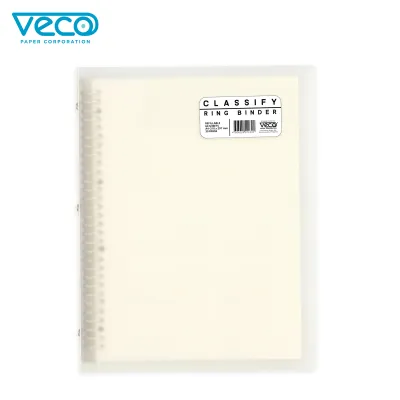
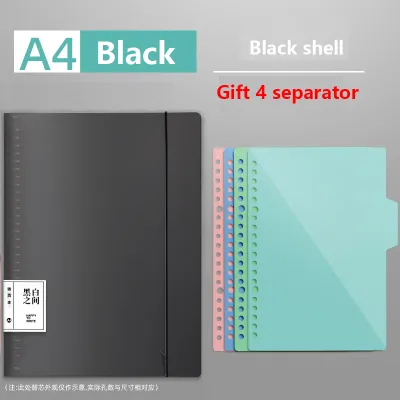
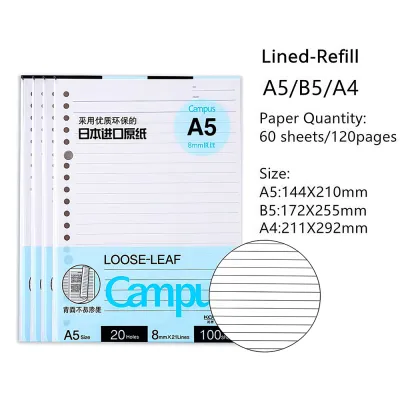
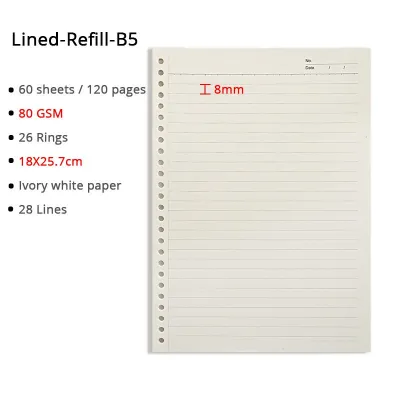

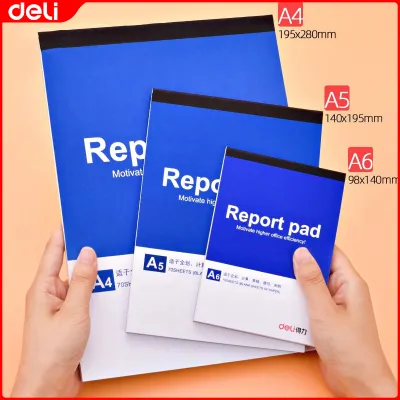
Prices are valid at publication and may change. Please refer to the product page for the latest price.
In contrast, the D-ring binder utilizes a mechanism shaped like the capital letter “D,” featuring one straight vertical edge and one curved side. This mechanism is almost always mounted to the back cover of the binder rather than the spine, or occasionally set at an angle. This design choice keeps the spine completely free of rings, allowing the straight edge of the “D” to sit flush against the back cover.
These geometric differences dictate how your paper stack behaves when the binder is opened, closed, or carried. In a round ring binder, the paper naturally bunches toward the center of the curve, which can cause the sheets to ride up as the binder closes. In a D-ring binder, the straight edge allows the entire stack of A4 paper to align perfectly flat against the back cover, keeping the edges neat and preventing the pages from shifting vertically when you close the cover.
Key Comparison Factors for Daily Note-Taking
When selecting an a4 notebook binder for daily use, comparing the physical specifications of each mechanism helps narrow down your options. Below is a summary comparison of how these two designs perform across key usability dimensions. You can verify these factors by checking the product labels and specifications at your local stationery store.

| Usability Dimension | Round Ring Binder | D-Ring Binder |
|---|---|---|
| Page Capacity | Lower relative to ring size | Higher relative to ring size |
| Writing Flatness | Pages curve near the spine | Pages lie completely flat on the back cover |
| Snagging Risk | Higher due to split-ring alignment | Lower due to straight-edge transition |
| Spine Width | Typically narrower and more compact | Often wider to accommodate the D-shape |
| Best Use Case | Quick reference, light note-taking | Heavy archiving, active writing |
While this table provides a quick reference, the practical impact of these differences becomes much clearer when you examine how they affect your daily writing, paper preservation, and commute.
Page Capacity and Writing Flatness
The geometry of the D-ring mechanism provides a distinct advantage when it comes to page capacity. Because the straight vertical edge of the D-ring holds the paper stack perpendicular to the cover, you can store more sheets of A4 paper in a D-ring binder than in a round ring binder of the exact same ring diameter. The straight edge prevents the paper holes from binding or stretching, allowing you to utilize almost the entire height of the ring.
This flat alignment also directly improves your writing comfort. When you open a D-ring binder, the pages lie flat against the back cover, creating a stable, level surface for your hand. This makes it much easier to write near the inner margins of your A4 sheets without having to remove them from the binder. If you frequently take notes during long lectures or training sessions, this flat surface reduces wrist strain and keeps your handwriting neat.
Round ring binders, on the other hand, force the paper to follow a curved path. As you add more sheets and approach the binder’s maximum capacity, the pages near the front and back of the stack begin to “tent” or pull upward. This curvature makes it difficult to write on the pages while they are still inside the binder, often forcing you to take the paper out just to write a quick note, which defeats the convenience of a loose-leaf system.
Durability and Paper Snagging
Daily use requires turning pages frequently, which exposes your paper to potential wear and tear. Round ring binders are prone to alignment issues over time, especially if they are opened and closed rapidly or overloaded. When the two halves of a round ring do not meet perfectly, they create a small gap or ridge that can snag the delicate punched holes of your A4 paper, leading to unsightly tears.
The D-ring design minimizes this snagging risk because of how the pages move. Since the paper rests on the straight vertical edge, you do not have to slide the entire stack over a split joint when opening or closing the binder. The curved portion of the D-ring is only used when you actively flip pages from one side to the other, and the transition over the joint is generally smoother because the paper is not under constant tension.
To ensure long-term durability, always check the manufacturer’s specifications for ring alignment tolerances and locking mechanisms before purchasing. High-quality binders often feature locking rings that remain securely closed even when the binder is dropped or packed tightly into a bag. Inspecting the metal joints for a seamless connection will save your important notes from getting caught and damaged.
Portability and Bag Fit
Carrying your a4 notebook binder between home, school, or the office requires considering how it fits into your daily bag. When comparing spine width, round ring binders are often more compact and have a narrower profile when empty or only partially filled. This makes them easier to slide into a slim backpack or a standard messenger bag without taking up excessive space.
D-ring binders, because of their back-cover mounting and wider ring shape, require a wider spine to accommodate the mechanism. Even if you only have a few pages inside, a D-ring binder will maintain its full, boxy profile, which can take up significant space in your bag. However, if the binder is completely full, the D-ring actually utilizes space more efficiently than a round ring, preventing the binder covers from bulging outward.
Before buying, it is wise to measure your daily bag compartments against the binder’s outer dimensions listed on the packaging. In tropical climates like the Philippines, where sudden downpours require carrying umbrellas and extra gear, bag space is at a premium. Ensuring your binder fits comfortably alongside your other essentials without stretching your bag’s zippers is crucial for a hassle-free daily commute.
How to Choose the Right A4 Binder for Your Needs
Selecting the perfect a4 notebook binder requires matching the mechanism to your specific daily habits and organizational style. By evaluating how you interact with your notes, you can choose the option that minimizes daily friction.
Choose a Round Ring Binder if:
- You carry a lower volume of notes (typically under 150 sheets of standard A4 paper) and prefer a lighter, slimmer profile in your bag.
- Your primary goal is basic archiving or organizing handouts that you do not need to write on frequently while they are bound.
- You are working within a strict budget, as these simpler mechanisms are often more economical for buying in bulk.
Choose a D-Ring Binder if:
- You need to store high volumes of paper, such as comprehensive course modules, project portfolios, or multi-month business reports.
- You plan to write directly on the pages while they are still inside the binder, requiring a flat, stable writing surface.
- Your daily routine involves heavy transport, and you need to ensure your page edges remain perfectly aligned and protected from bending.
Verify first if:
- The binder's ring spacing matches your A4 hole-punch standard, as some binders use a 2-ring, 3-ring, or 4-ring configuration.
- The ring diameter label matches your actual storage needs rather than just guessing by visual inspection.
- The cover material is thick and rigid enough to withstand high humidity, which can soften cheap cardboard covers over time.
Practical Tips for Organizing Your A4 Binder
Once you have selected your binder, proper organization and maintenance will extend its lifespan and keep your notes accessible. If you use tabbed dividers to separate subjects or projects, keep in mind that the ring shape affects how these tabs align. In a D-ring binder, the flat paper stack keeps the dividers perfectly aligned and highly visible, whereas the curving pages in a round ring binder can sometimes obscure the tabs.
To prevent permanent damage to the metal mechanism, strictly follow the maximum sheet capacity label provided by the manufacturer. Overloading any binder forces the rings to stretch, which eventually leads to misalignment and gaps that are nearly impossible to fix. If your paper stack starts to resist turning smoothly, it is time to archive older notes into a separate storage binder.
Finally, always use proper two-handed techniques when opening and closing the rings. Pulling directly on the metal rings to force them open puts uneven pressure on the spring mechanism, causing them to warp over time. Instead, use the push-tabs located at the top and bottom of the spine mechanism to open the binder safely, and gently press the rings closed with both hands to maintain perfect alignment.
Frequently Asked Questions (FAQ)
Can I use standard A4 paper in both ring and D-ring binders?
Yes, standard A4 paper with standard hole spacing fits both round ring and D-ring mechanisms perfectly, as the ring shape does not alter the horizontal distance between the punched holes. However, you must verify the specific number of holes required by your binder before purchasing paper or a desktop puncher. In the Philippines, A4 binders are commonly available in 2-hole, 3-hole, or 4-hole configurations, so matching your paper’s punch pattern to your binder’s ring count is essential for a proper fit.
Do D-ring binders cost significantly more than round ring binders?
Generally, D-ring binders carry a slightly higher price tag than round ring binders due to their more complex manufacturing process and back-cover mounting hardware. When browsing local stationery stores or online marketplaces, you will find that prices vary based on cover materials, ring size, and brand reputation. While a basic round ring binder is often the most budget-friendly option, investing a bit more in a durable D-ring binder can save you money over time by preventing torn pages and mechanism failures.

Community discussion
Share your experience or ask a question. Comments are reviewed before publication.