
Selecting the right A3 folder depends on how you handle, store, and transport your large-format documents. Because A3 paper is twice the size of standard A4 sheets, it is highly susceptible to bending, sagging, and edge damage under its own weight. In tropical climates like the Philippines, high relative humidity can soften paper fibers, making structural support even more critical to prevent warping. Matching your workflow to the correct folder mechanism ensures your blueprints, artwork, or financial spreadsheets remain crisp and readable over time.
The three primary options—ring binders, lever arch files, and presentation folders—each serve a distinct organizational purpose. Lever arch files are designed for high-capacity, vertical archiving on sturdy shelving. Ring binders offer excellent flexibility for active projects where you must frequently add, remove, or rearrange pages. Presentation folders provide a professional, non-destructive way to display and transport unpunched documents without risking creases or tears.
Core Differences Between A3 Ring Binders, Lever Arch Files, and Presentation Folders
To choose the right folder, you must first understand how their opening, closing, and holding mechanisms operate. These physical differences dictate how easily you can access your documents and how well the folder supports heavy A3 paper sheets.
Products mentioned in this guide
Prices are valid at publication and may change. Please refer to the product page for the latest price.
Ring binders utilize a metal ring mechanism that split-opens in the center to allow pages to be inserted or removed. These rings are typically classified as either O-rings or D-rings. O-ring binders feature circular rings mounted directly onto the spine of the folder. When you close an O-ring binder, the paper stack naturally curves along the arc of the rings, which can cause the inner margins of large A3 sheets to bunch up or crease. D-ring binders, on the other hand, feature rings shaped like the letter “D” mounted on the back cover. This design allows the paper stack to lie completely flat when the binder is open, making it much easier to read, write on, or flip through your documents without damaging the margins.
Lever arch files employ a more robust, mechanical locking system designed specifically for heavy-duty archiving. Instead of pulling the rings apart manually, you operate a metal lever on the spine side of the folder to open and close the arches. This mechanism is paired with a metal compressor bar, also known as a paper clamp, which slides down the arches to press the paper stack firmly against the back cover. This clamping force is essential for vertical storage, as it prevents heavy A3 sheets from sagging, slipping, or tearing at the punched holes under their own weight.
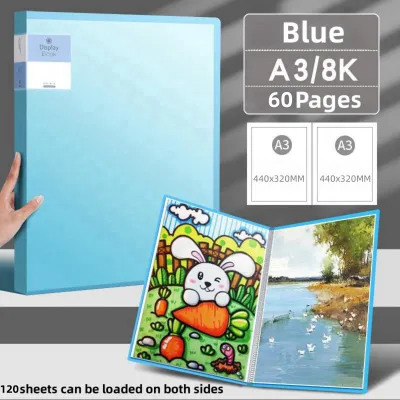
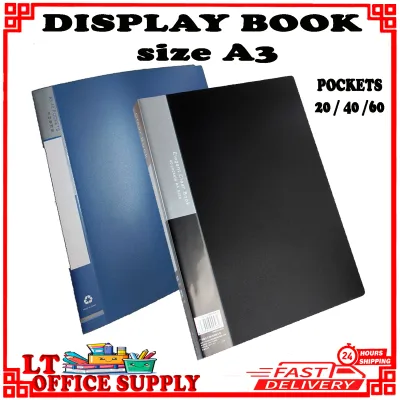
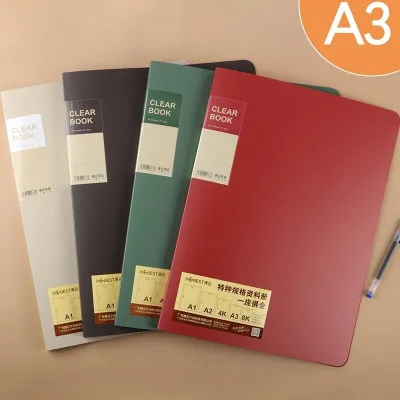
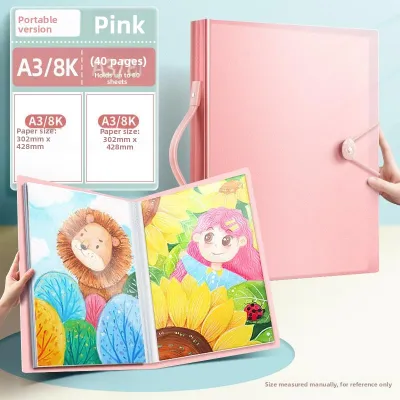
Presentation folders take a completely different approach by eliminating the need for hole-punching entirely. These folders typically feature clear, top-loading polypropylene pockets welded directly to the spine, or they utilize a flap-and-elastic enclosure system to hold loose sheets. Because the paper is fully enclosed within plastic sleeves, presentation folders protect documents from external elements like dust, moisture, and fingerprints. This makes them the go-to choice for client-facing displays, portfolios, and transporting delicate materials that must remain in pristine, unaltered condition.
Comparing A3 Folders by Storage and Handling Needs
Evaluating how each folder type performs under daily use requires looking at capacity, document protection, and shelf stability. A3 paper presents unique physical challenges that standard office stationery rarely encounters.

When estimating capacity, do not rely solely on generic sheet-count claims provided by manufacturers. Actual capacity depends heavily on paper thickness (measured in grams per square meter, or gsm) and environmental factors. For instance, standard 80 gsm copy paper is thinner than 120 gsm drawing paper, meaning a binder will hold far fewer drawing sheets. In humid environments, paper fibers absorb moisture from the air, causing the sheets to swell slightly and become heavier. To get an accurate estimate, measure the actual spine width and the internal ring diameter of the folder. A 50mm spine typically accommodates a smaller, active project stack, while a 75mm or 80mm spine is better suited for thick archival batches.
Document protection is another critical factor, especially regarding edge wear and dust exposure. Because A3 sheets have a large surface area, their outer edges are highly vulnerable to fraying and bending when stored vertically. In a lever arch file or ring binder, the top and bottom edges of the paper are exposed to the air, which can lead to dust accumulation and moisture absorption over time. If you frequently pull folders off shelves, the friction can damage exposed paper edges. Presentation folders offer excellent physical protection because the plastic sleeves completely seal the document edges, shielding them from dust, humidity, and accidental spills.
Shelf footprint and stability are major considerations for heavy A3 loads. A fully loaded A3 folder can weigh several kilograms, putting immense strain on the folder’s structure and your shelving. Standard office shelves are often too shallow for A3 folders, which require at least 450mm of depth to prevent them from hanging over the edge. Lever arch files are particularly well-suited for vertical shelf storage because they often feature “rado” slots. These are metal-reinforced slits on the front cover that lock onto the metal arches when the folder is closed. This locking mechanism keeps the folder rigid, preventing it from splaying open or tipping over under the weight of the paper.
Decision Framework: Matching the A3 Folder to Your Task
To select the right folder, match the physical characteristics of the mechanism to your specific document management workflow. Choosing the wrong type can lead to damaged documents or an inefficient filing system.
You should choose an A3 ring binder if your primary task involves active, collaborative projects where pages must be frequently updated. For example, if you are an architect managing a set of working drawings, a designer organizing mood boards, or an engineer updating technical schematics, a D-ring binder is ideal. It allows you to quickly open the rings, insert a revised sheet, and remove the outdated version. The lay-flat design of the D-ring also makes it easy to present drawings on a table during active site meetings or collaborative design sessions.
You should choose an A3 lever arch file if your goal is long-term, high-volume archiving of completed documents. If you need to store historical tax ledgers, finalized engineering blueprints, or monthly corporate reports that you rarely need to edit but must retain for compliance, the lever arch file is the most efficient choice. The heavy-duty lever mechanism and compressor bar ensure that large volumes of paper remain tightly packed and vertically stable on your shelves, maximizing your storage density.
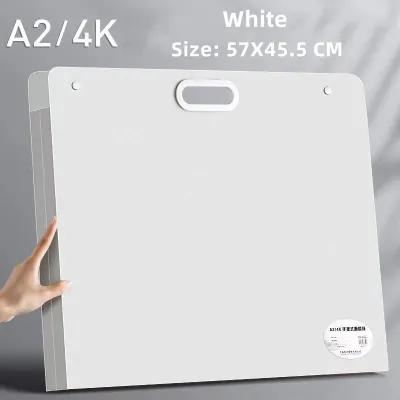
You should choose an A3 presentation folder if you need to transport and showcase high-value documents without altering them. If your documents cannot be hole-punched—such as original watercolor paintings, signed legal contracts, certificates, or high-gloss photographic prints—the clear sleeves of a presentation folder are indispensable. This type is perfect for student portfolios, client pitches, or carrying important documents to interviews, as it keeps the paper flat, clean, and professional.
Before making a final decision, verify if your documents require specialized archival care. If you are dealing with extremely fragile, antique, or historically valuable papers, standard office folders may not provide adequate protection. In highly humid tropical conditions, storing fragile paper vertically in binders can cause gravity to warp the sheets over time. For these sensitive materials, flat filing in acid-free archival boxes or climate-controlled plan chests is a safer alternative to bound storage.
Essential Specifications to Verify Before Purchase
When shopping for A3 folders at local stationery suppliers or online marketplaces, pay close attention to the physical specifications. Verifying these details beforehand will save you from compatibility issues and premature product failure.
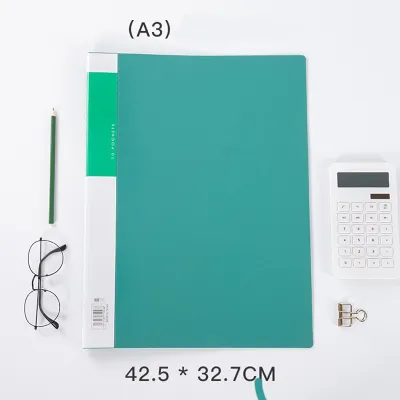
First, confirm the exact dimensions of the folder. True A3 paper measures 297 x 420 mm. Some international manufacturers sell folders designed for “ledger” or “tabloid” formats, which measure 11 x 17 inches (approximately 279 x 432 mm). While these sizes are similar, an A3 sheet placed in a ledger folder may protrude from the top or bottom, leaving the edges unprotected. Always check the product description to ensure the folder is specifically designed for international A3 dimensions.
Second, verify the punch compatibility of your folder and your hole puncher. A3 ring binders and lever arch files are available in both 2-hole and 4-hole configurations. Because A3 paper is wide and heavy, a 2-hole system allows the paper to sag significantly in the middle, putting immense stress on the punched holes. A 4-hole system distributes the weight of the paper much more evenly, preventing tears and keeping the sheets aligned. Ensure that your office hole puncher can be adjusted to match the exact spacing of the folder’s rings before purchasing.
Finally, inspect the materials and construction quality of the folder. Look for binders made from thick, rigid cardboard wrapped in a durable plastic coating like polypropylene or PVC. This plastic wrap acts as a moisture barrier, which is crucial for preventing the cardboard core from warping in humid weather. Additionally, check for metal corner guards along the bottom edges of the folder. These metal reinforcements protect the folder from scuffing and splitting when it is repeatedly slid on and off metal or wooden shelves, significantly extending its lifespan.
Frequently Asked Questions (FAQ)
Can I use standard A4 folders for A3 documents by folding them?
While you can fold A3 sheets in half to fit into standard A4 folders, this practice is not recommended for professional or technical documents. Folding creates permanent creases that can degrade the paper fibers, making the documents difficult to read, scan, or copy clearly. Furthermore, folded sheets double the thickness of the paper stack on one side, causing the folder to bulge unevenly and reducing its overall storage capacity. For blueprints, drawings, and official reports, using a dedicated A3 folder is essential to preserve document integrity.
How do I prevent heavy A3 pages from tearing out of a ring binder?
To prevent heavy A3 pages from tearing at the punched holes, you should use self-adhesive reinforcement rings on both sides of each hole. These rings, which typically cost under ₱100 per pack at local stationery shops, strengthen the paper around the punch site. Additionally, avoid overfilling the binder beyond its recommended capacity, as excessive weight increases the friction on the rings. When turning pages, lift the entire stack gently rather than pulling on the edges of a single sheet to minimize stress on the holes.
Are lever arch files suitable for carrying A3 documents between locations?
Lever arch files are generally not suitable for mobile transport. Their bulky, rigid design and wide spines make them awkward to carry in standard bags, and they lack secure closures to prevent documents from sliding out during transit. If you must transport A3 documents frequently, a presentation folder with a secure elastic closure or a dedicated A3 portfolio case with a handle is a much safer and more convenient option. These alternatives keep your documents flat and protected from wind, rain, and physical damage while on the move.

Community discussion
Share your experience or ask a question. Comments are reviewed before publication.