
Quick Answer: Identifying Safe Clay and Dough for Young Children
Genuinely safe modeling clay and play dough for young children must carry verified, third-party non-toxic certifications on their packaging. When children are in the oral stage of development—frequently putting toys, hands, and art supplies into their mouths—relying on vague marketing terms like “natural” or “safe” is not enough. True safety is determined by rigorous laboratory testing and clear labeling.
In the context of children’s art supplies, “non-toxic” means that a product has been evaluated by a qualified toxicologist and found to contain no materials in sufficient quantities to be toxic or injurious to humans, even with prolonged skin contact or accidental, minor ingestion. However, parents must distinguish between “non-toxic” and “edible-safe.” A non-toxic certification ensures that accidental ingestion of a small amount will not cause chemical poisoning, but it does not mean the product is formulated as food or is safe for intentional, large-scale consumption.
Understanding Non-Toxic Certifications for Modeling Materials
To ensure the modeling materials you bring into your home are safe, you must learn to read and verify the certification seals printed on the packaging. The most widely recognized international standards for art materials include ASTM D-4236 and EN71. Understanding what these codes mean will help you make informed decisions when browsing the stationery aisle.
Products mentioned in this guide
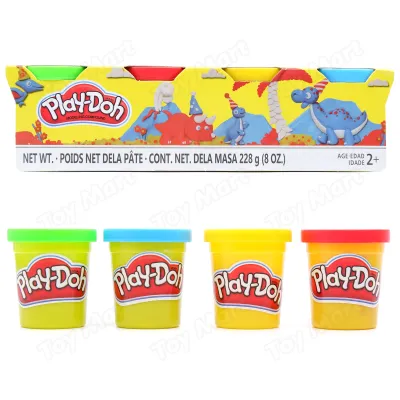
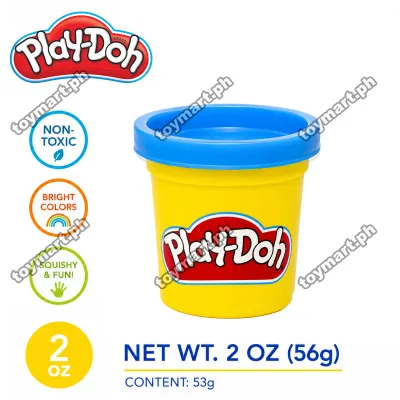
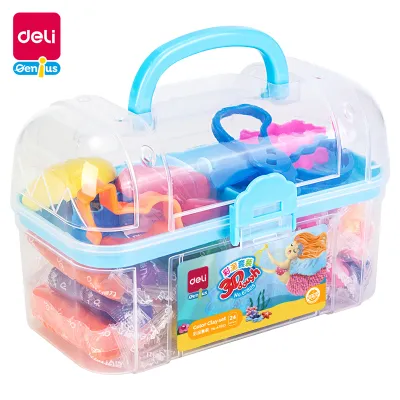
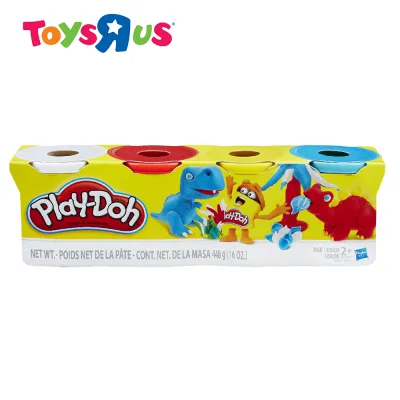
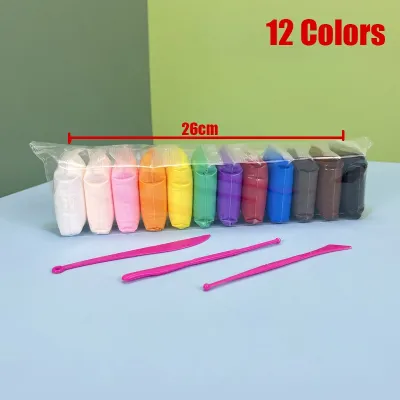
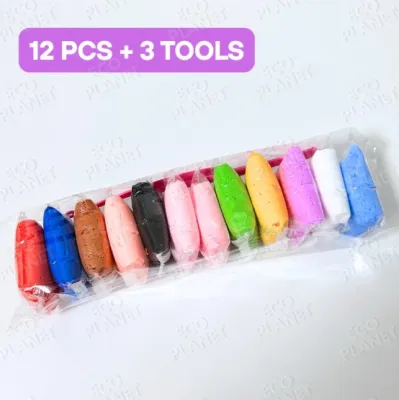
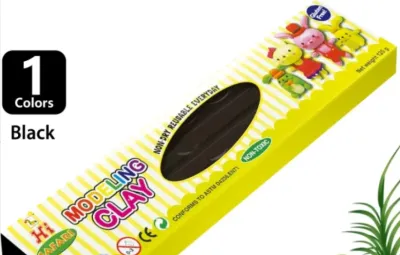
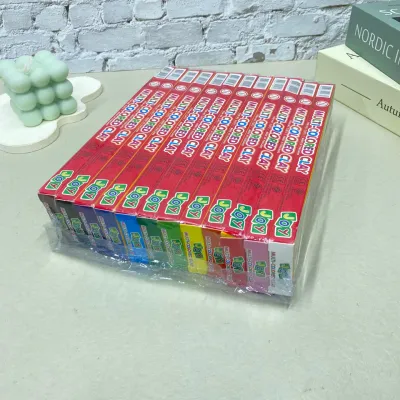
Prices are valid at publication and may change. Please refer to the product page for the latest price.

ASTM D-4236 is a standard established by the American Society for Testing and Materials. It requires all art materials to undergo a toxicological evaluation to determine if they pose chronic health hazards. When a product complies with this standard, it will feature the phrase “Conforms to ASTM D-4236” on the label. In Europe, the EN71 standard governs toy safety. Specifically, EN71-3 regulates the migration of certain chemical elements, ensuring that heavy metals like lead, barium, and cadmium do not leach out of the toy and into a child’s body. Another common seal is the AP (Approved Product) seal from the Art and Creative Materials Institute (ACMI), which certifies that the material is non-toxic for children.
When shopping, be wary of self-issued claims. Phrases like “100% safe,” “eco-friendly,” or “organic” printed without any reference to official standards are often greenwashing tactics. Always look for the specific standard codes. Furthermore, remember the limitations of these seals: a non-toxic seal does not make a product digestible. For example, even certified non-toxic play doughs often contain high levels of salt as a preservative, which can be harmful if a child eats a significant quantity.
Key Safety Risks and Ingredients to Avoid in Kids' Clay
Uncertified, cheap, or counterfeit modeling materials pose significant chemical and physical risks to young children. Chemically, unbranded clays may contain high levels of phthalates, which are plasticizers used to make plastics flexible but are known endocrine disruptors. They may also contain heavy metals used in cheap color pigments, or harsh chemical preservatives like formaldehyde-releasers to prevent mold.
Physically, some modern modeling materials pose unique hazards. Expanding clays, which swell when exposed to moisture, can cause severe intestinal blockages if swallowed. Small accessories, beads, or detachable parts in clay kits also present immediate choking hazards. It is also crucial to differentiate between clay types:
- Play Dough: Usually made from water, flour, salt, and food-grade pigments, making it the safest option for toddlers (provided they do not have gluten sensitivities).
- Air-Dry Clay: Lightweight and dries without heat, but it often contains paper pulp, synthetic fibers, and chemical binders that are not safe for ingestion.
- Polymer Clay: PVC-based and requires oven baking to cure, which should be strictly reserved for older children and adults. The baking process can release mild fumes, and the raw clay contains plasticizers that are not suitable for young children who still put objects in their mouths.
How to Evaluate and Choose Safe Clay Products
When shopping for modeling materials in the Philippines, whether at a local bookstore, a department store, or an online marketplace, you can use a practical checklist to evaluate safety. Spending a few extra minutes inspecting the product can prevent exposure to hazardous chemicals.
First, check the age grading on the packaging. Products labeled “3+” or “Not suitable for children under 36 months” often contain small parts or have physical properties that require more mature handling. For toddlers under three, stick to basic, large-format play doughs with simple ingredients.
Second, inspect the packaging for physical, printed certification seals. Look for the ASTM D-4236 or EN71 marks. If you are buying from online marketplaces, avoid ultra-cheap, unbranded clay sets that lack clear manufacturer details. Counterfeit products often copy packaging designs but bypass safety testing. Buy from authorized local distributors or official brand stores to ensure authenticity.
Third, perform a basic at-home observation check before letting your child play:
- Odor: Strong, pungent chemical or solvent smells are a major red flag. Safe clay should have a mild, neutral, or food-like scent.
- Residue: If the clay leaves a greasy, oily, or heavily colored stain on hands that cannot be easily washed off with soap and water, it may contain low-quality industrial oils or unapproved dyes.
- Texture: Check for crumbling or excessive stickiness. High-quality clay should hold its shape without leaving a messy residue.
Safe Usage, Storage, and When to Discard Modeling Clay
Even the safest, certified non-toxic clay requires proper handling and storage to remain safe over time. Establishing good habits during playtime protects your child’s health and extends the life of the modeling material.
Always supervise young children during play to prevent them from putting clay in their mouths. Enforce hand-washing before and after play to prevent transferring dirt to the clay and clay residue to the mouth. Keep play surfaces clean and separate from eating areas.
Proper storage is especially critical in the tropical climate of the Philippines. High humidity and warm temperatures accelerate mold and bacterial growth, especially in water-based doughs. Store clay in airtight containers or zip-top bags in a cool, dry place. If the clay dries out slightly, you can try reviving it by kneading in a few drops of water, but do not do this if the clay has been contaminated.
Discard modeling clay immediately if you observe any of the following signs:
- A foul, sour, or musty odor.
- Visible black, white, or green mold spots.
- Changes in texture, such as becoming excessively sticky, slimy, or severely dry and crumbling into tiny, sharp pieces.
Frequently Asked Questions (FAQ)
Is homemade play dough safer than store-bought brands?
Homemade play dough allows complete control over ingredients, typically using flour, salt, water, cream of tartar, vegetable oil, and food coloring. This makes it highly safe and customizable, especially for children with gluten sensitivities who require gluten-free flour. However, homemade dough lacks commercial preservatives. In humid tropical climates, it has a much shorter shelf life—often only a few weeks—and is highly susceptible to mold and bacterial growth. If you make homemade dough, store it in the refrigerator and inspect it closely for mold before every play session.
What should I do if my child accidentally eats modeling clay?
If your child swallows a small amount of certified non-toxic play dough, offer them water to clear the taste and monitor them. Because of the high salt content in some doughs, they may experience mild stomach upset. If they swallow polymer clay, air-dry clay, or uncertified clay, or if they swallow a large amount of any clay, check for immediate signs of choking or airway obstruction. Do not induce vomiting. Contact a pediatrician or a local medical professional immediately. Keep the packaging handy so you can show the ingredients and certifications to the doctor.

Community discussion
Share your experience or ask a question. Comments are reviewed before publication.