
Quick Answer: What Makes Play Dough Safe for Toddlers?
For toddlers under three years old, who naturally explore their world by putting toys and hands into their mouths, the gold standard for play dough is a formulation made entirely of food-grade or edible-adjacent ingredients. A safe play dough relies on simple, digestible pantry staples that pose no risk if a small amount is accidentally swallowed.
When evaluating options, look for bases made of wheat or rice flour, water, salt, cream of tartar, and vegetable oils, colored with food-grade pigments. Avoid formulations containing borax, boric acid, synthetic industrial dyes, or harsh chemical preservatives. Remember that a “non-toxic” label on packaging does not mean a product is food-grade; it simply means the material will not cause acute poisoning in small doses, making a close inspection of ingredients essential.
Safe Base Ingredients to Look For
Understanding what goes into a safe modeling compound helps you make informed choices, whether buying from a store or mixing a batch in your kitchen. Safe play doughs consist of a few recognizable, food-safe components that perform specific structural and preservative roles.
Products mentioned in this guide
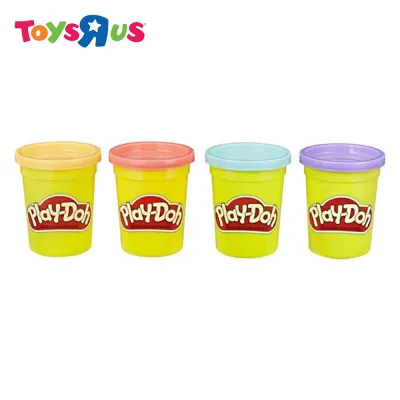
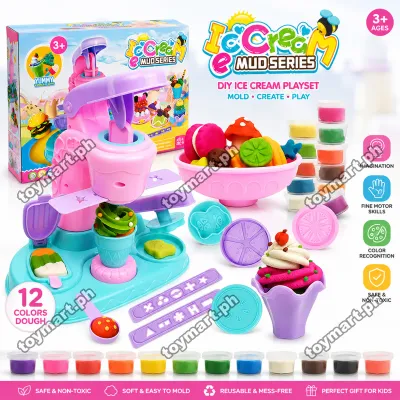
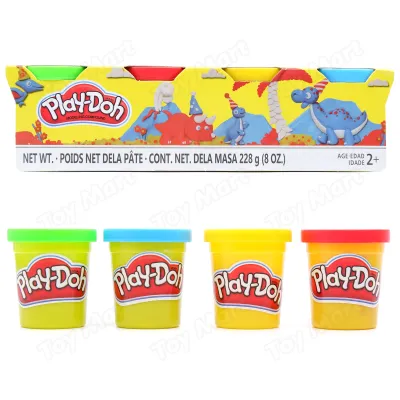
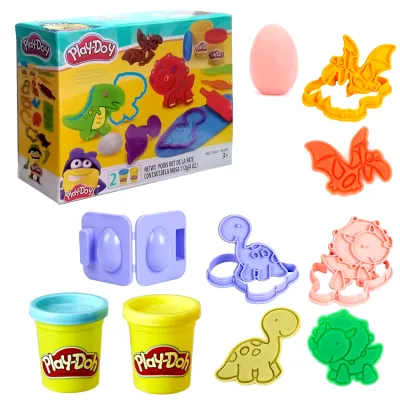
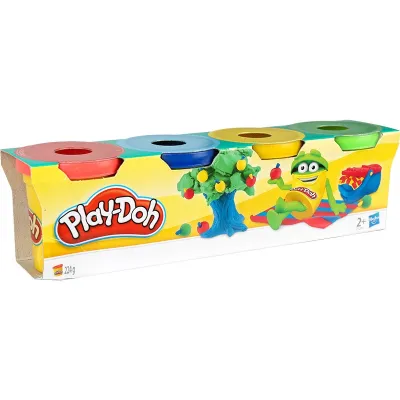
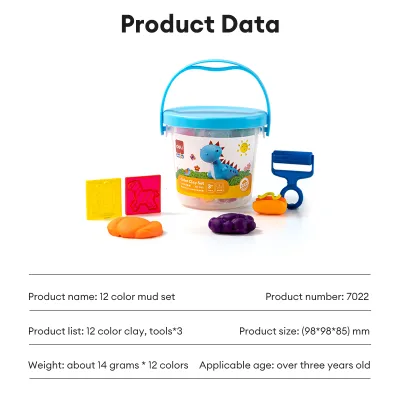
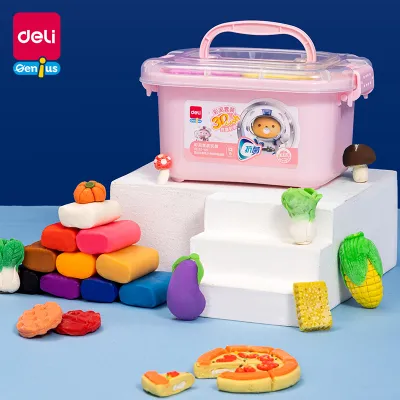
Prices are valid at publication and may change. Please refer to the product page for the latest price.

Flours and Starches
The bulk of any safe play dough is made from starches. Wheat flour is the industry standard because its gluten content provides excellent elasticity, structural integrity, and a smooth texture. For households managing wheat allergies or celiac disease, alternative starches like rice flour, cornstarch, or tapioca flour serve as excellent, non-toxic substitutes that behave similarly when combined with water and binders.
Water and Salt
Water acts as the primary solvent and hydrating agent, binding the flour particles together to form a cohesive dough. Salt is added in high concentrations to serve two critical purposes. First, it acts as a highly effective natural preservative by drawing moisture away from bacteria and fungi, preventing spoilage. Second, its intense, bitter saltiness serves as a natural taste deterrent, discouraging toddlers from eating more than a tiny, accidental bite.
Cream of Tartar
Cream of tartar, or potassium bitartrate, is a mild, food-grade acid commonly used in baking. In play dough, it acts as a physical stabilizer and texturizer. It prevents the salt from forming large, scratchy crystals over time, ensuring the dough remains velvety, highly pliable, and stretchy during play sessions.
Oils and Softeners
To keep the dough from drying out and becoming crumbly, manufacturers and home cooks add food-grade vegetable oils, such as canola, coconut, sunflower, or light mineral oil. These oils lubricate the starch molecules, helping the mixture retain its moisture and flexibility even when exposed to air. This is particularly helpful in warm, tropical climates where humidity levels fluctuate.
Colorants and Scents
Safe coloring agents include standard liquid or gel food dyes, as well as plant-derived powders like beet juice, turmeric, or spirulina. For scent, high-quality doughs use natural food flavorings, such as vanilla extract or highly diluted, food-safe essential oils. These options ensure that any oral contact does not expose your toddler to synthetic perfumes or industrial chemical solvents.
Harmful Ingredients to Avoid in Toddler Play Dough
Many modeling clays and cheap doughs designed for older children contain chemical additives that are unsafe for toddlers under three. Because young children frequently mouth their toys, several common industrial ingredients should be strictly avoided.
Borax, Boric Acid, and Sodium Tetraborate
Borax and its derivatives are commonly used in slimes and cheap modeling compounds as cross-linking agents to create a rubbery, bouncy texture. However, borax is a known gastrointestinal irritant and can cause systemic toxicity if ingested in significant quantities. It can also cause skin irritation or contact dermatitis when handled frequently, especially if a toddler has dry skin or minor scratches on their hands.
Synthetic Dyes and Heavy Metals
Low-cost, unbranded modeling clays imported from unverified sources may contain cheap industrial pigments. These pigments sometimes contain trace amounts of heavy metals like lead, cadmium, or barium, which pose severe developmental risks if ingested over time. Additionally, certain synthetic azo dyes can trigger localized skin allergies or contact dermatitis in sensitive children.
Harsh Preservatives
To extend shelf life indefinitely, some commercial brands use synthetic preservatives such as parabens, formaldehyde releasers, or isothiazolinones like methylisothiazolinone (MIT/CMIT). These substances are strong sensitizers that can cause severe skin irritation, rashes, or allergic reactions upon prolonged skin contact, and they are highly unsafe for oral exposure.
Artificial Fragrances and Phthalates
Synthetic fragrances are frequently added to commercial doughs to mask chemical odors, but they often contain phthalates to make the scent last longer. Phthalates are suspected endocrine disruptors that can interfere with hormonal development. Furthermore, strong synthetic perfumes can trigger respiratory irritation or asthma-like symptoms in sensitive toddlers.
Non-Food-Grade Softeners
Some low-cost modeling compounds rely on petroleum-derived mineral oils, kerosene-like distillates, or plasticizers to maintain flexibility. These industrial softeners are not safe for oral contact and can be harmful if swallowed even in small quantities.
How to Read Labels and Verify Safety Claims
Navigating product packaging requires looking past marketing slogans to find verifiable safety standards. Understanding how to decode labels helps ensure the product you bring home is genuinely safe for a young child.
The "Non-Toxic" Limitation
The phrase “non-toxic” is a regulatory term meaning that a product will not cause immediate, acute illness or death if a small amount is swallowed. It does not mean the product is food-grade, nor does it guarantee safety if a child repeatedly sucks on or swallows the dough over weeks or months. Always look for a full ingredient list rather than relying solely on a “non-toxic” claim.
Decoding the Ingredient List
Parents should look for clear, transparent ingredient disclosures. If a brand lists ingredients using clear terms, they can easily verify them. However, if a label uses vague terms like “colorants,” “preservatives,” or “proprietary formula,” it is safer to contact the manufacturer or opt for a brand with complete transparency.
Recognizing Legitimate Certifications
Look for recognized safety standards on packaging. The Art and Creative Materials Institute (ACMI) AP (Approved Product) Seal indicates that the material has been evaluated by a toxicologist and contains no materials in sufficient quantities to be toxic or injurious. Other international standards include ASTM D-4236 (standard practice for labeling art materials for chronic health hazards) and EN71 (the European standard for toy safety, specifically Part 3 which regulates heavy metal migration). Note that while these certifications guarantee safety against chemical hazards, they do not mean the product is edible.
Red Flags
Avoid products that lack any ingredient list, have a strong chemical or solvent-like odor, or are labeled “not suitable for children under 36 months” without a clear reason, as this warning often hides the presence of small parts or chemical formulations unsafe for toddlers who mouth toys.
Homemade vs. Store-Bought Play Dough: Safety and Shelf Life
Both homemade and high-quality commercial play doughs have distinct advantages and trade-offs regarding ingredient transparency, safety, and shelf life.
Homemade Advantages
Creating play dough at home using kitchen staples offers absolute transparency. Parents can control every ingredient, ensuring no synthetic chemicals are present, and can easily substitute ingredients if their child has specific food allergies (such as replacing wheat flour with rice flour).
Homemade Risks
The primary drawback of homemade play dough is the lack of robust, food-safe preservatives. Because it contains high moisture and starches, homemade dough is highly susceptible to mold, yeast, and bacterial growth. In tropical, humid environments like the Philippines, a batch of homemade dough without chemical preservatives can spoil or develop mold within a couple of weeks, presenting an ingestion risk.
Store-Bought Advantages
Reputable, high-quality commercial brands formulate their products with food-grade or highly safe preservatives that prevent microbial contamination over months of play. These products undergo rigorous stability testing to ensure they remain sterile even after repeated contact with toddler hands.
Store-Bought Risks
Choosing cheap, unbranded, or generic play dough from online marketplaces or discount stores carries a high risk of exposure to undisclosed chemicals, heavy metals, or allergens. Without strict quality control and clear labeling, these products may not meet basic safety standards.
Safe Storage, Spoilage Signs, and When to Throw It Away
To keep play dough safe and hygienic, proper maintenance and storage are essential. Taking simple precautions prevents the growth of harmful bacteria and mold.
Proper Storage Techniques
To maximize the lifespan of play dough, store it in clean, airtight containers immediately after use. Keep the containers in a cool, dry place away from direct sunlight, which can cause condensation and accelerate mold growth. Always have toddlers wash their hands with soap and water before and after playing to minimize the introduction of bacteria and food particles into the dough.
Identifying Spoilage
Regularly inspect the dough before letting a child play. Signs of spoilage include visible black, green, or white mold spots, a sour, yeasty, or alcohol-like odor, extreme stickiness, or the formation of hard salt crystals on the surface.
The Danger of Mold
Mold produces mycotoxins and spores that can cause respiratory issues, allergic reactions, or gastrointestinal distress if ingested. If any sign of mold is detected, the entire batch must be discarded immediately. Never attempt to scrape off the moldy portion or salvage the remaining dough, as microscopic mold hyphae penetrate deep into the soft material.
Hygiene and Surface Cleaning
Clean and sanitize the play table or high-chair tray before and after play dough sessions. This prevents the dough from picking up floor dirt or food crumbs, which act as nutrients for bacteria, and ensures that any residue left on the surface does not contaminate subsequent meals.
Frequently Asked Questions (FAQ)
Is play dough safe if my toddler eats it?
If the play dough is homemade from food-grade ingredients or is a certified organic, food-safe commercial brand, a small accidental bite is generally harmless, though the high salt content may cause mild thirst or temporary stomach upset. However, if the dough contains borax, unknown chemical preservatives, or industrial dyes, or if a child consumes a large quantity of salt-heavy dough, contact a pediatrician or a local medical professional immediately.
Can I use food coloring in homemade play dough?
Yes, standard liquid or gel food coloring is safe and non-toxic for homemade play dough. However, highly concentrated food dyes can temporarily stain toddlers’ hands, clothing, and porous play surfaces. To avoid staining, use natural, plant-based alternatives such as turmeric powder for yellow, beet juice for pink, or spirulina/spinach powder for green, which wash out easily and are completely safe.
What should I do if my child has a wheat allergy?
If your child has a wheat allergy or celiac disease, avoid traditional wheat-based play doughs, as toddlers frequently put their dough-covered hands in their mouths. Instead, look for certified gluten-free commercial play doughs or make your own using alternative bases such as rice flour, cornstarch, or tapioca starch. Always check store-bought labels carefully, as cross-contamination can occur in facilities that process wheat-based products.

Community discussion
Share your experience or ask a question. Comments are reviewed before publication.