
When purchasing modeling clay for school projects, professional sculpting, or recreational crafting, the label “non-toxic” is often the first thing buyers look for. However, in a market flooded with imported goods and local craft supplies, understanding what actually makes a clay safe requires looking past simple marketing buzzwords. In the tropical climate of the Philippines, where high humidity and warm temperatures can influence how materials behave, deteriorate, or interact with our skin, verifying safety standards is even more critical.
To ensure a modeling clay is truly non-toxic, you must look for specific independent certifications such as the Approved Product (AP) seal from the Art & Creative Materials Institute (ACMI), compliance with ASTM D-4236, or European EN-71 toy safety standards. Relying on verified labels protects crafters of all ages from exposure to harmful heavy metals, sensitizing preservatives, and unregulated plasticizers.
Understanding "Non-Toxic" Claims in Modeling Clay
To make an informed purchase, it is essential to understand that “non-toxic” does not mean a substance is completely chemical-free or edible. In the context of arts and crafts, a non-toxic designation indicates that a product does not contain hazardous materials in concentrations sufficient to cause acute or chronic health problems under normal, foreseeable conditions of use. Acute health issues include immediate reactions like skin rashes, chemical burns, or acute poisoning from accidental ingestion. Chronic issues, which are often more insidious, involve long-term risks such as organ damage, reproductive issues, or allergic sensitization that develop after repeated exposure over months or years.
Products mentioned in this guide
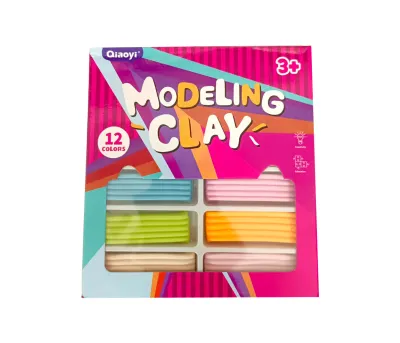
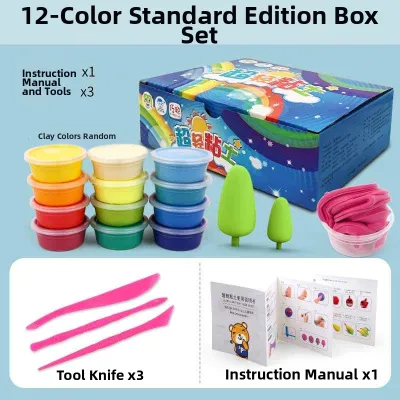
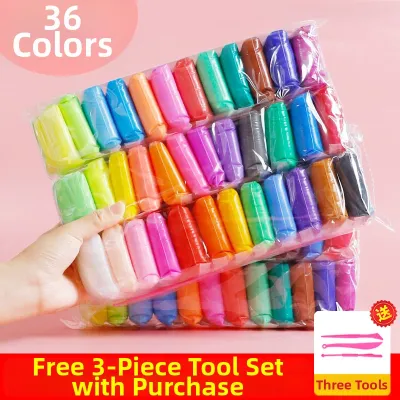
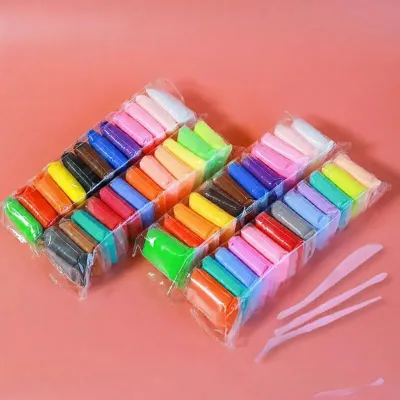
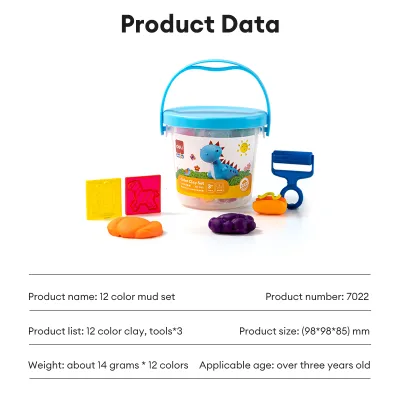
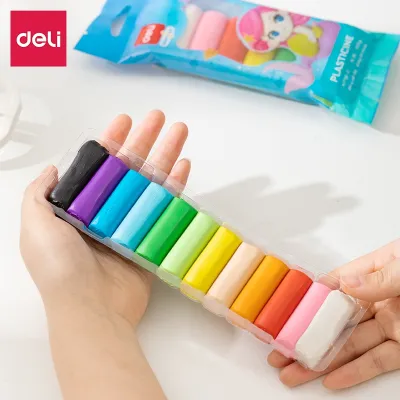
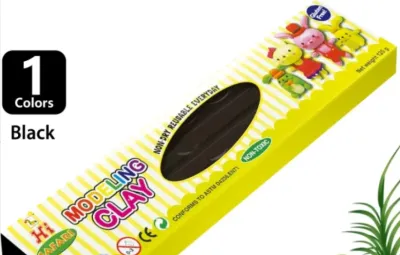
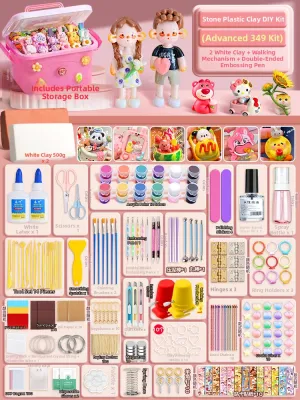
Prices are valid at publication and may change. Please refer to the product page for the latest price.
Relying solely on a manufacturer’s self-printed claim of “safe” or “child-friendly” is a significant risk. These terms are largely unregulated and can be placed on packaging as a marketing tactic without any independent scientific review. Genuine safety validation requires a formulation review by a credentialed toxicologist who assesses every ingredient, pigment, binder, and preservative against established medical databases.
Furthermore, safety thresholds vary based on the intended user. A professional sculptor working with oil-based plastiline clay understands the need for specific handling and tool hygiene. In contrast, a toddler playing with colorful dough is highly likely to put clay-covered fingers in their mouth, rub their eyes, or even attempt to swallow a small piece. Because young children have developing systems and a higher rate of hand-to-mouth contact, the safety standards applied to children’s craft materials must be exceptionally rigorous.
Key Safety Certifications for Modeling Clay
When evaluating modeling clay on store shelves or online marketplaces, look for specific, standardized seals of approval rather than generic text. These symbols indicate that the clay has undergone rigorous testing by independent laboratories to meet international safety benchmarks.

North American Standards (AP and CL Seals)
The Art & Creative Materials Institute (ACMI) is a non-profit association of art supply manufacturers that sponsors a comprehensive certification program. The most common seal you will encounter on safe modeling clays is the AP (Approved Product) seal. This seal certifies that the material has been evaluated by an independent toxicologist and contains no materials in sufficient quantities to be toxic or injurious to humans, including children, or to cause acute or chronic health problems.
You may occasionally see references to the CP (Certified Product) seal in older crafting guides or on vintage stock. The CP seal historically indicated that a product met both safety standards and specific quality and performance benchmarks. To simplify the labeling process and reduce consumer confusion, the ACMI phased out the CP seal, consolidating its safety certifications under the AP seal. Therefore, modern safe clays will feature the AP seal rather than the CP mark.
In contrast, some professional-grade clays carry the CL (Cautionary Labeling) seal. The CL seal indicates that the product is safe for adult use but requires specific precautionary labeling because it contains ingredients that could be harmful if misused. Clays with a CL seal are not suitable for young children and should only be used by adults or under strict, knowledgeable supervision, as they may contain specialized solvents, heavy metal pigments, or require precise baking conditions that pose inhalation or skin risks.
European Standards (EN-71 and CE Marking)
For products manufactured or distributed in Europe, the regulatory framework is highly stringent. The primary standard to look for is EN-71, which is the European safety standard for toys. This standard is divided into multiple parts, with EN-71 Part 3 being particularly relevant to modeling clay. Part 3 regulates the “migration of certain elements,” setting strict limits on how much lead, cadmium, barium, mercury, and other heavy metals can leach out of the clay if a child accidentally swallows it.
You will also frequently observe the CE (Conformité Européenne) mark on clay packaging. The CE mark is a mandatory conformity marking for products sold within the European Economic Area, representing the manufacturer’s declaration that the product complies with essential health, safety, and environmental protection requirements. However, it is important to understand that the CE mark is often a self-declaration by the manufacturer. To verify that the clay is truly safe for children, ensure that the packaging explicitly references compliance with the EN-71 testing suite alongside the CE mark.
General Testing Standards (ASTM D-4236)
In the United States, federal law requires all art materials to be evaluated for chronic toxicity and labeled accordingly. This requirement is governed by the ASTM D-4236 standard, established by the American Society for Testing and Materials. When a package states “Conforms to ASTM D-4236,” it indicates that a board-certified toxicologist has analyzed the clay’s chemical formulation for chronic hazards such as carcinogenicity, neurotoxicity, or reproductive toxicity.
Even if a modeling clay is labeled as non-toxic, look for this conformance statement on the back or bottom of the packaging. It serves as legal assurance that the manufacturer has submitted their product to a standardized toxicological review. If a clay lacks this statement, it may not have been evaluated for long-term health risks, making it an unreliable choice for regular classroom or home use.
Red Flags and Misleading Labels
Navigating the craft aisle requires a critical eye, as greenwashed marketing can easily mislead well-intentioned buyers. Terms like “natural,” “organic,” “plant-based,” or “eco-friendly” are frequently used to imply safety, but they do not guarantee chemical safety or non-toxicity. For instance, a clay made from natural earth clay or plant flour is indeed natural, but without proper preservation, it can quickly become a breeding ground for harmful molds, bacteria, and fungi. This risk is particularly pronounced in hot, humid climates like the Philippines, where moisture in the air accelerates organic decay. Furthermore, natural materials can still contain natural allergens, such as wheat gluten, which can trigger severe allergic reactions in sensitive individuals.
Another common point of confusion is the term “food-grade.” While food-grade ingredients are safe to ingest in dietary contexts, they do not automatically make a modeling clay safe for all types of creative use. Food-grade clays are not formulated to withstand prolonged skin contact without causing irritation in some users, nor are they tested for the safety of inhaling dust particles if the clay is sanded after drying. Additionally, a clay made of food-grade ingredients is not designed to be used as a food-contact surface, such as a plate or cup, because its porous nature can trap bacteria even after cleaning.
Consumers should be especially cautious of unbranded, uncertified bulk clays sold in generic plastic tubs or bags on online marketplaces. While uncertified clays imported from overseas might save you a few pesos (₱50 to ₱100 per set) on local online marketplaces, the potential exposure to heavy metals is not worth the minor savings. These products often arrive without any ingredient list, manufacturer contact information, or safety certifications. Because they bypass traditional retail safety checks, these clays may contain high levels of restricted phthalates (used as plasticizers to keep clay soft) or heavy metals that pose severe health risks to developing children.
Safe Usage and Handling Practices for All Clays
Even when you have verified that your modeling clay carries the appropriate AP, EN-71, or ASTM D-4236 certifications, safety does not end at the purchase stage. Proper handling, hygiene, and supervision are essential to prevent accidental exposure and maintain a healthy crafting environment.
First and foremost, “non-toxic” must never be equated with “edible.” While a certified non-toxic clay will not cause acute poisoning if a tiny amount is accidentally swallowed, it is still a choking hazard and can cause gastrointestinal discomfort or blockages if ingested in larger quantities. Always supervise young children closely during play, and establish a clear rule that crafting materials are never to be placed in the mouth.
Establishing good hygiene habits is equally vital. Ensure that crafters wash their hands thoroughly with soap and clean water both before and after handling clay. Washing hands beforehand prevents introducing dirt, food oils, and bacteria into the clay, which can spoil the material. Washing hands afterward removes clay residue, pigments, and binders from the skin, preventing accidental transfer to the eyes, nose, or mouth. If children are prone to touching their faces during activities, keep wet wipes nearby for quick cleanups.
Always check the ingredient list for potential allergens. Many popular play doughs and air-dry modeling compounds use wheat flour as a base, which poses a risk to children with celiac disease or severe wheat allergies through accidental ingestion or skin contact. Additionally, some clays contain synthetic fragrances or specific preservatives that can trigger contact dermatitis in individuals with sensitive skin. If you are unsure of a clay’s compatibility with a child’s skin, perform an observable trial: apply a small pinch of the clay to the inside of the forearm for a few minutes and monitor for any signs of redness or irritation before proceeding with full-scale play.
Furthermore, the physical performance of your clay depends heavily on its specific material composition. Smoothness, drying speed, and water resistance vary by brand and clay type. Before starting a large project, perform a simple trial by letting a small, grape-sized ball of clay dry or bake according to the package instructions. This allows you to observe its shrinkage, drying speed, and structural integrity first-hand.
Finally, pay close attention to the drying and curing requirements of the specific clay type. If you are using polymer clay, which requires baking to harden, always follow the manufacturer’s precise temperature instructions. Overheating polymer clay can burn the material, releasing irritating hydrochloric acid fumes that can cause respiratory distress. Ensure your kitchen or crafting space has excellent ventilation—such as open windows or an exhaust fan—and use a dedicated oven thermometer to verify that your oven does not exceed the recommended temperature. If using air-dry clay, allow it to dry in a well-ventilated area away from direct heat sources to prevent cracking and uneven shrinkage.
Frequently Asked Questions (FAQ)
Is polymer clay considered non-toxic?
Yes, polymer clay is generally certified as non-toxic when used strictly according to the manufacturer’s instructions. Because it is made of polyvinyl chloride (PVC) and liquid plasticizers, it is safe to handle with bare hands, but it must never be ingested. It is critical to bake polymer clay at the exact temperatures specified on the packaging; overheating or burning the clay can release irritating fumes that require immediate ventilation. Additionally, polymer clay is not certified for food contact, so any tools, rollers, or baking sheets used for clay should be dedicated solely to crafting and never reused for preparing food.
Can I use non-toxic modeling clay for food molds?
No, non-toxic modeling clay should never be used to create molds for food items like chocolate, fondant, or ice. Even if the clay carries an AP or EN-71 safety seal, these certifications only verify that the material is safe for normal arts and crafts use, not that it is safe for direct food contact. Modeling clays are highly porous and can harbor harmful bacteria, mold, and dust within their microscopic crevices. Furthermore, the chemical plasticizers, binders, or pigments in the clay can migrate into the food material, posing a chemical contamination risk. For food molds, always use certified food-grade silicone or materials specifically labeled as safe for food contact.

Community discussion
Share your experience or ask a question. Comments are reviewed before publication.