
Selecting beads for children’s arts and crafts requires a careful balance between creative fun and physical safety. To ensure a bead crafting kit is safe, parents must perform three essential checks before buying: verify that the bead dimensions exceed standard choking hazard thresholds, confirm the materials carry verified non-toxic certifications, and match the kit’s complexity to the child’s specific developmental stage rather than relying solely on the box’s age label.
Assessing Choking Hazards and Physical Dimensions
Small parts are the leading hazard in children’s crafts, making physical dimensions the first line of defense. Any object that can fit entirely inside a standard small parts cylinder—which measures approximately 3.17 centimeters (1.25 inches) in diameter—poses a severe choking risk for children under three years old, as well as older children who still habitually place items in their mouths. When shopping, look for explicit “small parts” warning labels, which manufacturers are legally required to print on packaging for toys containing components below this size threshold.
To perform a practical check at home, parents can use a standard cardboard toilet paper roll as a rough guide. If a bead passes completely through the tube without stopping, it is too small for unsupervised play by toddlers or younger children. While this home test is not a replacement for official laboratory testing, it serves as an excellent, immediate screening tool for household safety.
Products mentioned in this guide
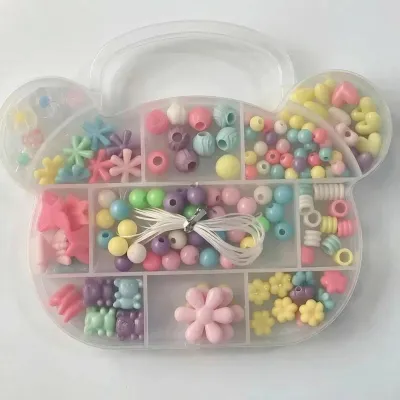
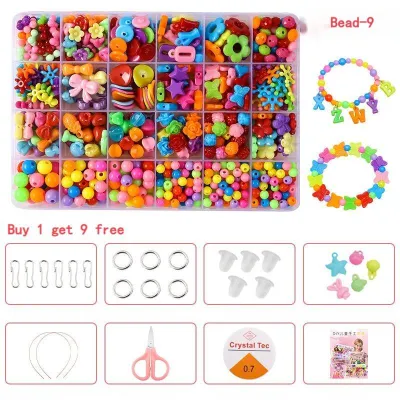
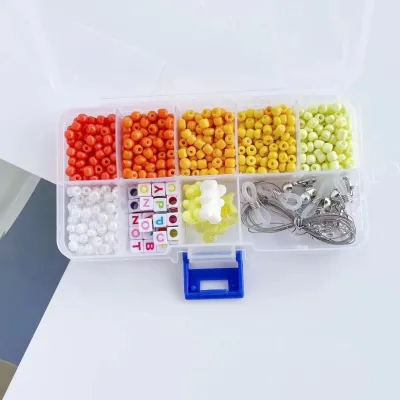
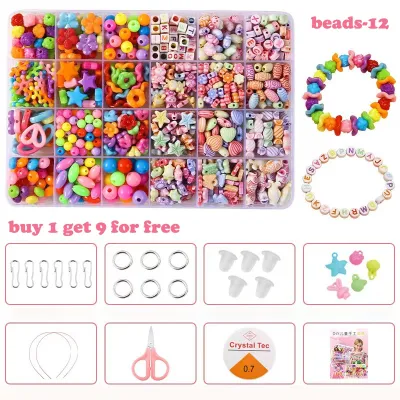
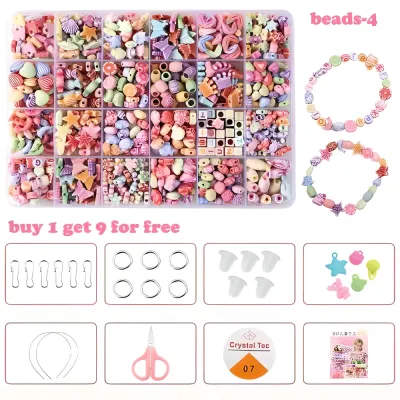
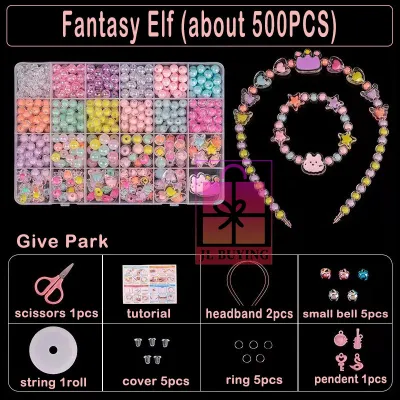
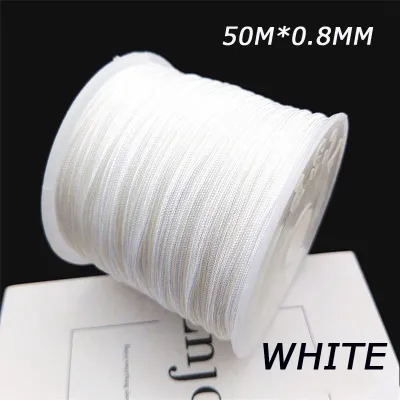
Prices are valid at publication and may change. Please refer to the product page for the latest price.
Beyond overall size, the shape and structural integrity of the beads play a critical role in physical safety. Perfectly round, smooth beads are more likely to slide deep into a child’s airway if accidentally inhaled, making them highly dangerous. Furthermore, cheap plastic beads can be brittle; if a child steps on or bites them, they can easily shatter into sharp shards that present both choking and laceration hazards. Inspect beads before purchase to ensure they are solid, robust, and free from visible cracks or weak points.
Verifying Material Toxicity and Chemical Safety
Craft supplies sourced from unverified online marketplaces can sometimes contain hidden chemical hazards, making material verification essential. Parents should actively look for recognized non-toxic compliance marks on the product packaging. The most common international standards include ASTM D-4236, which indicates that the art materials have been evaluated by a toxicologist for chronic hazards, and EN71, the European safety standard for toys.

Avoid beads that exhibit a strong, pungent chemical odor upon opening. A heavy plastic or solvent smell often indicates the presence of volatile organic compounds (VOCs) or high levels of phthalates, which are chemical plasticizers sometimes used to soften plastics. Phthalates are heavily restricted in certified children’s toys due to their potential endocrine-disrupting effects, so any strong-smelling plastic craft kit should be avoided.
Inspect painted or coated finishes closely before allowing children to handle them. In warm, humid tropical climates, moisture and sweat from a child’s hands can accelerate the degradation of low-quality paints and metallic coatings, causing them to flake or peel. If a child puts these peeling beads in their mouth, they risk ingesting paint chips that may contain heavy metals like lead or cadmium.
For a safer crafting experience, opt for high-quality, natural alternatives. Untreated, finely sanded natural wood beads or food-grade silicone beads are excellent choices. These materials are naturally free from harmful synthetic coatings, highly durable under normal play conditions, and do not pose the chemical risks associated with cheap, painted plastics.
Matching Age Warnings to Developmental Readiness
Manufacturer age recommendations are not merely indicators of a child’s artistic capability; they are legally mandated safety thresholds. A “3+” warning almost always indicates the presence of small parts that pose a choking hazard. However, because children develop at different rates, parents must assess their own child’s individual behavioral habits rather than relying solely on the box’s age label.
Some four- or five-year-olds still frequently explore objects with their mouths, especially if they are teething or have sensory-seeking tendencies. If a child still regularly mouths toys or household items, they should not be given small beads, regardless of the age rating on the packaging. Close observation of your child’s play habits is the most reliable way to determine if they are ready for smaller craft components.
For toddlers and younger preschoolers, large lacing beads are the ideal starting point. These beads typically measure between 2 and 5 centimeters in diameter and feature wide, pre-drilled holes. They allow young children to practice bilateral coordination and the pincer grasp safely, without the risk of accidental swallowing.
As a child demonstrates consistent impulse control and refined motor skills, parents can plan a gradual transition to smaller materials. Move from jumbo wooden lacing beads to medium-sized pony beads, and eventually to small seed beads or glass beads. This transition should only occur when the child is mature enough to understand that craft supplies must never enter the mouth, nose, or ears.
Inspecting Stringing Materials and Craft Hardware
A bead crafting kit is only as safe as the materials holding it together. Weak or brittle stringing materials can snap easily during play, scattering dozens of tiny choking hazards across the floor. Parents should test the elasticity and tensile strength of any included cords before letting children use them.
Cheap rubber bands or thin elastic cords degrade rapidly in hot, humid environments, losing their elasticity and snapping unexpectedly. Look for thick, fabric-wrapped elastic cords or durable nylon threads that resist fraying and breaking. These materials hold knots securely and are much less likely to fail under the tension of active play.
Avoid complex or sharp metal hardware when selecting kits for younger children. Small jump rings, lobster clasps, screw clasps, and rigid metal wire can scratch sensitive skin, pinch fingers, or be easily swallowed if they break loose from the jewelry.
Instead, select child-friendly stringing alternatives that do not require sharp needles or metal findings. Thick cotton yarn, plastic lacing cords, or stiffened felt strips are excellent options for beginners. These materials are easy for small hands to manipulate, highly resistant to snapping, and do not introduce secondary physical hazards to the craft session.
Establishing Safe Storage and Supervision Rules
Even the safest beads can become hazardous if they are left scattered around the home. Safe crafting requires strict organizational habits and clear household rules. Store all bead supplies in secure, airtight plastic containers with locking latches to prevent accidental spills.
Keep these storage containers on high shelves completely out of reach of younger siblings, toddlers, or curious household pets who might mistake colorful beads for food. Never leave a bead kit open or unattended on a low table or floor space where a toddler could easily access it.
Designate a specific, well-lit crafting area, such as a clean dining table or a flat tray on the floor. This keeps the beads contained in one predictable space and prevents them from rolling under furniture, deep into carpets, or onto floor mats where they might be missed during cleanup.
Implement a strict cleanup routine at the end of every crafting session. Conduct a thorough sweep of the work area and the surrounding floor, checking under chairs and table legs. A quick sweep with a flashlight held flat against the floor can help highlight the shadows of any stray beads that may have rolled away.
Frequently Asked Questions (FAQ)
Are wooden beads safer than plastic beads for toddlers?
Wooden beads are not universally safer than plastic beads; their safety depends entirely on their manufacturing quality. High-quality, untreated, or vegetable-dyed wooden beads are excellent because they do not contain synthetic chemicals or plasticizers. However, low-quality wooden beads can splinter, presenting a physical hazard to a toddler’s hands and mouth. Plastic beads, on the other hand, are highly durable and do not splinter, but cheap options may contain harmful chemical additives or break into sharp shards if stepped on. Always inspect wooden beads for a smooth, splinter-free finish and verify that plastic beads are certified non-toxic.
What should I do if my child swallows a small bead?
If a child swallows a bead and is coughing, wheezing, or struggling to breathe, they may be choking; perform immediate age-appropriate first aid and seek emergency medical care immediately. If the bead has been swallowed completely into the stomach and the child is breathing normally, do not induce vomiting or force them to drink large amounts of water. Monitor the child closely for symptoms such as abdominal pain, vomiting, drooling, or difficulty swallowing. Contact your pediatrician or a local medical professional for guidance, as certain materials—such as water-expanding beads or metallic beads—require immediate medical evaluation even if the child appears fine.

Community discussion
Share your experience or ask a question. Comments are reviewed before publication.