
Choosing the right blue ribbon for your gift wrapping depends on the visual style, structural needs, and wrapping paper texture of your project. Satin, organza, and grosgrain each offer distinct physical properties that alter how a gift looks and handles. Satin provides a classic, high-gloss shine and a fluid drape that feels luxurious, making it excellent for formal presentations. Organza offers a sheer, lightweight transparency that adds an airy, delicate layer without overpowering the underlying wrapping paper. Grosgrain features a heavy, ribbed texture with a matte finish that provides exceptional grip and structural stability, making it ideal for heavy packages or rustic designs. By matching these material characteristics to your specific wrapping paper and gift box, you can create a beautifully balanced presentation that withstands handling and tropical humidity.
Understanding the Visual and Tactile Differences in Ribbon Materials
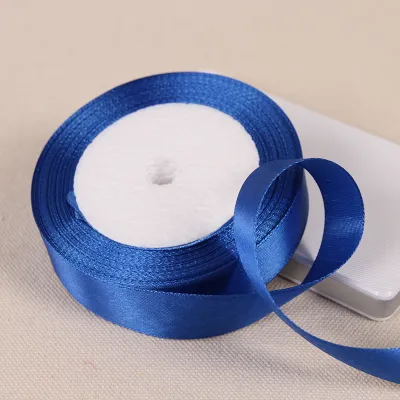
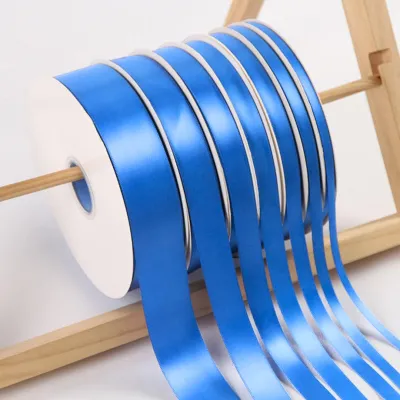
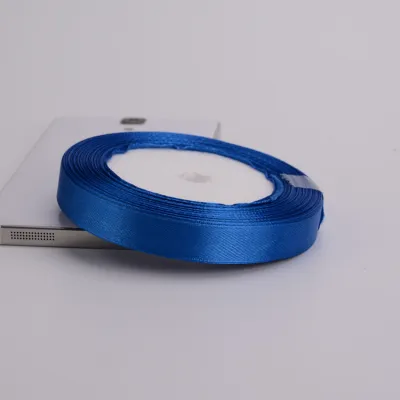
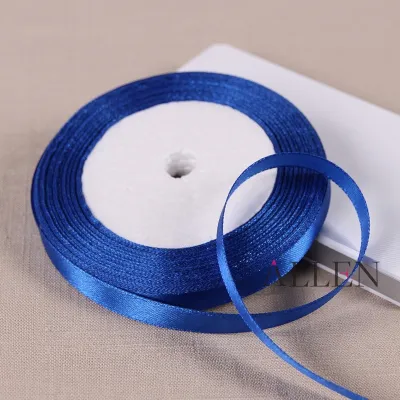
To select the right blue ribbon, you must first understand how light interacts with each material and how the fabric behaves in your hands. Satin is characterized by its highly reflective, smooth surface. This glossy finish catches the light dramatically, emphasizing the depth of the blue dye, whether you choose a deep royal blue, a bright cyan, or a soft pastel sky blue. Tactilely, satin is incredibly fluid and slippery, with a limp drape that naturally falls into soft, cascading folds. However, this lack of friction means the material requires careful handling to prevent knots from slipping loose during transport.
Organza presents a stark contrast with its sheer, plain-weave construction. Made from fine, tightly twisted yarns, organza is semi-transparent, allowing the color and pattern of the wrapping paper underneath to show through. This transparency creates a subtle, multi-toned blue effect when layered over different colored papers. Despite its delicate appearance, organza possesses a surprisingly crisp, stiff hand. The fabric has a springy resilience that resists collapsing, allowing it to hold voluminous, airy shapes even when exposed to warm, humid air.
Products mentioned in this guide
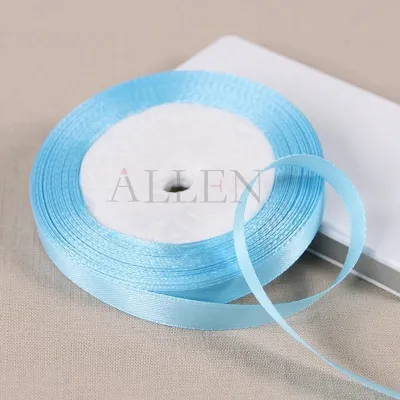
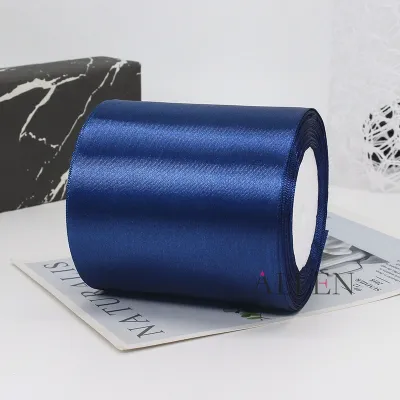
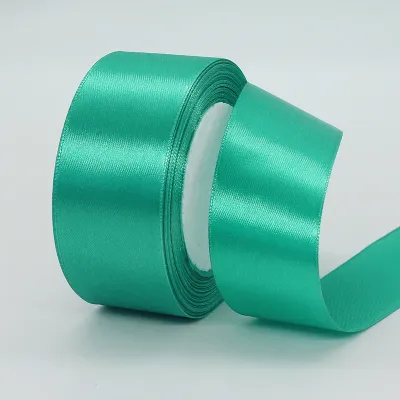
Prices are valid at publication and may change. Please refer to the product page for the latest price.
Grosgrain is easily identified by its distinctive ribbed appearance, created by heavy weft yarns that run crosswise through the weave. This structure gives grosgrain a completely matte finish that absorbs light rather than reflecting it, highlighting the rich, solid saturation of the blue pigment. Tactilely, grosgrain is thick, sturdy, and highly textured. The ribbed surface creates natural friction, making it the easiest ribbon to tie because the loops grip each other securely. When evaluating these materials in a stationery store, look closely at the weave density; a high-quality ribbon will have a tight, uniform weave with clean, woven edges that resist pulling or splitting when tension is applied.
Matching the Ribbon Texture to Your Gift and Wrapping Paper
A successful gift presentation relies on a thoughtful contrast of textures between the wrapping paper and the ribbon. When using smooth, high-gloss wrapping paper, a matte grosgrain ribbon provides a strong visual anchor, preventing the package from looking overly reflective or slippery. Conversely, if you are wrapping a gift in matte, textured, or handmade kraft paper, a glossy blue satin ribbon introduces a striking touch of elegance and contrast. Organza works beautifully with patterned wrapping papers, as its sheer nature softens the design underneath without completely obscuring the print, making it a versatile choice for intricate floral or geometric patterns.

The physical weight and shape of the gift box should also dictate your ribbon choice. Heavy, structured boxes with sharp, rigid corners require a durable ribbon like grosgrain. Grosgrain can withstand the tension of being pulled tightly over sharp cardboard edges without tearing or wearing thin. For lightweight, delicate, or irregularly shaped gifts—such as a soft pouch or a small jewelry box—organza is highly suitable. Its lightweight structure wraps gently around soft contours without crushing the packaging or adding unnecessary bulk.
Finally, consider the formality and environmental conditions of your gifting occasion. In tropical climates where high humidity can cause thin wrapping papers to lose their crispness, a heavy, structured ribbon like grosgrain can help maintain the overall shape and integrity of the package. Satin is traditionally favored for formal events such as weddings, anniversaries, or corporate milestones, where its luxurious sheen conveys a premium quality. Organza, with its playful and light aesthetic, is perfect for casual celebrations, baby showers, or outdoor gatherings where a breezy, effortless look is desired.
Techniques for Tying and Securing Satin, Organza, and Grosgrain
Working with different ribbon materials requires adjusting your tying technique to accommodate their unique physical properties. Satin, while beautiful, is notoriously slippery. To secure a satin bow, you must maintain constant tension while pulling the knot tight. If the knot tends to slip, try double-tying the base knot before forming the loops, or discreetly place a small double-sided adhesive dot under the center of the knot to lock it against the wrapping paper. This prevents the bow from unraveling when the gift is handled or moved.
Edge management is critical to preventing your blue ribbon from looking messy or frayed. When cutting satin, always use extremely sharp fabric shears and cut at a precise 45-degree angle or a clean V-shape. This diagonal cut reduces the exposure of the warp threads, significantly slowing down the fraying process. Organza, with its stiff, sheer edges, can be difficult to cut cleanly if your scissors are dull. Ensure your blades are sharp to avoid pulling the delicate horizontal threads, which can cause unsightly puckering along the cut edge.
The inherent stiffness of each material also dictates how you should shape and volume your bows. Organza’s natural springiness makes it ideal for creating large, multi-looped pom-pom bows that stand upright and retain their volume over time. Grosgrain, with its stiff, ribbed body, is perfect for structured, flat-laying bows or classic preppy designs where the loops must stand out stiffly to the sides. Satin, on the other hand, excels at creating soft, elegant, drooping bows with long, flowing tails that drape gracefully down the sides of a large gift box.
What to Check When Buying Blue Ribbon Online or In-Store
When shopping for blue ribbon at local stationery stores or online marketplaces, a few key quality checks will ensure you purchase a durable and easy-to-use product. First, inspect the consistency of the blue dye across the entire roll. Low-quality ribbons often suffer from uneven dye saturation, resulting in pale streaks, blotches, or a noticeable color gradient from the outer layers to the inner core. If shopping online, read customer reviews to verify if the blue shade matches the product photos, as lighting differences can make a navy blue look royal blue or vice versa.
Next, examine the edge construction of the ribbon. High-quality ribbons feature woven, factory-sealed edges (often referred to as monofilament or woven edges) that prevent the sides from fraying during handling. Avoid ribbons with raw, heat-slit edges, as these are highly prone to unraveling the moment you begin tying a knot. If you are buying organza, check if the edges are reinforced with a thin wire; wired organza is incredibly easy to shape and mold, making it a favorite for beginners, while non-wired organza offers a softer, more natural drape.
Finally, always verify the exact width and length specifications of the roll before purchasing. A standard gift box typically requires about 1.5 to 2 meters of ribbon for a basic wrap and bow, but larger boxes or complex multi-loop bows can easily require 3 meters or more. Ribbons are commonly sold in widths ranging from 6mm (1/4 inch) for delicate packages to 38mm (1.5 inches) or wider for dramatic, large-scale wrapping. Prices typically range from ₱30 for basic rolls to ₱250 for premium wired options at local stationery shops, so plan your budget according to your project’s scale.
Frequently Asked Questions (FAQ)
Which blue ribbon material holds a bow shape the best?
Grosgrain and wired organza are highly effective options for holding a precise bow shape over an extended period. Grosgrain’s thick, ribbed texture provides excellent structural memory, allowing loops to stand firm without drooping or sagging. Wired organza uses a very fine wire along the edges, allowing you to bend, fluff, and shape the loops exactly how you want them, and they will remain in place even if the package is jostled. Standard satin, due to its soft and fluid nature, tends to collapse under its own weight, making it better suited for flat, tailored bows rather than voluminous, upright shapes.
How do I stop the cut edges of blue organza ribbon from fraying?
To prevent the raw cut edges of blue organza from fraying, you can apply a small amount of commercial fray-prevention liquid directly to the cut end. Always follow the manufacturer’s instructions regarding drying time, ventilation, and safety. Alternatively, you can perform a quick heat-sealing technique. Carefully pass the cut edge of the synthetic organza ribbon near a small flame for a fraction of a second to melt the fibers together. Always test this method on a hidden scrap piece of ribbon first to ensure the heat does not melt, scorch, or discolor the blue fabric, and perform this task in a well-ventilated area away from flammable materials.

Community discussion
Share your experience or ask a question. Comments are reviewed before publication.