
Choosing the perfect ribbon bow is the defining final step of gift wrapping, transforming a simple package into a memorable presentation. The ideal material depends entirely on your gift’s weight, the visual style you want to project, and how well the bow must survive handling and tropical humidity. While a glossy satin ribbon brings a classic, high-end elegance to formal gifts, a sturdy grosgrain ribbon offers unmatched structural integrity and a modern matte finish. Meanwhile, a sheer organza ribbon provides lightweight, airy volume that adds a delicate touch without overpowering your wrapping paper.
In warm, humid climates like the Philippines, selecting the right ribbon fabric also involves practical considerations. High humidity can cause softer, low-quality ribbons to lose their crispness and droop, while rough handling during transit can flatten a meticulously tied bow. By understanding the unique physical properties, aesthetic strengths, and durability of satin, grosgrain, and organza, you can confidently select a ribbon bow that remains beautiful from the moment it is tied to the moment it is unwrapped.
Core Characteristics of Satin, Grosgrain, and Organza Ribbons
Satin ribbon is instantly recognizable by its silky, ultra-smooth texture and brilliant light-reflecting surface. It is available in two primary varieties: single-faced satin, which is glossy on one side and matte on the reverse, and double-faced satin, which features a luxurious shine on both sides. Because of its silky finish, satin has a highly fluid drape, meaning it flows and falls naturally with a soft, liquid-like movement. However, this smoothness also makes it slippery to handle, requiring a tight, secure knot to prevent the bow from sliding loose.
Products mentioned in this guide
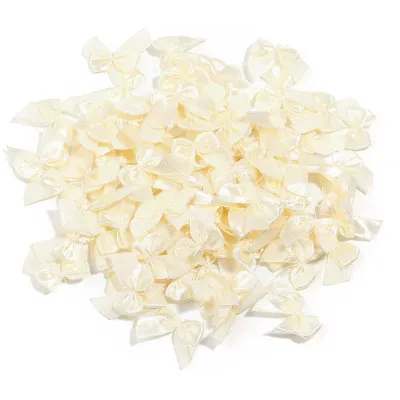
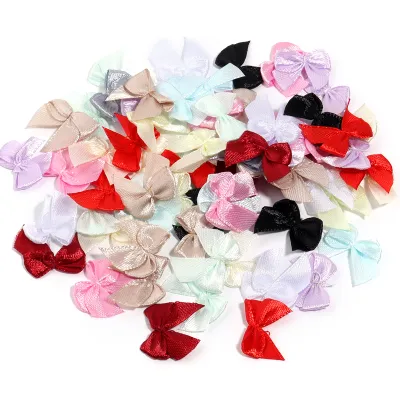
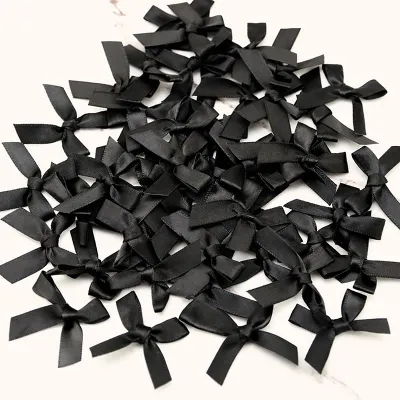
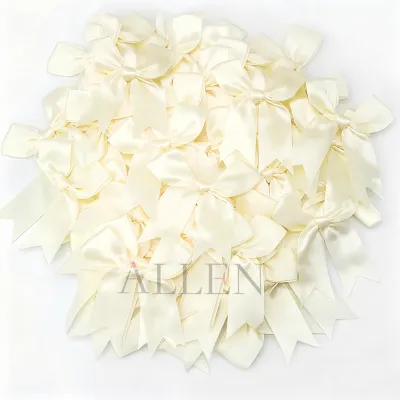
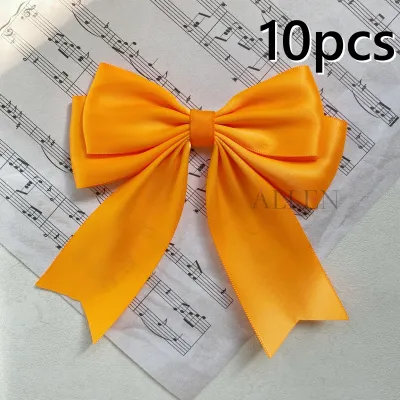
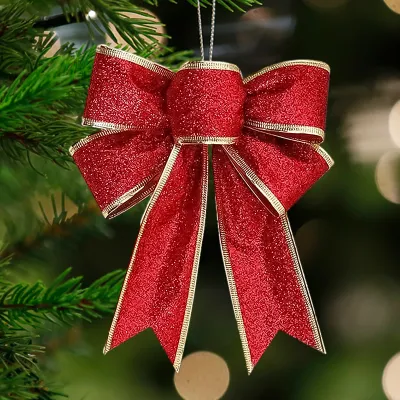
Prices are valid at publication and may change. Please refer to the product page for the latest price.
Grosgrain ribbon stands in stark contrast to satin with its distinctive ribbed texture and matte appearance. Woven with heavy weft threads, grosgrain features parallel horizontal ridges that give the fabric a tactile, corded feel. This unique structure makes grosgrain incredibly stiff and resilient compared to other ribbon types. The ribbed texture creates natural friction, which grips onto itself when tied, ensuring that knots stay firmly in place without slipping. It has very little drape, preferring to hold a rigid, structured form.
Organza ribbon is a sheer, translucent fabric made from tightly twisted fine fibers. It is incredibly lightweight and features a subtle, delicate shimmer rather than the bold glare of satin. Despite its airy appearance, organza has a naturally crisp, springy texture that allows it to hold its shape surprisingly well. It provides sheer volume, allowing the colors and patterns of the wrapping paper underneath to show through the loops of the bow.
When choosing among these materials, pay close attention to the edges of the ribbon. Cut edges are prone to rapid fraying, whereas woven or hemmed edges offer a clean, durable finish. Many ribbons also come with ultra-fine wire embedded along the edges. Wired ribbons are highly versatile, allowing you to sculpt, bend, and fluff the loops of your ribbon bow into complex, dramatic shapes that will not sag over time.
Matching the Ribbon Bow to Your Gift Type and Aesthetic
The visual style of your ribbon bow should harmonize with the theme of the occasion and the texture of your wrapping paper. Satin ribbons are the quintessential choice for formal, traditional, or highly elegant presentations. The smooth drape and lustrous finish of satin elevate gifts for milestone events such as weddings, grand debuts, and formal anniversaries. Satin pairs beautifully with high-gloss wrapping paper, metallic foils, or minimalist, solid-colored gift boxes where the ribbon itself serves as the primary decorative statement.

If your aesthetic leans toward rustic, modern, or casual designs, grosgrain ribbon is an exceptional match. Its matte finish and ribbed texture complement natural wrapping materials like brown kraft paper, textured cardstock, and woven gift baskets. Grosgrain is highly favored for corporate giveaways, holiday hampers, and everyday birthday gifts because it projects a clean, tailored, and professional look. It also works well with bold geometric patterns, as the matte ribbon provides a grounding contrast to busy designs.
Organza ribbon excels in romantic, whimsical, or highly delicate presentations. Because of its sheer, translucent quality, it is widely used for bridal shower favors, perfume bottles, cosmetics, and fresh floral arrangements. Organza adds a soft, cloud-like volume to a gift without making the packaging look visually heavy. If you are wrapping a gift with intricate, beautiful patterns, an organza bow is ideal because it enhances the presentation without obscuring the design on the wrapping paper.
Color opacity and contrast are also vital when coordinating your gift wrapping. A solid, opaque grosgrain or satin ribbon will create a sharp, defined border against your wrapping paper, making it excellent for color-blocking. In contrast, a sheer organza ribbon will blend with the background color, softening the overall look. Always hold a strip of the ribbon against your chosen wrapping paper under natural light to verify that the colors complement each other and that the ribbon has the desired level of visibility.
Evaluating Durability, Shape Retention, and Handling
Beyond aesthetics, a ribbon bow must be practical enough to withstand handling, transport, and environmental factors. Grosgrain is the undisputed leader in shape retention and durability. Thanks to its stiff, ribbed construction, a grosgrain bow will hold its loops upright and crisp without requiring any wire support. It is highly resistant to crushing, making it the best choice for gifts that must be packed into bags, stacked under other presents, or transported long distances in the back of a vehicle.
Satin, while undeniably beautiful, is highly susceptible to crushing and creasing. Once a satin bow is flattened, the creases are difficult to remove without gentle ironing, which can be impractical once the gift is fully wrapped. Furthermore, satin is prone to snagging on rough jewelry, dry skin, or the sharp corners of gift boxes, which can pull the delicate threads and ruin the glossy finish. Because satin is slippery, you must tie the initial knot with consistent tension to prevent the bow from slowly unraveling over time.
Organza offers a middle ground in terms of structure. Its crisp weave gives it a natural springiness, allowing loops to stand up beautifully. If an organza bow gets slightly flattened during transit, it can usually be fluffed back into shape with a quick manual adjustment. However, cheap or low-quality organza can easily fray at the ends if the edges are not properly sealed, and the delicate threads can snag if they come into contact with sharp objects.
If you plan to reuse your ribbons, grosgrain and high-quality double-faced satin are excellent investments. They can be untied carefully, smoothed out, and stored flat for future gifting occasions. Organza can also be reused, though it is more prone to permanent wrinkling if stored carelessly. To preserve the life of any ribbon bow, encourage the recipient to untie the knot gently rather than cutting through the fabric with scissors.
Decision Framework: Which Ribbon Bow Should You Choose?
To finalize your ribbon selection, use this straightforward decision framework to match your practical needs with the right material:
- Choose Satin if: Your priority is a luxurious, high-shine finish for a formal event, you prefer a soft and fluid drape, and the gift will be presented directly to the recipient without undergoing rough transit.
- Choose Grosgrain if: The bow needs to hold a rigid, upright shape, the gift will experience heavy handling or stacking, you prefer a modern matte aesthetic, or you are wrapping with rustic materials like kraft paper.
- Choose Organza if: You want to add lightweight, sheer volume, you are wrapping delicate or romantic items, or you want to layer ribbons without hiding the pattern of the wrapping paper underneath.
Before cutting your ribbon, always verify that the width of the fabric matches the scale of your gift box. As a general rule, small jewelry boxes pair best with narrow ribbons (around 1/4 inch to 1/2 inch), while medium to large shirt boxes and gift baskets require wider ribbons (1 inch to 2 inches or more) to look visually balanced. If you are attempting a complex, multi-loop bow design, check if the ribbon has wired edges, as this structural support is essential for keeping elaborate shapes from sagging in humid conditions.
Frequently Asked Questions (FAQ)
Can I combine different ribbon materials on a single gift?
Yes, combining different ribbon materials is an excellent way to add depth, texture, and visual interest to your gift wrapping. A popular technique is to use a wide, sturdy ribbon like grosgrain or satin as a flat base layer around the box, and then layer a narrower, sheer organza ribbon directly on top before tying them together into a single bow. This creates a beautiful contrast between matte and sheer, or glossy and translucent textures. When layering, ensure the ribbon widths are compatible so the bottom layer remains visible, and keep the knots as flat as possible to avoid excessive bulkiness.
How do I prevent my tied ribbon bow from losing its shape?
To keep your ribbon bow looking crisp and full, opt for wired-edge ribbons, which allow you to easily reshape and fluff the loops if they get flattened during transit. When storing or transporting wrapped gifts, always place them flat and avoid stacking heavy items directly on top of the bows. If you are using non-wired ribbons and require extra hold, you can check the manufacturer labels for fabric-safe stiffening sprays; testing a small mist on a ribbon scrap first ensures the spray will not stain, discolor, or alter the texture of your chosen material.

Community discussion
Share your experience or ask a question. Comments are reviewed before publication.