
Choosing the right scented stationery can transform a routine writing task into a calming, sensory experience. Whether you are journaling, drafting a personal letter, or organizing study notes, adding fragrance introduces a layer of mindfulness to your desk. However, deciding between scented ballpens and scented paper requires understanding how each medium delivers its aroma. Scented ballpens offer a highly localized, active fragrance that releases as the ink flows onto the page, making them highly portable and versatile. In contrast, scented paper provides a broad, ambient aroma embedded directly into the fibers, creating an immediate sensory impact the moment you open a notebook or envelope. To make the best purchase for your creative or academic routine, you must evaluate how these two options differ in scent delivery, longevity, practical application, and material compatibility.
Understanding How Scent is Integrated into Pens and Paper
To appreciate how scented stationery works, it helps to look at the manufacturing methods that lock fragrance into these everyday items. Scented ballpens generally rely on two primary delivery mechanisms. The most common method is infusing liquid fragrance directly into the ink reservoir. Whether the pen uses gel, oil-based, or water-based ink, the scent molecules are suspended within the fluid and remain dormant until the ballpoint rotates, drawing the ink onto the paper. Another method involves infusing the plastic or rubber of the pen’s barrel or grip with scented oils. This ensures that your hands carry the scent after writing, though the ink itself remains odorless.
Scented paper utilizes entirely different infusion techniques. Manufacturers typically apply fragrance using one of three methods: surface coating, pulp infusion, or microencapsulation. Surface coating involves spraying a fine mist of scented oils onto the finished paper sheets, which provides a strong initial aroma but can sometimes leave a slightly slick residue. Pulp infusion mixes the fragrance directly into the wet paper slurry during the manufacturing process, locking the scent deep within the paper fibers for a more uniform and lasting effect. Microencapsulation, often used in specialty scratch-and-sniff stationery, coats the paper with microscopic bubbles of scent that rupture only when subjected to physical friction, such as writing or rubbing.
Products mentioned in this guide
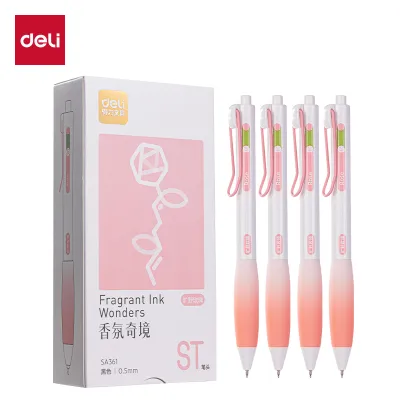
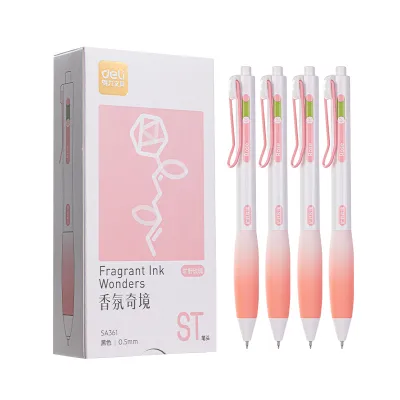
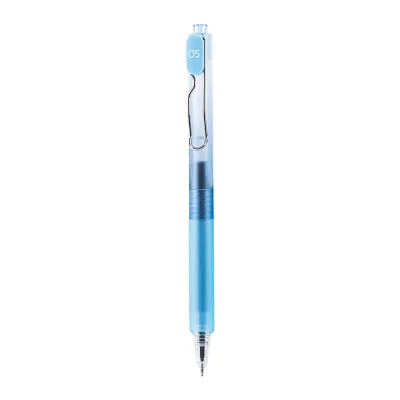
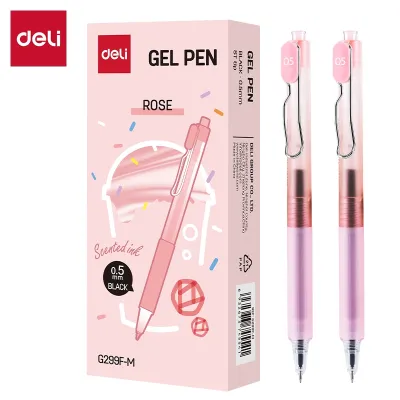
Prices are valid at publication and may change. Please refer to the product page for the latest price.
The primary functional difference lies in how you interact with the medium to trigger the scent. With a scented pen, the fragrance release is dynamic and localized; it depends entirely on the physical action of writing and the evaporation of the wet ink. With scented paper, the fragrance is static and ambient, releasing slowly into the surrounding air even when the paper is resting. Understanding these physical mechanisms is key to predicting how long the fragrance will last and how intense it will feel during your daily writing sessions.
Evaluating Scent Longevity and Intensity
Scent longevity is a major consideration, especially in tropical climates like the Philippines, where high temperatures and humidity can accelerate the evaporation of volatile fragrance oils. For scented ballpens, the ink reservoir is relatively protected from the elements while capped. However, once the ink is applied to paper, the scent begins to fade as the volatile compounds evaporate. Factors such as air exposure, UV light, and paper absorption rates play a significant role in how long the scent remains on the page. If you leave a written page exposed to direct sunlight or high airflow, the fragrance may dissipate within a few days, whereas a closed journal can preserve the scent for weeks.

Scented paper faces different longevity variables. Because the fragrance is distributed over a larger surface area, it is highly susceptible to environmental conditions. Unprotected sheets of scented paper stored in open air will lose their aroma quickly as the oils escape. To maximize longevity, look for scented paper packaged in airtight, resealable plastic sleeves or foil wraps. The weight of the paper, measured in grams per square meter (GSM), also influences scent retention; heavier, more porous papers can hold a higher volume of fragrance oils than thin, highly calendered sheets.
Intensity during active use also differs dramatically between the two. Writing with a scented pen provides an immediate, concentrated burst of fragrance directly beneath your nose as the fresh ink dries. This makes it an active, personal experience. Scented paper offers a more diffuse, ambient aroma that fills the immediate workspace. When evaluating products, check manufacturer specifications for terms like long-lasting fragrance or microencapsulated, and read user feedback on online marketplaces to gauge how quickly the scent fades under real-world conditions.
Matching Scented Stationery to Your Daily Use Cases
Selecting the right scented stationery depends heavily on your daily routines and creative projects. Scented ballpens are exceptionally well-suited for personal journaling, creative writing, and color-coding notes. For students and professionals, using different scents for different subjects—such as a mint-scented green pen for mathematics and a lavender-scented purple pen for literature—can create sensory associations that aid memory retention. The portability of pens also means you can carry your favorite aromas in a pencil case without worrying about damaging delicate sheets of paper.
Scented paper shines in craft-focused and communicative scenarios. It is an excellent choice for scrapbooking, origami, and crafting custom greeting cards or wedding invitations. Receiving a handwritten letter on subtly scented paper elevates the correspondence, making the physical act of opening the envelope a memorable event. The tactile nature of heavy, textured scented paper adds a premium feel to invitations that a standard pen cannot replicate.
However, both options come with practical limitations. Scented inks, particularly gel-based formulas, can have slower drying times on certain paper types, leading to smudging if you write quickly or are left-handed. Some scented papers feature glossy coatings that resist ink absorption, causing standard ballpoint pens to skip or smear. Scent fatigue is another factor; using highly intense floral or sweet scents during a multi-hour study session can become overwhelming.
Safety and sensitivity are also paramount, especially if the stationery is intended for children or individuals with respiratory sensitivities. Always check product labels for non-toxic certifications, such as the AP (Approved Product) seal from the Art and Creative Materials Institute (ACMI). Look for hypoallergenic claims and verify that the fragrances used are skin-safe, as your hands will be in prolonged contact with both the pen grip and the paper sheets.
Scented Ballpens vs. Scented Paper: Feature Comparison
To help you compare these two options at a glance, the table below outlines the core differences in scent delivery, application, and longevity.
| Feature | Scented Ballpens | Scented Paper |
|---|---|---|
| Scent Source | Infused ink or scented barrel/grip | Surface coating, pulp infusion, or microcapsules |
| Application Method | Localized line-by-line writing | Broad surface area (sheets, envelopes, cards) |
| Primary Longevity Factors | Cap seal, ink formula, UV exposure | Storage packaging, paper GSM, ambient humidity |
| Ideal Use Case | Journaling, study notes, color-coding | Letter writing, scrapbooking, paper crafts |
When shopping, use this practical checklist to verify product specifications before purchasing:
- Ink Type: Determine if the pen uses gel, oil-based, or water-based ink. Gel inks offer vibrant colors and strong scents but require longer drying times. Oil-based inks dry faster but may have a milder fragrance.
- Paper Weight (GSM): Ensure the scented paper has a sufficient weight (typically 80 GSM or higher) to prevent ink bleed-through, especially if you plan to write on it with heavy gel or fountain pens.
- Refill Availability: Check if the scented pen model supports refills. Purchasing refill cartridges is more sustainable and cost-effective than buying entirely new pens once the ink runs out.
- Packaging Quality: Opt for products that are sealed in airtight packaging, such as shrink-wrap or resealable foil pouches, to ensure the fragrance does not escape during transit or storage on retail shelves.
Decision Framework: Which Scented Stationery Should You Buy?
Making a final decision comes down to identifying your primary creative goals and physical constraints. You should choose scented ballpens if your main priority is flexibility. Pens allow you to introduce fragrance to any existing notebook, planner, or textbook without needing to buy specialized paper. They are also the superior choice if you enjoy switching between different scents frequently or want to use color-coding systems to organize your thoughts.
Conversely, you should choose scented paper if your goal is to create a fully immersive, tactile experience for yourself or a recipient. If you are crafting a scrapbook, folding origami, or sending a heartfelt letter, the physical medium itself carries the sensory message. Scented paper establishes an immediate mood before a single word is read.
However, neither option may be suitable if you require archival-quality documents. Scented inks and papers often contain volatile organic compounds and oils that can degrade paper fibers over decades, potentially causing yellowing or ink migration. If you are signing legal documents, archiving historical journals, or require strict acid-free guarantees, stick to standard archival-grade stationery.
If you plan to combine both scented pens and scented paper, always perform a quick compatibility test. Write a few test lines on an inconspicuous corner of the paper to check for ink bleed-through, feathering, or smudging. Some heavily coated scented papers may repel water-based inks, while highly acidic scented inks might feather on low-GSM paper. Testing first ensures your sensory writing experience remains clean and legible.
Frequently Asked Questions (FAQ)
Does Scented Ink Fade or Change Color Over Time?
Yes, scented inks can be more prone to fading or color shifts than standard archival inks. The chemical compounds used to create fragrances can sometimes react with light, air, and the natural acidity of the paper. Over time, UV exposure can break down both the pigment and the scent molecules, causing the writing to dim and the aroma to disappear. To minimize this, check the manufacturer’s packaging for lightfastness ratings and acid-free specifications. If you are writing something meant to last for years, store the finished pages in a dark, cool drawer away from direct sunlight and humidity.
Is Scented Paper Compatible with Standard Printers?
Using scented paper in standard inkjet or laser printers requires caution. Heavily coated or textured scented papers can cause paper jams or feed issues. Furthermore, the heat generated by laser printers can melt surface-applied fragrance oils or synthetic coatings, potentially damaging the printer’s internal rollers or fuser unit. For inkjet printers, the oils in the paper might repel water-based printer inks, resulting in blurry text or smearing. Always verify the paper weight (GSM) and coating type against your printer’s user manual before attempting to print, and opt for plain paper if the manufacturer warns against coated or treated media.

Community discussion
Share your experience or ask a question. Comments are reviewed before publication.