
Magic water painting sets have emerged as an exceptionally practical tool for elementary school art classes across the Philippines. In a typical classroom setting where time is limited and cleanup resources are minimal, traditional watercolor or tempera paint can lead to significant mess and lost instructional time. Magic water painting solves this challenge by utilizing water-reveal technology, allowing students to paint with plain water on specialized surfaces that temporarily change color. This approach is particularly well-suited to the tropical climate of the Philippines, where high humidity can affect how art supplies dry and behave. By understanding how to select and maintain these sets, educators can introduce an engaging, reusable, and completely mess-free medium to their art curricula.
How Magic Water Painting Supports Elementary Art Education
The core of magic water painting lies in its water-reveal coating technology. The drawing surface, whether a fabric mat or a cardboard book page, is treated with a specialized white hydrochromic layer. When dry, this layer is opaque and conceals a colorful background underneath. When a student applies water using a specialized pen or brush, the white layer becomes temporarily transparent, revealing the vibrant colors or hidden patterns beneath. As the water evaporates, the white layer becomes opaque once again, resetting the surface for the next drawing session. This cycle can be repeated hundreds of times, making it a highly sustainable resource for busy classrooms.
For elementary school teachers, the primary appeal of this technology is its mess-free nature. Traditional painting lessons require water cups, paint palettes, aprons, and extensive cleanup of desks, floors, and hands. With magic water sets, the only medium used is clean tap water. If a student accidentally draws on their desk, clothes, or skin, there is no pigment to leave a stain. This drastically reduces classroom cleanup time, allowing teachers to maximize actual instructional hours and transition smoothly to the next subject without the need for heavy scrubbing or specialized cleaning agents.
Products mentioned in this guide
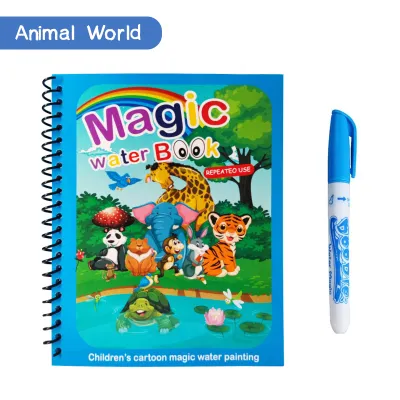

Prices are valid at publication and may change. Please refer to the product page for the latest price.
Beyond convenience, magic water painting offers significant developmental benefits for young learners. For kindergarten and early elementary students, holding the water pen helps develop fine motor skills and pencil grip in a low-pressure environment. Because the drawings are temporary, students can practice brush strokes, shapes, and letters without the frustration of making permanent mistakes. This encourages creative experimentation and builds artistic confidence, as any error will simply fade away in a few minutes, leaving a clean canvas for another attempt.
Core Features to Evaluate in Water Painting Sets
When procuring magic water painting sets for school use, durability is the most critical factor to evaluate. The water-reactive coating must withstand frequent, repetitive use by multiple classes of children. Lower-quality mats may peel, scratch, or lose their water-reactivity after only a few sessions. Look for mats with thick, multi-layered fabric backing and reinforced stitched edges that prevent fraying. The surface coating should feel smooth and resilient to the touch, indicating that it can handle the pressure of enthusiastic young artists without flaking off.

Safety is paramount when selecting tools for elementary students. Examine the design of the included water pens carefully. High-quality pens feature a reverse-thread design, meaning they screw open in the opposite direction of standard caps. This prevents children from easily opening the pens and spilling water or swallowing small parts. The pens must have leak-proof seals to ensure water only flows through the nib when pressure is applied. Ergonomic, chunky grips are also essential, as they are easier for small hands to hold and control, reducing hand fatigue during longer art sessions.
Always verify safety certifications and non-toxic material labels on the product packaging before making a purchase. Look for recognized international standards such as EN71 or ASTM D-4236, which indicate that the materials have been tested for heavy metals and harmful chemicals. Since students will have direct skin contact with the wet mats and may occasionally put the pen tips in their mouths, ensuring the entire product is non-toxic and lead-free is non-negotiable for school environments.
Consider the physical dimensions of the mats in relation to standard classroom furniture. In many Philippine elementary schools, students work at individual armchair desks or shared wooden tables. A mat that is too large will hang over the edges, leading to creases, water spills, and potential damage to the coating. Measure the usable surface area of the classroom desks and select mats that fit comfortably within those boundaries while still providing enough drawing space for students to express themselves freely.
Choosing the Right Set Configuration for Class Sizes
Selecting the right configuration depends heavily on your class size and budget. Single-student kits, which typically include one small mat and one pen, are ideal for individual use or for parents purchasing supplies for their own children. However, for a standard classroom of thirty to forty students, bulk educational packs are far more cost-effective and logistically efficient. These packs often contain multiple medium-sized mats, a larger quantity of pens, and shared accessories, reducing the overall cost per student and simplifying storage.
Evaluate the variety and quantity of accessories included in the sets. Many kits come with plastic stencils, foam stamps, and water rollers. While these accessories can enhance the lesson by teaching geometric shapes and patterns, they also represent more items that must be cleaned, organized, and stored. Ensure that any included stamps or stencils are made of durable, washable plastic and do not have sharp edges. It is also wise to choose sets that include spare water pens, as these are the components most likely to be misplaced or damaged over time.
Plan the logistics of how these materials will be distributed and collected during a standard forty-to-fifty-minute class period. Assigning specific students to distribute the dry mats while another group fills and hands out the water pens can save valuable minutes. Because the mats must dry before they can be stored, establish a designated drying area in the classroom, such as a clean counter or a clothesline with plastic clips, where mats can be placed immediately after the lesson ends.
Managing Classroom Logistics and Mat Maintenance
Smooth classroom logistics begin with proper pre-class preparation. Before the students arrive, fill the water pens with clean, room-temperature tap water. Avoid using warm or hot water, as this can warp the plastic components or degrade the adhesive holding the pen tip. To prevent minor drips, place a few absorbent towels or rags near the filling station. If students are old enough to fill their own pens, set up a central water station with small pitchers to minimize movement and potential spills around the classroom.
During the lesson, guide students on the proper way to use the water pens. Teach them to apply gentle pressure rather than pressing down hard, which can scratch or gouge the water-reactive coating. Emphasize that the pens only require water to work; students should never use saliva, juice, or other liquids on the mats. Instruct them to keep sharp objects, fingernails, and hard plastic toys away from the drawing surface, as physical scratches will permanently damage the hydrochromic layer and prevent it from revealing colors in those spots.
Post-class maintenance is crucial for extending the lifespan of magic water painting sets, especially in the humid tropical climate of the Philippines. High humidity can slow down the evaporation process, leaving mats damp for extended periods. If damp mats are stacked or packed away in airtight plastic bins, they can easily develop mold, mildew, or a musty odor, which will ruin the coating and pose health risks to students. Always allow the mats to air-dry completely in a well-ventilated area, away from direct sunlight, before stacking or storing them.
Establish a regular visual inspection routine to monitor the condition of the art supplies. Check the mats for signs of peeling, deep scratches, or persistent stains that do not fade when dry. Inspect the water pens for worn-out or frayed fiber tips, cracked barrels, or failing seals that cause leaks. Promptly remove any damaged items from circulation to maintain a high-quality learning experience and prevent water damage to school desks or student workbooks.
Final Procurement Checklist for School Art Supplies
Before finalizing any purchase, cross-check the manufacturer’s recommended age range against the specific grade level of your students. While magic water painting is highly suitable for preschool and early elementary grades, older elementary students may require more advanced sets with detailed stencils or larger drawing areas to keep them engaged. Ensuring the product matches the developmental stage of the class prevents boredom or frustration.
If purchasing in bulk, request or purchase a single sample unit first. Inspect the sample for overall build quality, accessory completeness, and packaging integrity. Test the water pen to ensure it fills easily, does not leak, and flows smoothly across the mat. Check that the mat’s colors are vibrant when wet and that the surface dries evenly without leaving watermarks or residue.
Review the supplier’s return and replacement policies, especially when ordering large quantities for a school or district. Defective units, such as pens with faulty valves or mats with uneven coatings, can occasionally occur during manufacturing. A reliable supplier should offer a straightforward process for replacing damaged or incomplete sets within a reasonable timeframe.
Plan your budget allocation by calculating the total cost in ₱ per student, keeping in mind the long-term reusability of the product. While high-quality magic water sets may have a higher initial unit cost compared to cheap paper sketchpads and basic watercolors, their ability to be reused hundreds of times makes them far more economical over the course of a school year. Factor in the cost of potential replacement pens and storage containers to arrive at a realistic, comprehensive budget.
Frequently Asked Questions (FAQ)
Can regular paintbrushes be used on magic water mats?
Regular paintbrushes can be used on magic water mats, provided they meet specific criteria. Always refer to the manufacturer’s guidelines, as some coatings are highly sensitive. If you choose to use traditional brushes, they must have extremely soft, synthetic bristles, such as those made of nylon. Stiff, coarse bristles or natural hog hair brushes can easily scratch and permanently damage the delicate water-reactive coating. Additionally, ensure the brushes are completely clean and free of any dried paint or pigment residue, as even tiny traces of old paint can stain the mat permanently.
How long does it take for the water drawings to disappear?
The time it takes for water drawings to fade depends heavily on environmental conditions and the amount of water applied. In the Philippines, where classroom humidity and temperatures are often high, evaporation rates can vary. In a well-ventilated classroom with open windows or active ceiling fans, drawings typically disappear within five to ten minutes. However, on rainy days with high ambient humidity, or if a student saturates the mat with excess water, it may take fifteen minutes or longer to dry. Teachers can manage lesson transitions by planning a short discussion or a quiet reading activity while the mats clear.
What should be done if a water pen leaks or stops working?
If a water pen leaks or stops working, perform a few basic troubleshooting steps. First, check that the pen is assembled correctly; remember that many water pens use a reverse-thread mechanism that must be turned counter-clockwise to tighten. Inspect the rubber O-ring or seal inside the cap to ensure it is properly seated and not cracked. If the pen tip stops flowing, it may be clogged with dust or paper fibers; try soaking the fiber tip in clean, warm water for a few minutes to clear the blockage. If the plastic barrel is cracked or the tip is severely frayed, discard the pen immediately to prevent leaks that could damage school furniture or student belongings.

Community discussion
Share your experience or ask a question. Comments are reviewed before publication.