
Selecting the right painting set with canvas for students in the Philippines requires balancing classroom requirements, material durability under tropical conditions, and overall value. A complete art kit should minimize the need for separate purchases while fitting easily within school bags and meeting curriculum guidelines. Because local classrooms often experience high humidity and limited workspace, choosing materials that resist moisture and fit comfortably on compact desks is essential for a successful artistic experience.
By focusing on practical evaluation criteria rather than brand names, parents and educators can find reliable tools that support a student’s creative growth. This guide outlines how to assess canvas textures, paint mediums, tool ergonomics, and sourcing options to build a dependable art kit.
Core Materials: Evaluating Canvas and Paint Types
Canvas selection plays a critical role in how paint behaves and how well the finished artwork survives over time. For student use, canvases generally come in pure cotton or synthetic polyester-cotton blends. Pure cotton canvas is highly absorbent and provides a traditional texture, but it is sensitive to the high relative humidity common in the Philippines. During the rainy season, unmounted cotton canvas can absorb atmospheric moisture, causing it to sag on its wooden frame or develop mold if stored in damp school lockers.
Products mentioned in this guide
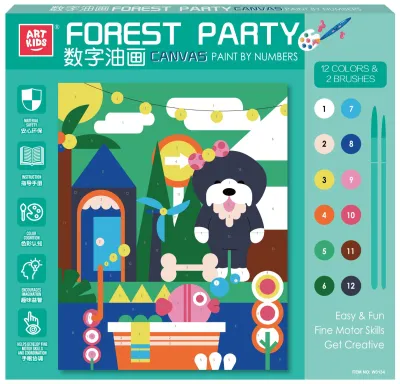
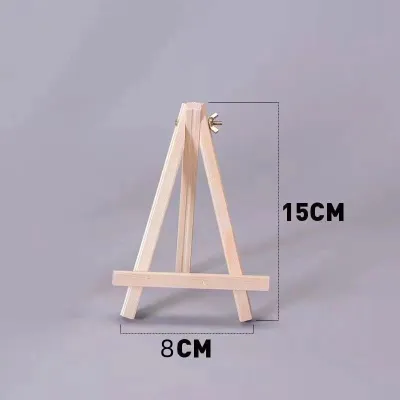
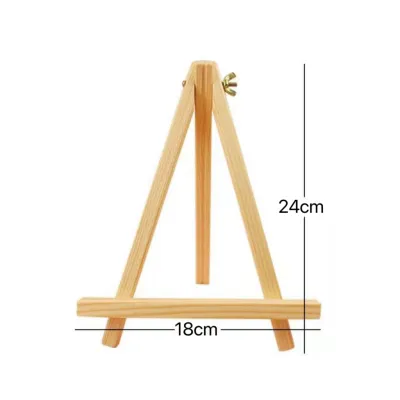
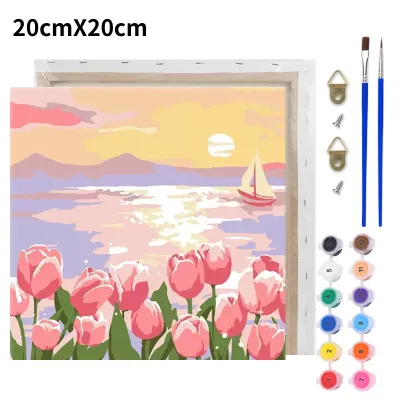
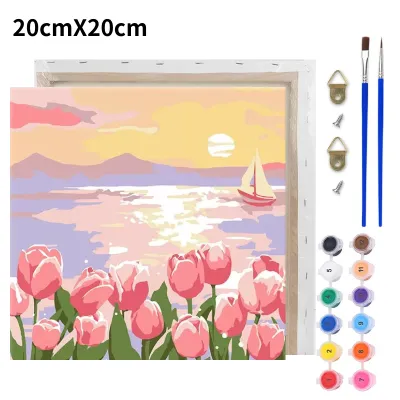
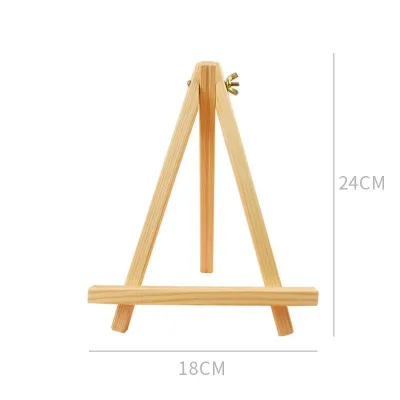
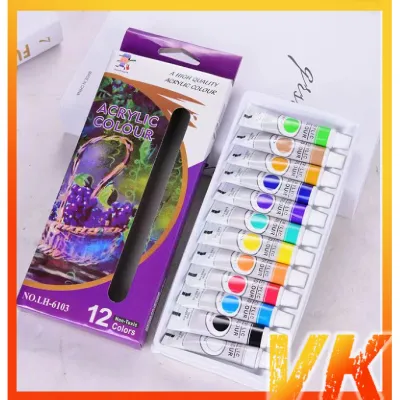
Prices are valid at publication and may change. Please refer to the product page for the latest price.
Synthetic polyester-cotton blends offer a practical alternative for school environments. These blended canvases are less prone to stretching or warping when humidity levels fluctuate, and they naturally resist fungal growth. When evaluating a painting set, check the product specifications for the canvas material and look for pre-primed options. A pre-primed canvas has already been treated with gesso, a primer that prevents the paint from soaking directly into the fabric fibers, ensuring vibrant colors and smooth brush strokes.
The choice of paint medium within the set must align with the student’s grade level and the classroom setting. Acrylic paint is widely considered the standard for school projects due to its versatility and fast drying time. It is water-soluble when wet, making cleanup easy with simple soap and water, but it becomes water-resistant once dry. This rapid drying speed is particularly beneficial in a school schedule, as it allows students to pack up their work at the end of a class period without smudging.
Watercolors require a different approach, as they rely on transparency and water flow. Standard acrylic-primed canvases are generally unsuitable for watercolors because the paint will bead up on the surface rather than absorbing. If a painting set features watercolors, verify that the included canvas is specifically labeled as watercolor-compatible or features a highly absorbent, paper-like texture.
Oil paints are rarely suitable for general student use or standard classroom environments. They require chemical solvents like turpentine or mineral spirits for cleanup and thinning, which present ventilation concerns in closed classrooms. Additionally, oil paints can take days or even weeks to dry completely, making it nearly impossible for students to transport their wet canvases home safely after class.
Safety remains a primary concern when selecting art supplies for children and young adults. Always inspect the paint packaging for non-toxic certifications, such as the ACMI AP (Approved Product) seal or compliance with European EN71 safety standards. These labels verify that the formulation does not contain harmful levels of heavy metals or toxic chemicals, providing peace of mind during prolonged classroom sessions.
Essential Components and Sizing Standards
Classroom desks in Philippine schools are often compact, sometimes featuring integrated armrests or shared writing surfaces. Consequently, large canvases are impractical for daily school use. Standard canvas dimensions like 20×20 centimeters (8×8 inches) or 25×30 centimeters (10×12 inches) are ideal because they fit comfortably within the student’s immediate workspace. These smaller sizes also slide easily into standard school backpacks without bending or requiring separate, bulky carrying bags.

Beyond the canvas, the quality of the included brushes directly influences the painting experience. Student sets typically include a small selection of brushes, which should ideally feature synthetic nylon bristles. Synthetic bristles are highly durable, retain their shape well when used with heavy-bodied acrylics, and are easy to clean. Inspect the metal ferrule—the band holding the bristles to the wooden handle—to ensure it is tightly crimped; loose ferrules lead to shedding bristles, which can ruin a painting by getting stuck in the wet paint.
The mixing palette included in the set should be lightweight and easy to maintain. Molded plastic palettes with deep wells are excellent for beginners because they keep different paint colors separated and prevent accidental mixing. Wooden palettes, while traditional, are heavier and can warp or split if exposed to water during cleaning or stored in humid tropical conditions.
Many painting sets include small wooden tabletop easels or plastic carrying cases. While an easel can help position the canvas at a comfortable working angle, it often adds unnecessary weight to a student’s daily load. For classroom purposes, a sturdy canvas board—where the canvas fabric is wrapped tightly around a thick, rigid cardboard backing—is often more practical than a stretched canvas because it lies flat on the desk and does not require an easel for support.
A dedicated storage case or zippered pouch is a highly valuable component of any student set. It keeps wet brushes, messy palettes, and paint tubes contained, preventing accidental leaks from ruining schoolbooks or uniforms. Look for sets housed in durable, wipe-clean plastic boxes that can withstand the wear and tear of a daily school commute.
Building a Condition-Based Shortlist
When compiling a shortlist of potential painting sets, the student’s current skill level should dictate the complexity of the kit. Absolute beginners benefit most from simplified sets that include pre-printed canvas boards, often featuring light outlines or paint-by-number guides. These structured sets help students build brush control and confidence without the intimidation of a blank white surface.
Intermediate art students transitioning to independent projects require blank canvases and a broader color spectrum. Instead of basic primary-color sets, look for kits that offer a wider variety of shades, including warm and cool variations of red, blue, and yellow. This variety allows students to practice advanced color mixing and understand color theory more effectively.
Budget considerations in ₱ must be balanced against the long-term usability of the materials. A very inexpensive painting set may seem like a bargain, but it often contains tiny paint tubes (such as 5-milliliter tubes) that run out after one or two classroom projects. Once a popular color like white or blue is exhausted, the student may be forced to purchase an entirely new set if individual replacement tubes are not compatible or available. Choosing a set with standard 12-milliliter or 20-milliliter tubes ensures the kit lasts longer and can be easily replenished with open-stock paints from local supply stores.
Physical inspection is key to identifying low-quality sets that will frustrate the student. Avoid sets where the canvas fabric feels loose, rough, or shows visible yellowing, as these are signs of poor priming and aging materials. Paint tubes should feel soft and pliable when gently squeezed; if a tube feels rock-hard or completely rigid, the paint inside has likely dried out due to a compromised seal.
Additionally, check the quality of the wooden frames on stretched canvases. The wood should be straight and free of knots or cracks, as warped wood will prevent the canvas from hanging flat against a wall or sitting evenly on a desk.
Sourcing and Inspecting Art Supplies
Acquiring student painting sets in the Philippines can be done through local brick-and-mortar bookstores or online marketplaces. Local bookstores offer the distinct advantage of immediate physical inspection. Buyers can handle the canvas, check the flexibility of the paint tubes, and verify that all components listed on the box are present before making a purchase. This immediate availability is especially helpful for last-minute school project requirements.
Online marketplaces and specialized art supply ecommerce platforms provide a much wider selection of brands, canvas sizes, and specialized mediums. However, ordering online introduces the risk of transit damage, particularly during the rainy season when packages may be exposed to moisture. When purchasing online, look for sellers with high ratings and positive feedback regarding their packaging methods, such as using bubble wrap and rigid cardboard protectors.
Upon receiving any painting set, conduct a thorough inspection before the student takes it to school. Open the box and verify that all paint tubes are completely sealed with no signs of leakage or puncture. Squeeze each tube gently to confirm the paint remains fluid, and run your fingers over the canvas surface to check for dents, scratches, or loose fabric.
Finally, verify the seller’s return and replacement policies. Reliable retailers should offer a straightforward process for replacing defective items, such as dried-up paints, cracked plastic palettes, or warped canvas boards. Keeping the original packaging and receipt intact will simplify this process if a return becomes necessary.
Frequently Asked Questions (FAQ)
How do I prevent acrylic paints from drying out in the set?
To prevent acrylic paints from drying out, always wipe the threads of the paint tubes with a damp cloth before screwing the caps back on. Accumulated paint on the threads prevents a tight seal, allowing air to enter and cure the remaining paint inside the tube. Store the paint tubes tightly closed in a cool, dark place away from direct sunlight and heat sources, which can accelerate drying. Before purchasing a set, inspect the packaging to ensure all tubes have intact foil seals under the caps, as these seals protect the paint during storage and transit.
Can student-grade canvases be reused or painted over?
Yes, student-grade canvas boards and stretched canvases can be reused if they are structurally sound. If the canvas is not warped, deeply dented, or water-damaged, you can apply a fresh layer of acrylic gesso over the old painting to create a clean, white surface for a new project. Ensure the previous painting is completely dry and free of dust or oil before applying the gesso. However, if the cardboard backing of a canvas board has warped due to humidity or excessive water use, it is best to replace it, as a warped surface will make painting difficult and uneven.

Community discussion
Share your experience or ask a question. Comments are reviewed before publication.